Songpa Lifting: How to Choose a Non-Surgical Lift
- 공유 링크 만들기
- X
- 이메일
- 기타 앱
esults, risks, and downtime with your clinician.
If you are searching for Songpa lifting, you are usually looking for non‑surgical facial lifting in the Songpa and Jamsil area: treatments like HIFU (for example Shurink), radiofrequency devices such as Thermage or Accent Prime, thread lifting, and collagen or skin boosters. These options aim to improve sagging cheeks and jawline, nasolabial folds, early jowls, and fine wrinkles without full surgery.
For overseas visitors, it is possible to plan these treatments during a short stay in Seoul, especially if you choose a clinic close to Jamsil Station with evening hours and a strong focus on pain management. This guide explains the main lifting methods, who they may suit, how to prepare before flying to Korea, what a typical visit schedule looks like, and how to take care of your skin afterwards.
What does Songpa lifting usually mean?
In everyday language, Songpa lifting usually refers to non‑surgical facial tightening and contouring procedures available in clinics around Songpa‑gu, especially near Jamsil. Instead of cutting and pulling the skin like classic facelift surgery, these treatments use energy devices, threads, and injectables to stimulate collagen and support the facial structure from within.
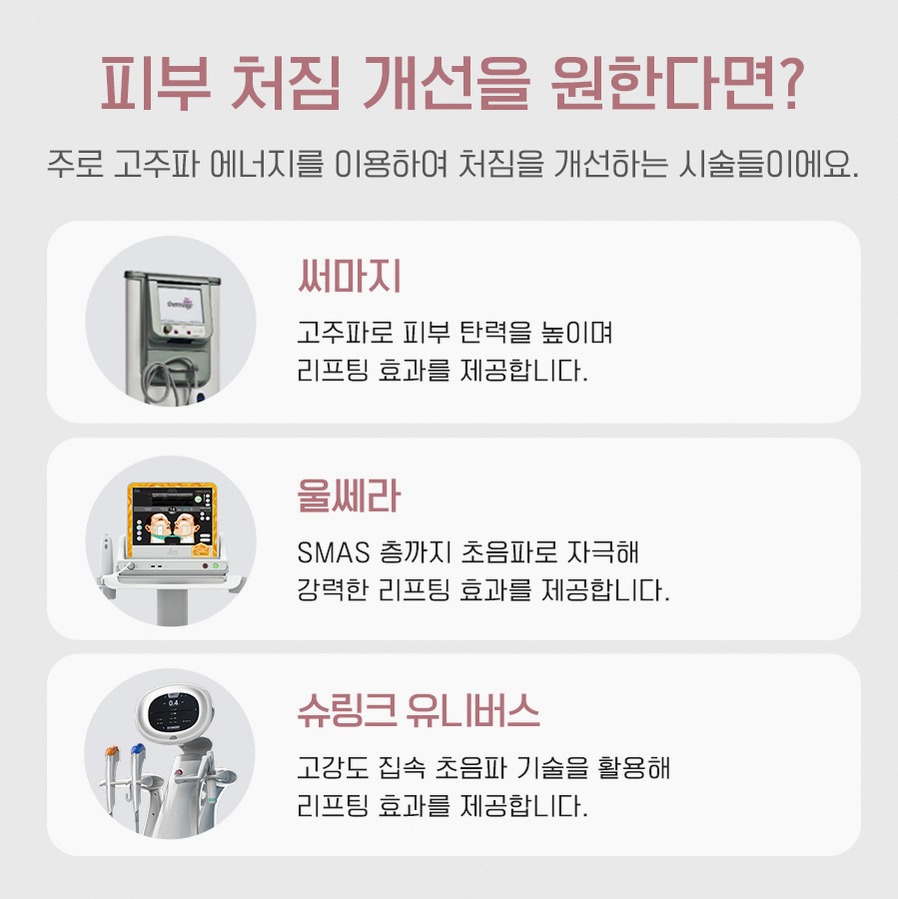
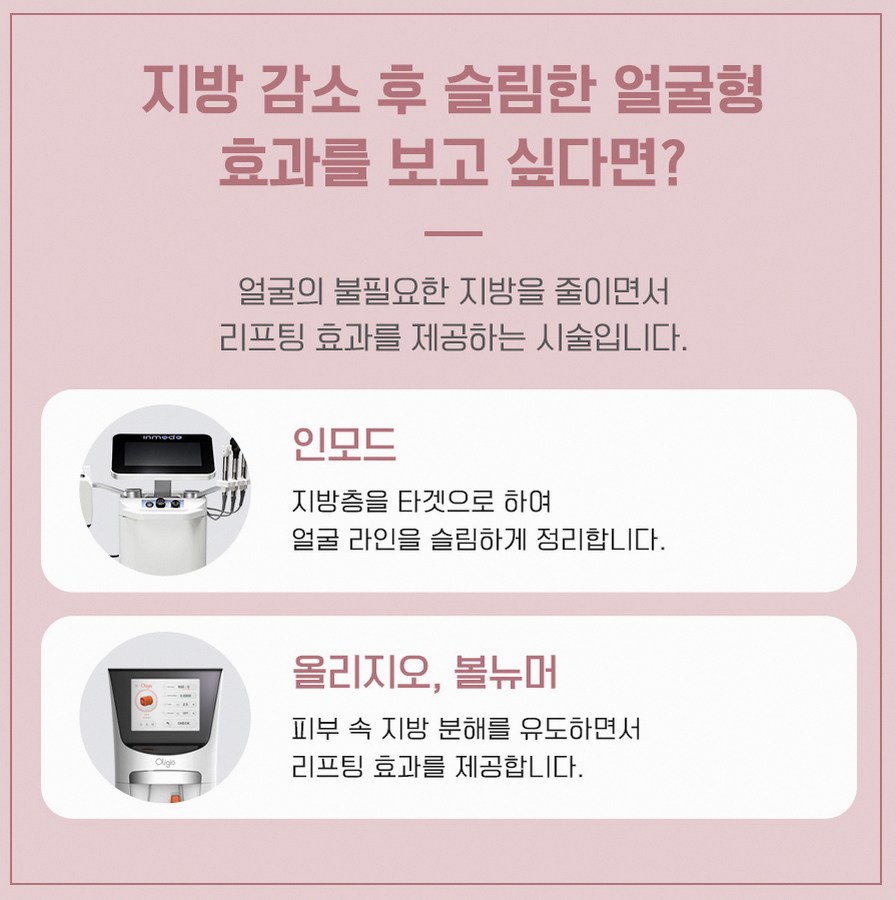
Energy‑based lifting includes HIFU devices such as Shurink and Silver Shurink, and radiofrequency devices such as Thermage and Accent Prime. These devices deliver focused energy into the deeper layers of the skin to tighten and remodel tissue.
Thread lifting uses fine absorbable threads placed under the skin to mechanically lift sagging areas and trigger collagen production along the thread path.
Collagen and skin boosters such as Rejuran, Juvelook, Radiesse, and other boosters are injectables that improve elasticity, fine wrinkles, and overall skin quality. They are not mechanical lifting in the strict sense, but they can make the skin firmer and more resilient, supporting the effect of lifting devices or threads.
Main types of non‑surgical lifting used in Songpa
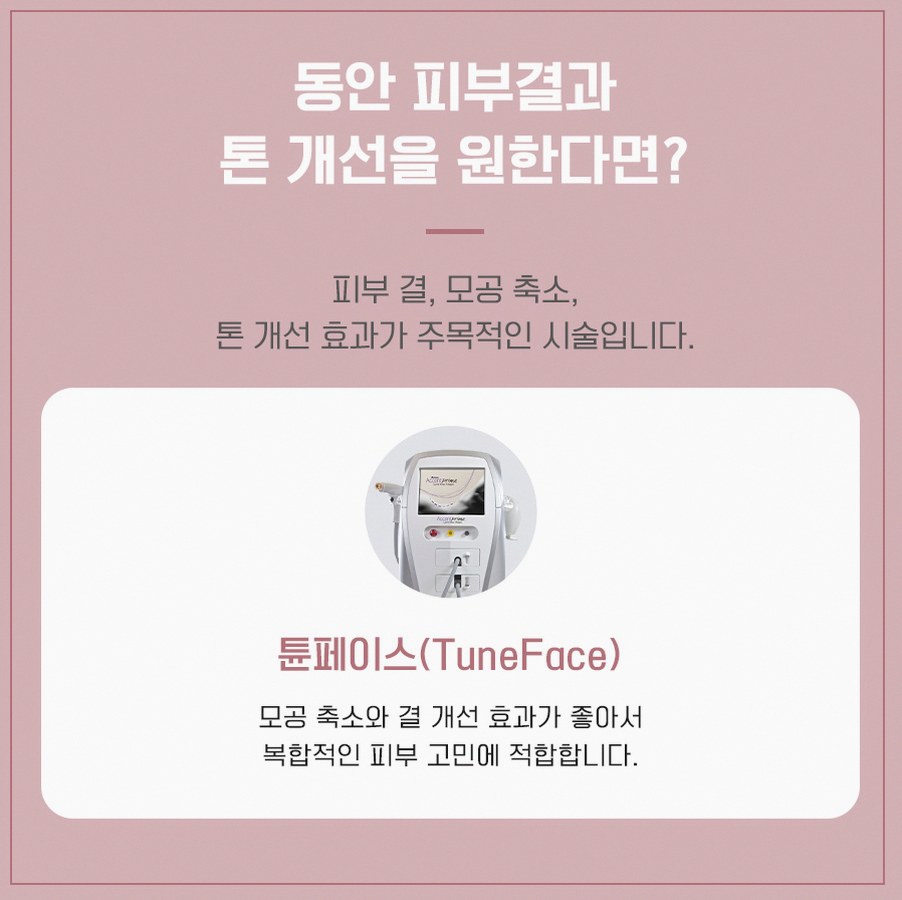
HIFU lifting (for example Shurink)
HIFU stands for high‑intensity focused ultrasound. Devices such as Shurink and Silver Shurink send concentrated ultrasound energy into precise depths of the skin, including the dermis and the SMAS layer, which is the same layer targeted in surgical facelifts.
The goal is to create controlled heat points that stimulate collagen and cause a tightening effect over time. Typical target areas include the jawline, cheeks, nasolabial folds, early jowls, and sometimes the neck.
Advantages often include relatively short treatment time, minimal visible downtime, and the possibility to repeat the procedure periodically. However, some patients feel heat or sharp sensations during the shots, and the improvement usually appears gradually over several weeks to months rather than overnight.
RF lifting (for example Thermage and Accent Prime)
Radiofrequency devices such as Thermage and Accent Prime use RF energy to heat the dermis more broadly. This can help tighten collagen fibers and encourage new collagen formation.
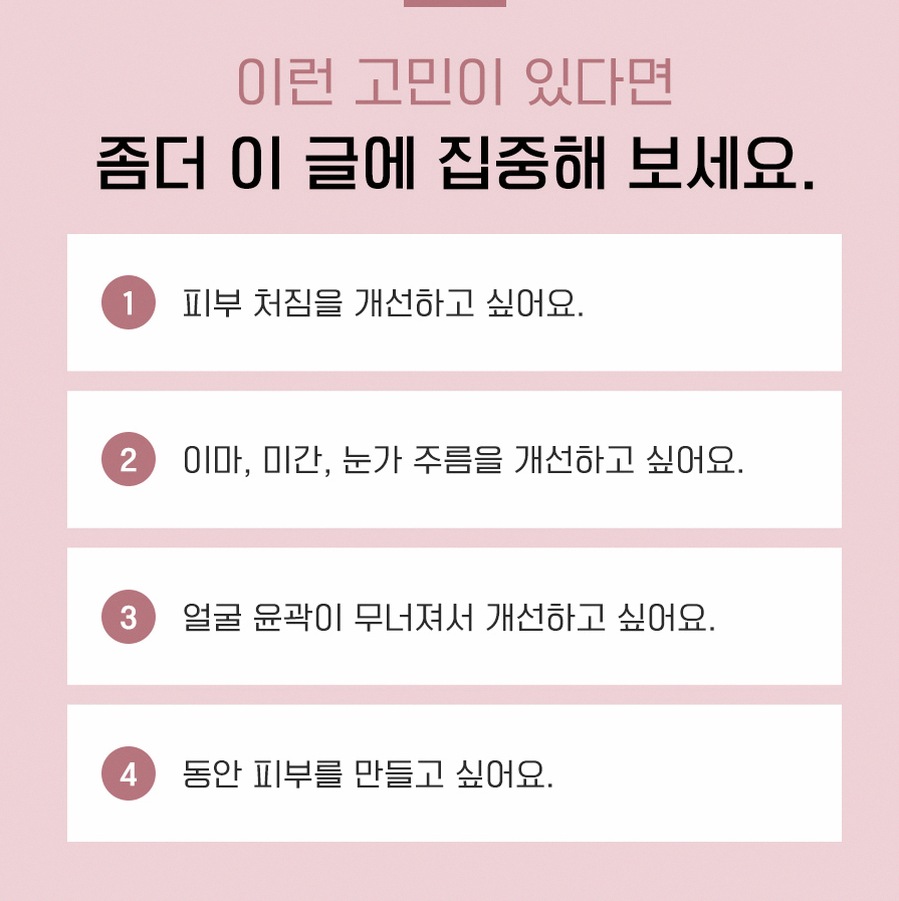
RF lifting is often chosen for overall skin tightening and texture improvement, especially in the mid‑face and lower face, and sometimes around the eyes depending on the device and tip used.
Results also develop gradually and may last many months, but the degree and duration of improvement vary from person to person. Settings, number of passes, and your skin condition all play a role.
Thread lifting
Thread lifting involves inserting special absorbable threads under the skin through fine entry points. The threads have small barbs or cones that catch the tissue and allow the doctor to gently lift sagging areas such as the jawline, marionette lines, and mid‑face.
In addition to the mechanical lift, the threads act as a scaffold that stimulates collagen along their path as they slowly dissolve.
Compared with device‑based lifting, thread lifting can create a more visible immediate lifting effect, but it may also involve more swelling, bruising, and a feeling of tightness during the early days. Because threads are placed close to important structures, careful planning and experienced technique are important.
Collagen and skin boosters
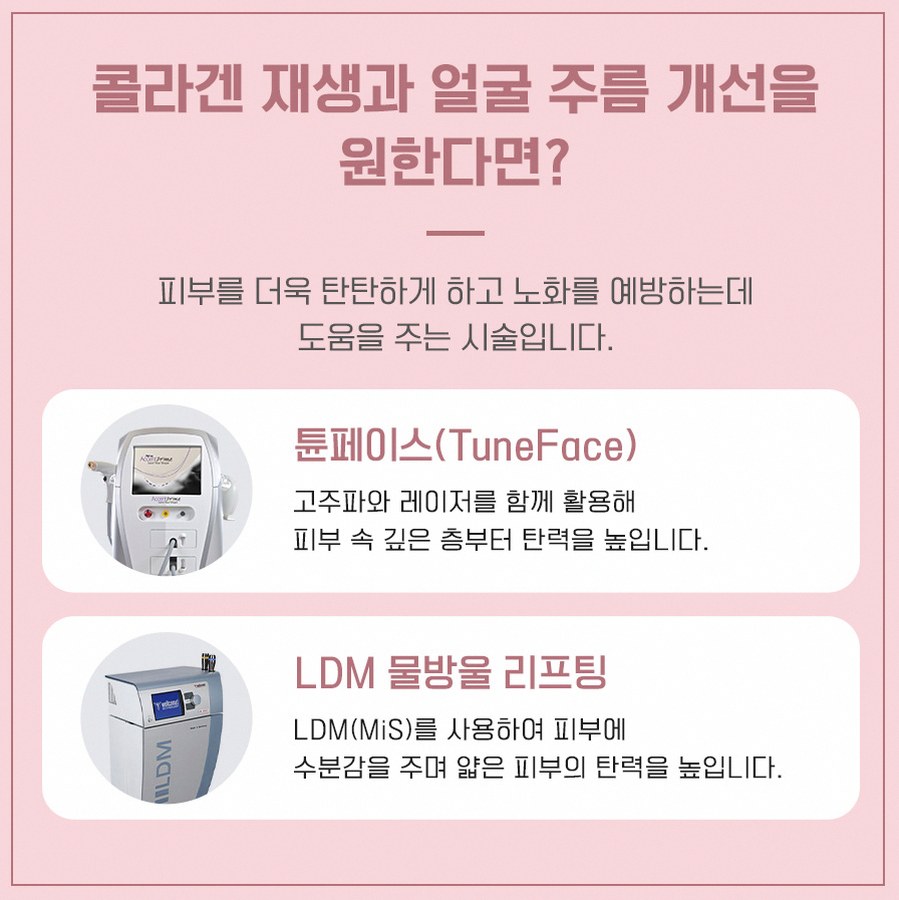
Collagen and skin boosters like Rejuran, Juvelook, Radiesse, and other brands are injected into the skin using fine needles or cannulas. They aim to improve elasticity, fine wrinkles, and overall skin quality rather than physically pulling the skin up.
These products can be very useful when combined with HIFU or RF lifting. While the devices tighten deeper structures, boosters can thicken and smooth the superficial layers, making the face look fresher and more even.
In many Songpa clinics, a layered anti‑aging plan is used: energy devices for tightening, threads when more lift is needed, and boosters to refine texture and elasticity.
Who may consider Songpa lifting?
Age and degree of sagging
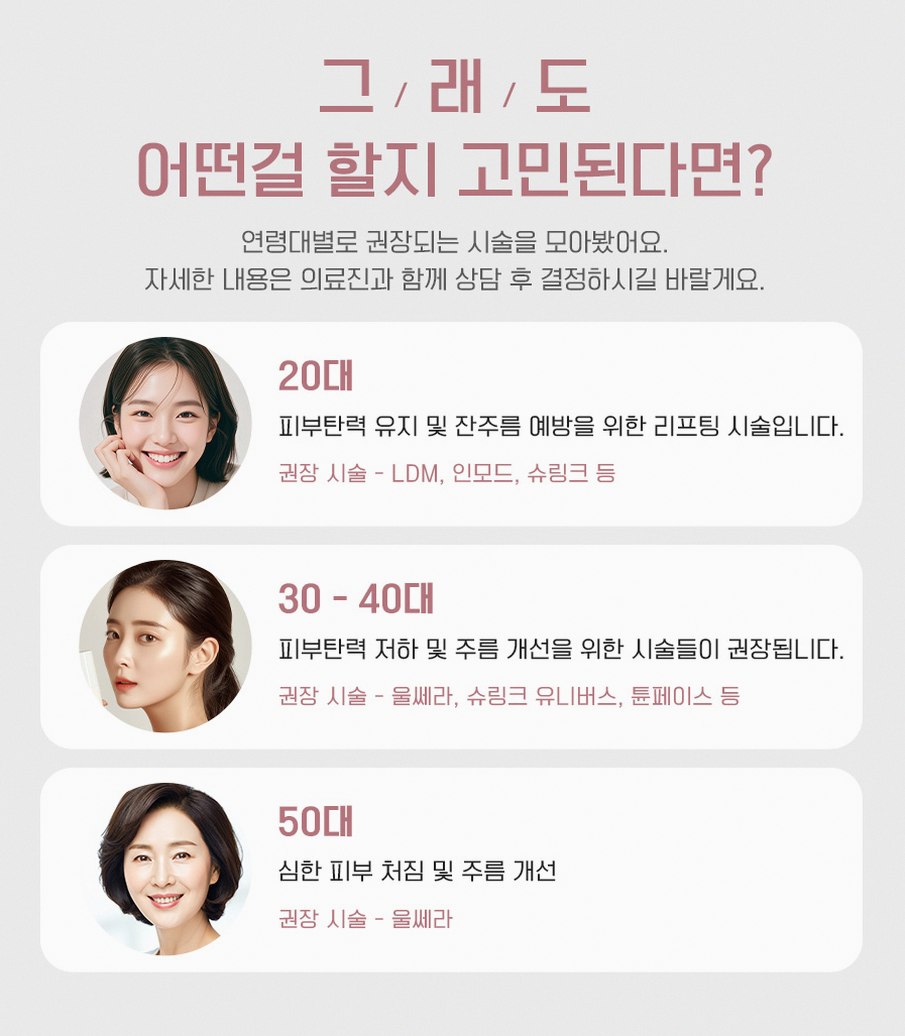
People in their late 20s to 30s usually look for prevention and early tightening. Mild HIFU or RF sessions, combined with skin boosters for elasticity, can help maintain contour and delay visible sagging.
In the 40s and above, structural changes such as deeper nasolabial folds, jowls, and volume loss become more noticeable. In this age group, a combination of energy devices, possible thread lifting, and collagen boosters is often considered to support the deeper and superficial layers together.
Skin type and thickness
Thicker, heavier skin with stronger facial muscles may require more energy, more passes, or combined modalities to see a visible effect. In some cases, threads are added to give extra support.
Thin, dry, or sensitive skin may need gentler settings, more spacing between sessions, and more focus on boosters and hydration to avoid irritation.
Lifestyle and downtime
Office workers and business travelers often need treatments with minimal downtime that can be done in the evening or between meetings. HIFU and RF lifting generally fit this lifestyle, as most people can return to daily activities right away with only mild redness.
Thread lifting usually requires more recovery time. Swelling, bruising, and a tight feeling can be visible for several days, so it is better not to schedule it right before important events or public appearances.
Pain tolerance and anxiety
Lifting treatments can be uncomfortable. HIFU and RF may cause heat or sharp tingling, and thread lifting can cause pulling sensations and soreness. If you are very sensitive to pain or anxious about procedures, it is important to choose a clinic that takes pain management seriously.
Budget and maintenance
Non‑surgical lifting is not a one‑time permanent solution. Collagen continues to age, and gravity does not stop, so maintenance sessions are usually needed. Some patients repeat HIFU or RF once or twice a year, and threads or boosters may be added at intervals.
When planning your budget, consider not only the first session but also the expected maintenance over the next one to two years. A clear discussion with the doctor about realistic duration and follow‑up plans will help you avoid disappointment.
Songpa lifting with pain management in mind
Why pain control matters
If pain is not well controlled, patients may ask to reduce the energy level or stop the procedure early, which can influence the final result. Fear of pain can also prevent people from starting or continuing beneficial treatments.
For overseas patients who have limited time in Korea, it is especially important that each session is performed with adequate energy and precision, supported by appropriate pain management.
Role of a clinic that also runs a pain clinic
ATHLEY CLINIC in Jamsil is a skin and aesthetic clinic that also operates a pain clinic. The representative doctor has a background in anesthesia and pain medicine and is active in related societies. This background supports a structured approach to pain control for lifting procedures.
In addition to topical numbing creams and local anesthesia, sleep sedation to help reduce discomfort and anxiety may be offered as a separate service when appropriate. This can be considered for patients who are very sensitive or who are planning higher‑energy HIFU or RF, or more extensive thread lifting.
Connection to lifting procedures
For HIFU or RF sessions, tailored pain control allows the doctor to deliver adequate energy safely and consistently across the treatment area. For thread lifting, proper local anesthesia and monitoring can reduce discomfort during insertion and adjustment of the threads.
During your consultation, you should feel free to discuss your pain history, any previous experiences with anesthesia, and your level of anxiety. This information helps the medical team plan the safest and most comfortable approach.
What to expect during a lifting consultation in Jamsil
Pre‑consultation assessment
A proper lifting consultation usually starts with a detailed medical history. The doctor will ask about your general health, medications, allergies, previous procedures, and specific concerns about your face and neck.
The face will be evaluated for skin laxity, volume loss, muscle activity, asymmetry, and skin quality. Photos may be taken under consistent lighting to help plan and later compare changes.
DIY‑style customization concept
At ATHLEY CLINIC, a DIY‑style customized program is used rather than fixed packages. After one‑on‑one consultation, patients can select focus areas and care steps instead of being pushed into a single standard course.
Applied to lifting, this means you can prioritize certain areas such as jawline, cheeks, neck, or fine wrinkles around the mouth and eyes. For example, one person may choose strong jawline tightening with HIFU plus a small number of threads, while another may focus on mid‑face volume support with boosters and gentle RF.
Treatment planning
Based on your priorities, the doctor will suggest a plan that may include HIFU, RF, threads, boosters, or a combination. The balance between lifting strength, downtime, pain level, and budget is discussed openly.
You should also be informed that multiple sessions or staged treatments might be recommended. For instance, you might do HIFU first, then add boosters after a few weeks, and consider threads later if needed.
Safety checks
Before proceeding, possible side effects are explained, such as temporary redness, swelling, bruising, tenderness, and rare nerve or skin complications. For thread lifting, temporary dimpling or tightness may occur. For injectable treatments (fillers and botulinum toxin), specific risks include bruising, swelling, infection, asymmetry, and rare but serious vascular occlusion. For radiofrequency, laser, and other energy‑based treatments, risks include temporary redness and swelling and, rarely, burns or post‑inflammatory hyperpigmentation.
You will receive instructions about aftercare, follow‑up visits, and what symptoms should prompt you to contact the clinic. Clear communication is a key part of safe lifting treatment.
Online consultation and pre‑visit preparation for overseas patients
If you are planning to visit from overseas, an online consultation before booking flights is highly recommended. Many clinics in the Jamsil area can review your photos and basic information by email or messaging apps.
Before your online consultation, prepare the following:
Clear front and side photos of your face and neck in good lighting, without heavy makeup.
A brief medical history including chronic illnesses, medications, allergies, and previous facial procedures or surgeries.
Your main concerns and priorities, such as jawline definition, nasolabial folds, or fine wrinkles.
Your planned travel dates and how many days you can stay in Seoul.
During the online consultation, you can discuss which lifting methods seem suitable, how many sessions might be realistic during your stay, and whether any pre‑treatment tests are needed. This helps you build a realistic schedule and budget before you arrive.
Expected Korea visit timeline for Songpa lifting
Short stay of 3 to 4 days
For many non‑surgical lifting treatments, a short stay is enough.
Day 1: In‑person consultation, facial assessment, and treatment planning. HIFU or RF lifting can often be performed on the same day if there are no medical concerns. Mild redness or swelling may appear but usually settles quickly.
Day 2: Check‑up if needed, or additional gentle treatments such as skin boosters, depending on your plan and skin condition.
Day 3 or 4: Final review, aftercare instructions, and planning of future maintenance once you return home.
If you are considering thread lifting, it is wise to allow at least a few days in Seoul after the procedure in case you need a follow‑up visit for swelling, bruising, or adjustment.
Longer stay of 1 to 2 weeks
If you can stay longer, you may combine more elements in a staged way. For example, you might do HIFU early in your trip, then add boosters or other skin treatments a few days later, with enough time to monitor your reaction before flying home.
Your clinic can help you design a schedule that respects both medical safety and your sightseeing or business plans.
Aftercare and safety tips for Songpa lifting
General aftercare for device‑based lifting
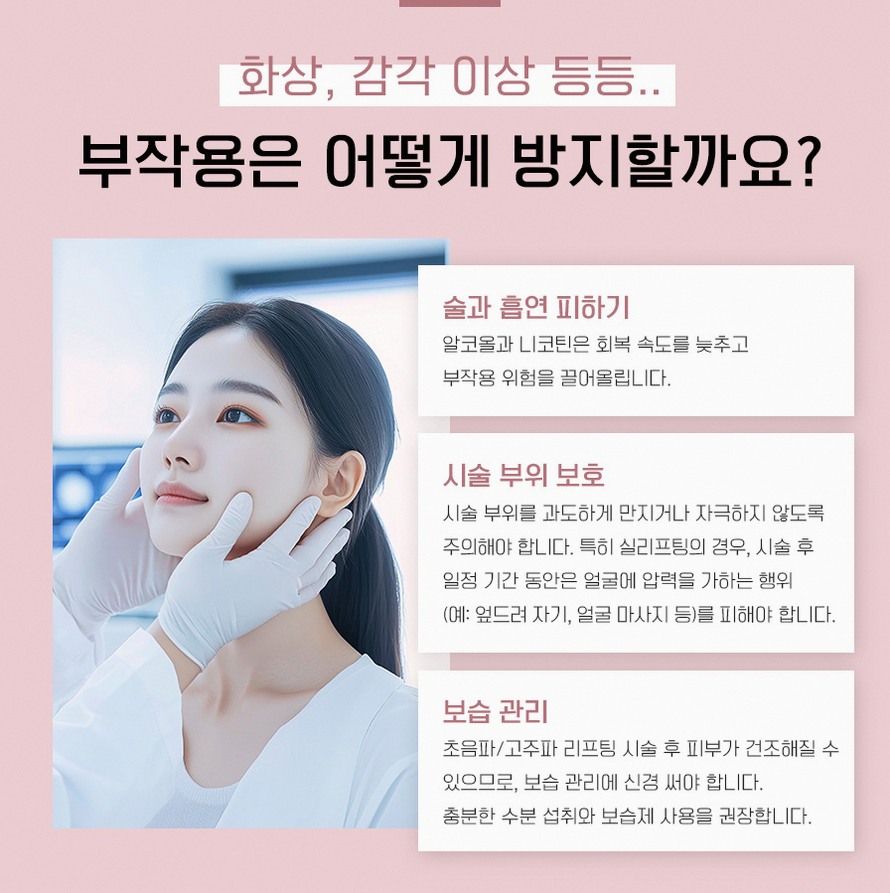
After HIFU or RF, the skin may feel slightly warm, tight, or tender. In most cases, you can wash your face gently and apply basic skincare the same day, but avoid aggressive scrubs or strong acids.
It is usually recommended to avoid intense heat such as saunas, hot baths, or intense sun exposure for a short period. Gentle moisturizers and broad‑spectrum sun protection help support collagen remodeling and protect the treated skin.
Aftercare for thread lifting
After thread lifting, you may be advised to avoid exaggerated facial expressions, chewing very hard foods, or sleeping face‑down for a limited time. Some pulling sensations, swelling, and bruising are common in the early phase.
Cold compresses may be suggested for the first day or two, followed by gentle care. Any medications such as pain relievers or antibiotics should be taken exactly as prescribed.
Monitoring results
For both devices and threads, the most visible improvements often appear gradually over weeks to months as new collagen forms. Taking before‑and‑after photos in similar lighting and angles can help you notice subtle but meaningful changes.
It is important to keep follow‑up appointments, even if you have already returned to your home country. Online check‑ins with photos can be useful to monitor progress and plan future maintenance.
When to contact the clinic
You should contact the clinic promptly if you experience persistent or worsening pain, marked asymmetry, visible dimpling that does not improve over time, or signs of infection such as redness, heat, or discharge.
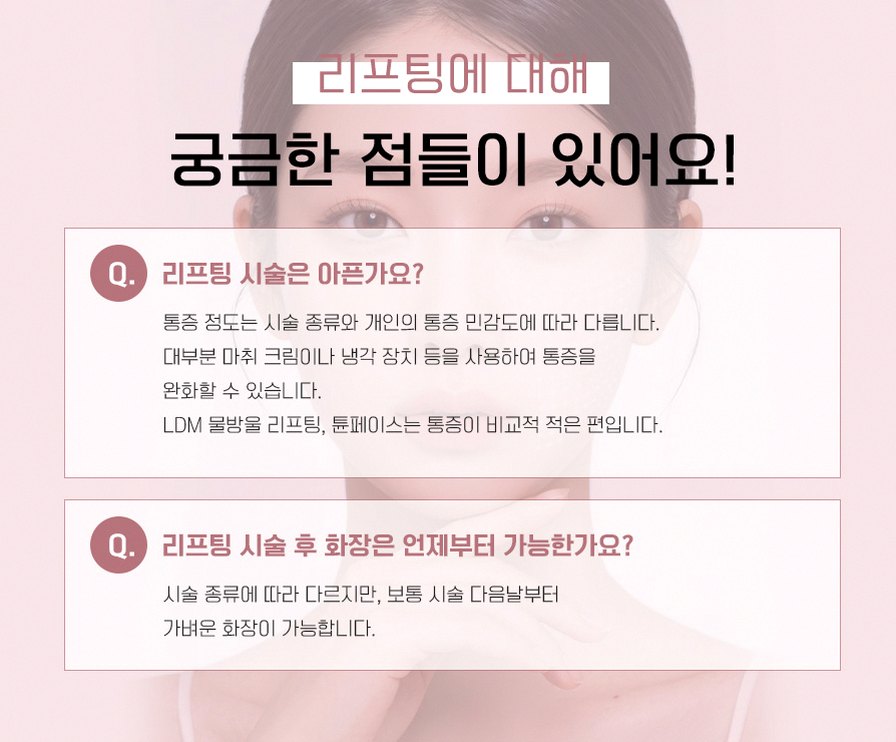
Choosing a clinic that provides clear medical information, structured aftercare, and easy communication channels is essential. ATHLEY CLINIC emphasizes internal standards for content review and patient education, which can be reassuring for international patients.
Accessibility: Songpa lifting near Jamsil Station
Location and transport
For visitors who value convenience, location is an important factor. ATHLEY CLINIC is located on the 15th floor of the Seegene Songpa Building on Ogeum‑ro in Songpa‑gu, about a one‑minute walk from Jamsil Station Exit 10. The building also houses a well‑known coffee franchise, making it easy to find and a comfortable place to wait.
Clinic hours
Weekdays: 11:00 to 20:30, with internal lunch time from 14:00 to 15:00.
Saturday: 11:00 to 17:00.
Closed on Sundays and public holidays.
Evening hours until 20:30 on weekdays are convenient for office workers and travelers who have daytime commitments. You can schedule lifting treatments after work or after sightseeing without losing a full day.
For reservations and inquiries, you can contact the clinic by phone or email. Online consultation before your visit helps the team prepare an efficient schedule for you.
FAQ: common questions about Songpa lifting
How long do non‑surgical lifting results usually last?
The duration of results depends on the method used, your age, skin condition, and lifestyle. Many patients notice effects from HIFU or RF for several months to around a year, while thread lifting effects can also last many months as collagen builds around the threads.
Because aging continues, maintenance sessions are usually recommended. Your doctor can suggest appropriate intervals based on your response and goals.
Is Songpa lifting painful?
Most patients feel some level of discomfort. HIFU and RF can cause heat and tingling, and thread lifting can cause pulling or soreness during and after the procedure.
With proper topical anesthesia, local anesthesia, and, when appropriate, sleep sedation, discomfort can be significantly reduced. Clinics with pain‑management experience can tailor the approach to your sensitivity and medical history.
Can I go back to work or travel right after lifting?
After HIFU or RF lifting, many people return to normal activities immediately. Mild redness or swelling may occur but often settles within hours to a couple of days, so business travelers can usually continue their schedule.
After thread lifting, visible swelling or bruising may last several days, and you may feel tightness when moving your face. If you are traveling from abroad, it is wise to allow some recovery time before important meetings or photo‑heavy events.
Am I too young for lifting in my late 20s or early 30s?
In younger patients, the goal is usually prevention and subtle improvement rather than dramatic lifting. Gentle energy‑based treatments and skin boosters may help maintain elasticity and contour without over‑treating.
A personalized consultation is essential to avoid unnecessary procedures. Sometimes, improving lifestyle factors and basic skincare is prioritized, with lifting used more conservatively.
How do I choose a Songpa lifting clinic as an overseas patient?
When choosing a clinic, consider the medical staff’s background, the range of devices and injectables available, and the clinic’s approach to pain control and safety. It is helpful if the clinic offers customized plans instead of one‑size‑fits‑all packages.
For international visitors, location near a major station like Jamsil, evening hours, and the ability to communicate clearly in advance are also important. You can ask for online consultation, sample treatment plans, and clear explanations of aftercare before you decide.
Soft call to action for online consultation
If you are considering Songpa lifting during a visit to Seoul and want to minimize pain, downtime, and uncertainty, arranging an online consultation before you travel is a practical first step. By sharing photos and your goals in advance, you can arrive with a clear plan and realistic expectations.
ATHLEY CLINIC in Jamsil offers non‑surgical lifting options such as HIFU, RF, thread lifting, and collagen or skin boosters, with a strong focus on pain management and individualized planning. If you would like to explore what might suit your face and schedule, you can contact the clinic online to discuss your options and design a visit that fits your time in Korea.
- 공유 링크 만들기
- X
- 이메일
- 기타 앱


댓글
댓글 쓰기