Laser toning for pores — International patients' guide
- 공유 링크 만들기
- X
- 이메일
- 기타 앱

Direct answer: pore tightening near Jamsil Station
When people around Jamsil Station search for pore tightening, they usually want smoother skin texture, less visible pores, and a more even overall tone rather than literally having no pores at all.
For enlarged pores, laser toning alone usually gives gentle, gradual changes. It can help the skin look clearer and more refined, but it is not a one‑time pore eraser. In real clinical practice near Jamsil Station, toning is often part of a wider plan that may include fractional lasers, radiofrequency devices, or skin boosters to address pore depth, elasticity, and overall skin quality.
ATHLEY CLINIC is located in Songpa‑gu, Seoul, on the 15th floor of the Seegene Songpa Building, about one minute on foot from Jamsil Station Exit 10, in the same building as a Twosome Place cafe. For international visitors, this makes it convenient to schedule repeated laser toning sessions during a stay in Seoul.
What is laser toning and how does it relate to pores
Laser toning overview
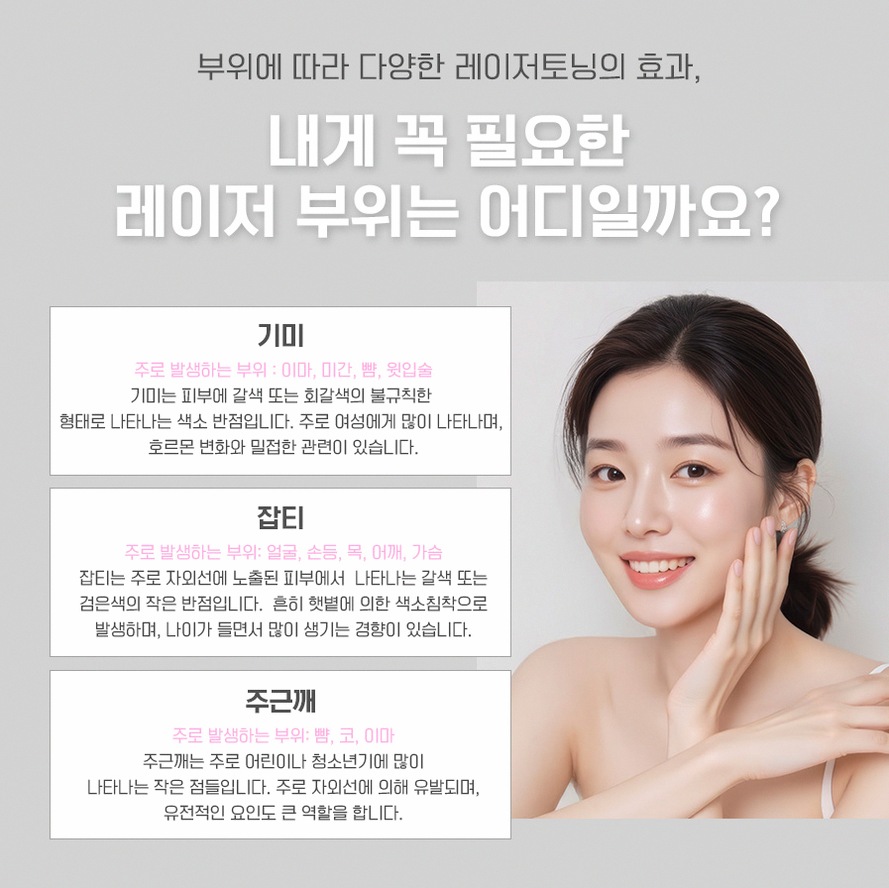
Laser toning is a low‑energy, multiple‑pass laser treatment designed mainly to improve pigmentation and overall skin tone. The device delivers many gentle shots over the face, targeting melanin and helping to reduce uneven color such as sun spots, mild acne marks, or dullness.
Because the energy level is relatively low compared with more aggressive lasers, laser toning is usually associated with short sessions, minimal downtime, and a gradual improvement pattern over several visits. This makes it suitable for people who need to return quickly to work, study, or travel activities.
How laser toning can indirectly help enlarged pores
While laser toning is not a dedicated pore treatment, it can indirectly make pores look less obvious in several ways:
By improving overall skin clarity, the contrast between the darker pore openings and surrounding skin can be reduced, so pores draw less attention.
By providing mild stimulation to collagen in the upper layers of the skin, some people notice slightly smoother texture and a softer focus effect.
By calming low‑grade inflammation and helping with post‑acne marks, the skin surface can appear more even, which can make pores look less prominent in photographs and daily life.
Limits of laser toning for pores
It is important to understand the limits. Laser toning is usually mild for deep, structural problems such as:
Ice‑pick scars (narrow, deep holes)
Boxcar scars (wider, deeper depressions)
Very enlarged pores related to long‑standing acne and significant loss of elasticity
In such cases, laser toning alone is unlikely to create a dramatic change. It may still help with color and overall clarity, but pore depth usually requires more focused treatments.
Why combination treatment is often used
In a clinic setting, when the main concern is enlarged pores and rough texture, laser toning is often combined with other options, for example:
Fractional lasers that create controlled micro‑columns of heat to remodel collagen and improve texture.
Radiofrequency devices that deliver heat into the deeper dermis to support tightening and elasticity.
Skin boosters, including collagen‑stimulating or polynucleotide injectables, which can improve hydration, fine lines, and surface smoothness.
These combinations are tailored after a face‑to‑face skin assessment. For overseas patients, it is useful to send clear photos in advance so the medical staff can suggest whether toning alone is reasonable for your goals or whether a combined plan is more appropriate.
Who might consider laser toning for pores near Jamsil Station
Skin types that may benefit
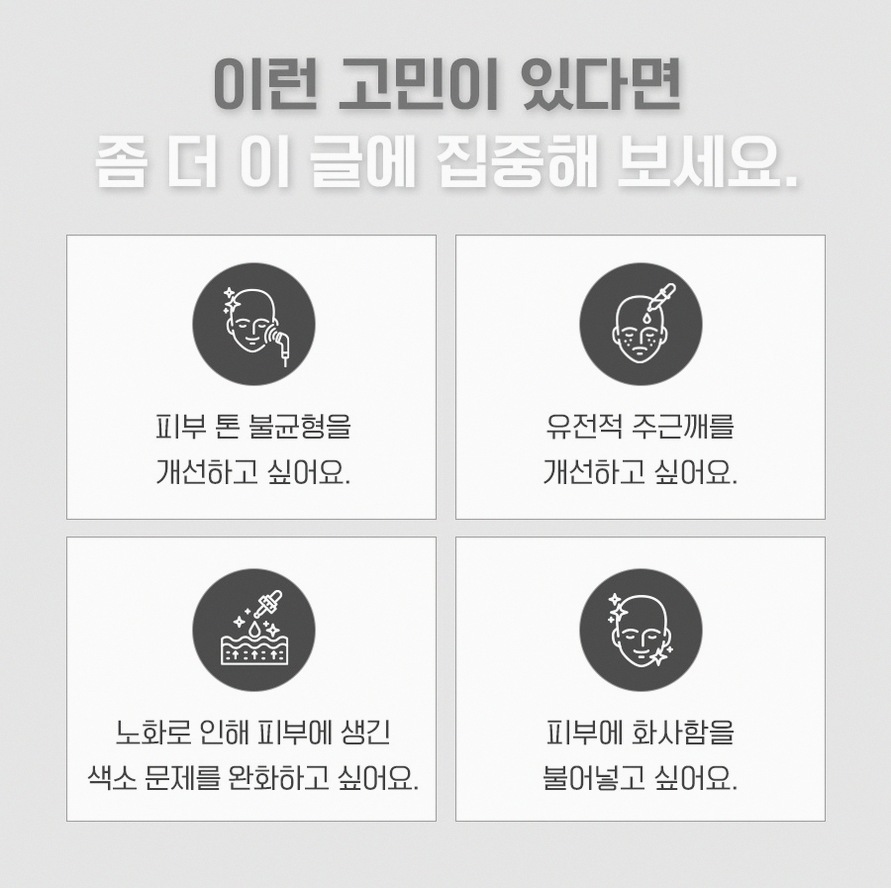
The following situations are often suitable for pore‑focused laser toning around Jamsil Station:
Oily or combination skin with visible but relatively shallow pores, especially around the nose, cheeks, and forehead.
Dull, uneven skin tone with mild acne marks, redness, or fine roughness rather than deep scars.
People who prefer gradual, low‑downtime improvement that fits into a busy work schedule or a short stay in Seoul.
Those who feel their pores show more in close‑up photos due to color contrast or mild texture, not because of deep craters.
Who may need a different or combined approach
Some visitors will benefit more from a combined or alternative plan:
Deep acne scars or very large, long‑standing pores that feel like pits when you run your finger over them.
Very lax skin with reduced elasticity, where pores stretch open because the skin is sagging.
Severe sebum overproduction with frequent active acne, where initial focus may need to be on inflammation control.
Anyone expecting completely invisible pores or a major change after a single session.
For these cases, the medical staff may recommend adding fractional laser, radiofrequency, or skin boosters, or suggest that laser toning be used mainly for tone improvement while other treatments target pore structure.
What to expect from the treatment process
Pre‑treatment consultation and assessment
Before starting laser toning for pores, a one‑to‑one consultation is usually carried out. For overseas patients, this often begins online:
You share photos in natural light from several angles.
You describe your main concerns: pores, pigmentation, redness, acne, or sensitivity.
You list your medical history, medications, past laser or peeling treatments, and any history of abnormal scarring or pigmentation.
Once you visit the clinic in person, the clinicians will:
Check your skin type, pore size and depth, pigmentation, redness, and any active acne.
Evaluate how much of your pore concern is related to texture versus color contrast.
Explain which devices and protocols are suitable for your skin type, especially if you have sensitive or darker skin.
During the laser toning session
A typical pore‑focused laser toning session near Jamsil Station follows several steps:
Cleansing of the face to remove makeup, sunscreen, and oil.
Application of protective eyewear to shield your eyes from the laser light.
Test shots on a small area to check your skin reaction and adjust energy levels.
Multiple passes of the laser over the treatment area, often the whole face.
Most people describe the sensation as a series of light snaps or a warm prickling feeling. Because the energy is relatively low, many patients tolerate it without strong anesthesia. A clinic that also focuses on pain management may:
Adjust settings carefully to match individual pain tolerance and skin sensitivity.
Use cooling devices, topical numbing cream, or other comfort measures when needed.
Provide sedation or anesthesia options to help reduce pain or discomfort—such as monitored sedation when medically appropriate—after clinical evaluation; individual responses vary.
The session time is usually short, which is convenient if you are coming from work or planning other activities the same day.
Aftercare and immediate recovery
After laser toning, you may notice:
Mild redness or warmth, usually settling within a few hours.
Slight dryness or tightness over the next day or two.
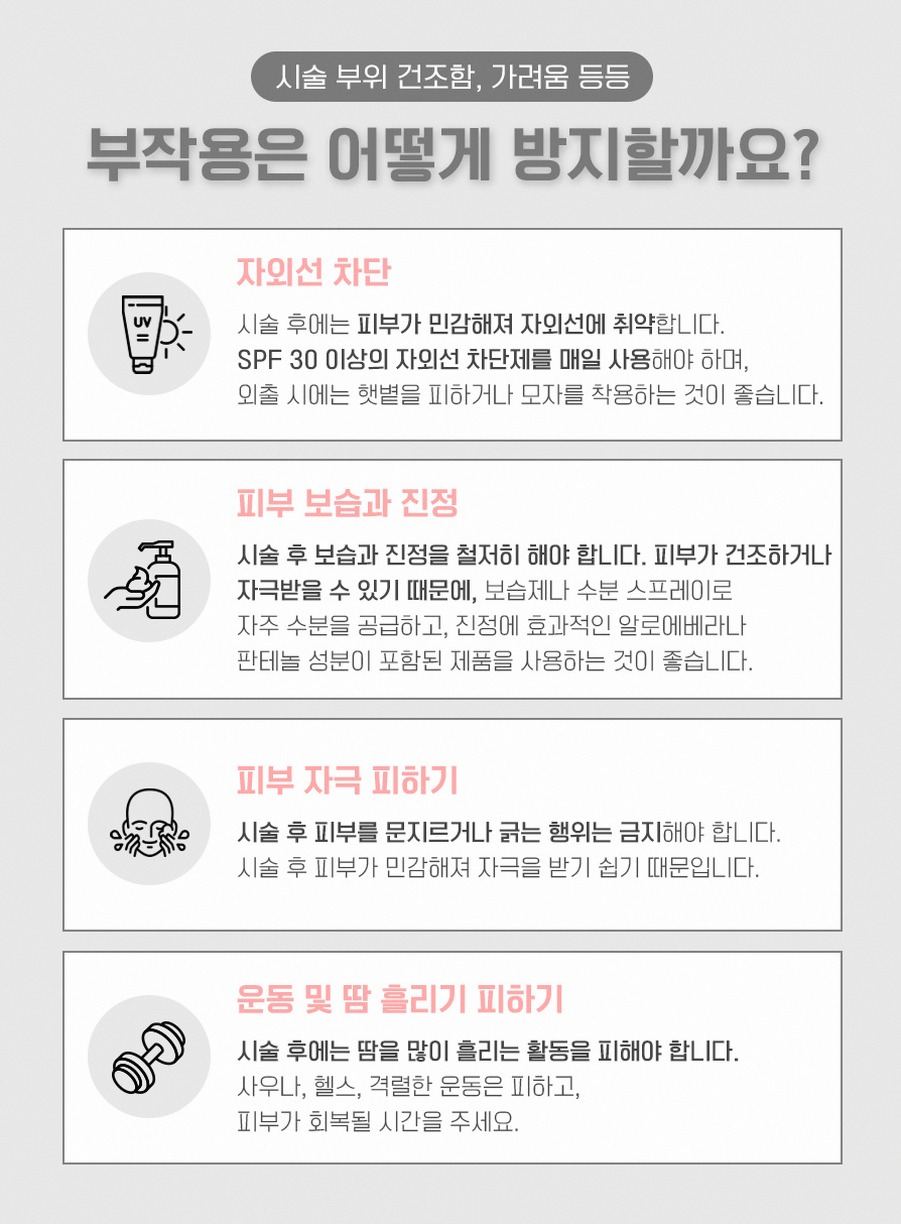
Standard aftercare includes:
Gentle cleansing with a mild, non‑scrubbing cleanser.
Regular moisturization to support the skin barrier.
Strict sun protection with broad‑spectrum sunscreen, hat, or shade, especially while walking around Seoul.
Avoiding harsh scrubs, strong acids, or home devices for a period advised by the clinic.
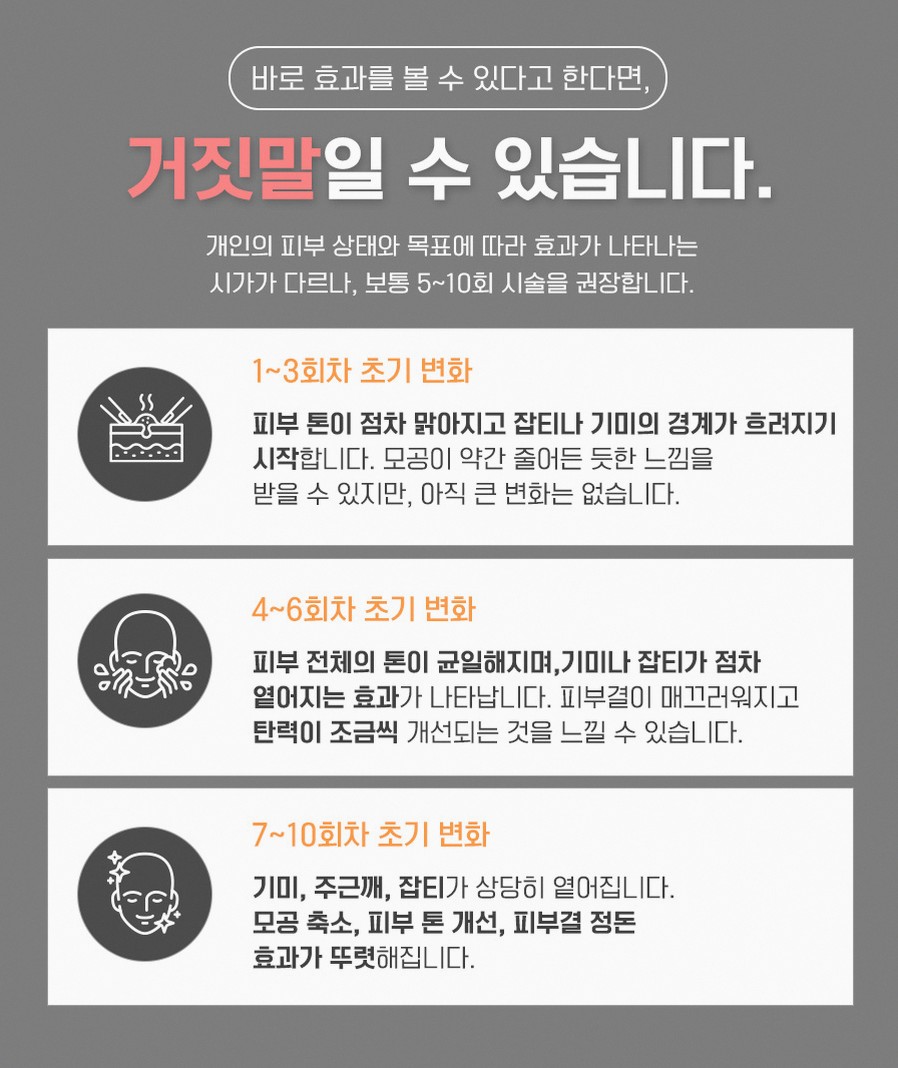
Pore and tone changes are gradual. Many people notice clearer tone and a fresher look after several sessions, with pores appearing a bit softer and less noticeable rather than dramatically smaller.
Treatment planning and realistic expectations
Typical course and timing
Laser toning for pores and tone is usually planned as a series of sessions, often spaced a few weeks apart. For international patients, this may be arranged in different ways:
Short stay: a small number of sessions during a one‑ to two‑week visit, focusing on gentle improvement and establishing a plan you can continue later in your home country.
Medium stay: several weeks in Seoul, allowing more sessions and possibly combining toning with other texture treatments if appropriate.
Repeat visits: if you travel to Korea regularly, sessions can be scheduled each trip to build up gradual results.
Factors that influence the plan
The number of sessions and choice of devices depend on:
Pore size and depth: shallow, color‑based pores need fewer and milder treatments than deep structural pores.
Degree of pigmentation and redness: more uneven tone may require more sessions.
Skin sensitivity: reactive or easily irritated skin may need lower energy and slower progress.
Lifestyle and schedule: how much downtime you can accept and how often you can visit the clinic.

Realistic goals
The realistic goal of pore‑focused laser toning is a smoother, softer appearance, not completely invisible pores. Human skin naturally has pores, and they play an important role in oil and sweat regulation.
With an appropriate plan, many people experience:
More even tone and brightness.
Less contrast around pores so they do not catch the eye as much.
Slightly refined texture, especially for mild roughness.
Deep scars or very large pores usually need additional procedures to change the actual structure of the skin. During consultation, the clinicians should explain which part of your concern is likely to respond to toning and which part may need other options.
Safety, risks, and precautions
Common and expected reactions
Most people experience only mild, temporary reactions after laser toning, such as:
Redness or flushing.
Slight swelling or warmth.
Temporary dryness or flaking.
These usually improve within hours to a few days with proper moisturization and sun protection.
Less common risks
Although laser toning is considered gentle compared with stronger resurfacing procedures, there are still potential risks, including:
Excessive redness or prolonged irritation.
Temporary darkening or lightening of the skin (pigmentation changes), especially in darker or sensitive skin types.
Very rarely, burns or blisters if parameters are not appropriate for the skin.
How to reduce risks
To support safety, it is important to:
Have a professional evaluation before starting, including discussion of your medical history and previous treatments.
Inform the clinic about any tendency to form keloids, history of post‑inflammatory hyperpigmentation, or recent sunburn.
Adjust energy levels and protocols for darker or sensitive skin.
Follow aftercare instructions carefully, especially sun protection and avoiding harsh products.
If you notice unusual pain, strong swelling, or darkening after treatment, you should contact the clinic promptly for guidance.
Convenience for visitors near Jamsil Station
Location and access
For overseas patients staying in the Jamsil area, the location is a practical advantage. The clinic is on the 15th floor of the Seegene Songpa Building, about a one‑minute walk from Jamsil Station Exit 10, in the same building as a Twosome Place cafe. This makes it easy to find, even if you are new to Seoul.
Because laser toning for pores usually involves short, repeated sessions, being close to the station helps you maintain your schedule without long travel times across the city.
Suitable for busy schedules
Long weekday hours mean consultations and procedures can often be arranged into the evening. This is helpful if you are:
An office worker in Seoul who can only come after work.
A student with daytime classes.
A traveler trying to fit treatment between sightseeing or meetings.
The low‑downtime nature of laser toning means you can usually return to normal daily activities soon after each session, with basic precautions like sunscreen and gentle skincare.
Preparing for an online consultation and your visit to Korea
Online consultation and pre‑visit preparation
Before you travel, it is useful to arrange an online consultation. To make this efficient, prepare the following:
Clear photos of your face in natural light from the front and both sides.
A short description of your main concerns: pores, pigmentation, redness, acne, or wrinkles.
A list of any previous laser, peeling, or injection treatments and when they were done.
Information about your medical history, allergies, medications, and any tendency to scar or pigment easily.
You can also prepare questions, such as:
Is laser toning alone suitable for my pores, or do I need combination treatment?
How many sessions are realistic during my stay in Korea?
What level of downtime, if any, should I expect from the recommended plan?
How should I adjust my skincare before and after treatment?
Example visit timeline for overseas patients
A simple example of a visit plan for pore‑focused laser toning might look like this:
Day 1: In‑person consultation, skin assessment, and first laser toning session if appropriate.
Days 2–3: Light sightseeing or work with basic aftercare; report any unusual reactions by message if needed.
Day 4 or later: Second session if your stay allows and the skin is ready.
For longer stays, sessions may be spaced every one to two weeks, depending on the protocol. If you have only a short trip, the focus may be on starting treatment safely and giving you a clear follow‑up plan.
Aftercare and maintaining results at home
Short‑term aftercare
In the days following each session, focus on:
Gentle cleansing twice daily.
Using a simple, fragrance‑free moisturizer.
Applying broad‑spectrum sunscreen every morning and reapplying when outdoors.
Avoiding hot saunas, intense workouts, or heavy makeup immediately after treatment if the skin feels sensitive.

Medium‑ to long‑term care
To maintain and support the effects of laser toning on pores and tone:
Keep a consistent sun protection routine to prevent new pigmentation and keep the skin tone even.
Use non‑comedogenic skincare suited to your skin type to avoid clogging pores.
Avoid frequent squeezing or picking at pores, which can damage the structure and make them look larger over time.
Follow any product recommendations from the clinic, especially if you have sensitive or reactive skin.
If you plan to have further treatments in your home country, share your Korean treatment records and settings with your local clinician so they can continue safely.
Frequently asked questions
Can laser toning really shrink pores, or does it only help with pigmentation?
Laser toning is primarily designed for pigmentation and overall tone, but it can indirectly improve the appearance of pores. By evening out skin color, slightly stimulating collagen, and smoothing mild roughness, pores can look less noticeable. However, it does not physically close pores in a dramatic way, and deep or scar‑like pores usually need additional treatments beyond toning.
How many sessions are usually needed before pores look less visible?
The number of sessions varies, but many people notice clearer tone and a mild pore‑softening effect after several treatments. Because the energy is gentle, improvement is gradual rather than sudden. Your skin type, pore depth, and lifestyle will influence how many sessions are recommended. During consultation, the clinicians can outline a realistic plan based on your stay in Korea and your long‑term goals.
Is laser toning safe for sensitive or darker skin types?
Laser toning can be adapted for sensitive or darker skin types by adjusting energy levels, spot size, and treatment intervals. A careful pre‑treatment assessment is important to reduce the risk of irritation or pigmentation changes. You should inform the clinic if you have a history of post‑inflammatory hyperpigmentation, eczema, or other sensitivities so they can tailor the protocol and aftercare for you.
What is the downtime like after a pore‑focused toning session near Jamsil Station?
Most people experience minimal downtime after laser toning. There may be mild redness or warmth for a few hours and slight dryness for a day or two, but many patients return to work, study, or sightseeing the same day. You will need to follow basic aftercare, especially sun protection and gentle skincare, to help the skin recover smoothly.

When are other treatments recommended instead of, or in addition to, toning for pores?
Other treatments are often recommended when pores are deep, scar‑like, or related to significant loss of elasticity. In those cases, fractional lasers, radiofrequency devices, or skin boosters may be added to more directly remodel collagen and improve texture. Laser toning may still be used alongside these to support tone and clarity, but it is not usually the main tool for deep structural changes.
Soft call to action
If you are planning a trip to Seoul and are considering pore‑focused laser toning near Jamsil Station, an online consultation with the medical staff at ATHLEY CLINIC can help you understand whether this approach suits your skin and schedule. By sharing your photos and goals in advance, you can arrive with a clear, personalized plan for gentle, comfort‑focused treatment during your stay.
- 공유 링크 만들기
- X
- 이메일
- 기타 앱


댓글
댓글 쓰기