Jamsil Scar Options for International Patients
- 공유 링크 만들기
- X
- 이메일
- 기타 앱
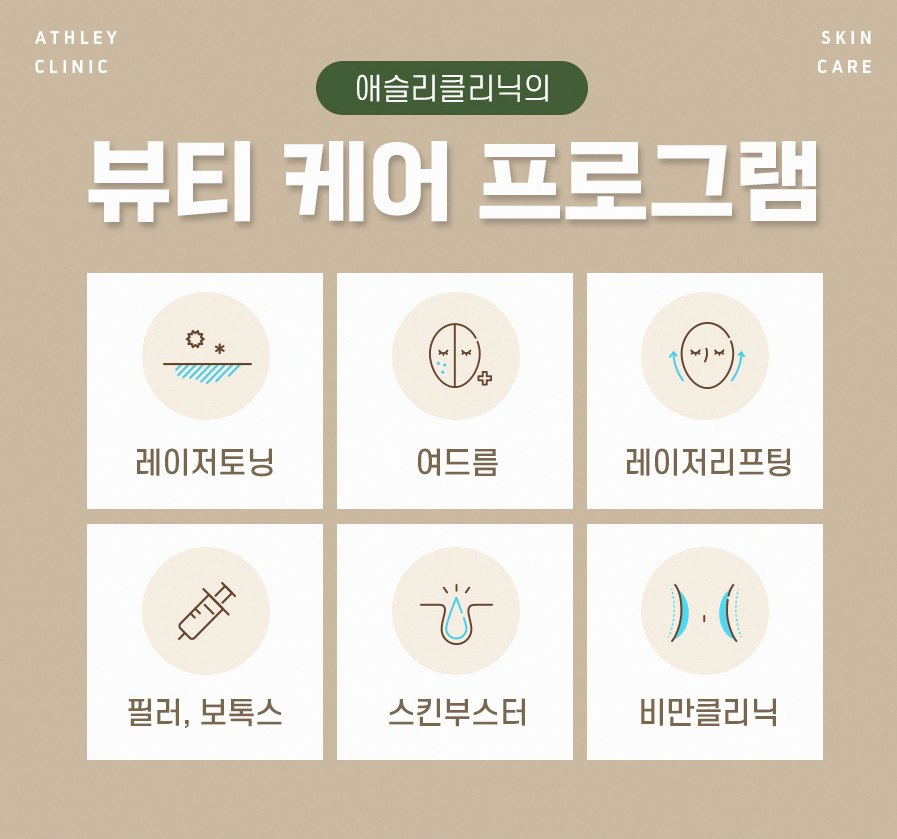
If you are looking for scar treatment in the Jamsil area, you can find non-surgical options for acne scars, surgical and trauma scars, and stretch marks using laser, energy devices, skin boosters, fillers, and microneedling. Clinics near Jamsil Station, such as ATHLEY CLINIC in Songpa-gu, offer customized combination plans and evening hours that can fit a short medical trip to Seoul. Most scars can be improved with a series of sessions, with realistic goals of smoother texture and softer color rather than complete removal.
Understanding scars
A scar is the result of your skin repairing itself after inflammation or injury. When the deeper layers of the skin are damaged, the body lays down new collagen to close the wound. This repair process is essential, but it often leaves behind visible changes in texture or color.

For people searching for Jamsil scar treatment, the most common concerns are usually acne scars on the face, marks after surgery or accidents, and stretch marks on the body. These can look and behave quite differently, so they are approached in different ways.
Atrophic scars are depressed scars that look like small pits or indentations. Typical examples are old acne scars or chickenpox marks. They form when there is a loss of collagen and tissue volume during healing.
Hypertrophic and keloid-like scars are raised, firm, often reddish scars that may appear after surgery, piercings, or trauma. They are caused by overactive collagen production and can sometimes feel itchy or tight.
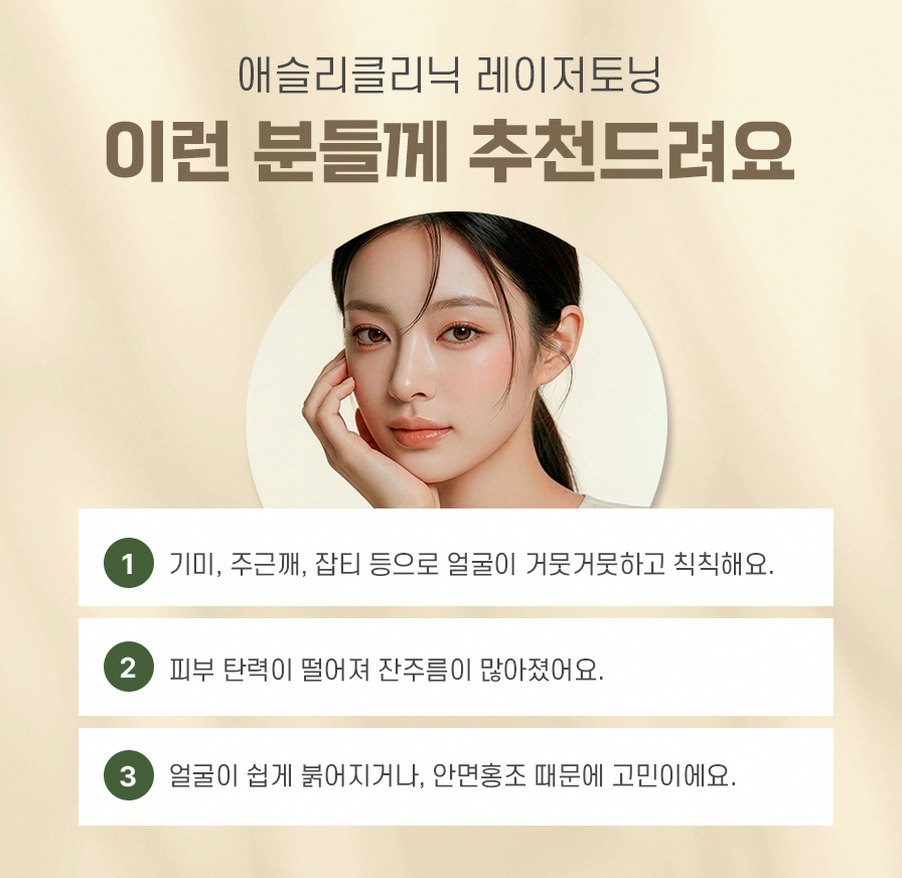
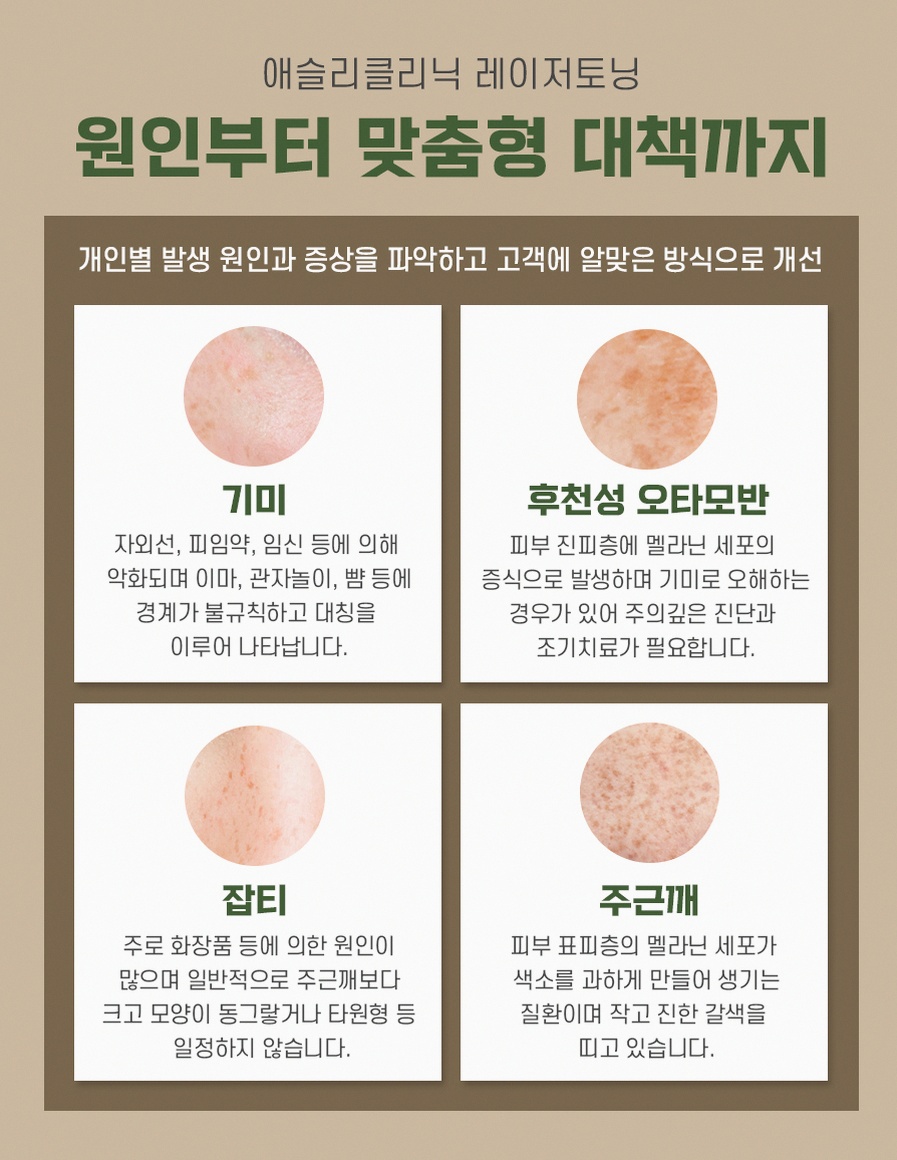
Pigmented or red marks after acne are not true scars in the structural sense, but they are very common. Brown spots are called post-inflammatory hyperpigmentation, and red marks are post-inflammatory erythema. Both can make skin look uneven even after active acne has calmed.
Stretch marks are linear streaks that appear when the skin stretches faster than it can adapt, such as during growth spurts, pregnancy, or weight changes. They can appear on the abdomen, thighs, hips, breasts, or arms.
Even older scars can usually be improved, because many treatments work by stimulating new collagen and remodeling the existing scar tissue. However, this process is gradual. Meaningful change usually requires a planned course of repeated sessions rather than a single treatment.
How Jamsil clinics typically approach scar treatment
When you visit a clinic in the Jamsil area for scar treatment, the first step is usually a detailed assessment. The doctor will look at the type of scar (depressed, raised, or mainly discoloration), its location, how long it has been present, and your overall skin type.
Depressed acne scars on the cheeks, for example, are often treated with resurfacing lasers, microneedling, and collagen-stimulating injectables. Raised surgical scars on the body may need a different strategy, with a focus on flattening and calming redness. Stretch marks often require a combination of energy-based devices and skin quality boosters.
Your skin type and sensitivity are also important. People with darker or easily pigmented skin need careful planning to reduce the risk of post-treatment darkening. If you have a history of keloid formation, this must be discussed before any procedure.
Most modern clinics in Jamsil do not rely on a single “magic” procedure. Instead, they combine several methods over time. For example, a plan might include fractional laser sessions, microneedling, and regenerative injectables spaced a few weeks apart, with topical care in between.
For international patients, this combination approach can be adapted to your travel schedule. Some treatments can be started during a short visit to Korea, with follow-up sessions planned for your next trip or continued at a clinic in your home country.
Non-surgical scar treatment methods
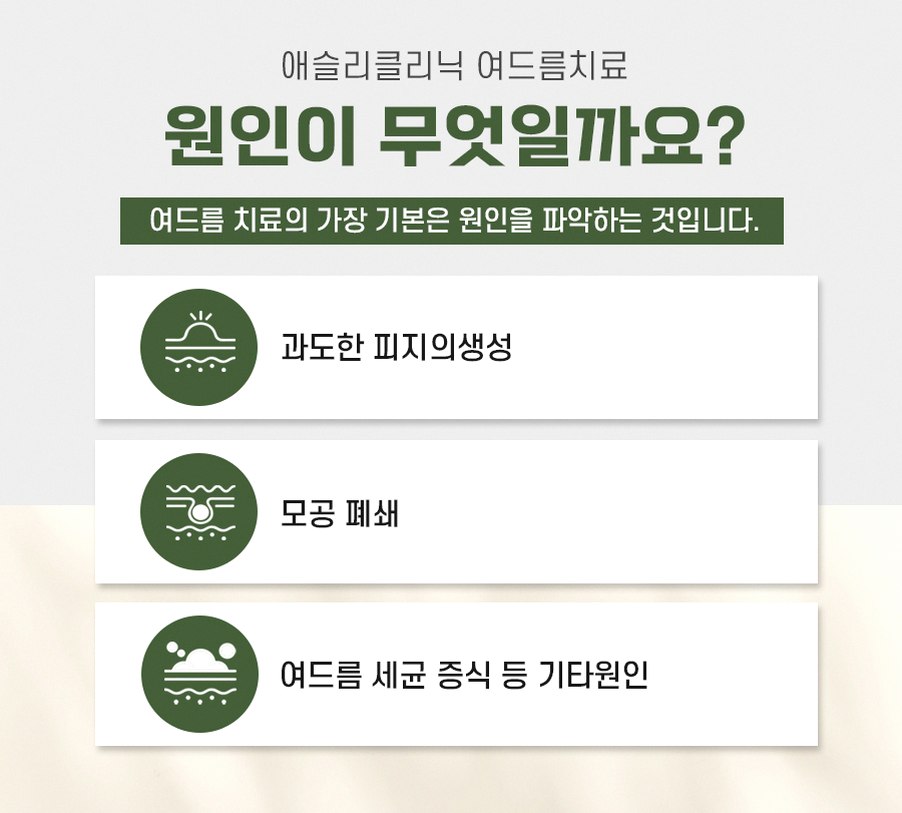
Laser and energy-based treatments
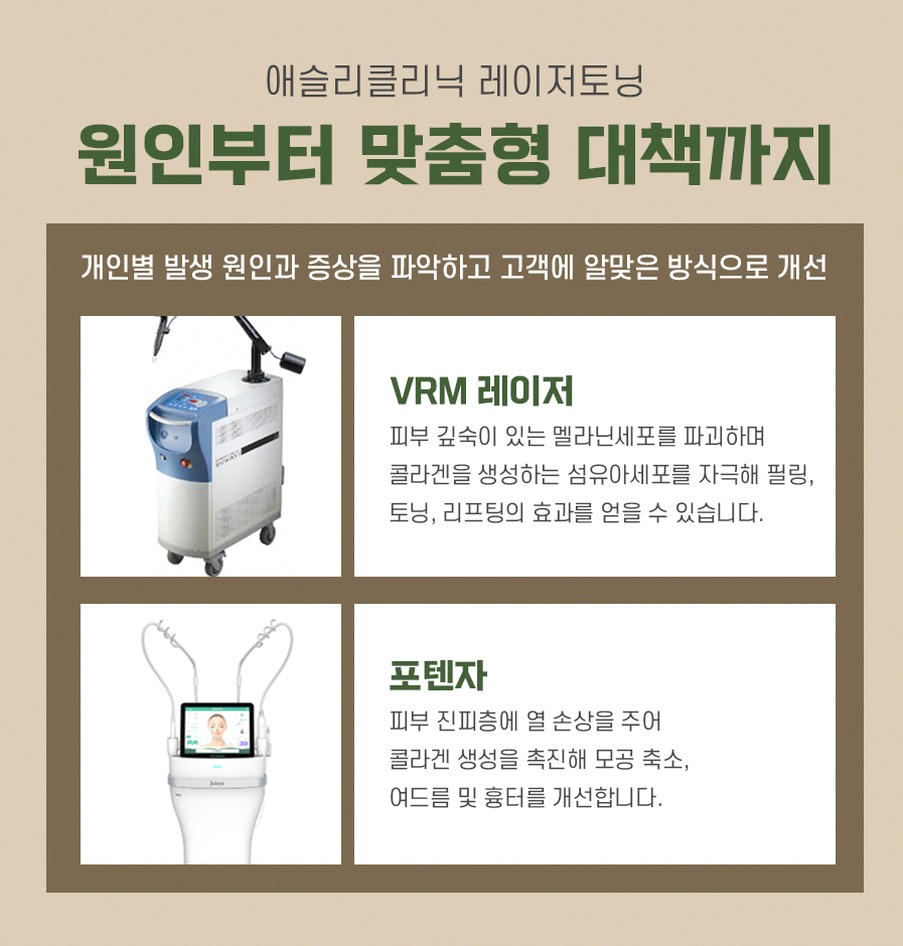
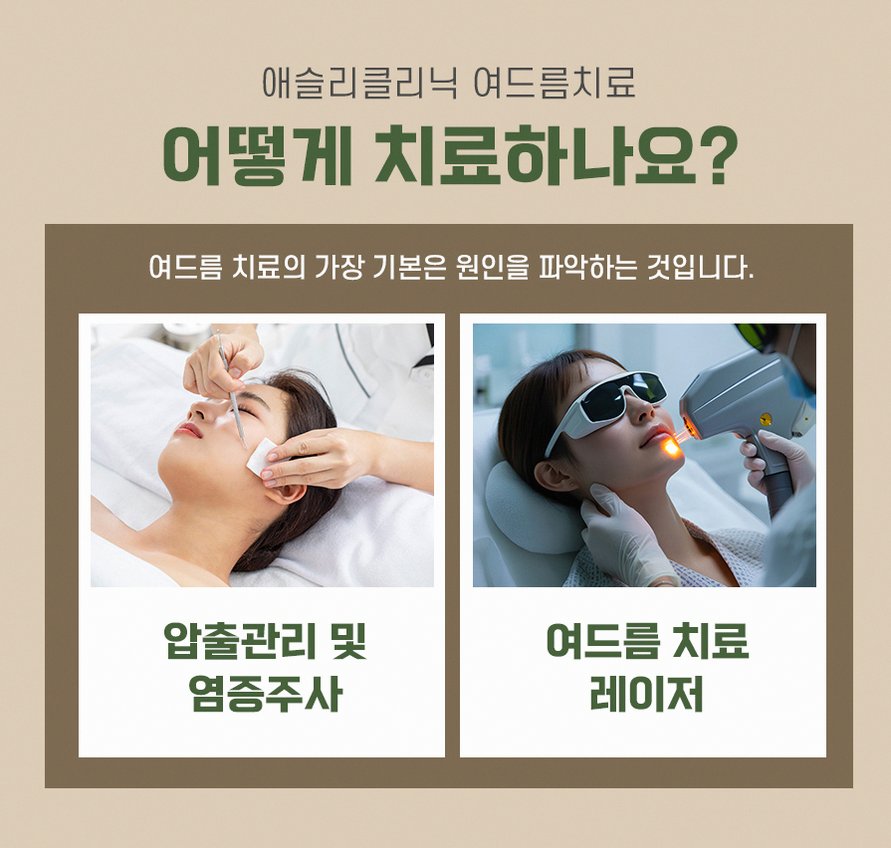
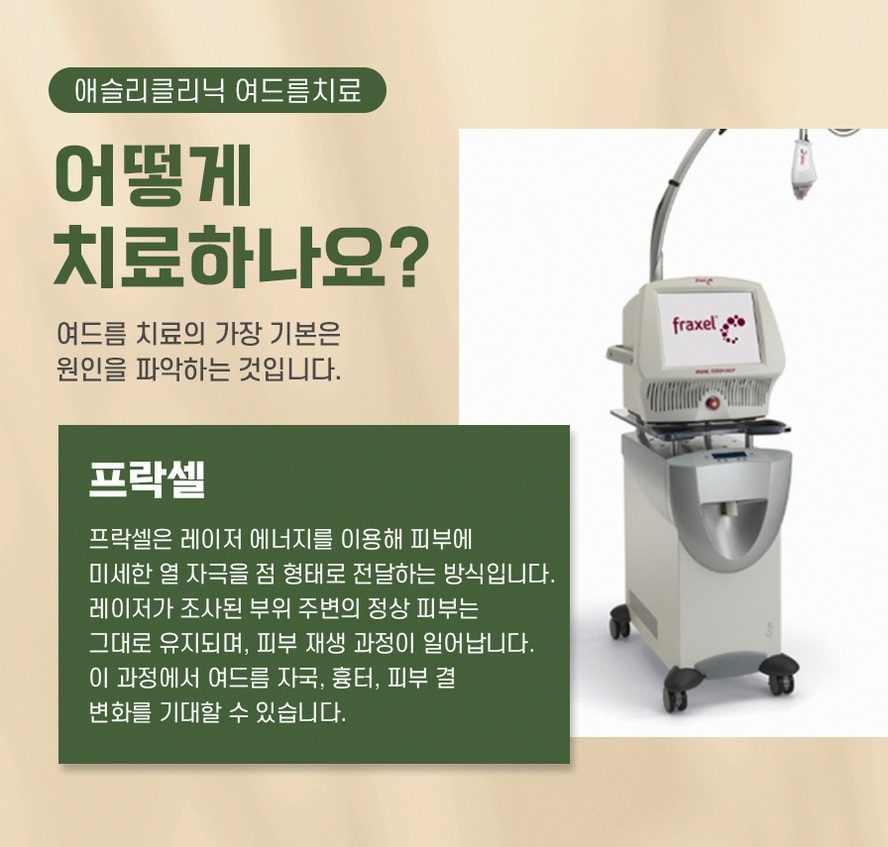
Fractional laser or similar fractional devices are commonly used for depressed acne scars and rough texture. These devices create controlled micro-columns of heat in the skin, triggering collagen remodeling while leaving surrounding tissue intact. After several sessions, the skin surface can appear smoother and the depth of pits can be reduced.
Toning-type lasers are gentler devices often used for red or brown marks after acne. They target pigment or blood vessels to help even out the skin tone without strong peeling. These are useful if your main concern is color rather than texture.
Radiofrequency-based devices deliver heat into the deeper layers of the skin to tighten tissue and stimulate collagen. They can be used alone or combined with microneedling for certain types of acne scars and stretch marks, especially when the goal is firmer, thicker skin around the scarred area.
Skin boosters and collagen stimulators
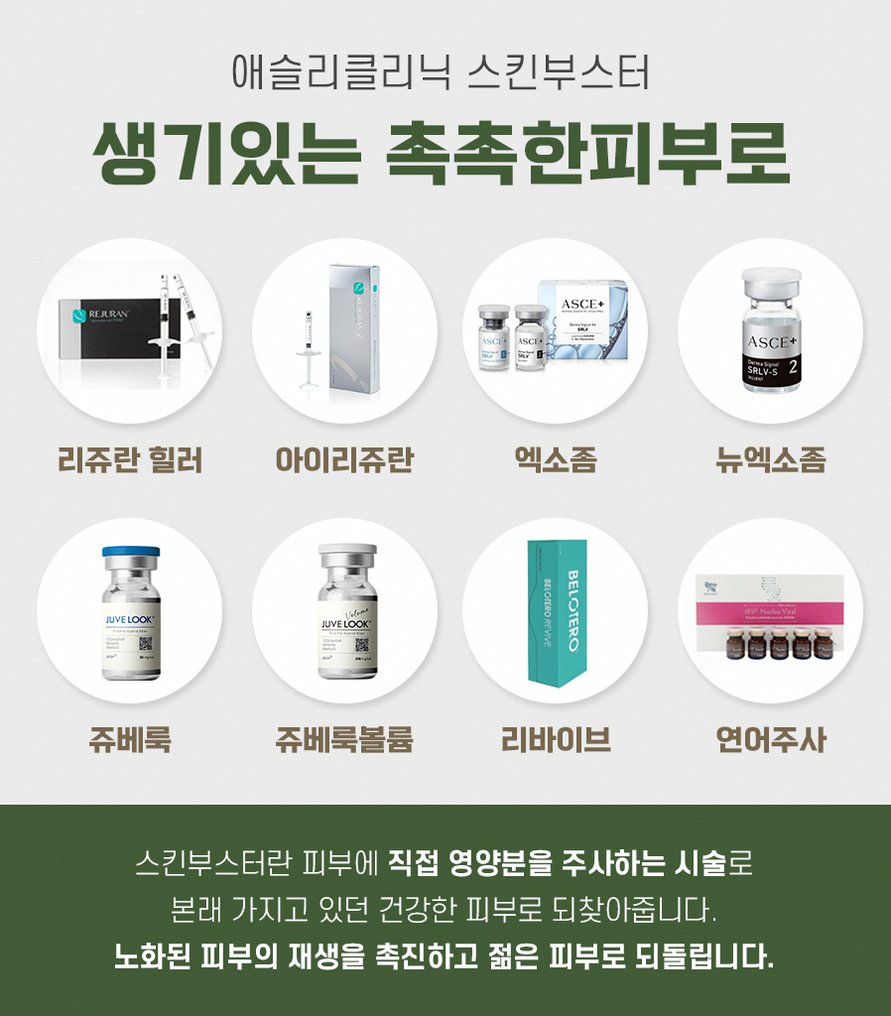
Regenerative injectables, including polynucleotide-based or other collagen-stimulating products, are used to improve skin quality around atrophic scars. Instead of simply filling up volume, they are designed to support natural collagen production and improve elasticity and hydration.
For acne scars, these injectables can be placed into the dermis of the cheeks or temples to help the skin gradually look more even and supple. For stretch marks, they may be injected along the lines to help the thinned skin become more resilient over time.
These treatments are usually done in a series, with several weeks between sessions, and are often combined with lasers or microneedling for a more complete effect.
Fillers for selected scars
Some sharply indented scars, such as deep “ice pick” or “boxcar” scars, may benefit from a small amount of filler placed under the scar to lift it closer to the surrounding skin level. This is usually reserved for specific scars rather than broad areas.
Fillers can provide relatively quick visual improvement for targeted spots, but they may need maintenance over time, depending on the product used and your individual metabolism.
Microneedling and related techniques
Microneedling uses very fine needles to create controlled micro-injuries in the skin. These tiny channels stimulate the natural healing response and collagen production. It can be performed with manual devices or automated pens, and sometimes combined with radiofrequency.
For acne scars and stretch marks, microneedling can gradually soften edges, improve texture, and help active ingredients penetrate better. Downtime is usually shorter than with stronger resurfacing lasers, making it attractive for busy office workers.
Topical and supportive care
Topical treatments are often underestimated but are an important part of scar management. Medical-grade creams and serums may be recommended to support healing, reduce pigmentation, and maintain results between procedures.
Silicone gels or sheets are commonly used for raised scars to help flatten and soften them over time. Consistent use over several months is usually needed.
Sun protection is essential for any scar treatment. Unprotected UV exposure can darken healing skin and reduce the benefit of procedures. A broad-spectrum sunscreen and avoidance of tanning are important before and after treatment.
Pain management and comfort
Many people hesitate to start scar treatment because they are worried about pain. In the Jamsil area, you can find clinics that place special emphasis on comfort and pain control.
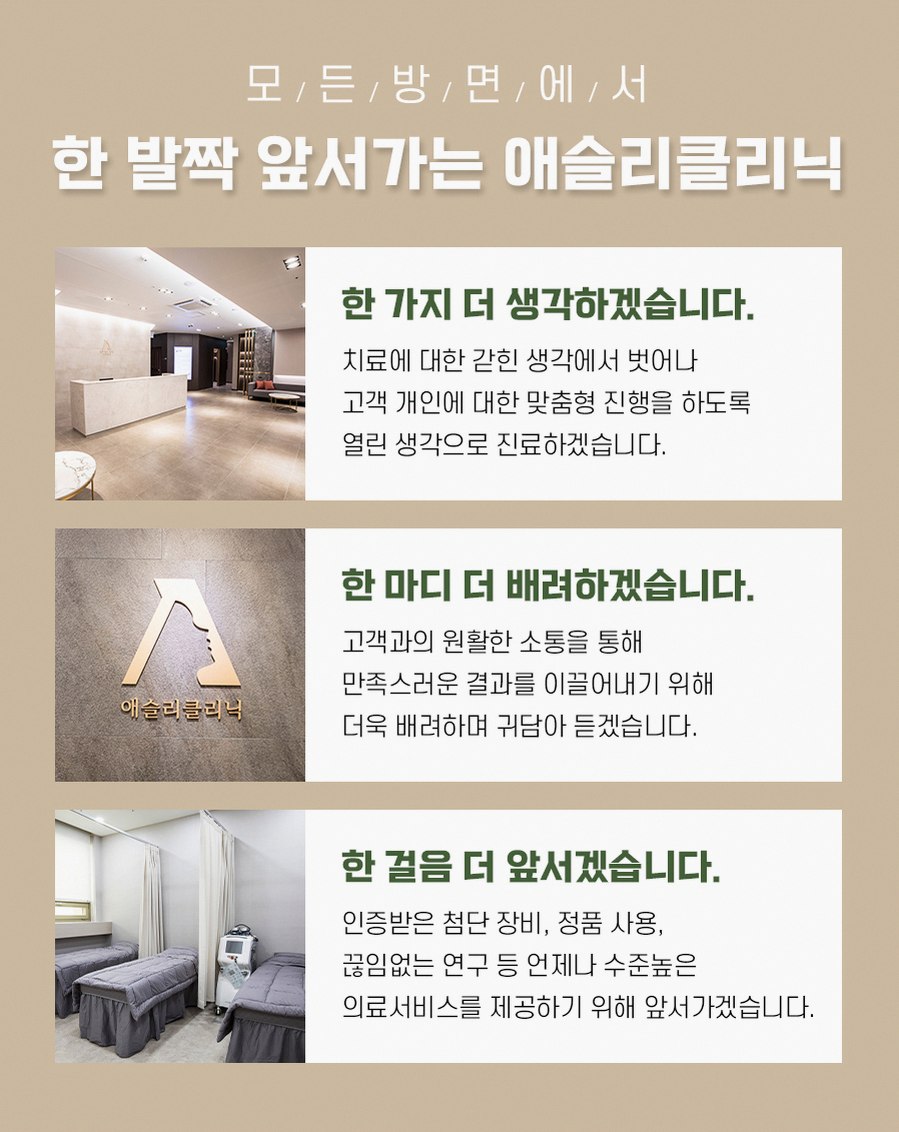
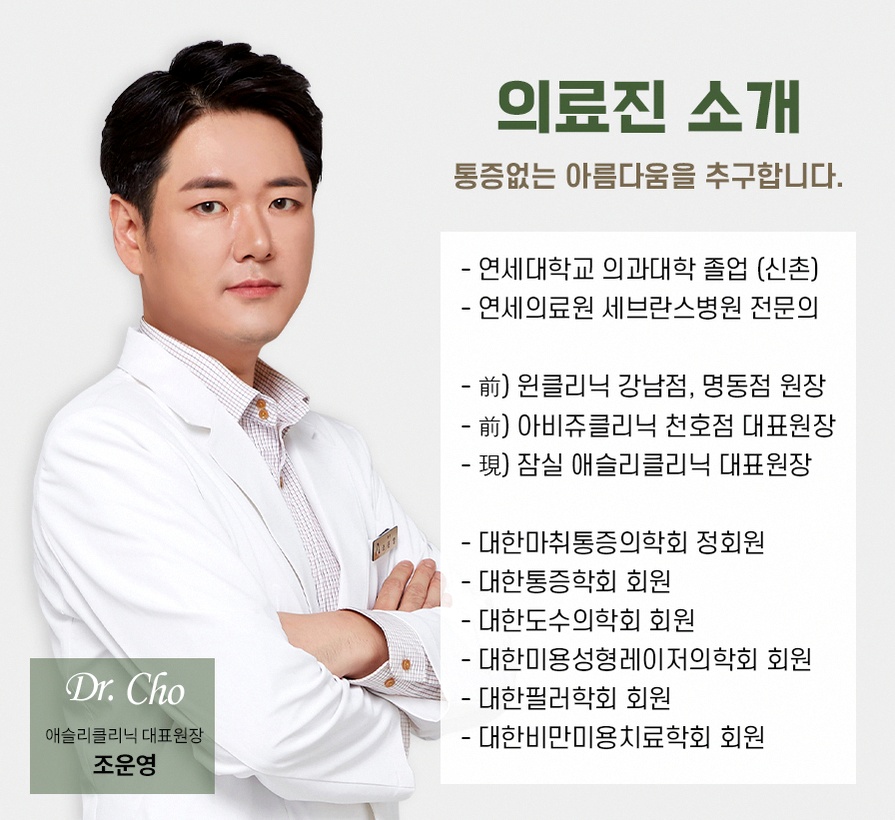
ATHLEY CLINIC, for example, is an aesthetic clinic in Songpa-gu where the lead doctor has a background in anesthesia and pain medicine and also runs a pain clinic. This type of experience can be applied directly to aesthetic procedures.
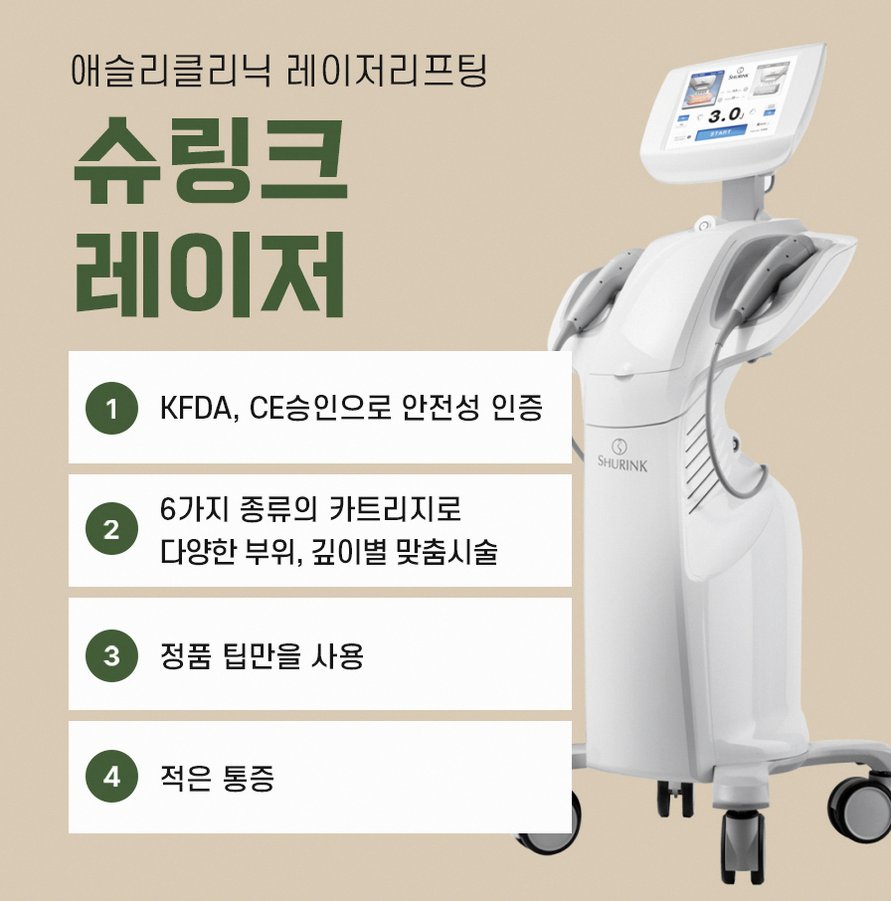
Before treatment, topical anesthetic cream is commonly applied to the area to reduce surface discomfort. For procedures that require injections, local anesthesia can be used to numb specific spots.
For patients who are very anxious or planning more intensive combined procedures, some clinics may offer monitored sedation as a separate option to help reduce discomfort during treatment. Sedation is performed under medical monitoring and carries risks; individual pain and tolerance vary, so discuss anesthesia options and potential risks during your consultation.
Pain management is usually planned individually. During your consultation, you can discuss your pain tolerance, past experiences with medical procedures, and any concerns. This allows the clinic to suggest the most suitable level of anesthesia or sedation for you.
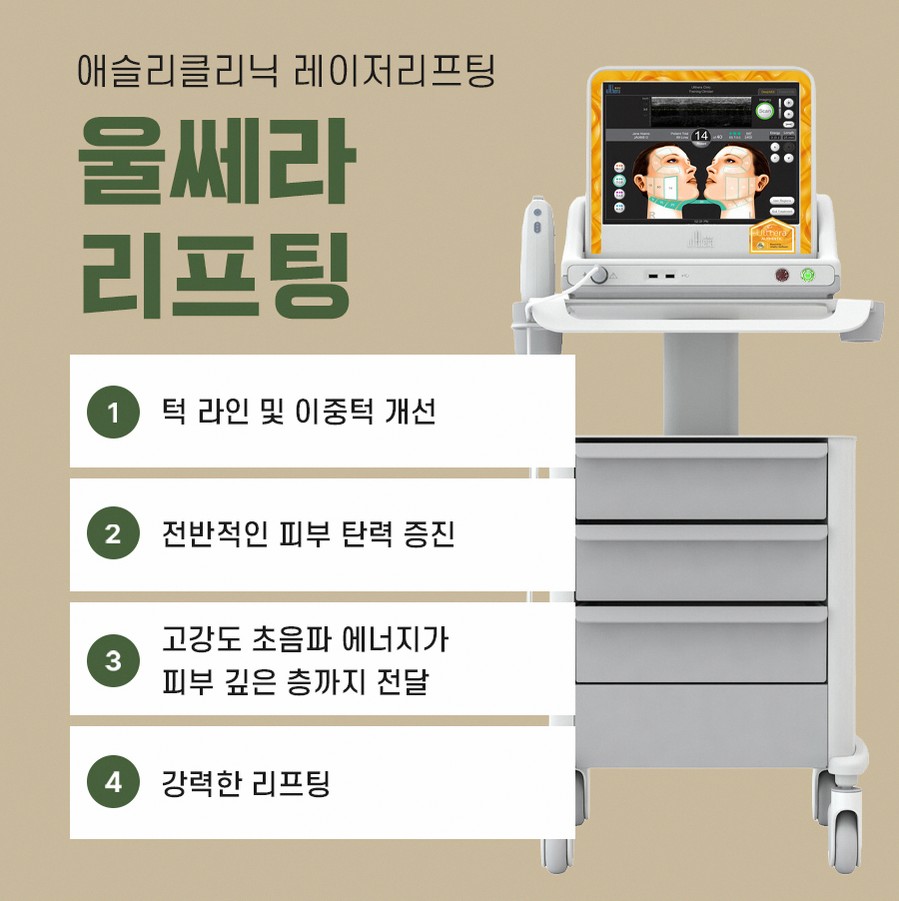
Customized planning and DIY-style programs
Scar treatment works best when it is tailored to your specific concerns rather than sold as a fixed one-size-fits-all package. Many Jamsil clinics now use a more flexible, program-style approach.
During a one-on-one consultation, the doctor will usually ask which scars bother you the most. For example, you may have both facial acne scars and an old surgical scar on the abdomen, but you might want to focus on the face first for social or professional reasons.

Based on your priorities, budget, and available time in Korea, a customized plan can be built. This might include a mix of fractional laser, toning laser, microneedling, skin boosters, and selective filler, arranged in a way that fits your schedule and tolerance for downtime.
Some clinics, including ATHLEY CLINIC, describe this as a DIY-style system, where patients can select focus areas and combine treatments under medical guidance. In practice, this means you can choose, for example, to treat only the cheeks and nose this trip, then add body stretch marks on a future visit.
For overseas patients, it is helpful to share your travel dates, how many days you can stay near Jamsil Station, and whether you can return to Korea in a few months. This allows the clinic to prioritize treatments that give visible benefit within your stay, while planning for longer-term improvement.
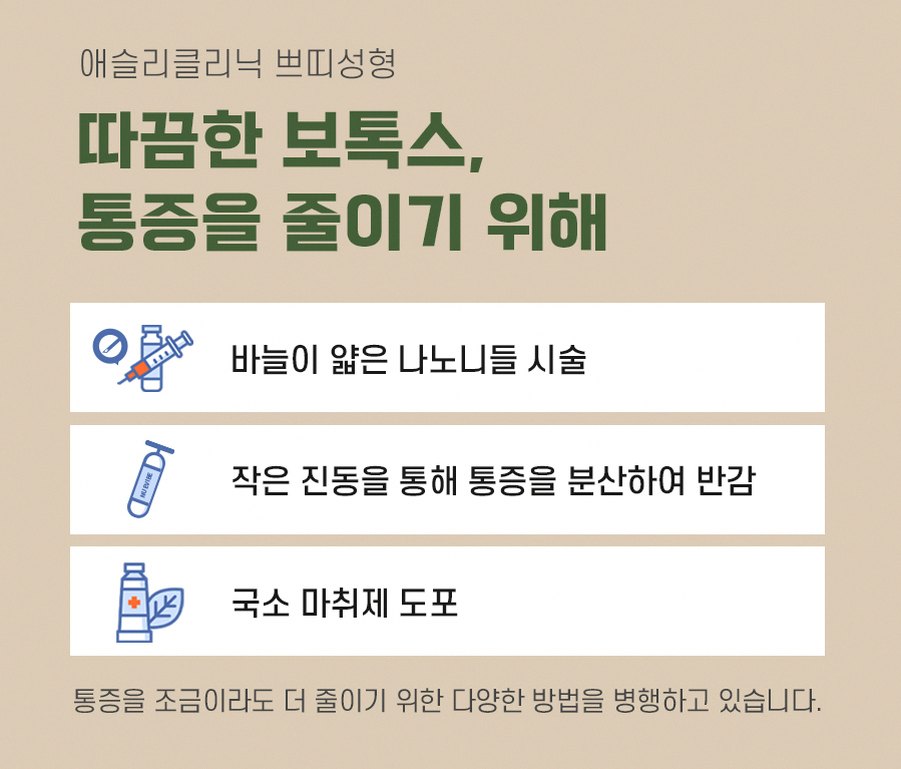
Who may consider Jamsil scar treatment
You may be a good candidate for non-surgical scar treatment in Jamsil if you:
Have long-standing acne scars that make you self-conscious in photos or at work.
Have visible surgical or trauma scars that show when you wear short sleeves or swimwear.
Have stretch marks that you would like to soften, even if complete removal is not possible.
Have tried only creams or home devices so far and want to explore medical options.
You should be generally healthy, without uncontrolled medical conditions in the treatment area. If you have a known tendency toward keloids, autoimmune disease, or are taking blood-thinning medications, you will need to discuss this in detail with the doctor.
Online consultation and pre-visit preparation
As an international patient, starting with an online consultation is helpful. Some clinics may offer English communication or interpretation services—confirm availability in advance when booking.
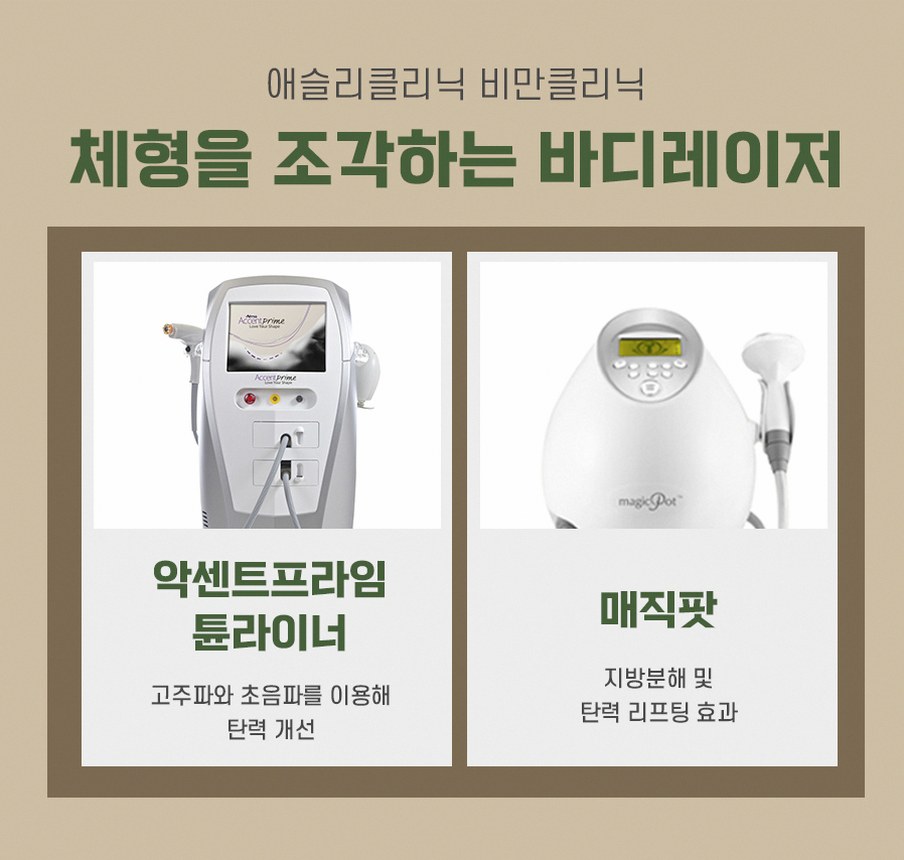
Before your online consultation, prepare the following:
Clear photos of your scars in good lighting, from several angles.
A brief history: when the scars appeared, any previous treatments, and how your skin usually reacts.
Information about your general health, medications, allergies, and any history of keloids.
Your planned travel dates, length of stay in Seoul, and how often you might return.
During the online consultation, you can ask about likely treatment options, approximate number of sessions recommended, expected downtime, and whether sedation might be useful for you. While exact plans are finalized after in-person examination, this first step helps you decide if the trip is worthwhile.
Expected Korea visit timeline for scar treatment
For a short trip of about 3 to 5 days, a typical schedule might look like this:
Day 1: In-person consultation near Jamsil Station, skin assessment, and patch testing if needed. Some mild treatments, such as toning laser or basic microneedling, may be possible on the same day.
Day 2 or 3: Main procedure session, such as fractional laser combined with skin boosters. You may experience redness or mild swelling afterward.
Day 3 to 5: Follow-up check if needed, guidance on skincare, and preparation for your flight home. Most people can travel with mild redness as long as they protect their skin from the sun.
If you plan a longer stay, additional sessions can be spaced several days apart, but in many cases, clinics will recommend intervals of several weeks between stronger treatments. In that case, you might have one main session during each trip to Korea.
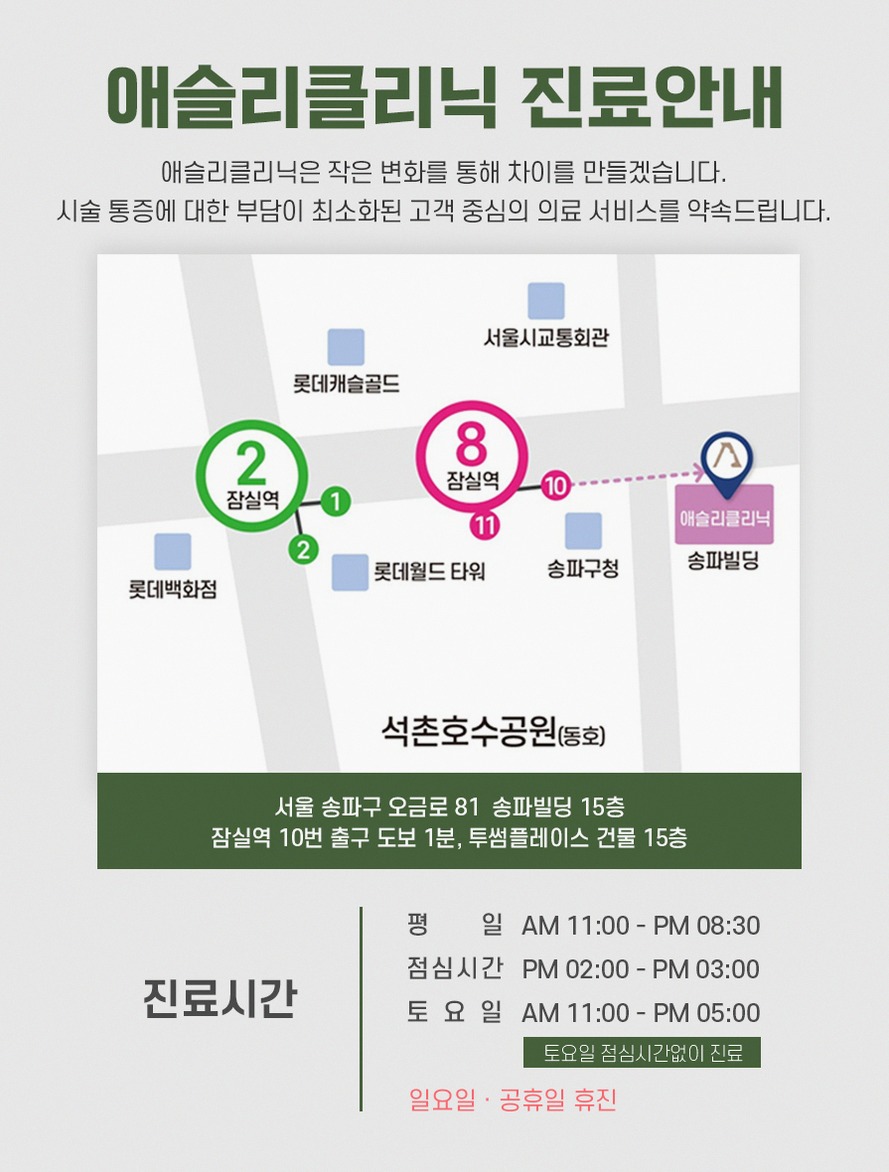
Because many Jamsil clinics, including ATHLEY CLINIC in the Seegene Songpa Building on Ogeum-ro, offer weekday evening hours until around 8:30 p.m. and Saturday daytime consultations, you can often schedule visits after sightseeing or work, without losing full days.
Aftercare and long-term maintenance
After scar procedures, you will receive specific aftercare instructions. These usually include:
Gentle cleansing with a mild cleanser, avoiding scrubs and harsh products.
Regular application of soothing creams or ointments recommended by the clinic.
Strict sun protection with a broad-spectrum sunscreen, hat, or mask when outdoors.
Avoiding picking at scabs or peeling skin, which can increase the risk of new marks.
Mild redness, swelling, or pinpoint scabs can appear after fractional laser or microneedling. These usually settle within several days, depending on the intensity of treatment. Many patients can return to normal daily activities quickly, but you may want to avoid important events for a few days after stronger procedures.
In the long term, maintaining a simple, consistent skincare routine and avoiding excessive sun exposure will help preserve your results. Some patients choose to have maintenance sessions once or twice a year when they visit Korea, especially for acne-prone or pigment-prone skin.
Safety, precautions, and who should be careful
Scar treatment is a medical procedure and should be performed by qualified doctors in a properly equipped clinic. It is important not to rely on unverified home devices or non-medical providers for aggressive treatments.

Before treatment, always disclose:
Any history of keloid or hypertrophic scarring.
Autoimmune or connective tissue diseases.
Use of blood-thinning medications or supplements.
Recent tanning, sunburn, or active skin infections.
If you have active acne, eczema, or other uncontrolled skin disease in the area, treatment may need to be postponed or modified. Pregnant or breastfeeding patients should also discuss timing and options with the doctor.
Avoid tanning and strong sun exposure before and after procedures, as this can increase the risk of pigmentation changes. Specific procedure-related risks vary: for injectables (fillers, botulinum toxin), common effects include bruising and swelling, with risks of infection and, rarely, vascular occlusion; for laser and high-frequency treatments, expected effects include temporary erythema or prolonged redness and a risk of post-inflammatory hyperpigmentation. Follow all post-procedure instructions carefully, discuss these risks during your consultation, and contact the clinic promptly if you experience unusual pain, prolonged redness, signs of infection, or other concerning symptoms.
FAQ about Jamsil scar treatment for international patients
How many sessions will I need for acne scars in Jamsil?
The number of sessions depends on the depth and type of your acne scars, as well as your skin type. Many patients see noticeable improvement after three to five sessions of fractional laser, microneedling, or combination therapy, spaced several weeks apart. Deeper or older scars may need a longer course. During your consultation, the doctor will outline a realistic plan based on your goals and travel schedule.
Is there a lot of downtime after scar treatment near Jamsil Station?
Downtime varies by procedure. Gentle toning lasers for red or brown marks usually have minimal downtime, with perhaps slight redness that settles quickly. Fractional lasers and microneedling can cause redness, swelling, and tiny scabs for several days. Most people can return to work or sightseeing with basic makeup and sun protection after a short recovery, but you should avoid intense exercise, saunas, and direct sun for a few days.
Can I start scar treatment during a single short trip to Korea?
Yes, you can usually start treatment during a single visit, especially if you plan ahead with an online consultation. Many international patients have an initial consultation and first session during a 3 to 5 day stay. However, for best results, multiple sessions are recommended, so you may need to plan follow-up visits to Korea or continue care in your home country under guidance from the original clinic.
How do I choose a scar treatment clinic in Jamsil as an overseas patient?
When comparing clinics, consider location and accessibility from Jamsil Station, especially if you prefer to visit after work or in the evening. Check whether the clinic offers a range of devices and treatments for scars, such as different lasers, microneedling, and skin boosters, as this allows more tailored care. Look at the medical staff’s experience with aesthetic procedures and, when available, pain and sedation management. It is also helpful to see whether the clinic provides clear explanations, written information, and medically reviewed content on its website. ATHLEY CLINIC, for example, is located about one minute from Jamsil Station Exit 10 and combines aesthetic services with a pain clinic, which can be reassuring for patients concerned about discomfort.
Soft call to action for online consultation
If you are considering Jamsil scar treatment and would like to know whether your acne scars, surgical marks, or stretch marks can be improved during a visit to Seoul, an online consultation is a practical first step. By sharing photos, your medical history, and your planned travel dates, you can receive a personalized outline of possible treatments, expected sessions, and downtime before you book flights.
Reaching out in advance can help you use your time in Korea efficiently and start a realistic, step-by-step plan for smoother, more even-looking skin.

- 공유 링크 만들기
- X
- 이메일
- 기타 앱


댓글
댓글 쓰기