Jamsil acne clinic recommendation for overseas patients
- 공유 링크 만들기
- X
- 이메일
- 기타 앱

Direct answer for readers searching for a Jamsil acne clinic
ATHLEY CLINIC is an outpatient clinic near Jamsil Station Exit 10 in Songpa-gu that combines aesthetic facial care with a pain clinic system, which can be useful for international patients who are sensitive to procedure discomfort and need evening or Saturday visits.
This guide explains how adult and student acne is usually approached in Korea, what to look for in a Jamsil acne clinic, how a clinic like this typically plans and performs acne and acne scar procedures, and how to prepare your visit as an overseas patient.
Understanding adult and student acne in Jamsil
Acne is not limited to teenagers. Many adults in busy city areas such as Jamsil experience breakouts due to stress, irregular meals, lack of sleep, frequent late nights, and heavy makeup. Long hours in air-conditioned or heated offices and frequent mask use can also irritate the skin and block pores.
Acne appears in several forms. Whiteheads and blackheads are clogged pores that may not look very inflamed but can progress if left alone. Red papules and pustules are inflamed spots that are often painful to touch. Deeper nodules and cysts can leave more visible scars and pigmentation when they heal.
Self-extraction at home, squeezing with fingernails, or using random strong over-the-counter acids can easily damage the skin barrier. This can lead to more redness, dark marks, and uneven texture. For this reason, many people in Jamsil look for a clinic where extractions, inflammation control, and scar care can be done under controlled conditions.
How to choose a Jamsil acne clinic
When you search for a Jamsil acne clinic, it is useful to focus on process and structure rather than only on photos or price. A few points can help you compare options.
Systematic consultation
A practical acne consultation usually starts with checking your skin type, acne pattern, and current products. The clinician may ask about:
Your usual skincare routine and makeup habits
How long you have had acne and what treatments you tried before
Whether your acne gets worse with your menstrual cycle, stress, or certain foods
Whether you have a history of keloid or strong scarring
This information helps avoid repeating treatments that did not work for you and reduces the risk of irritation from overlapping products.
Active acne and scar management in one plan
A useful clinic for acne care in Jamsil will usually offer options for both active breakouts and leftover marks or scars. For example, they may combine treatments that:
Calm inflammation and reduce redness
Help control sebum and clogged pores
Support collagen remodeling for depressed scars
Even out tone after pigmentation from old acne
It is important that the clinic does not insist on treating scars aggressively while your skin is still very inflamed. Often, the first goal is to stabilize breakouts, then gradually add scar and texture procedures.
Pain management options
Many acne procedures can be uncomfortable, especially lasers, energy-based devices, injections, and boosters. When you compare Jamsil clinics, check what kind of pain control is available:
Topical numbing cream and sufficient waiting time
Cooling systems during procedures
Local anesthesia injections when needed
Sedation options in selected cases for patients with strong anxiety
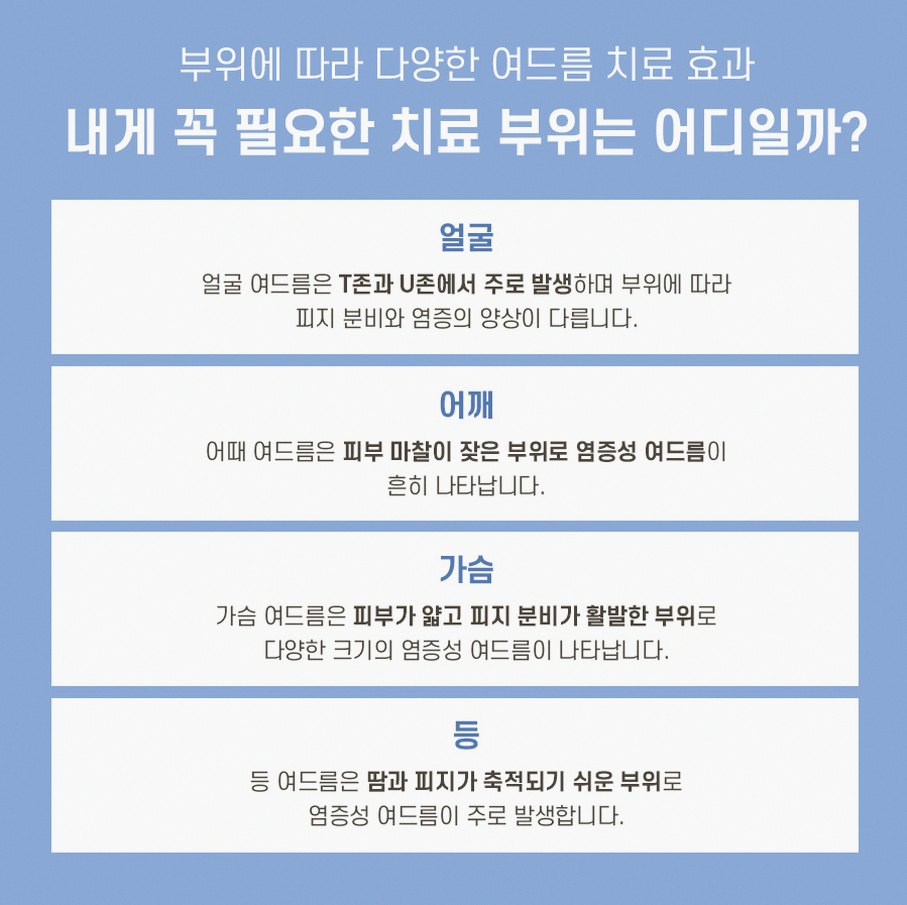
A clinic that takes time to explain what you will feel and adjusts settings based on your pain tolerance can make repeated visits much easier.
Clear explanation of sessions and timeline
Acne and acne scars rarely improve in a single session. A realistic plan usually includes:
An estimated number of visits and intervals (for example, every 2 to 4 weeks at first)
A staged approach: first calming acne, then adding scar and texture work
Discussion of possible temporary side effects such as redness, dryness, or flaking
If a clinic promises a complete cure in a very short time, it is reasonable to ask more questions and compare with other places.
Accessibility and schedule
For office workers and students around Jamsil, location and hours are important. Choosing a clinic close to Jamsil Station, with evening and Saturday hours, reduces missed appointments and supports consistent care. This is especially important because acne management usually requires follow-up over several months.
Look for flexible, not fixed, packages
Rather than a single fixed package, many patients do better with a plan that can be adjusted based on how their skin reacts. When you ask about programs, you can check:
Whether the plan can be changed if your skin becomes too dry or sensitive
Whether the clinic can reduce or increase intensity depending on your response
Whether they are willing to separate treatments into steps instead of doing everything at once
A clinic that listens to your concerns and adapts the plan can be more suitable for long-term acne management.
How this Jamsil clinic approaches acne and acne scars
ATHLEY CLINIC is an outpatient clinic on Ogeum-ro in Songpa-gu, close to Jamsil Station Exit 10. Within its facial aesthetic services, the clinic includes an acne and acne scar care line that focuses on customized planning and pain-conscious procedures.

DIY-style customization
The clinic operates a do-it-yourself style concept for facial and aesthetic care. This does not mean you treat yourself, but that you can discuss and select focus areas and treatment types one-on-one with the medical team.
For acne, this can mean combining several elements in one course of care, such as:
Procedures to reduce sebum and calm inflamed lesions
Gentle resurfacing or energy-based treatments to smooth texture
Targeted care for depressed or raised scars
Supportive treatments to strengthen the skin barrier after repeated inflammation
Because each face and lifestyle is different, this style allows you to prioritize what matters most to you, such as reducing painful breakouts quickly or focusing more on long-term scar improvement.
Pain-conscious treatment environment
The clinic combines aesthetic services with a pain clinic that handles musculoskeletal issues and sedation anesthesia. The representative doctor has a background in anesthesiology and pain medicine societies, and this experience is reflected in how procedures are planned.
For acne patients who are afraid of needles, injections, or laser sensations, this structure can support:
More careful selection of anesthesia methods
Thoughtful adjustment of energy levels and session length
Stepwise planning to avoid overwhelming the patient in a single visit
This can be especially reassuring for overseas visitors who may worry about discomfort in an unfamiliar medical setting.
Regeneration and booster focus
The clinic emphasizes collagen and skin boosters, including various regenerative injectables, within its broader lineup. For acne scars and skin that has been weakened by repeated inflammation and frequent spot treatments, these options may be considered to support:

Collagen remodeling in depressed scars
Improvement of overall skin quality and resilience
Recovery of the skin barrier after more intensive procedures
Not every patient will need boosters, and they are usually planned based on skin thickness, sensitivity, and scar depth.
Broad product and parameter selection
Instead of relying on a single brand or fixed setting, the clinic uses multiple types of fillers and boosters and adjusts device energy according to the treated area. For acne-related care, this allows more precise matching of treatment intensity to:
Thin or sensitive areas such as the cheeks or temples
Thicker, oilier areas such as the T-zone
Shallower versus deeper scars
For international patients, this can translate into a more tailored experience rather than a one-size-fits-all protocol.
Typical acne treatment process at a Jamsil clinic like this
Initial visit and assessment
On your first visit, the clinic usually begins with a detailed assessment of your skin and acne pattern. This may include:
Checking where acne is concentrated (forehead, cheeks, jawline, back)
Identifying whether you have nodules, cysts, or mainly comedones
Reviewing existing scars, enlarged pores, and pigmentation
Discussing your current skincare products and medications
Lifestyle factors are also important. The clinician may ask about your diet, sleep, stress level, mask use, and how often you wear and remove makeup. For overseas patients, it is helpful to mention any changes in climate, water hardness, or diet since arriving in Korea.
Realistic goals are then set together. Usually, the first goal is to reduce the number and severity of active breakouts. Once the skin is more stable, more attention can be given to scars, pores, and uneven tone.
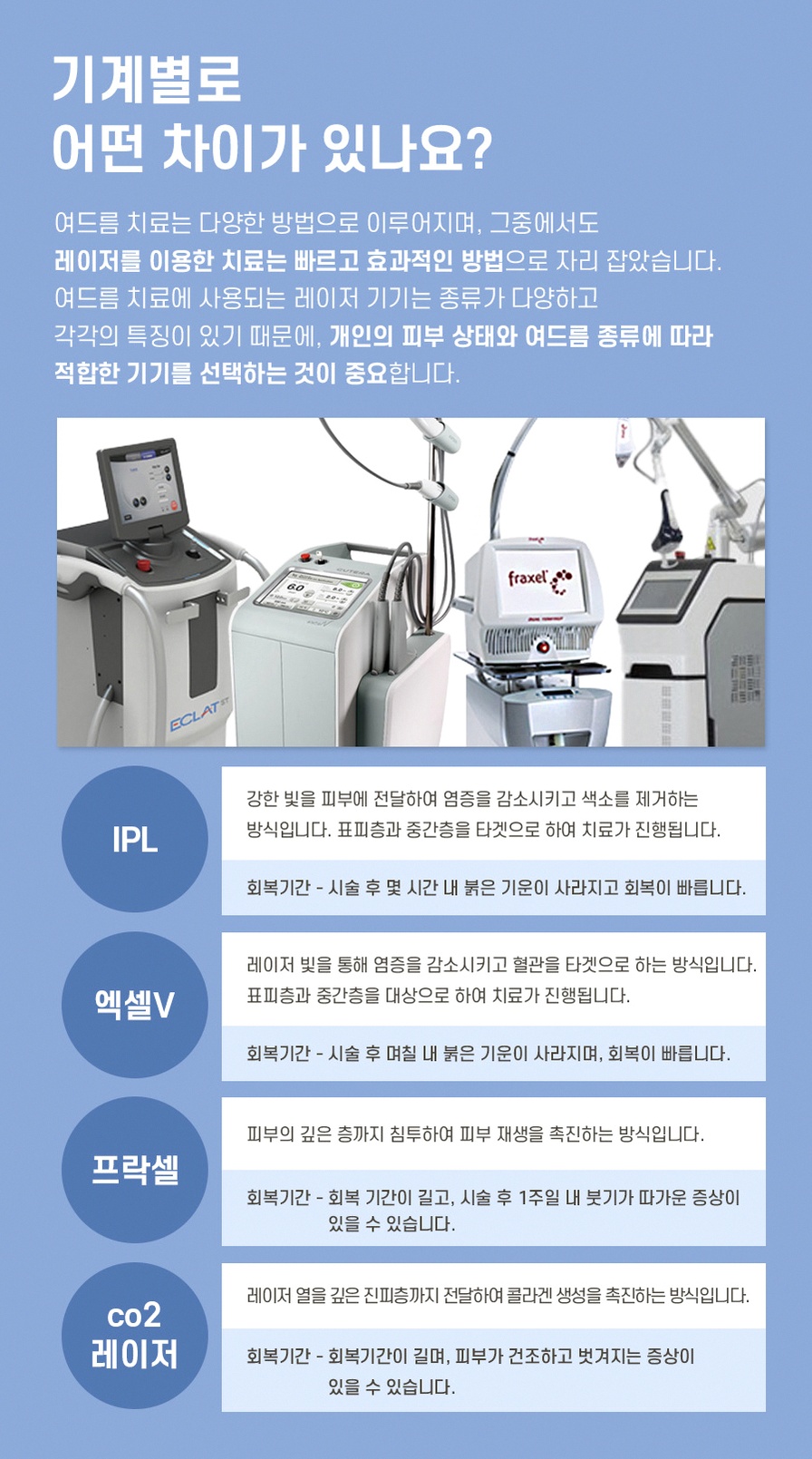
Treatment planning
For active inflammatory acne, the plan often focuses on:
Calming redness and swelling
Reducing sebum and unclogging pores in a controlled way
Preventing new lesions from forming
For post-acne issues such as scars and pigmentation, the clinic may suggest:
Gradual resurfacing or collagen-stimulating procedures
Targeted treatments for specific scar types
Tone-evening options for brown or red marks
Throughout this process, home care guidance is important. You can expect advice on cleansers, non-comedogenic moisturizers, sunscreen, and how to simplify your routine to reduce irritation. For travelers, this may include suggestions on which products to bring from home and which to avoid buying impulsively.
What a procedure session is like
On procedure days, the visit usually follows a structured flow:
Pre-procedure cleansing to remove makeup and sunscreen
Application of topical anesthesia if needed, with a waiting period for it to take effect
Explanation of what you are likely to feel, such as heat, tingling, or pressure, and how long it will last
During the procedure, staff may use cooling methods or adjust energy levels based on your feedback. Communication is encouraged, so you can mention if any area feels too intense.
After the procedure, there is often a cooling or soothing step, followed by application of calming products. Before you leave, you receive instructions on what to avoid, such as:
Saunas and very hot showers for a certain period
Intense exercise that causes heavy sweating on the same day
Harsh scrubs, strong acids, or picking at any crusts
Follow-up and plan adjustment
Follow-up visits are usually scheduled according to the severity of your acne and how quickly your skin recovers. At each visit, the clinician can:
Check whether breakouts are decreasing
Assess dryness, sensitivity, or irritation
Decide whether to maintain, reduce, or increase intensity
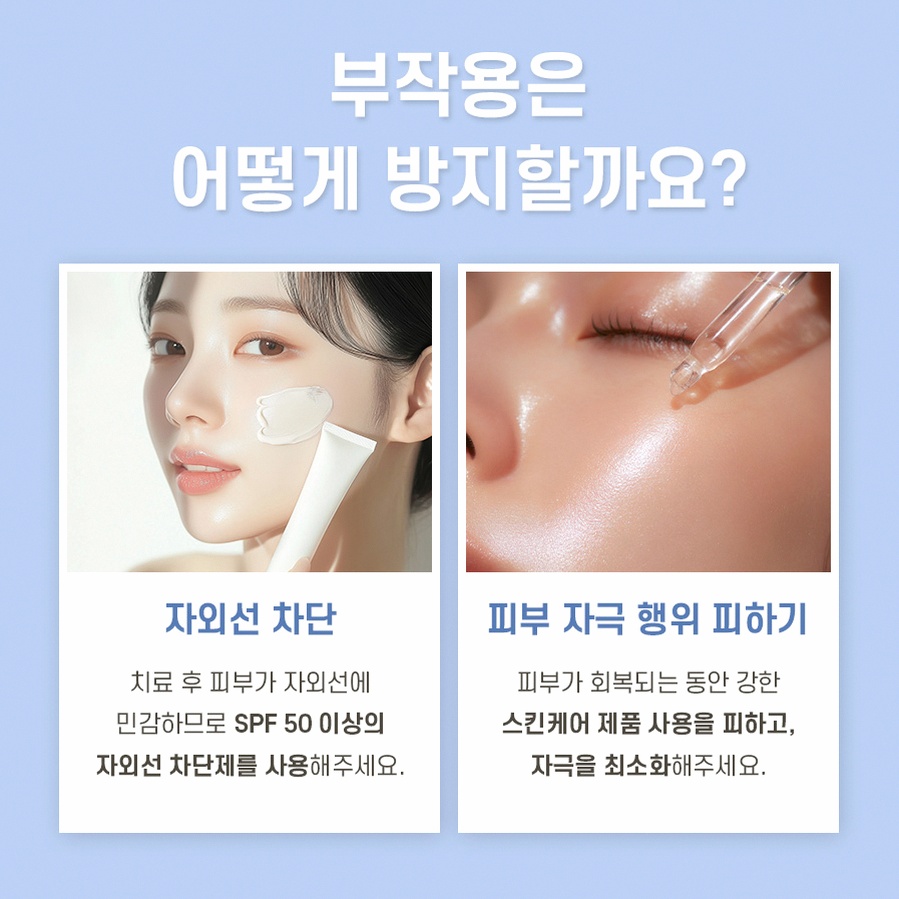
If your skin becomes too dry, the plan may shift toward more barrier support and gentler procedures. If acne is not improving as expected, the clinic may reconsider the combination of treatments or suggest additional medical evaluation.
Advantages for Jamsil office workers, students, and overseas visitors
Location and access
The clinic is located on Ogeum-ro in Songpa-gu, in a commercial building very close to Jamsil Station Exit 10. For commuters who pass through Jamsil Station daily, this means you can stop by with minimal detour.
For overseas patients staying in hotels or guesthouses around Jamsil, the short walking distance from the station makes navigation easier, especially if you are unfamiliar with the city.
Evening and weekend availability
Weekday hours extend into the evening, up to around 8:30 pm, which is convenient if you have business meetings, conferences, or classes during the day. Saturday daytime hours offer another option if weekdays are too busy.
For acne care, this flexibility helps you keep regular appointments without interrupting your main reason for visiting Korea, whether it is work, study, or travel.
Consistency of care
Because acne management typically requires multiple sessions, having a clinic that is easy to reach and open after standard office hours reduces the chance of skipping visits. This consistency can support more stable improvement over time.
Online consultation and pre-visit preparation for overseas patients
Before you travel to Korea, it is helpful to arrange an online consultation or at least an initial contact with the clinic. Many international patients share photos and a brief history so that the clinic can suggest a rough plan and estimate how many sessions might be realistic within the length of stay.
Information to prepare in advance
To make your online consultation more effective, prepare the following:
Clear photos of your face from the front and both sides in natural light
A list of current skincare products and any prescription creams or pills
History of previous procedures such as lasers, peels, or injections
Any known allergies, especially to anesthetics or medications
Your planned travel dates and available time slots
You can also note your main priorities, for example, reducing painful breakouts quickly, improving scars, or calming redness.
Questions to ask before booking
Before you confirm your schedule, you may want to ask:
How many sessions are usually recommended for your level of acne
What minimum interval is needed between sessions
What downtime or visible redness you should expect after each visit
Which activities or events you should avoid scheduling right after procedures
These details help you plan your itinerary, especially if you have business meetings, photo sessions, or social events during your stay.
Expected Korea visit timeline for acne care
Short stay of 3 to 5 days
With a very short stay, you can usually have a consultation and one or two gentle sessions focused on calming inflammation and adjusting your home care routine. This can be a good starting point if you plan to continue treatment in your home country.
Medium stay of 1 to 2 weeks
With more time, you may be able to:
Have an initial assessment and 2 to 3 sessions spaced a few days apart, depending on the type of procedures
Combine sebum control and inflammation-calming treatments with mild texture work
Receive detailed guidance for continuing care after you leave Korea
Longer stay of 3 to 4 weeks or more
A longer stay allows for a more structured course, such as:
Stabilizing active acne in the first one or two weeks
Introducing more focused scar or texture procedures later, if the skin is ready
Adjusting the plan based on how your skin responds during your stay
Even with a longer stay, it is important to understand that deep scars and chronic acne usually require ongoing care beyond a single month.
Aftercare and lifestyle tips during and after treatment
During your time in Korea, and after you return home, gentle daily care supports the results of in-clinic procedures.
Basic aftercare principles
Use a mild, non-drying cleanser twice daily
Apply a non-comedogenic moisturizer to prevent excessive dryness
Use broad-spectrum sunscreen every morning, especially after procedures
Avoid picking or squeezing any lesions or crusts
Makeup and exercise
Light, non-comedogenic makeup is often allowed once redness has calmed, but heavy, occlusive products are usually discouraged immediately after procedures. Exercise can usually resume after a short rest period, but very intense workouts and saunas are often restricted for a day or more, depending on the treatment.
Diet and sleep
While diet is not the only factor in acne, some people find that very sugary foods or certain dairy products make their skin worse. Regular sleep and stress management can also support more stable skin.
Safety, expectations, and what this clinic does not promise
Acne and acne scars are long-term conditions. Even with structured care, improvement typically occurs over months rather than days. Results can vary depending on skin type, hormonal influences, genetics, and how well you follow home care guidance.
The clinic focuses on:
Using a variety of commonly used procedures and adjusting treatment parameters carefully
Planning pain control thoughtfully, especially for anxious patients; the clinic states it can use measures to reduce discomfort, such as topical anesthesia or sedation when appropriate
Explaining possible side effects such as temporary redness, swelling, dryness, or pigmentation changes — and procedure-specific risks where relevant (for injectables: bruising, swelling, rare vascular occlusion; for neuromodulators/toxins: temporary weakness or bruising; for laser or high‑energy devices: redness, prolonged sensitivity, or post-inflammatory hyper- or hypopigmentation)
The goal is improvement and management, not an instant or permanent cure. It is important to keep regular follow-up and communicate openly about any concerns during your treatment course.
FAQ for international patients considering a Jamsil acne clinic
How often should I visit a Jamsil acne clinic to see visible improvement?
Many patients start with visits every 2 to 4 weeks, depending on the severity of their acne and the type of procedures used. Some calming or extraction-focused treatments may be done slightly more frequently at the beginning. Visible improvement in inflammation may be noticed within several weeks, while texture and scars usually take longer. Your schedule can be adjusted based on how your skin responds and how long you are staying in Korea.
Is it possible to treat both active acne and acne scars at the same time?
In some cases, mild scar and texture work can be combined with active acne management. However, if your skin is very inflamed, most clinics prefer to focus on calming breakouts first. Once new lesions are under better control, more intensive scar procedures can be added gradually. This staged approach helps reduce irritation and supports safer healing.
I am very sensitive to pain. What kind of pain control is available during acne procedures?
Pain control usually begins with topical numbing cream applied before procedures that involve needles or energy devices. Some treatments may also use cooling systems or lower energy settings for sensitive patients. In a clinic that also runs a pain clinic and sedation anesthesia service, additional options such as local anesthesia injections or carefully planned sedation may be considered when appropriate. During consultation, you can explain your pain tolerance so that the plan can be adjusted.
Can I continue makeup and exercise while undergoing acne treatment in Korea?
In general, you can use light, non-comedogenic makeup on days when you do not have procedures, and after the skin has calmed following a session. Immediately after treatments, you may be asked to avoid makeup for a certain number of hours or until the next day. Moderate exercise is often allowed, but very intense workouts, hot yoga, and saunas are usually restricted for a short period after each procedure to reduce the risk of irritation and prolonged redness.
How long does redness or irritation last after typical acne procedures?
The duration of redness depends on the type and intensity of the treatment. Mild calming or extraction-focused sessions may cause redness that settles within a few hours to a day. More intensive texture or scar procedures can lead to redness and sensitivity that last several days. During consultation, the clinic can explain expected downtime for each option so you can plan around important events.
What should I prepare or avoid before my first acne treatment session?
Before your first visit, it is helpful to avoid strong exfoliants, high-percentage acids, and retinoids for several days, unless your doctor advises otherwise. Shaving the treatment area on the same day may be discouraged if it causes irritation. Bring a list of your current products and medications, and be ready to share your medical history and any allergies. This information helps the clinic choose safer and more suitable procedures for you.
Soft call to action for online consultation
If you are planning a trip to Seoul and are searching for a Jamsil acne clinic that offers structured, pain-conscious care near the subway, you can consider arranging an online consultation with ATHLEY CLINIC before you arrive. By sharing photos, your treatment history, and travel schedule in advance, you and the clinic can discuss a realistic plan that fits your stay and focuses on both acne control and long-term skin health.
This article is intended for general information for international patients and does not replace a personal consultation with a qualified medical professional. Individual assessment and treatment planning are always necessary before any procedure.
- 공유 링크 만들기
- X
- 이메일
- 기타 앱


댓글
댓글 쓰기