HIFU vs Thread for Short Visits to Korea
- 공유 링크 만들기
- X
- 이메일
- 기타 앱

Direct answer summary
If you are looking for a lifting treatment near Jamsil Station, you will mainly be choosing between non‑surgical options such as energy‑based lifting (HIFU and radiofrequency) and thread lifting. Around Jamsil Station in Songpa‑gu, several clinics offer these procedures, including clinics like ATHLEY CLINIC, which is located about one minute on foot from Jamsil Station Exit 10 and provides lifting within a wider anti‑aging program. For overseas patients, it is important to understand the types of lifting, pain control options, expected recovery time, and how to plan a short visit to Korea.
This guide explains the main non‑surgical lifting options available near Jamsil Station, who they are suitable for, how to prepare from overseas, what kind of schedule you can expect during your stay, and what to ask during online consultation before you travel.
What non‑surgical lifting means
Non‑surgical facial lifting refers to improving sagging skin, blurred jawlines, and fine wrinkles without cutting the skin as in surgery. Instead, it uses energy devices or absorbable threads to tighten and support the tissues.
Energy‑based lifting includes high‑intensity focused ultrasound (HIFU) and radiofrequency (RF). These devices deliver heat into the deeper layers of the skin and supporting structures to stimulate collagen and cause tightening over time.
Thread lifting uses thin absorbable threads placed under the skin through small entry points. The threads mechanically lift sagging tissues and also trigger collagen production as they slowly dissolve.
These methods are commonly used for concerns such as sagging cheeks, deepening nasolabial folds, early jowls, loss of jawline definition, and mild neck sagging. They are often chosen by people who want visible improvement but cannot take long time off work or travel.
Main types of lifting near Jamsil Station
Energy‑based lifting devices
In clinics around Jamsil Station, you will often see the following devices listed on treatment menus.
Thermage
Thermage is a monopolar radiofrequency device. It delivers RF energy into the deeper dermis to tighten collagen fibers and stimulate new collagen production. It is often used for overall facial tightening, jawline definition, and sometimes around the eyes.
Patients usually notice some immediate tightening from existing collagen contraction, with more gradual improvement over two to three months as new collagen forms. One session is typically considered a course, and many people repeat it roughly once a year depending on age and skin condition.
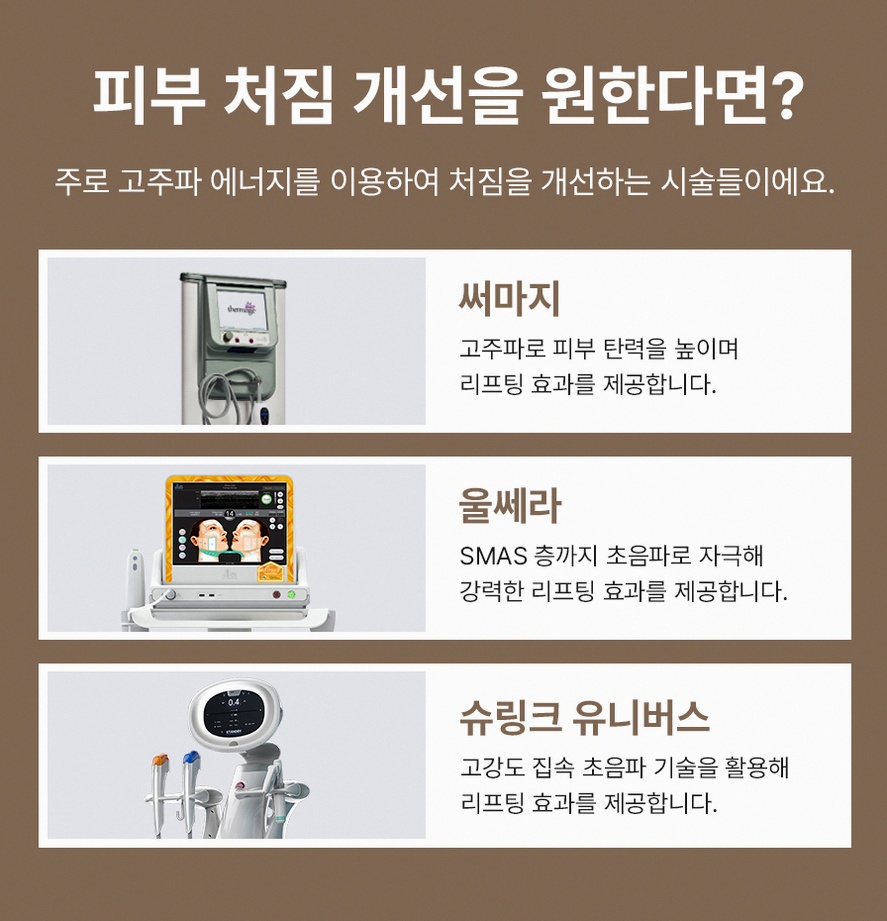
Shurink and Silver Shurink
Shurink is a HIFU device that targets the SMAS layer (the fibrous layer that surgeons lift in a facelift) and the dermis. By focusing ultrasound energy at precise depths, it can cause lifting and tightening with relatively short downtime.
Silver Shurink is a related version used in some clinics. With HIFU, you may feel heat and tingling during the procedure, but most people can return to daily activities soon after. Effects build over several weeks to months and usually last around six to twelve months.
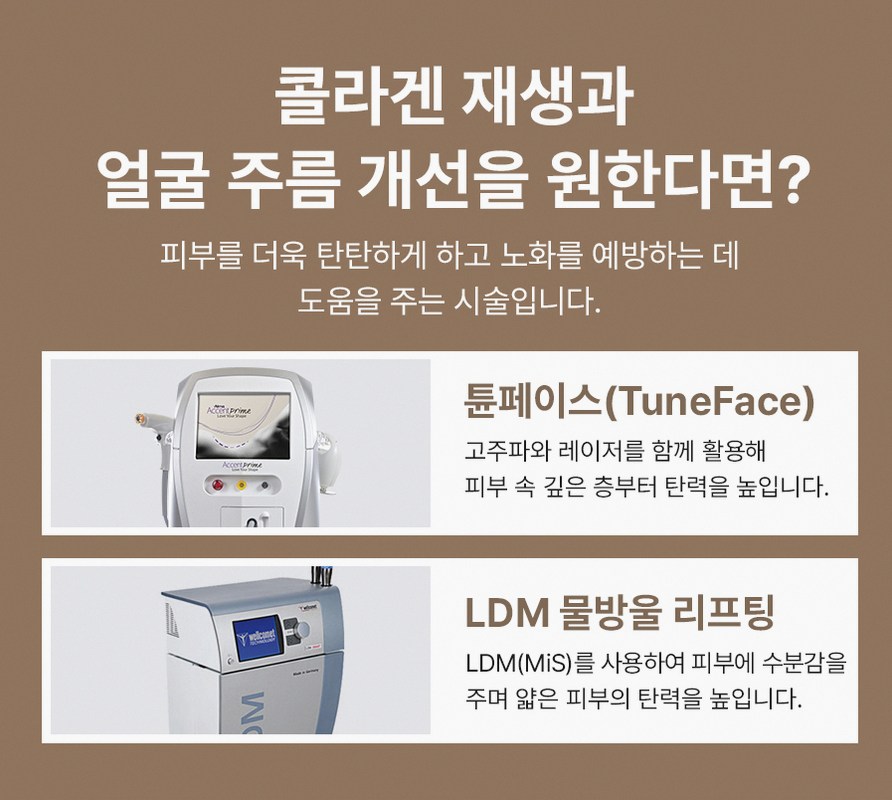
Accent Prime
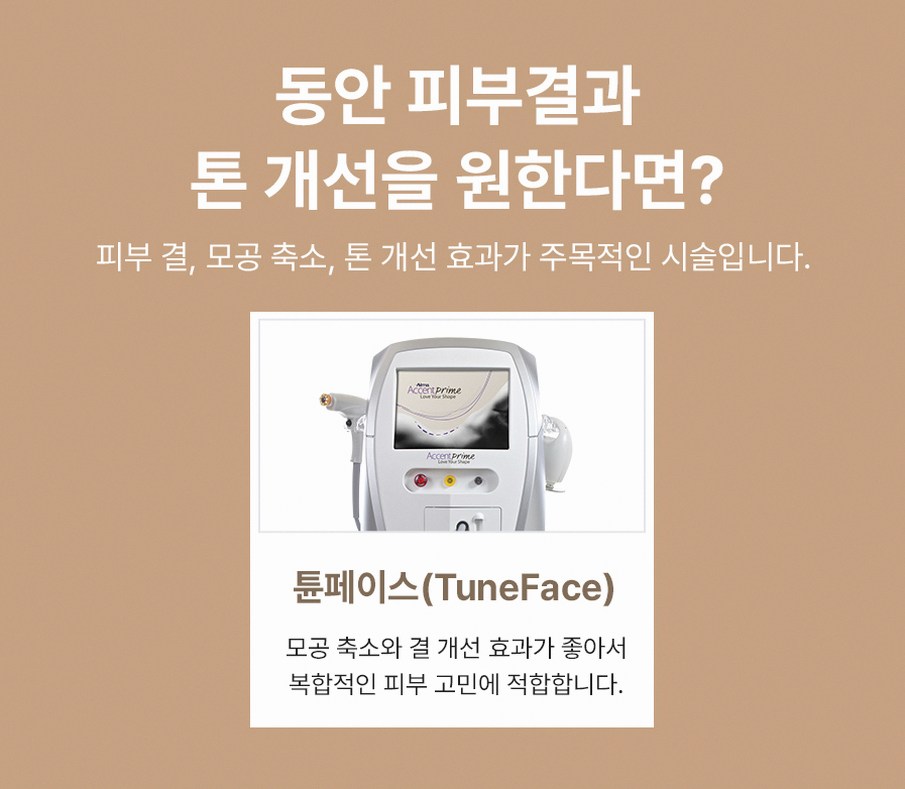
Accent Prime is a radiofrequency‑based device that can be used for facial contouring and skin tightening. It can help with mild sagging, skin laxity, and sometimes with improving the appearance of a double chin when used in appropriate modes.
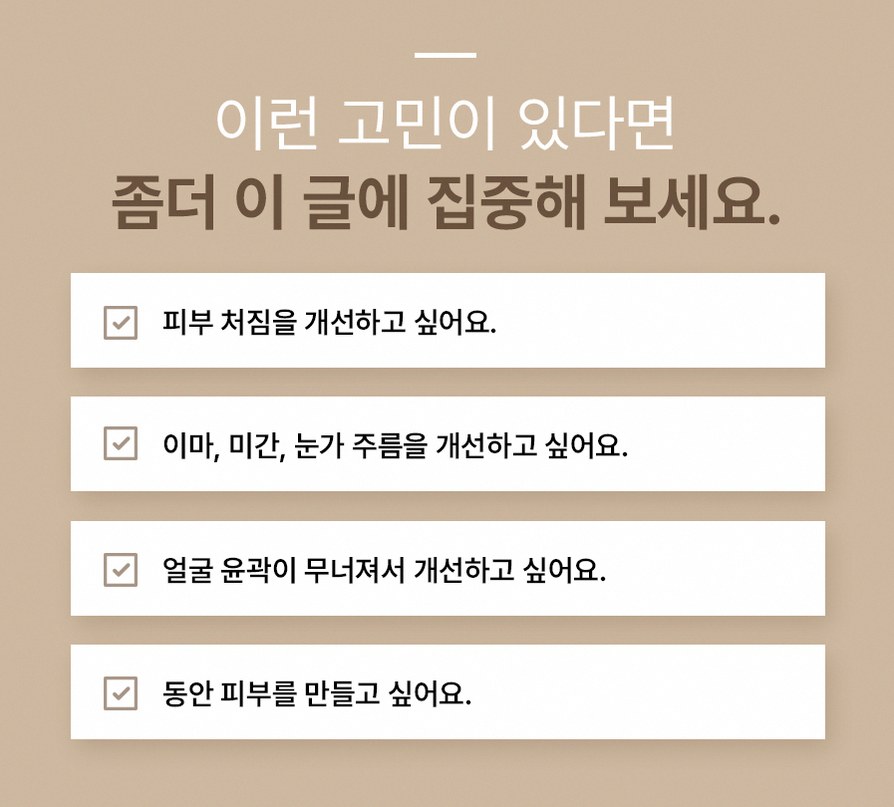
Depending on the program, several sessions may be recommended at intervals. Settings and number of passes are usually adjusted according to skin thickness, sensitivity, and target area.
Thread lifting
Thread lifting uses absorbable threads inserted under the skin through small entry points. The threads are placed along vectors that lift the cheeks, jawline, or other sagging areas.
The lifting effect is partly mechanical, from the threads holding tissues upward, and partly biological, from collagen formation around the threads as they dissolve over several months.
You may see thread lifting recommended for early jowls, sagging along the nasolabial folds, or for people who want a more visible lifting effect than devices alone can provide, but still prefer a non‑surgical option.
Combination approaches
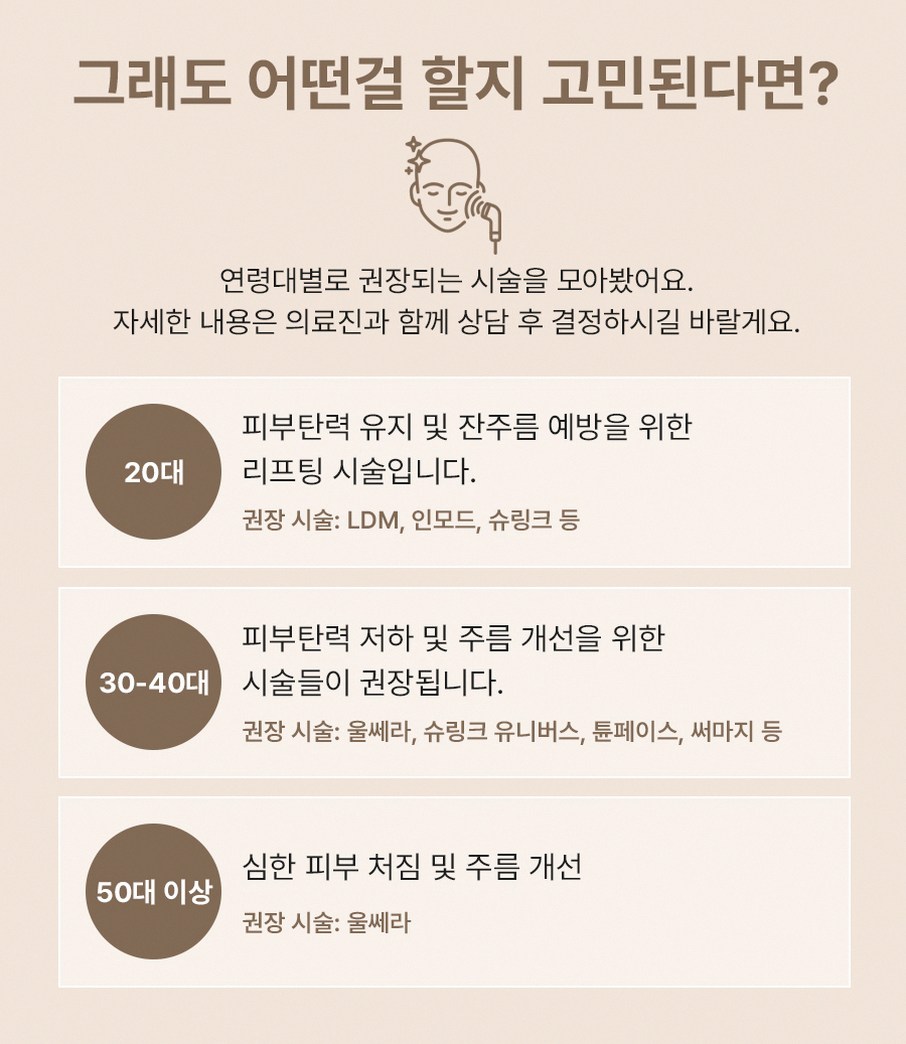
In the Jamsil Station area, many clinics design combination plans using both devices and injectables. For example, HIFU or RF for lifting and tightening, plus fillers or collagen stimulators for volume loss, and skin boosters to improve texture.
Products you may see on menus include Juvelook, Rejuran, Radiesse, Belotero including Revive, Juvederm, The Chaeum, Restylane Kiss, Neuramis, and Attier. Each has its own characteristics, and the choice is usually based on whether you need structural support, fine line improvement, or overall skin quality enhancement.
Who may consider lifting near Jamsil Station
Non‑surgical lifting near Jamsil Station can be suitable in several situations.
It may be considered if you notice mild to moderate sagging, early jowls, softening of the jawline, or deepening smile lines, but you do not feel ready for surgery. It is also common for people in their 30s to 50s who want to slow visible aging with maintenance treatments.
It can be a good option if you have limited time in Korea and need a treatment with short downtime. Many office workers in the area choose evening appointments on weekdays or Saturday sessions, then return to work soon after.
However, if you have very advanced laxity, heavy sagging, or large amounts of excess skin, non‑surgical lifting may not give the dramatic change you expect. In such cases, a careful consultation is necessary to set realistic goals or to discuss other options.
How to choose a lifting clinic near Jamsil Station
Medical background and training
When you are comparing clinics around Jamsil Station, one important factor is the medical background of the doctors. Many patients look for doctors who have solid university hospital training and who participate in relevant aesthetic, laser, filler, or pain medicine societies.
At some clinics near Jamsil Station, including ATHLEY CLINIC, you may find that the representative doctor has a background in anesthesiology and pain medicine and has worked as a director at multiple aesthetic clinics. Other doctors may have memberships in aesthetic and obesity or aesthetic medicine societies. This type of background can support safe treatment planning and pain control.
Pain management system
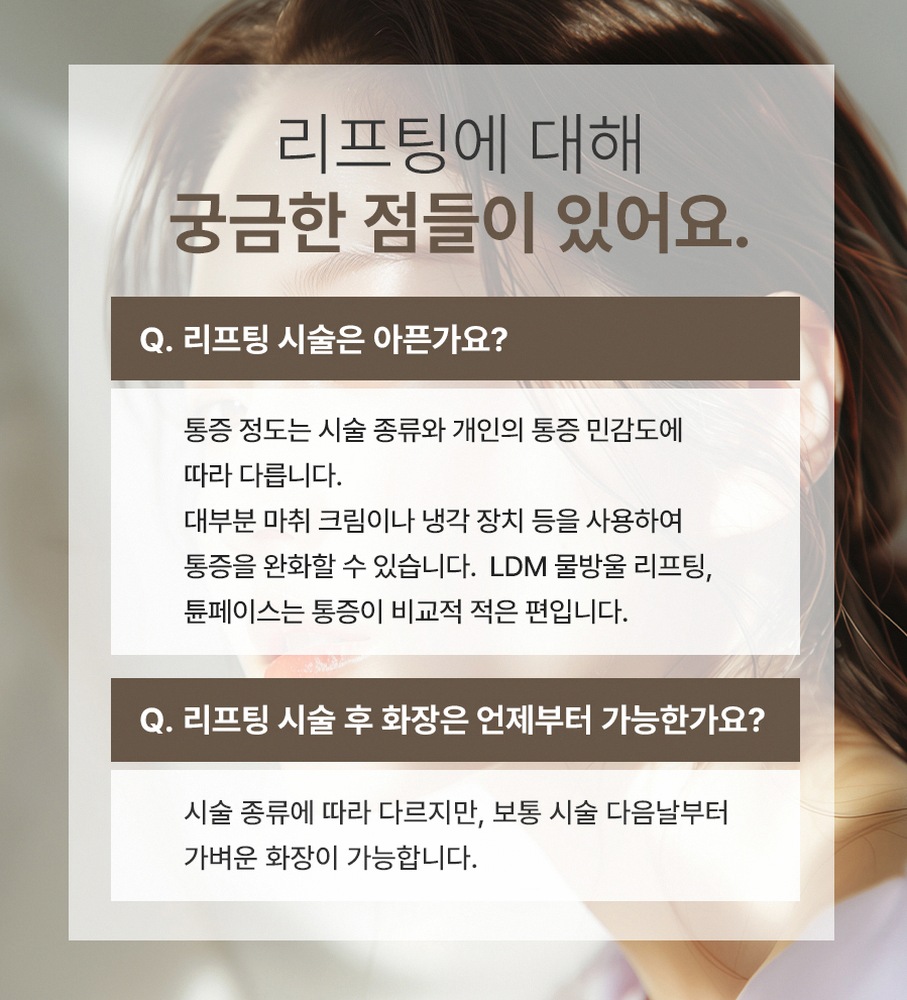
Lifting procedures, especially HIFU, RF, and thread lifting, can cause discomfort. Pain control is important not only for comfort but also for allowing the doctor to use appropriate energy levels and techniques.
Some clinics in this area operate both an aesthetic line and a pain clinic. This structure allows them to offer painless sedation anesthesia as a separate service when appropriate, in addition to topical anesthetic creams and local injections.
If you are sensitive to pain or anxious about procedures, it is useful to ask during online consultation what pain management options are available, whether sedation is offered, and how it is monitored.
Customization and consultation style
A one‑to‑one consultation is important to evaluate your skin thickness, degree of sagging, age, lifestyle, and how much downtime you can accept. Rather than a fixed package, some clinics offer a more flexible or “DIY” style program where you can choose areas and types of care with guidance.
This may mean, for example, selecting HIFU for the lower face, RF for overall tightening, and adding a small amount of collagen booster in specific areas, instead of a single uniform package. For international patients, clear communication in English or with translation support is also important.
Device and product lineup
A clinic with a broad range of devices and injectables can more easily tailor treatment to your needs. In the Jamsil Station area, some clinics use Thermage, Shurink, Accent Prime, and whitening toning devices, along with multiple brands of fillers and skin boosters such as Juvelook, Rejuran, Radiesse, Belotero including Revive, Juvederm, The Chaeum, Restylane Kiss, Neuramis, and Attier.
The advantage of this variety is that the doctor can match each area and concern with a suitable tool, instead of applying a one‑size‑fits‑all approach. During consultation, you can ask why a specific device or product is recommended for you and what alternatives exist.
Accessibility and clinic hours
For many office workers and travelers, location and hours are practical deciding factors. In Songpa‑gu, on Ogeum‑ro, there is a cluster of clinics in and around the Seegene Songpa Building, which is about one minute on foot from Jamsil Station Exit 10 and shares the building with a well‑known coffee franchise.
Some clinics in this location offer weekday hours until around 20:30 and Saturday hours until the late afternoon, sometimes with no lunch break on Saturdays. This makes it easier to schedule treatments after work or within a short visit to Seoul.
Safety and information transparency
Another point to consider is how the clinic presents medical information. Some clinics maintain separate pages on their websites for editorial and verification standards and for medical information notices. This suggests that they pay attention to content reliability and patient education.
When you review a clinic website, check whether the risks, side effects, and limitations of each procedure are clearly described, and whether the clinic encourages in‑person consultation before final decisions.
Typical lifting treatment flow near Jamsil Station
Initial online consultation and pre‑visit questions
For overseas patients, the process often starts with an online consultation by email, messaging app, or website form. You may be asked to send facial photos from the front and sides, without heavy makeup, in good lighting.
Useful information to prepare includes your age, medical history, current medications, allergies, previous procedures (such as fillers, threads, or laser treatments), and your main concerns (for example, jawline, cheeks, or neck). It is also helpful to mention your travel dates and how many days you can stay in Seoul.
In‑clinic consultation and skin analysis
Once you arrive, the first step is an in‑person consultation. The doctor will examine your skin, degree of sagging, and facial volume. They may use skin analysis equipment to evaluate elasticity and texture.
You can discuss what kind of change you hope to see, how natural you want the result to look, and how much downtime you can accept. The doctor will then suggest a plan, which may involve HIFU, RF, thread lifting, or a combination with fillers or skin boosters.
Treatment planning
Based on the consultation, you and the doctor will decide on specific treatments. For example, HIFU for the lower face and jawline, RF for overall tightening, or thread lifting for a more visible lift.
If you have significant volume loss, the plan may include collagen stimulators like Radiesse or skin boosters like Rejuran or Juvelook. The choice and sequence of treatments should be tailored to your age, skin condition, and travel schedule.
Pain control
Before device‑based lifting, topical anesthetic cream is usually applied and left on for a certain time. In some cases, local anesthesia injections are added, especially for thread lifting.
Clinics with a pain clinic structure may offer painless sedation anesthesia as an additional option. If you are considering sedation, ask about pre‑procedure fasting requirements, monitoring during the procedure, and how long you will need to rest afterward.
Procedure
For device lifting such as Thermage, Shurink, or Accent Prime, the doctor or trained staff will mark treatment areas, adjust energy levels according to your skin type and tolerance, and perform passes with the device. You may feel heat, tingling, or brief sharp sensations.
For thread lifting, the doctor will mark lifting vectors, inject local anesthetic, and insert threads through small entry points using a needle or cannula. You may feel pressure or pulling, and there can be temporary tightness afterward.
Post‑treatment care
After device treatments, mild redness or swelling can occur and usually settles within hours to a few days. Cooling may be applied immediately after the procedure.
After thread lifting, you may notice swelling, bruising, and a tight or pulling sensation along the thread paths. Small entry marks are usually visible at first and fade over time.
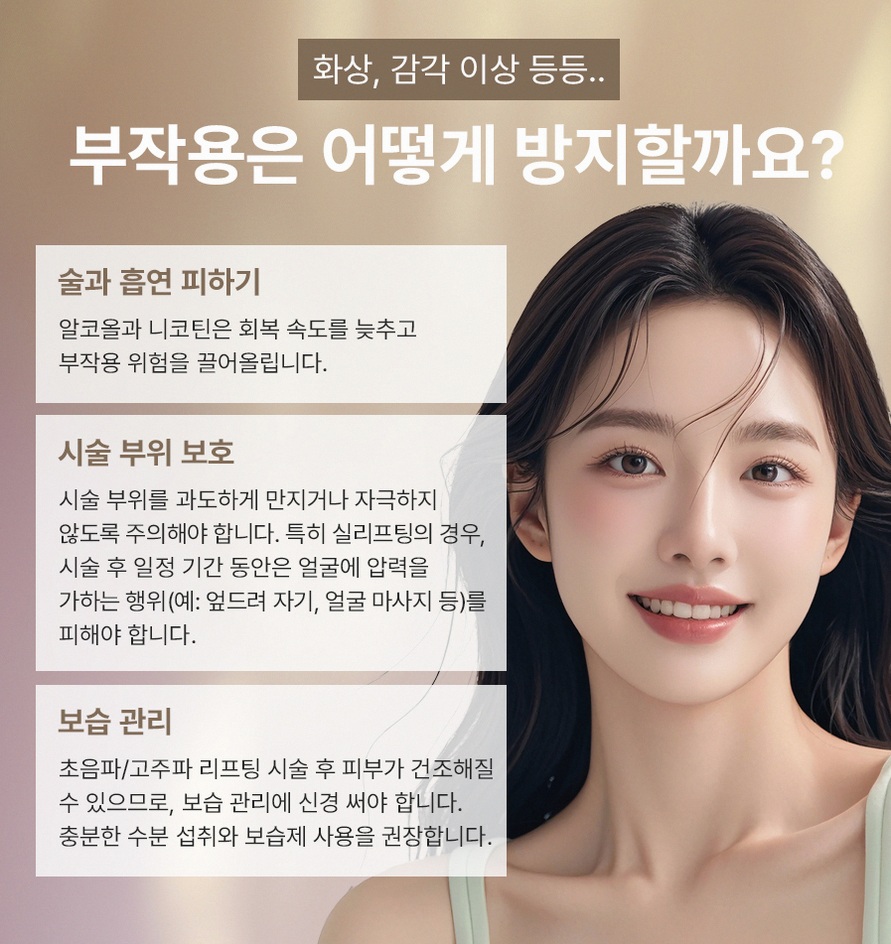
You will receive guidance on skincare, sun protection, and what to avoid for a certain period, such as saunas, intense exercise, facial massage, or sleeping face‑down.
Expected Korea visit timeline for overseas patients
If you are planning a short visit to Seoul for lifting near Jamsil Station, a common schedule might look like this.
Day 1: Arrival and consultation. If your schedule allows, some treatments such as HIFU or RF can be done on the same day after consultation.
Day 2–3: Main procedures if not done on day 1. For thread lifting, some patients prefer to schedule it earlier in the trip to allow swelling or bruising to settle before returning home.
Day 3–5: Follow‑up check if needed, especially after thread lifting or combination treatments. For device‑only lifting, a brief check or online follow‑up may be sufficient.
If your stay is very short, it is important to inform the clinic in advance so they can advise whether your plan is realistic and which treatments are suitable within your time frame.
Results, maintenance, and realistic expectations
Onset and duration of results
With HIFU and RF treatments, you may notice some immediate tightening, but the main improvement appears gradually over two to three months as collagen remodels. The effect often lasts around six to twelve months, depending on age, lifestyle, and skin condition.
With thread lifting, the lifting effect is usually visible right away, although there may also be swelling at first. As the threads dissolve over several months, collagen forms along their path, supporting the tissues for a period of time.
Maintenance strategy
Many people choose to repeat HIFU or RF lifting at intervals recommended by their doctor, such as once or twice a year, and to combine them with skin boosters or fillers for more comprehensive anti‑aging.
The exact interval depends on individual factors. Regular follow‑up, either in person or through online consultation if you live abroad, helps adjust the plan over time.
Realistic expectations
Non‑surgical lifting can improve sagging and contour, but it does not replace a surgical facelift in cases of very advanced laxity. It is important to discuss what level of change is realistic for your age and starting point.
Your doctor should explain both the potential benefits and the limitations, as well as possible side effects such as temporary swelling, bruising, asymmetry, or changes in skin sensation.
Pain, downtime, and who is a good candidate
Pain levels
During HIFU or RF, many patients feel heat, tingling, or brief sharp sensations. Pain levels vary widely depending on individual sensitivity, device settings, and the area treated.
During thread lifting, the local anesthetic injections may sting, and you may feel pressure or pulling as threads are placed. Afterward, there can be soreness or tightness along the thread paths for several days to weeks.
Clinics with strong pain management systems, including those that operate a pain clinic and offer sedation options, can significantly reduce discomfort. Discuss your pain tolerance honestly during consultation.
Downtime
For device lifting, downtime is usually minimal. Mild redness or swelling often resolves within hours to a few days, so many people return to work the next day.
For thread lifting, you should expect more visible downtime. Swelling, bruising, and tightness can last several days. Some patients prefer to schedule this when they can rest or work from home.
Suitable candidates
You may be a good candidate for non‑surgical lifting if you have mild to moderate sagging, early jowls, or loss of elasticity, and if you prefer non‑surgical options with shorter recovery.
It is especially convenient for people who cannot take long time off work or who are visiting Korea for a short period. However, serious medical conditions, pregnancy, or certain skin diseases may limit which treatments are appropriate, so a full medical history is necessary.
Pre‑visit preparation and online consultation tips
Before you book flights, it is wise to arrange an online consultation with your chosen clinic near Jamsil Station.
Prepare clear facial photos from front, 45‑degree angles, and side views in natural light. Write down your main concerns and what bothers you most when you look in the mirror. Note any previous aesthetic procedures, especially threads, fillers, or energy devices.
Make a list of questions, such as which devices or methods they recommend for your case, how many sessions are likely, what kind of pain control is available, how long swelling may last, and how soon you can fly after treatment.
For clinics that emphasize a DIY or customizable program, you can also ask how they structure these programs, how they prioritize areas within a limited budget or time, and whether they can provide an estimated plan before you travel, understanding that the final decision will be made after in‑person examination.
Aftercare and follow‑up from overseas
After you return home, you should continue basic skincare and sun protection. Avoid aggressive facial massage or high‑heat treatments over the treated areas for the period recommended by your doctor.
If you had thread lifting, follow instructions about sleeping positions, facial movements, and exercise intensity during the early healing period. If you notice unusual pain, persistent swelling, or asymmetry, contact the clinic promptly with photos.
Many clinics near Jamsil Station can provide follow‑up advice through online channels. While they cannot examine you physically, they can often guide you on whether what you are experiencing is within the expected range or whether you should seek local medical attention.
Frequently asked questions
How long do lifting results usually last?
For HIFU and RF lifting, many patients experience effects that last about six to twelve months, with gradual improvement over the first two to three months. Thread lifting can provide a visible lift that then softens as threads dissolve over several months, while collagen support can last longer.
The exact duration depends on your age, skin quality, lifestyle, and how your body responds. Maintenance sessions are usually discussed during follow‑up.
Is lifting very painful, and what options exist to reduce pain?
Pain perception is very individual. Some people tolerate HIFU or RF with only mild discomfort, while others find it more intense. Thread lifting can be uncomfortable during local anesthesia injections and may cause soreness afterward.
To reduce pain, clinics typically use topical anesthetic cream and local anesthesia. Some clinics near Jamsil Station, especially those with a pain clinic structure, also offer painless sedation anesthesia as a separate service. Discuss your pain tolerance and medical history so the doctor can propose a suitable plan.
Can I get lifting after work on weekdays near Jamsil Station?
Yes, many clinics around Jamsil Station offer extended weekday hours, sometimes until around 20:30, and Saturday hours into the afternoon. Because the area is directly connected by subway and busy with office workers, schedules are often designed to accommodate after‑work visits.
For device‑based lifting with minimal downtime, an evening appointment can be realistic. For thread lifting, you may still choose an evening slot, but you should be prepared for visible swelling or bruising the next day.
How often should I repeat HIFU or RF lifting?
The recommended interval for repeating HIFU or RF lifting varies but is often around once a year for many patients. Some may benefit from shorter intervals, such as every six to twelve months, depending on age, degree of sagging, and overall treatment plan.
Your doctor will usually assess your skin at follow‑up and suggest timing based on how well you maintain results and whether you combine lifting with other anti‑aging treatments.
Soft call to action for online consultation
If you are considering non‑surgical lifting near Jamsil Station and are planning a trip to Seoul, arranging an online consultation in advance can make your visit smoother. Clinics in this area, including ATHLEY CLINIC in the Seegene Songpa Building near Jamsil Station Exit 10, are accustomed to seeing both local office workers and visitors from overseas.
By sharing your photos, concerns, and travel schedule ahead of time, you can receive preliminary guidance on which lifting options may suit you, what kind of pain control is available, and how to plan your stay. Final decisions about treatment, settings, and combinations should always be made after an in‑person examination with medical staff, but early communication helps you use your time in Korea efficiently.

- 공유 링크 만들기
- X
- 이메일
- 기타 앱


댓글
댓글 쓰기