Songpa-gu lifting effects and realistic non-surgical options in Jamsil
- 공유 링크 만들기
- X
- 이메일
- 기타 앱

Songpa-gu lifting effects at a glance
If you are living or working around Jamsil in Songpa-gu and wondering what kind of lifting effects you can really expect without surgery, the answer is: mild to moderate tightening, a cleaner jawline, and fresher-looking skin rather than a completely different face. Non-surgical lifting in this area usually combines energy devices such as Thermage-type radiofrequency, Shurink-type ultrasound, thread lifting, and collagen or skin boosters to support elasticity. The results are noticeable but gradual, and they typically last from several months to over a year depending on the method, your age, and lifestyle.
This guide explains what non-surgical lifting can and cannot do, how long the effects usually last, what influences the results, and how a clinic in Jamsil such as Athley Clinic may approach lifting with a focus on pain control and customized planning. It is written for international visitors who are considering a trip to Korea and want practical, realistic information.
What non-surgical lifting actually does for sagging skin
Non-surgical lifting overview
Non-surgical lifting refers to tightening and gently lifting sagging skin using energy devices, threads, and collagen or skin boosters instead of surgical cutting. The goal is to improve contours and skin quality with less downtime.
In Songpa-gu, typical non-surgical lifting options include radiofrequency lifting, ultrasound lifting, thread lifting, and injectable collagen or skin boosters. These methods can be used alone or in combination depending on your concerns.
Everyday meaning of lifting effects
When people around Jamsil talk about lifting effects, they usually mean changes that are visible but subtle in daily life:
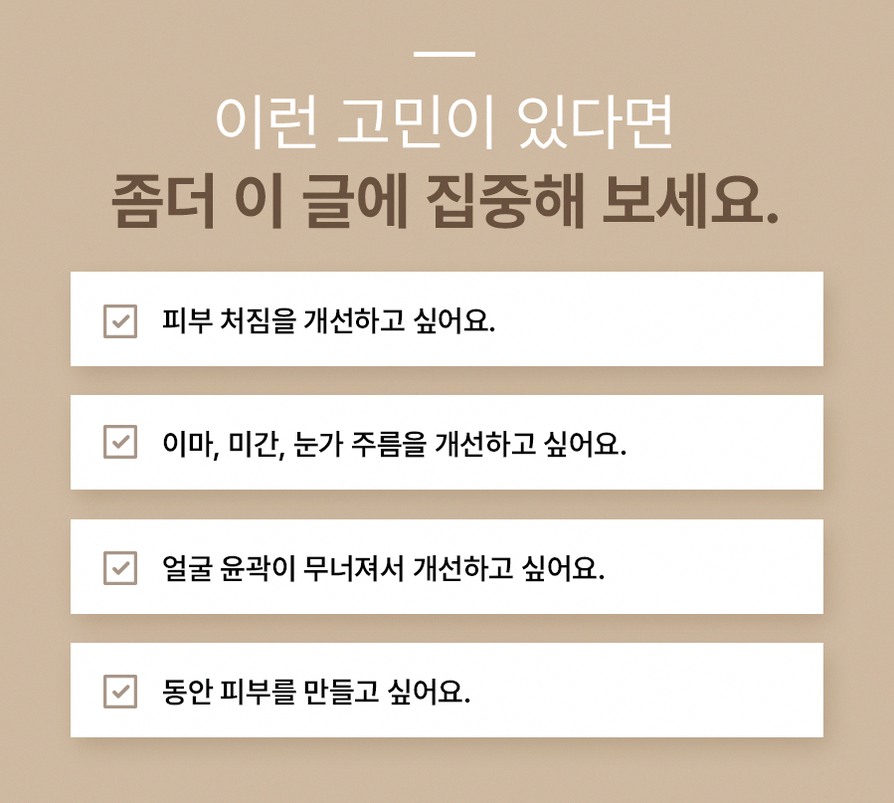
A sharper jawline with less blurring between the face and neck
Reduced early jowls along the jaw
Softer nasolabial folds and marionette lines around the mouth
Cheeks that sit slightly higher with a more defined facial contour
Improved skin elasticity and firmness, so the face looks less tired
For the neck, reduced fine wrinkles and mild tightening of loose skin
These are the types of changes non-surgical lifting is designed to support. It is not meant to create a dramatic “before and after” like a full surgical facelift.
Who may consider non-surgical lifting in Songpa-gu
Non-surgical lifting is generally most suitable for people with:
Mild to moderate sagging, not very heavy or deeply drooping tissue
Early signs of aging in their late 20s to 40s
Those in their 50s who want maintenance or to delay surgery
Fine lines on the neck and early neck bands
A blurred jawline, early jowls, or drooping mouth corners
If you have severe sagging, very heavy cheeks, or large amounts of loose neck skin, non-surgical lifting alone may not be enough. In such cases, clinics usually explain that surgical options may be more appropriate, or that expectations for non-surgical methods should be modest.
Types of lifting used in Songpa-gu and their effects
Radiofrequency lifting (Thermage-type)
Radiofrequency lifting delivers controlled heat into the deeper layers of the skin using radiofrequency energy. Thermage-type devices are common examples.
Typical effects include:
Overall tightening of the face and sometimes the neck
Improvement in skin texture and elasticity
Pores appearing less noticeable over time
A subtle lifting effect, especially when combined with other treatments
The lifting effect is usually gentle, but the improvement in firmness and texture can make the face look fresher and more refined.
Ultrasound lifting (Shurink-type)
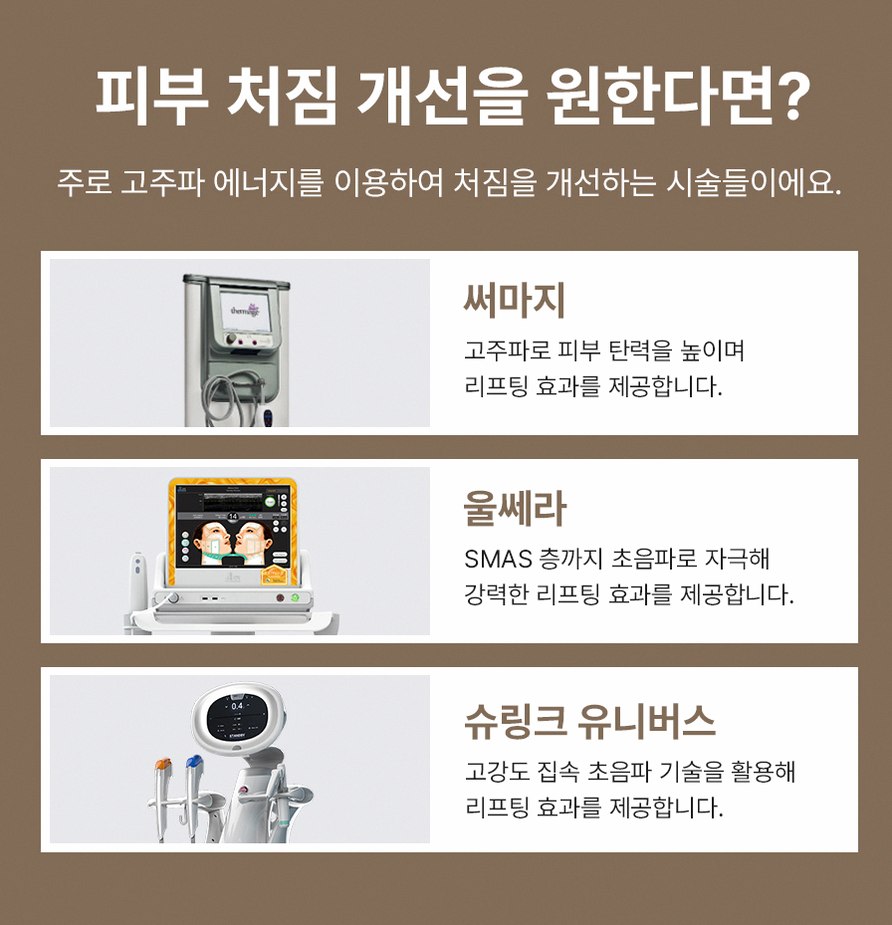
Typical effects include:
More defined jawline and reduction of early jowls
Slight lifting of the cheeks
Mild eyebrow lift and improvement of the under-eye area, depending on settings and technique
Some tightening of the neck area
Because ultrasound can reach deeper layers, it is often chosen when contour and jawline definition are the main goals.
Thread lifting
Thread lifting uses special absorbable threads placed under the skin to mechanically lift sagging tissue. The threads also stimulate collagen production as they dissolve over time.
Typical effects include:
Immediate visible lifting of cheeks or jawline
Improved definition of facial contours
Support for sagging around the mouth and early jowls
Thread lifting can create more noticeable lifting than devices alone, but it also tends to involve more swelling, possible bruising, and a feeling of tightness in the first days.
Collagen and skin boosters
Collagen or skin boosters such as Rejuran, Juvelook, Radiesse, and Revive are injectable treatments that focus on improving the quality and elasticity of the skin. They are not lifting tools in a mechanical sense, but they support and prolong lifting results.
Typical effects include:
Improved fine lines and crepey texture
Better elasticity and hydration
A more youthful, healthier skin surface
In Songpa-gu, these boosters are often combined with energy-based lifting or threads to enhance and maintain the overall effect.
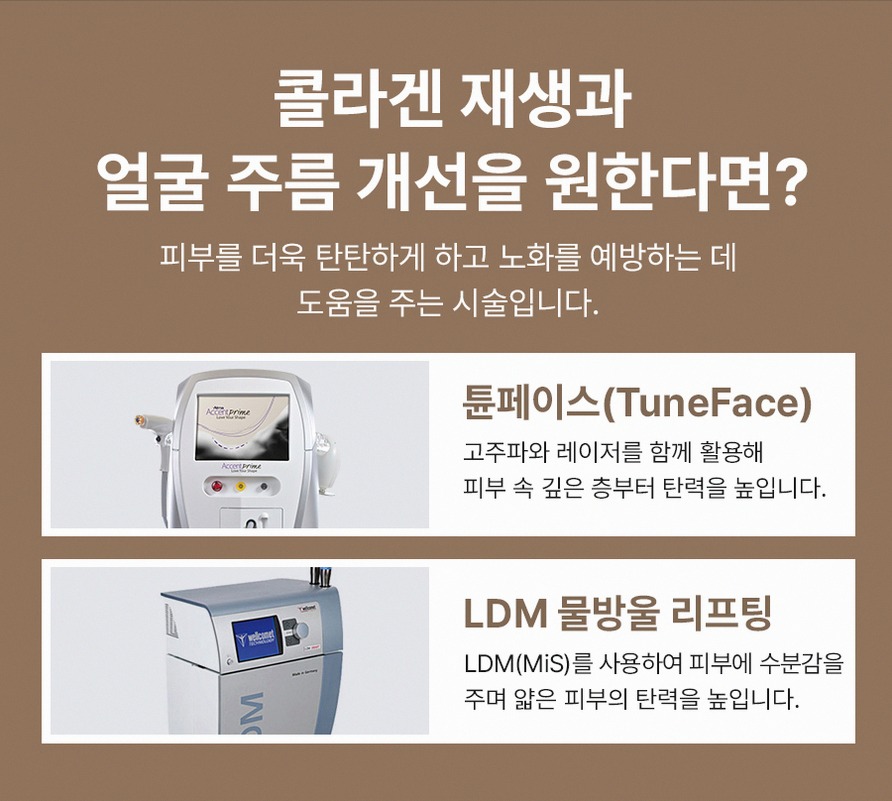
Combination approaches in real life
In practice, many patients in Jamsil and Songpa-gu do not rely on a single method. A typical example might be:
Ultrasound lifting for jawline and cheek contour
Radiofrequency for overall tightening and texture
Thread lifting for targeted lift in specific areas
Collagen boosters for elasticity and fine lines
A clinic like Athley Clinic, which offers multiple devices and boosters, can mix and match these tools depending on the area (cheeks, under-eye, neck, lips) and the condition of your skin.
How long lifting effects last and what changes the duration
Energy-based lifting duration
For radiofrequency and ultrasound lifting, you may feel some immediate tightening right after treatment, but the main effect builds gradually as new collagen forms.
Typical timeline:
Initial tightening: right after or within a few days
Peak effect: around 2 to 3 months after treatment
Gradual fading: over 6 to 12 months, depending on your skin and lifestyle
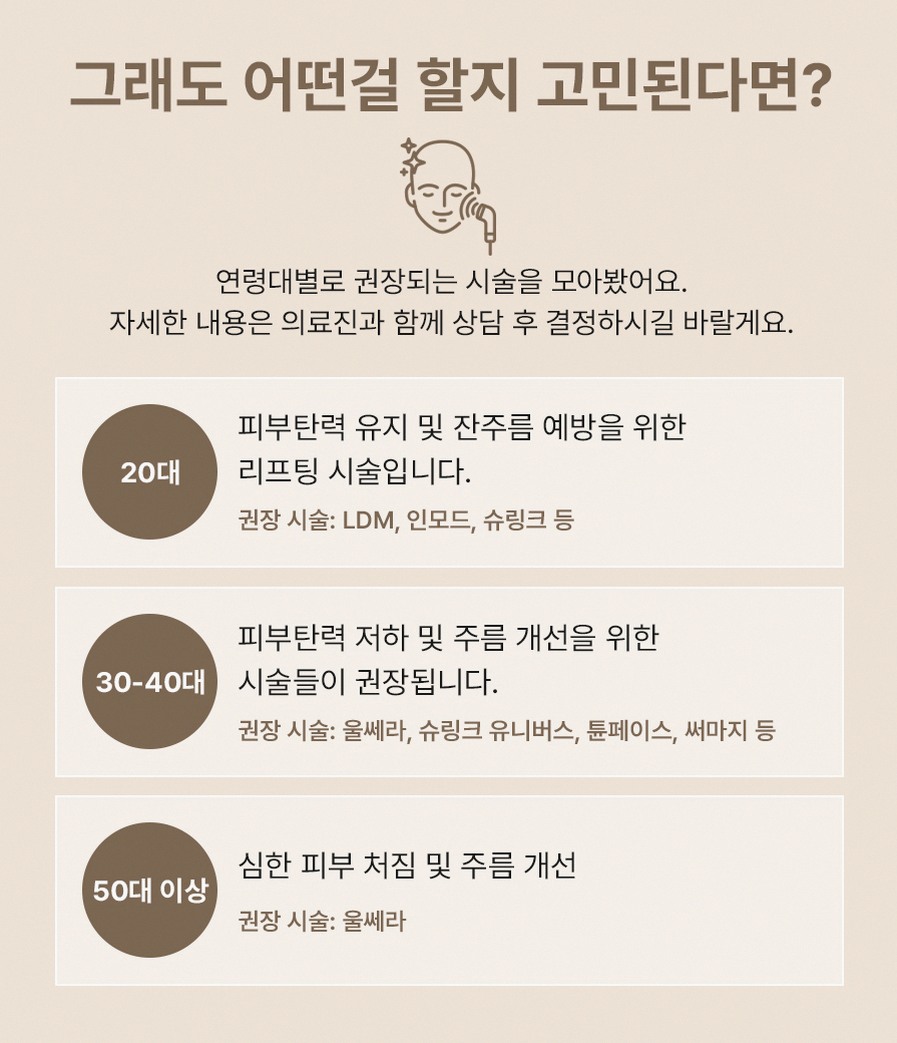
Many clinics in Songpa-gu suggest maintenance sessions every 6 to 12 months, but the exact interval is personalized.
Thread lifting duration
Thread lifting often shows a more immediate visible lift because the threads physically reposition the tissue.
Typical timeline:
Immediate lifting: visible right after the procedure
Collagen stimulation: continues for several months
Thread dissolution: threads gradually dissolve over time
Perceived effect: often around 6 to 18 months, depending on thread type, area, and lifestyle
Some people repeat thread lifting after a year or more, while others move to maintenance with energy devices and boosters instead of repeating threads frequently.
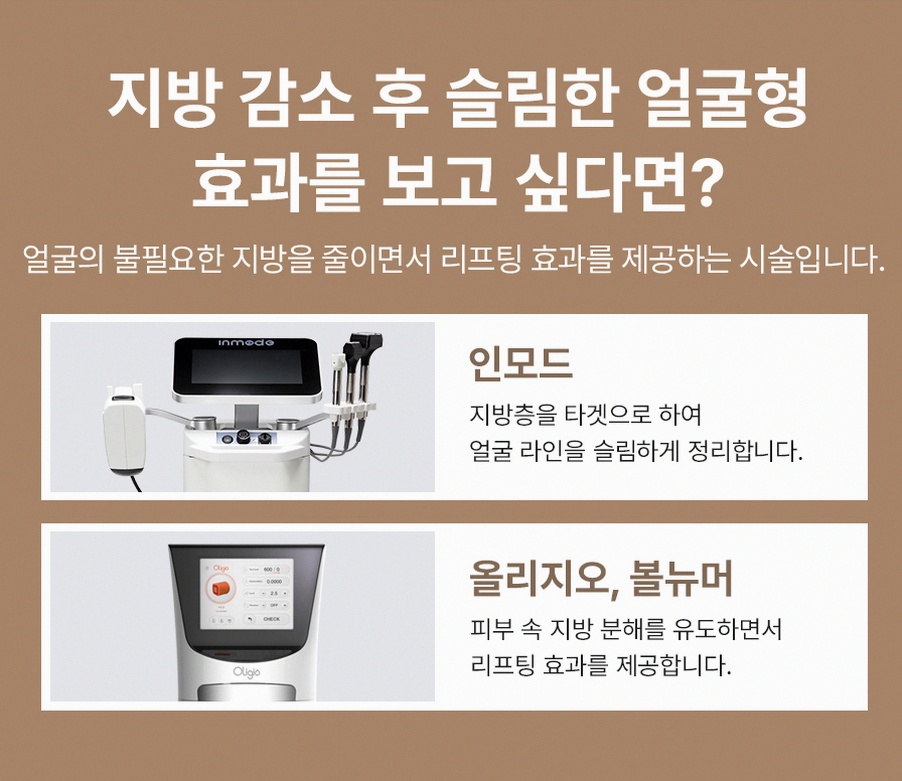
Collagen and skin booster duration
Collagen and skin boosters usually work best as a series of sessions.
Typical pattern:
A few sessions spaced several weeks apart to build collagen
Maintenance sessions every several months to keep elasticity
These boosters can prolong the results of energy-based lifting by improving the skin’s ability to hold structure and bounce back.
Factors that influence duration
The duration of lifting effects varies widely. Key factors include:
Age and natural collagen level
Skin thickness and fat volume
Degree of sagging at the start
Lifestyle habits such as smoking, alcohol, and sleep
Sun exposure and sunscreen use
General health and nutrition
Because of these variables, clinics usually explain that durations are averages, not guarantees, and they adjust maintenance plans individually.
Pain, downtime, and safety: what to know before lifting
Typical sensations during lifting
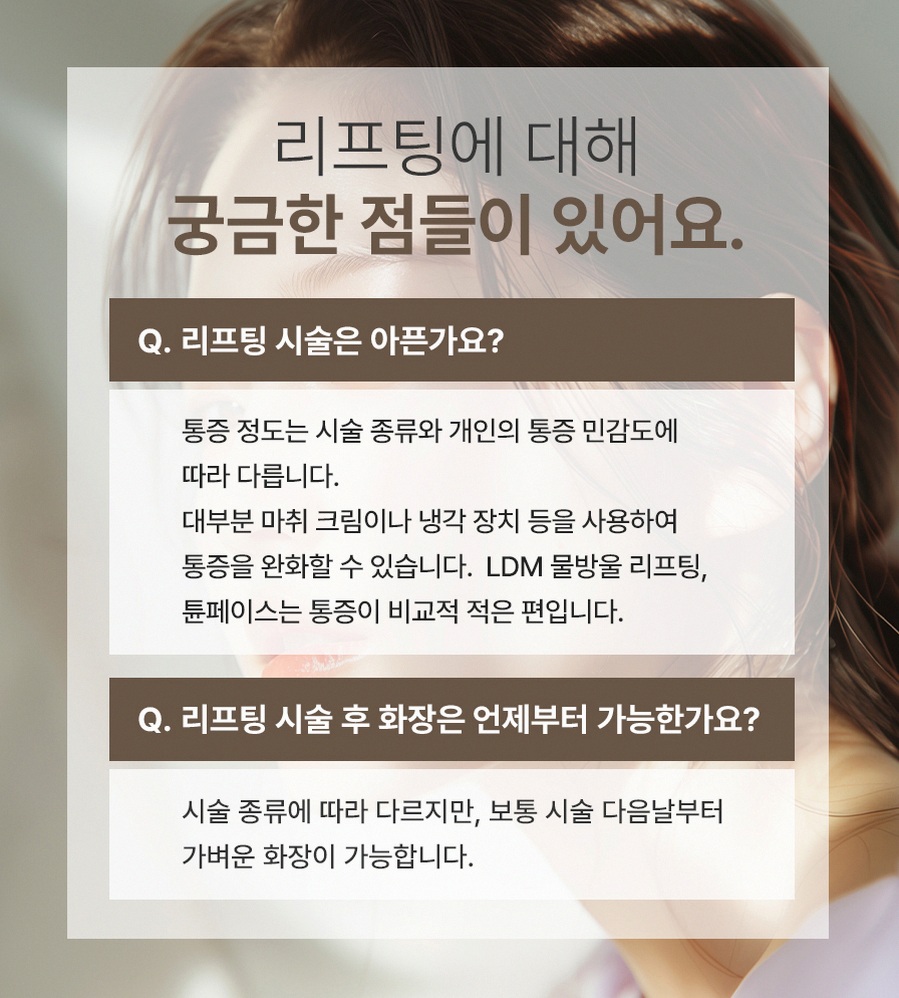
Many people searching for Songpa-gu lifting effects also worry about pain and bruising. The actual sensations differ by method:
Radiofrequency and ultrasound: You may feel heat, tingling, or short sharp sensations when the energy is delivered. Higher settings can be more uncomfortable, but topical anesthetic cream and cooling can help.
Thread lifting: Local anesthesia injections are used in the treatment area. During the procedure, you might feel pressure, pulling, or tightness rather than sharp pain. Afterward, mild swelling, bruising, and a tight feeling when moving your face are common for a few days.
Importance of pain management
Pain control is an important part of a successful lifting experience. Athley Clinic in Jamsil operates both aesthetic and pain clinic services, and offers sedation anesthesia as a separate option to reduce discomfort during procedures. Sedation and other pain-management measures are provided and overseen by the clinic's representative doctor, who is a member of the Korean Society of Anesthesiology and Pain Medicine.
This type of structure allows for more systematic planning of anesthesia and pain control. For international patients who are anxious about discomfort, it can be reassuring to know that sedation and pain management are considered from the start, not as an afterthought.
Safety considerations
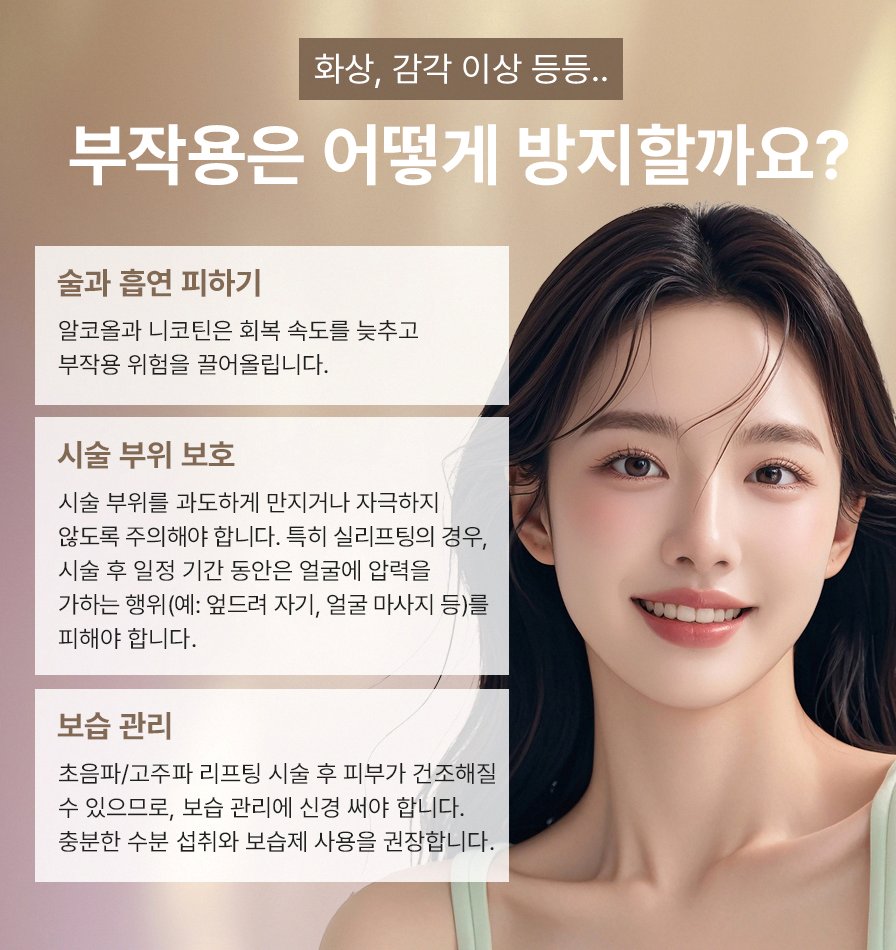
Safe lifting requires more than just having a device. Key safety points include:
Proper assessment of skin thickness and fat volume
Understanding nerve pathways to avoid injury
Choosing appropriate devices, settings, and products for each facial area
Avoiding a one-size-fits-all approach, especially around delicate zones such as the under-eye or neck
During consultation, it is reasonable to ask which layers will be targeted and how the clinic minimizes risk of side effects such as burns, prolonged swelling, or asymmetry.
Common short-term reactions
Some temporary reactions are relatively common after non-surgical lifting:
- Redness and mild swelling
- Tenderness or soreness when touching or chewing
- Bruising, especially after threads
- Temporary numbness or tightness
Specific risks related to common procedures
- Fillers: bruising and swelling can occur, and in rare cases fillers may cause vascular occlusion, which requires prompt treatment.
- Botulinum toxin: most effects are temporary, but there is a small risk of undesired weakness or drooping of nearby muscles and asymmetry.
- Energy-based treatments (lasers, radiofrequency, ultrasound): these can, uncommonly, cause burns, prolonged redness, or pigmentary changes.
These more serious but uncommon risks will be discussed during consultation, along with the precautions and aftercare provided.
Some temporary reactions are relatively common after non-surgical lifting:
Redness and mild swelling
Tenderness or soreness when touching or chewing
Bruising, especially after threads
Temporary numbness or tightness
These usually improve over days to a couple of weeks. Your medical team should explain what is expected and what would be considered unusual.
How a Jamsil-based clinic combines lifting, pain control, and customization
Location and accessibility for overseas visitors
Athley Clinic is located near Jamsil Station in Songpa-gu, about one minute on foot from exit 10. Weekday hours extend to around 8:30 p.m., which can be convenient for office workers and also for overseas visitors who have tight schedules and may want evening appointments.
For international patients, this central location makes it easier to combine treatment with sightseeing or business meetings in Seoul.
DIY-style customization concept
The clinic promotes a DIY-style system where patients can choose areas and types of care through one-to-one consultation. For lifting, this usually means:
Identifying which areas bother you most: jawline, cheeks, under-eye, nasolabial folds, marionette lines, neck
Choosing among tools: radiofrequency lifting, ultrasound lifting, thread lifting, collagen or skin boosters
Planning combination treatments: for example, ultrasound lifting for the jawline, collagen boosters for elasticity, and botulinum toxin or filler where volume or muscle relaxation is needed
This approach can be useful for overseas patients who want to focus on specific concerns within a limited visit window.
Wide lineup of devices and products
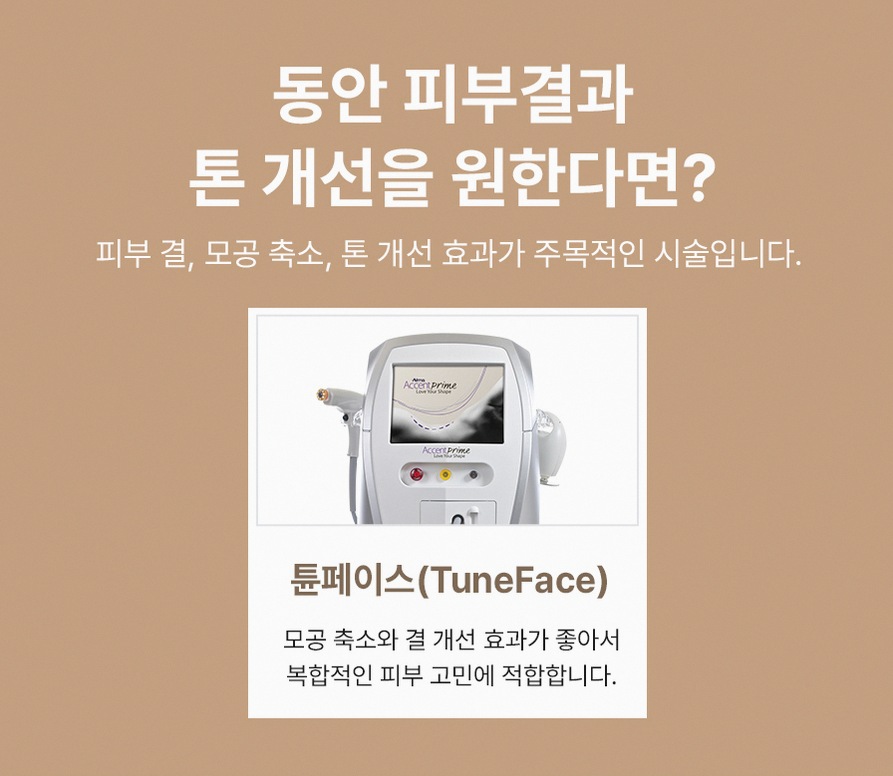
Athley Clinic lists several lifting and elasticity-related options, including Thermage, Shurink (Silver Shurink), Accent Prime, various fillers, and collagen or skin boosters such as Rejuran, Juvelook, Radiesse, and Revive.
Rather than pushing a single brand, the medical team can select different combinations depending on:
Area: cheeks versus under-eye versus lips versus neck
Skin condition: thin versus thick skin, dry versus oily
Main goal: contour lifting versus fine-line improvement versus texture
For international patients, this means you can discuss options within one clinic instead of visiting multiple places for different devices.
Combined aesthetic and pain clinic structure
Because the same facility also offers chronic musculoskeletal pain management and well-being injections, it tends to place more emphasis on:
Systematic pain control during aesthetic procedures
Comfort for middle-aged patients who may have both skin aging and musculoskeletal discomfort
If you have back, neck, or shoulder pain and are also interested in lifting, you can ask whether both concerns can be addressed during your stay.
Online consultation and pre-visit preparation
Preparing for an online consultation
Before traveling to Korea, an online consultation can help you understand what kind of Songpa-gu lifting effects are realistic for you. To make the most of this step:
Prepare clear, well-lit photos of your face and neck from the front and both sides
List your main concerns in order of priority, such as jawline, nasolabial folds, or neck wrinkles
Share your age, medical history, allergies, and any previous aesthetic procedures
Mention your schedule in Korea, including arrival and departure dates
This information allows the clinic to suggest a realistic plan and timeline before you book flights or hotels.
Questions to ask during online consultation
You may find it helpful to prepare questions in advance, for example:
Which layer will the device or threads target in my case?
What degree of improvement is typical for someone my age and with my skin type?
How many days of visible swelling or redness should I expect?
What pain control options are available, including sedation, and who manages them?
What is the recommended maintenance plan after I return home?
Taking notes during the online consultation helps you compare clinics and make an informed decision.
Expected Korea visit timeline for lifting
Short-stay planning (3 to 5 days)
If you are staying in Seoul for a short time, a typical schedule might look like this:
Day 1: In-person consultation, skin assessment, and possibly treatment if everything is clear and you feel comfortable
Day 2: Light check-up if needed, or rest and sightseeing; mild swelling or redness may be present
Day 3 to 5: Most people can continue normal activities; makeup usually covers minor marks
For thread lifting, you may want at least a few days before any important events, as swelling and tightness can be more noticeable.
Longer-stay planning (1 to 2 weeks)
If you have more time in Korea, you can:
Schedule combination treatments over several days
Allow more time for follow-up visits and skincare support
Adjust plans if your skin reacts more strongly than expected
Your clinic can help design a schedule that fits your visit length and priorities.
Aftercare tips to support lifting effects
General aftercare
To support your lifting results and reduce the risk of irritation, clinics commonly recommend:
Avoiding intense heat such as saunas, hot baths, or very hot yoga for about one to two weeks, depending on the procedure
Avoiding strong facial massage or aggressive facial treatments for a period advised by your medical team
Using gentle skincare products and avoiding harsh scrubs or acids on treated areas for several days
Sun protection and lifestyle
Sun protection is essential after lifting because ultraviolet light breaks down collagen. Consider:
Daily use of sunscreen on the face and neck
Wearing hats or using shade when outdoors for long periods
Lifestyle choices also influence how long your lifting effects last. Helpful habits include:
Not smoking, as smoking accelerates collagen breakdown
Getting adequate sleep and managing stress
Maintaining a balanced diet with sufficient protein and hydration
If you live overseas, your home skincare routine becomes especially important once you leave Korea.
Checklist for your first lifting consultation in Songpa-gu
Practical decision checklist
When comparing clinics and planning lifting in Songpa-gu, consider checking:
Which devices and methods are available (radiofrequency, ultrasound, threads, boosters)
Who performs the procedure and how experienced they are with your age group and concerns
What pain control options are offered, including sedation if you are anxious
How many shots or energy levels are typically used and how that is adjusted for your skin
What aftercare is included and whether follow-up can be done online after you return home
Instead of focusing only on price, it is useful to compare the actual treatment plan, device types, anesthesia, and aftercare.
Soft call to action
If you are considering non-surgical lifting during a visit to Seoul and want to understand realistic Songpa-gu lifting effects for your face and neck, you can start with an online consultation. Sharing photos and your schedule allows the clinic to suggest a tailored combination of lifting and skin-quality treatments, along with pain control options that match your comfort level.
Frequently asked questions about Songpa-gu lifting effects
When will I see lifting effects and how long will they last?
For energy-based lifting such as Thermage-type radiofrequency or Shurink-type ultrasound, some people feel mild tightening right away, but the main changes appear gradually over 2 to 3 months as collagen regenerates. The effects generally last around 6 to 12 months, depending on age, skin condition, and lifestyle. Thread lifting shows more immediate lifting, with effects often perceived for about 6 to 18 months as threads dissolve and collagen forms. Collagen and skin boosters add support over several months and can be maintained with periodic sessions.
Is lifting very painful and what anesthesia options are available?
Most non-surgical lifting procedures are tolerable with proper pain control, but the level of discomfort varies by person and method. Radiofrequency and ultrasound usually involve heat and brief sharp sensations, which can be eased with topical anesthetic cream and cooling. Thread lifting uses local anesthesia injections, so you mainly feel pressure and tightness. At Athley Clinic in Jamsil, painless sedation anesthesia is available as a separate option and is managed by a doctor who is a member of the Korean Society of Anesthesiology and Pain Medicine. During consultation, you can discuss whether topical anesthesia, local injections, or sedation is most appropriate for you.

Can lifting alone fix deep wrinkles and volume loss?
Non-surgical lifting improves sagging and skin elasticity, but it does not fully replace volume that has been lost with age. Deep wrinkles and hollow areas often need a combination approach: lifting for contour and firmness, plus filler or other volume-restoring treatments for deeper folds, and sometimes botulinum toxin for expression lines. Collagen or skin boosters can further refine fine lines and texture. In consultation, it is helpful to ask which concerns can be improved with lifting alone and which would benefit from combination treatments.
How often should I repeat lifting treatments for maintenance?
Maintenance intervals depend on your age, degree of sagging, and the methods used. Many people repeat energy-based lifting every 6 to 12 months, while thread lifting is often spaced 12 to 18 months apart or combined with devices instead of repeating too frequently. Collagen and skin boosters may be done as a short series at first, then maintained every several months. Your clinic can propose a personalized schedule based on your response to the initial treatment and your ability to visit Korea again.
Are there people who are not good candidates for non-surgical lifting?
People with very severe sagging, extremely heavy tissue, or large amounts of loose neck skin may not achieve satisfying results from non-surgical lifting alone. Certain medical conditions, pregnancy, or specific implanted devices may also limit the use of some energy-based treatments. During consultation, your medical history, medications, and expectations should be reviewed carefully. If non-surgical lifting is not suitable or if the expected effect is small, the clinic should explain this clearly and suggest alternatives or a more conservative plan.
Medical information notice
This article is intended for general information for international patients considering non-surgical lifting in Songpa-gu and does not replace a personal consultation with medical staff. Actual treatment plans, effects, and risks vary by individual. Always discuss your specific situation, medical history, and expectations directly with qualified medical professionals before deciding on any procedure.
- 공유 링크 만들기
- X
- 이메일
- 기타 앱


댓글
댓글 쓰기