Skin Booster Guide Near Bangi Station: How to Choose a Clinic Around Jamsil
- 공유 링크 만들기
- X
- 이메일
- 기타 앱


Direct answer for people searching near Bangi Station
or online ratings, prioritize medical expertise, the range of products offered, how the clinic manages pain, and how carefully they plan your treatment.
Athley Clinic in the Jamsil area is one example close to Bangi that focuses on collagen and skin boosters with an emphasis on comfortable, low‑pain procedures and customized planning. The information below will help you understand skin boosters in general and what to look for when comparing clinics around Bangi and Jamsil.
What is a skin booster and who is it for?
Skin boosters are injectable treatments designed to improve overall skin quality rather than simply adding volume. While classic fillers mainly fill lines or restore lost volume in specific areas, skin boosters work more diffusely to support regeneration, hydration, and collagen production.

Common goals of skin boosters include smoother texture, finer pores, better elasticity, improved radiance, and a healthier overall look. Many people notice that makeup sits better, fine lines are less visible, and the skin looks less tired over time.
There are several main types of skin boosters.
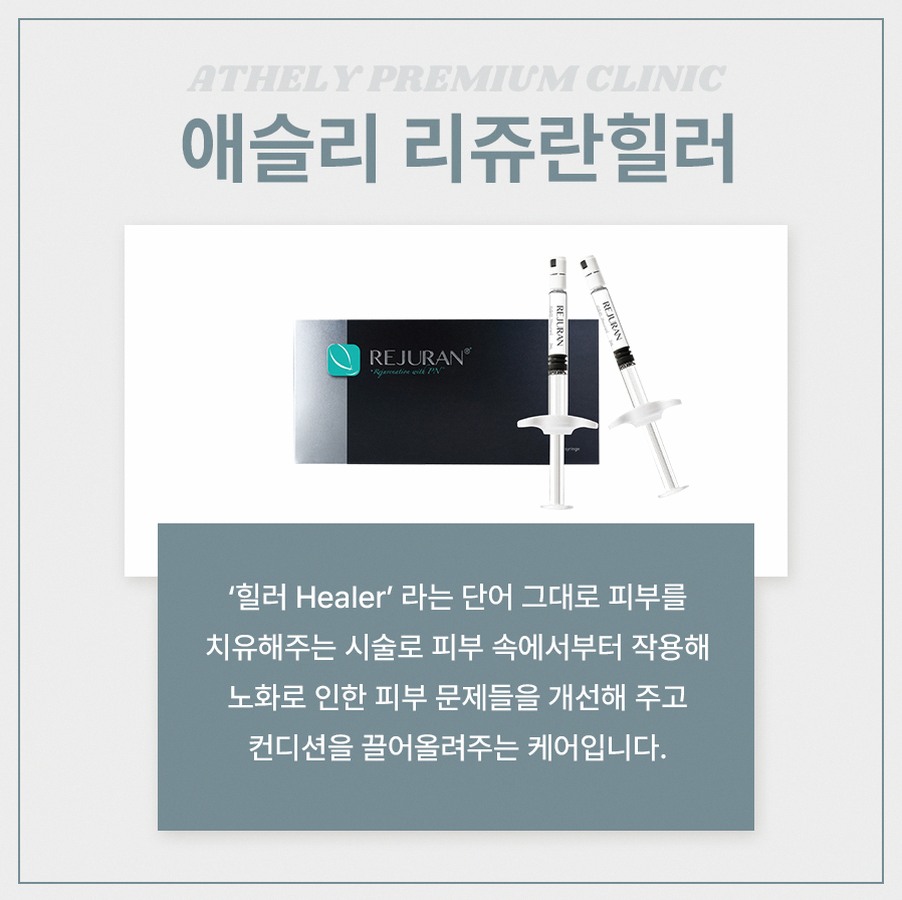
Polynucleotide products, often called Rejuran‑type boosters, contain DNA fragments that are thought to support skin repair and regeneration. They are frequently used for thin, sensitive, or damaged skin.
Collagen‑stimulating injectables such as Radiesse‑type products contain ingredients that can trigger the skin’s own collagen production. These are often chosen when elasticity and firmness are the main concerns.
Hyaluronic acid skin boosters, for example Belotero Revive‑type products, focus on deep hydration and fine line improvement. They can be suitable for dull, dehydrated skin that needs a moisture and glow boost.
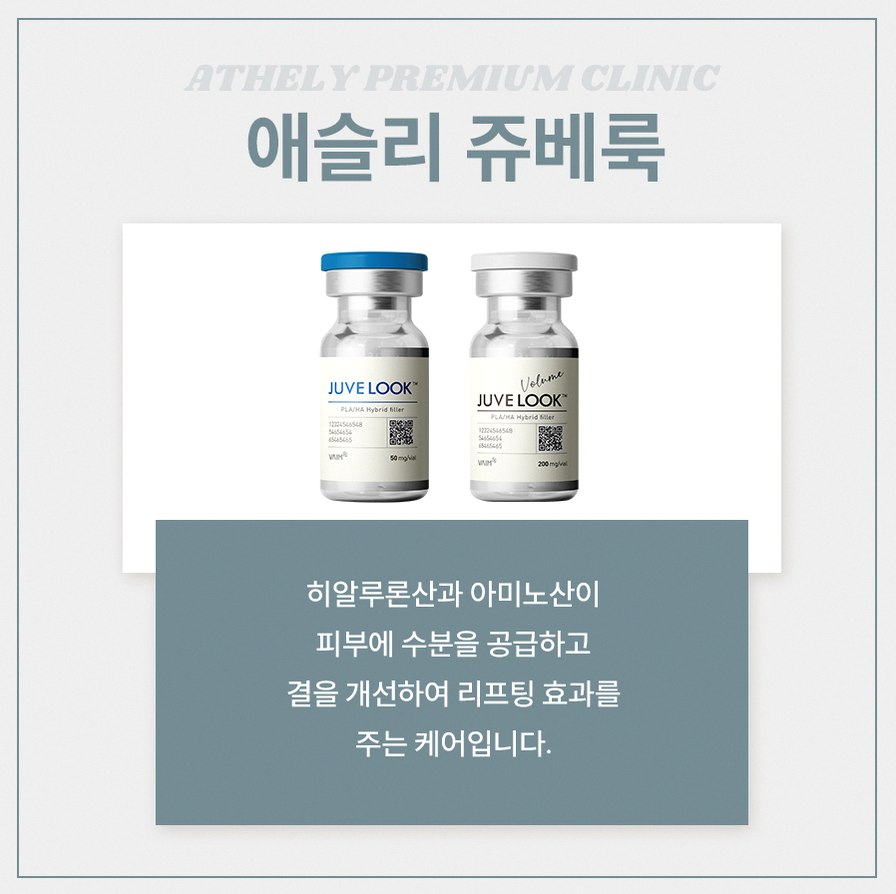
Hybrid products like Juvelook combine different mechanisms, such as collagen stimulation and skin resurfacing benefits, and may be used for pores, mild acne scars, and fine wrinkles.
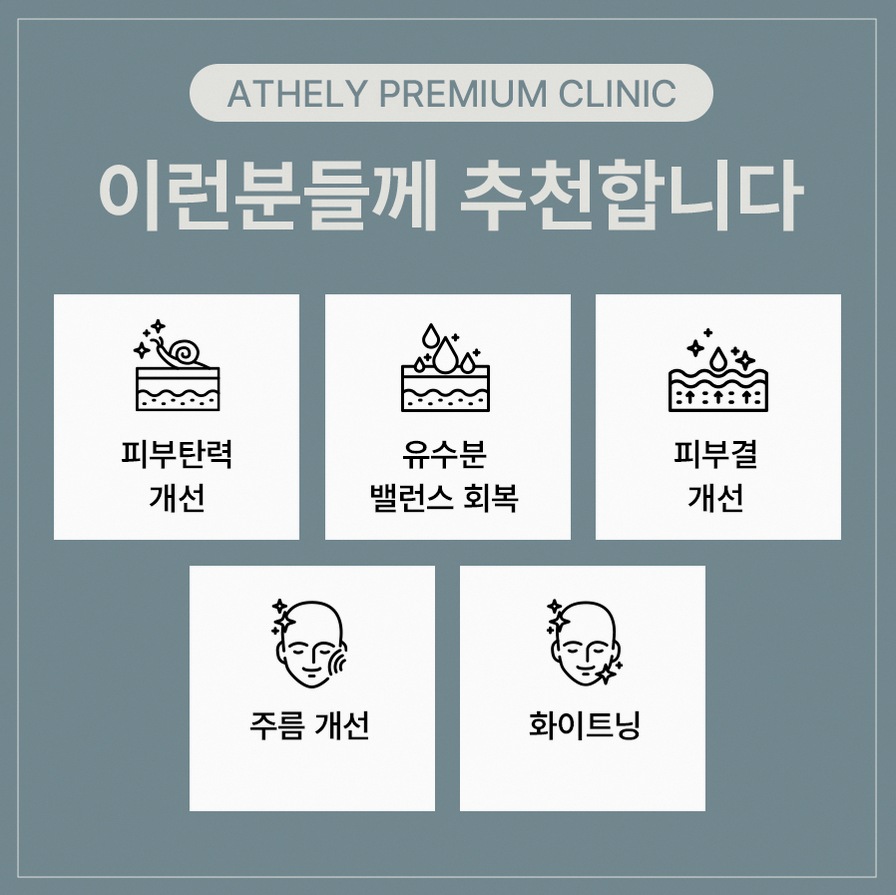
Typical candidates for skin boosters include people with dull or tired‑looking skin, early loss of elasticity, fine wrinkles, enlarged pores, mild acne scars, or dry and sensitive skin that does not respond enough to topical skincare alone. The exact product, injection depth, and treatment plan should always be chosen after a face‑to‑face medical consultation, taking into account age, skin condition, lifestyle, and expectations.
How to choose a good skin booster clinic near Bangi Station
If you live or work around Bangi Station, Jamsil, or Songpa, location and subway access are important. However, for injectables that go into your skin, medical quality and safety should come first.
When comparing clinics in the Bangi and Jamsil area, consider these points.
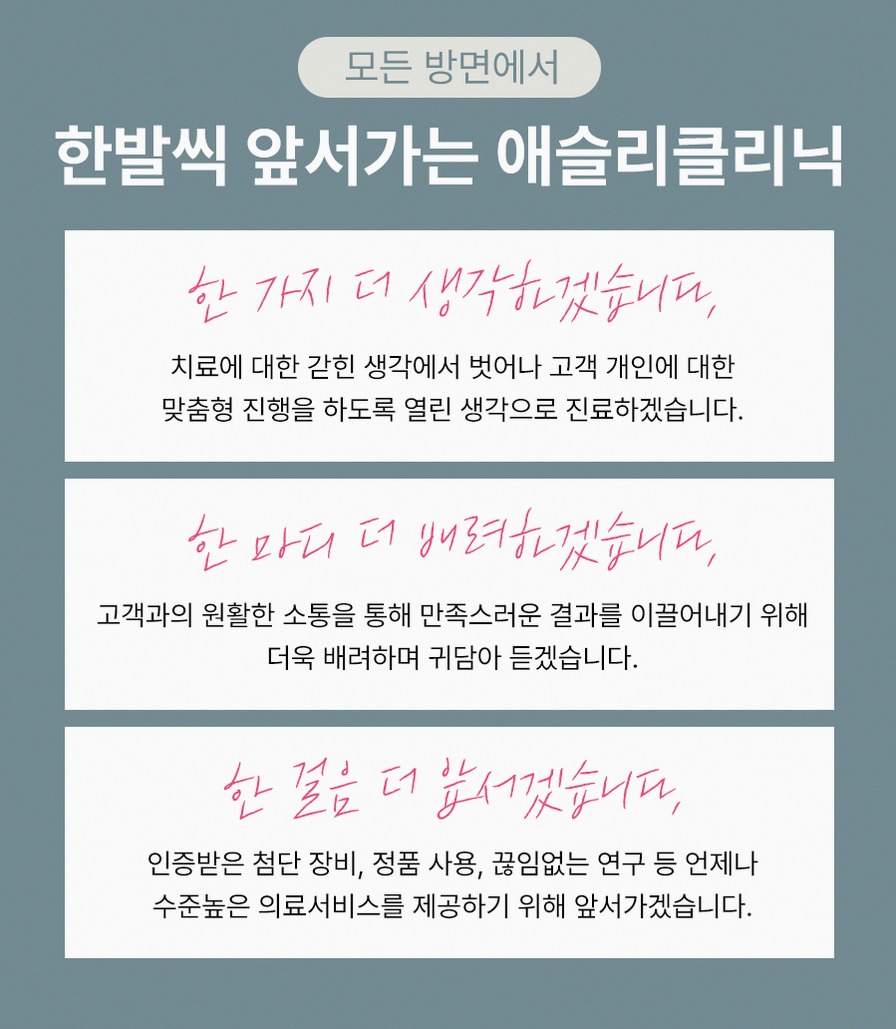
First, look at the experience and training of the doctors in aesthetic and injection procedures. For example, at Athley Clinic in Jamsil, the medical director graduated from Yonsei University College of Medicine, completed residency at Severance Hospital, and has experience directing aesthetic clinics and participating in societies related to anesthesiology, pain medicine, and aesthetic procedures. Another doctor there has a background from Kyungpook National University medical school and aesthetic clinic experience. Backgrounds like these can be relevant when you are evaluating who will be handling your injections.
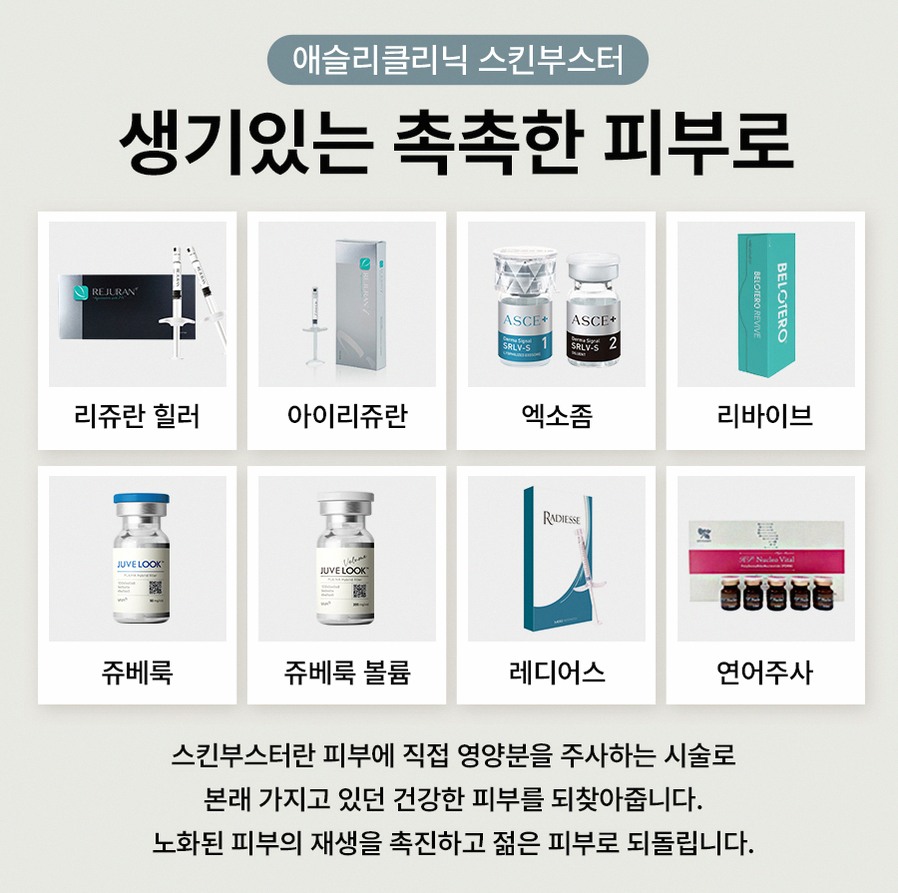
Second, check whether the clinic offers a broad lineup of collagen and skin boosters rather than pushing only one product for everyone. A clinic that carries Rejuran Healer, Juvelook and Juvelook Volume, Radiesse, Belotero including Revive, and similar options can more easily tailor the choice to your skin type and target area. For instance, a patient with thin, sensitive under‑eye skin may need something different from someone focused on jawline firmness or acne scars.
Third, ask about the consultation style. A detailed one‑to‑one consultation that includes skin analysis, discussion of your routine and work schedule, and a review of previous procedures is important. You should feel that the doctor is listening to your priorities and explaining why a particular product and injection plan is recommended.
Fourth, investigate pain management. Skin boosters often involve multiple small injections, so numbing and comfort measures matter. Ask which methods are used: numbing cream, local anesthesia, cooling, or, when appropriate, sedation. Athley Clinic, for example, operates both aesthetic and pain services, and the presence of a doctor active in pain medicine societies can be an advantage if you are particularly anxious about needles or pain.
Fifth, pay attention to hygiene and safety systems. Clinics should use disposable needles or cannulas, maintain clean procedure rooms, and follow safe injection protocols. It is reasonable to ask how they handle sterilization and what they do if bruising or swelling occurs.
Finally, ask about follow‑up. A reliable clinic will usually offer scheduled reviews, explain what to do if you notice unusual symptoms, and give clear aftercare instructions. Some may combine follow‑up visits with simple calming or soothing care if needed.
Pain-minimizing skin boosters: why pain management matters
Many people hesitate to try skin boosters because they are worried about pain. Understanding what to expect and how clinics reduce discomfort can help you decide more calmly.
Typical sensations during skin booster injections include mild stinging when the needle enters, a brief burning feeling from the solution, and a sense of pressure or fullness in the treated area. Because many small injections are often needed across the face or neck, the overall experience can be uncomfortable if pain control is not handled well.
Clinics usually use numbing cream applied 20 to 40 minutes before treatment. Some areas, such as around the mouth or under the eyes, may also receive small local anesthesia injections. Fine needles or soft cannulas can reduce trauma to the tissue and help minimize bruising. Cooling packs before and after the procedure can also reduce pain and swelling.
In some cases, especially for very pain‑sensitive patients or those with needle phobia, sedation can be considered. At a place like Athley Clinic, where there is a pain clinic and doctors with a background in anesthesiology and pain medicine societies, sedation and monitoring may be available as a separate service. If you are considering sedation, it is important that it is performed in an environment with proper monitoring equipment and by doctors familiar with anesthesia.
Good pain control is not only about comfort. When you are more relaxed, the doctor can work more precisely, take the time needed to adjust depth and distribution, and communicate with you during the procedure. This can support a smoother overall experience.
Customized skin booster planning in the Bangi and Jamsil area
ioritize areas and combine treatments based on your main concerns.
A typical consultation process might look like this.
First, skin analysis and conversation. The doctor examines your skin texture, elasticity, pores, and pigmentation, and asks about your main concerns: for example, are you more bothered by under‑eye fine lines, cheek pores, or overall dullness? They also ask about your work schedule, travel plans, and any upcoming events, because this affects how much downtime you can accept.
Second, product selection. Based on the findings, the doctor may recommend a Rejuran‑type product for regeneration and barrier support, a Juvelook‑type product for pores and mild scars, a Radiesse‑type booster for elasticity and contour support, or a hyaluronic acid booster such as Belotero Revive‑type for hydration and glow. Sometimes, different products are used for different zones of the face.
Third, area planning. You and the doctor decide whether to treat the whole face, focus on specific areas like the under‑eye region, cheeks, or around the mouth, or extend treatment to the neck. Neck and lower face boosters can be useful if you are concerned about early sagging or horizontal neck lines.
Fourth, session schedule. Many skin booster protocols involve a series of sessions, often around three treatments spaced three to four weeks apart, followed by maintenance sessions every few months depending on the product and your skin response. This is only a general example; your individual plan may differ.
In some cases, skin boosters are combined with other aesthetic treatments such as laser toning, fractional resurfacing, or non‑surgical lifting devices like Thermage, Shurink, or Accent Prime. These combinations are usually planned carefully to avoid excessive irritation and to match your tolerance for downtime. Any combined plan should be decided only after a direct consultation.
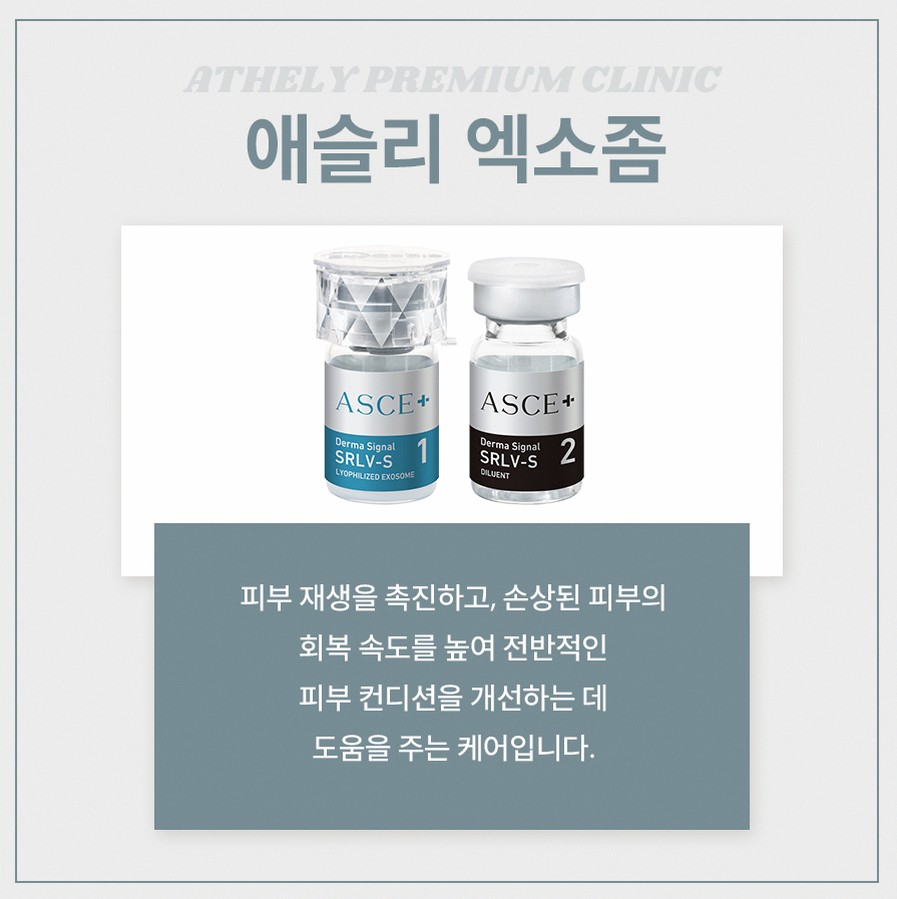
What to expect before and after a skin booster session
If you are traveling to Korea or planning treatment while working near Bangi or Jamsil, knowing the usual steps can help you organize your schedule.
Before treatment, clinics may advise you to avoid blood‑thinning supplements or medications such as high‑dose fish oil, vitamin E, or certain painkillers for a few days, if your personal doctor agrees. You should inform the clinic about any allergies, autoimmune conditions, pregnancy or breastfeeding, and previous reactions to injectables.
During the consultation, discuss realistic expectations. Skin boosters tend to improve texture, hydration, and fine lines gradually rather than producing dramatic overnight changes. Ask about possible side effects, which commonly include redness, swelling, small bumps at injection points, bruising, or temporary sensitivity. For injectable procedures, also ask about rare but more serious complications such as vascular occlusion/vascular compromise (which requires immediate attention), infection, or prolonged nodules. If your plan includes laser or high-frequency devices, ask about device-specific risks like prolonged erythema or pigment changes. These serious complications are uncommon, but the clinic should explain the signs to watch for and ask you to contact them promptly if any concerning symptoms arise.
On the treatment day, your skin will be cleansed and disinfected. Numbing cream is applied and left on for a set time. The doctor then performs the injections using either multiple micro‑injections or a cannula technique, depending on the product and area. The procedure itself may take 10 to 30 minutes, but including consultation, photography, and anesthesia time, you should plan for around 30 to 60 minutes in the clinic.
Immediately after treatment, you can expect mild redness and small bumps, especially with products that are placed very superficially. These usually settle over several hours to a few days. Bruising, if it occurs, can last about one week but can often be covered with makeup after the first day or two, depending on the clinic’s instructions.
Aftercare generally includes avoiding heavy makeup on the same day, staying away from saunas, hot baths, and intense exercise for a short period, and limiting alcohol intake as guided. Gentle cleansing, soothing products, and consistent sun protection are recommended. The skin’s texture and glow often improve gradually over several weeks as collagen production and regeneration processes are stimulated.
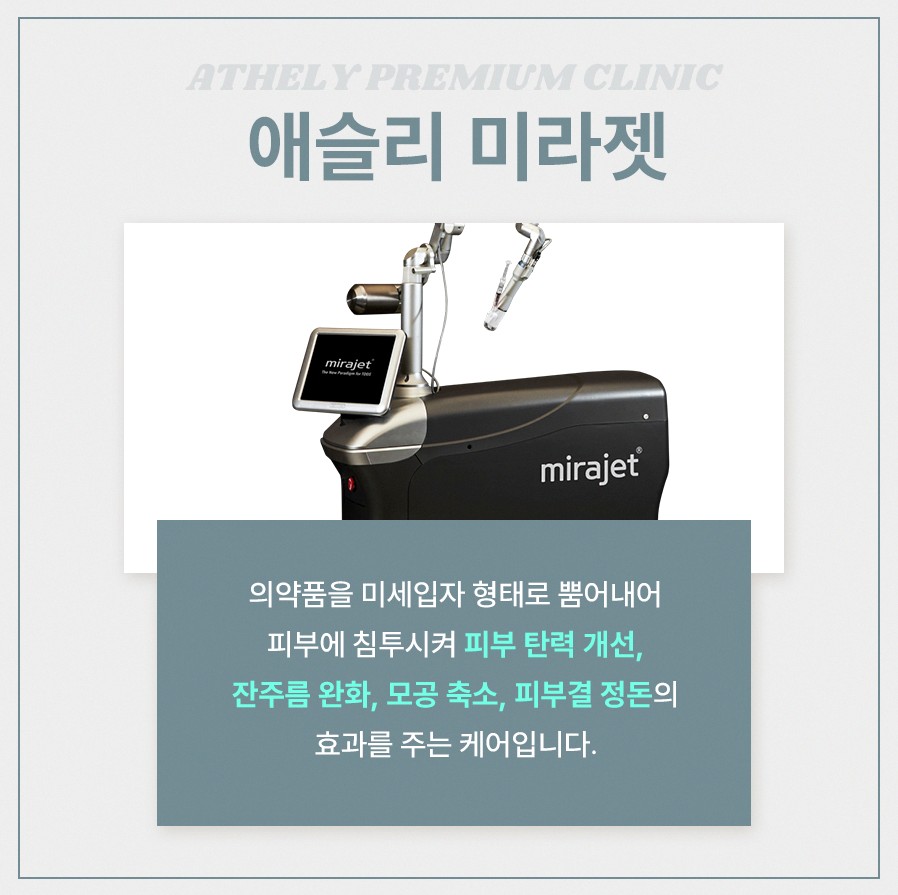
Convenience for office workers around Bangi and Jamsil
Many people searching for skin boosters near Bangi Station are office workers or students who commute through Jamsil and Songpa. For them, convenience and timing are just as important as the treatment itself.
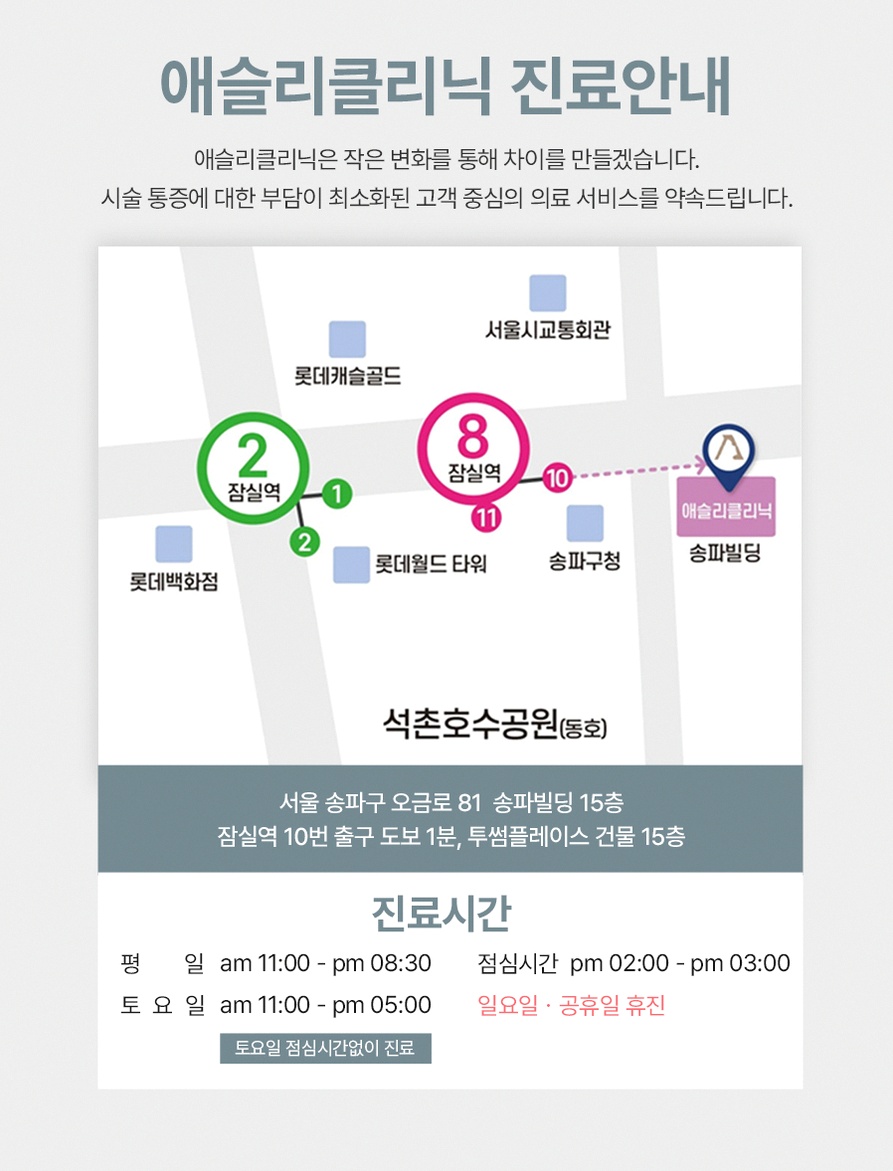
Clinics near major subway exits make it easier to fit appointments into a busy day. Athley Clinic, for example, is located on the 15th floor of the Seegene Songpa Building on Ogeum‑ro, about one minute on foot from Jamsil Station exit 10, in the same building as a Twosome Place cafe. This kind of location can be practical if you are coming straight from work or need to return quickly.
Opening hours also matter. Athley is open on weekdays from 11:00 to 20:30, with a lunch break from 14:00 to 15:00, and on Saturdays from 11:00 to 17:00 without a lunch break. Evening hours allow after‑work visits, and Saturday appointments can be useful if you prefer to rest at home the next day or are visiting Korea only for a short time.
If you are planning multiple sessions, check how easily you can reach the clinic from Bangi Station by subway or bus, and whether the schedule fits your work or travel itinerary.
Online consultation and pre‑visit preparation for overseas patients
For international patients considering skin boosters in the Bangi and Jamsil area, an online or remote consultation before you travel can save time and reduce uncertainty.
Before contacting a clinic, prepare clear photos of your face in natural light from the front and both sides, without heavy makeup or filters. Make a simple list of your main concerns, such as “fine lines under eyes,” “acne scars on cheeks,” or “overall dullness.” Also note any previous procedures you have had, including lasers, fillers, or surgery, and when they were done.
During an online consultation, you can ask which skin booster types they commonly use for cases similar to yours, how many sessions they usually recommend, and what kind of downtime to expect. For clinics like Athley that emphasize a DIY or customized system, you can also discuss whether it is realistic to combine boosters with other treatments during the same visit.
If you are traveling from overseas, share your travel dates and ask the clinic to suggest a realistic schedule. For example, you might plan the first session early in your stay so that most of the redness and bumps have settled before your flight home.
Expected Korea visit timeline for skin boosters
For a short trip focused on one skin booster session, many overseas patients follow a simple schedule.
On day three to five, most people can enjoy sightseeing or meetings with minimal visible signs, though small bruises may still be present in some cases. Gentle skincare and sun protection remain important.
If you plan multiple sessions, for example three treatments spaced three to four weeks apart, a longer stay or repeated visits to Korea will be needed. In that case, online follow‑up between visits can help the doctor adjust your plan.
Aftercare and follow‑up
After your session, follow the clinic’s instructions carefully. Use mild cleansers, avoid harsh exfoliants for a few days, and apply soothing products if recommended. High‑SPF sunscreen is important, especially if you are walking outdoors in Seoul’s strong sun.
If you notice unusual symptoms such as severe pain, spreading redness, or significant swelling, contact the clinic immediately or seek local medical help. Most side effects are mild and temporary, but early communication is always safer.
Some clinics schedule a follow‑up visit to check your skin’s response and discuss whether additional sessions or maintenance treatments are appropriate. For overseas patients, this may be done through photos and online calls.
Frequently asked questions about skin boosters near Bangi Station
How many skin booster sessions do I usually need?
Many protocols recommend a series of about three sessions, spaced roughly three to four weeks apart, to build up collagen and hydration gradually. After that, maintenance sessions every several months may be suggested depending on your age, skin condition, and the specific product used. However, the exact number of sessions should be decided individually with your doctor.
How long do collagen booster effects last?
The visible effects of collagen and skin boosters can vary widely. Some people notice improvements in texture and glow for several months after a series of treatments, while others may feel they need maintenance sooner. Factors such as lifestyle, sun exposure, smoking, and skincare habits all influence how long the benefits seem to last. Your doctor can give a more personalized estimate after examining your skin.
Is a skin booster painful, and what if I am very sensitive to pain?
Most people describe skin boosters as mildly to moderately uncomfortable rather than extremely painful. Numbing cream and cooling are standard in many clinics, and some use additional local anesthesia for sensitive areas. If you are very sensitive to pain or have a strong fear of needles, you can ask about sedation options at clinics that have appropriate monitoring and pain management experience, such as those that also run a pain clinic. Any sedation must be evaluated individually for safety.
Can I combine skin boosters with laser or lifting treatments?
In many cases, skin boosters can be combined with other aesthetic procedures like laser toning, fractional lasers, or non‑surgical lifting devices. The timing and order are important to avoid excessive irritation or overlapping downtime. Some clinics in the Jamsil and Bangi area, including Athley, may design combined plans using devices such as Thermage, Shurink, or Accent Prime as comparisons, but the main focus should remain on your skin’s tolerance and overall safety. Always discuss your full treatment history so the doctor can plan an appropriate schedule.
What is the typical price range in the Bangi and Jamsil area, and why do prices differ?
Prices for skin boosters around Bangi Station and Jamsil can vary depending on the product brand, amount used, doctor’s experience, clinic location, and what is included in the package, such as anesthesia or follow‑up care. Some clinics may appear cheaper but use smaller amounts of product or offer less comprehensive aftercare. When comparing, it is helpful to ask exactly which product is used, how many milliliters are included, whether numbing and follow‑up are part of the fee, and who performs the injections.
Are skin boosters safe for sensitive skin?
Many skin booster products are designed with sensitive or damaged skin in mind, especially polynucleotide‑type boosters. However, sensitivity can mean different things, and not every product is suitable for every person. If you have a history of allergies, eczema, or strong reactions to cosmetics, inform the clinic in detail. A careful consultation and sometimes a gradual approach can help reduce the risk of unwanted reactions.

Soft call to action for online consultation
If you are considering skin boosters near Bangi Station and want to compare options calmly, starting with an online consultation can be a practical first step.
Prepare your questions, photos, and medical history, and contact the clinic to discuss whether collagen or skin boosters are appropriate for you. A thorough one‑to‑one consultation, clear explanation of pain control, and a customized plan will help you make a more confident decision about your treatment in Korea.
- 공유 링크 만들기
- X
- 이메일
- 기타 앱


댓글
댓글 쓰기