Filler results and what to expect in Songpa
- 공유 링크 만들기
- X
- 이메일
- 기타 앱

Direct answer summary
Common treatment areas include nasolabial folds, under-eye hollows, cheeks, nose bridge, chin, jawline, and lips. The duration of results varies by product, treated area, and individual metabolism; your clinic will discuss expected timelines in consultation. Mild swelling or bruising is common for a few days, and most people return to daily activities quickly. The quality and duration of your results depend on careful facial analysis, product choice, injection technique, and your own health and lifestyle, so an in-person consultation is essential.
Treatment overview: dermal fillers in Songpa and Jamsil
Dermal fillers are injectable gels used to restore lost volume, soften wrinkles, and enhance facial contours without surgery. In the Songpa and Jamsil area, adults seeking a non-surgical facial refresh commonly consider fillers as a relatively quick way to refine their appearance or specific features.
Most commonly used fillers in clinics in this area are based on hyaluronic acid, a substance that naturally exists in the skin and is gradually broken down by the body over time. Because it is temporary and adjustable, hyaluronic acid filler is often preferred for first-time patients and for areas where fine control is important.
Typical treatment areas include nasolabial folds, marionette lines at the corners of the mouth, cheeks, under-eye hollows, nose bridge, chin, jawline, lips, and some fine lines. The exact plan depends on your facial structure and priorities.
Clinics such as ATHLEY CLINIC in Jamsil, Songpa-gu, Seoul, combine aesthetic treatments with a focus on comfort and pain control, which may be reassuring if you are nervous about injections.
What kind of visible results can you expect
Most people searching for Songpa filler results want to know how their face might actually look after treatment. While every face is different, there are some common patterns.
Nasolabial folds and marionette lines
For deep smile lines that run from the nose to the mouth (nasolabial folds), fillers can soften the crease so it looks less harsh. The goal is usually not to erase the fold completely, but to reduce the shadow and tired appearance.
For marionette lines at the corners of the mouth, filler can gently lift and support the area so the mouth corners look less downturned. This can give a more relaxed, less “sad” expression.
Under-eye hollows and cheeks
Under-eye fillers are often used for hollowing or dark shadowing caused by volume loss. When done carefully with a soft product, the transition between the lower eyelid and the cheek can look smoother, which may make you look more rested. Because the under-eye area is delicate, a conservative, step-by-step approach is common.
Cheek fillers can restore midface volume that has flattened with age or weight loss. This can subtly lift the lower face, reduce the appearance of folds, and create a healthier, more three-dimensional look.
Nose bridge, chin, and jawline
In the nose bridge, fillers can create a straighter, slightly higher profile, especially helpful for small irregularities or a low bridge. This is sometimes called non-surgical nose shaping.

Chin fillers can lengthen or project a weak chin, improving the side profile and balancing the lower face. Jawline fillers can sharpen the angle of the jaw, reduce the look of jowls, and give a more defined outline.
Lips and fine lines
Lip fillers in Songpa and Jamsil are often requested for subtle volume and shape correction rather than very dramatic enlargement. Many patients ask for a natural look that still fits their overall face.
Fine lines around the mouth or in other areas can sometimes be softened with small amounts of filler placed superficially. The aim is to improve texture and light reflection, not to overfill.
Natural versus dramatic results
Modern filler work in this area tends to favor harmonious, natural-looking enhancement. The final effect depends on the design, the amount of product, and your starting anatomy. During consultation, you can discuss whether you want a very subtle change that others may not notice directly, or a more visible transformation, and the plan can be adjusted accordingly.
How fast results appear and how long they last
Onset of results
Many patients notice an immediate change in volume and contour, although initial swelling can affect how results appear until they settle.
However, there is often mild swelling, redness, or small needle marks for a few days. In some areas, such as lips or under-eyes, swelling can temporarily make the result look fuller or uneven. Most people find that the appearance stabilizes over about 1 to 2 weeks as swelling settles and the filler integrates with the tissues.
Typical duration of results
Duration is always approximate and varies between individuals, but some general ranges are:

Fine lines and very superficial areas: often several months, as softer, lighter fillers tend to be broken down more quickly.
Nasolabial folds and marionette lines: roughly 6 to 12 months, depending on product type, amount, and your metabolism.
Cheeks, chin, and jawline: often closer to 9 to 18 months, because firmer, more structured fillers are used and placed deeper.
Nose bridge: many patients notice results for around 9 to 12 months, sometimes longer, again depending on product and individual factors.
Lips: often around 6 to 9 months, as the lips move a lot and blood supply is rich, which can shorten duration.
What influences how long fillers last
Product type and cross-linking: Some fillers are designed to be softer and more flexible, others to be firmer and longer-lasting. More cross-linked products usually stay longer but may be less suitable for very mobile or delicate areas.
Injection depth and area: Deeper, structural injections in areas with less movement (such as the cheekbone or chin) usually last longer than very superficial injections in mobile areas like the lips.

Individual metabolism and lifestyle: People with a faster metabolism, frequent intense exercise, or habits like smoking may notice that fillers break down more quickly. Sun exposure and general skin quality also play a role.
Because of these variables, clinics typically explain that any duration figures are ranges, not guarantees.
Factors that influence the quality of filler results
Assessment and design
A detailed 1:1 consultation is one of the most important steps. During this time, the doctor assesses your facial proportions, asymmetry, skin thickness, and aging pattern. They also listen to your concerns and what you want to change.
Rather than copying a trend photo or celebrity face, a customized plan is usually safer and more natural. For example, the same amount of filler that looks subtle on one person may look overdone on someone with a smaller face.
Product selection
Different filler brands and densities are chosen depending on the area and purpose. Softer, more flexible products are often used for under-eye hollows or lips, where movement and delicacy are important. Firmer, more structured products are used for areas needing support, such as the chin, jawline, or cheekbones.
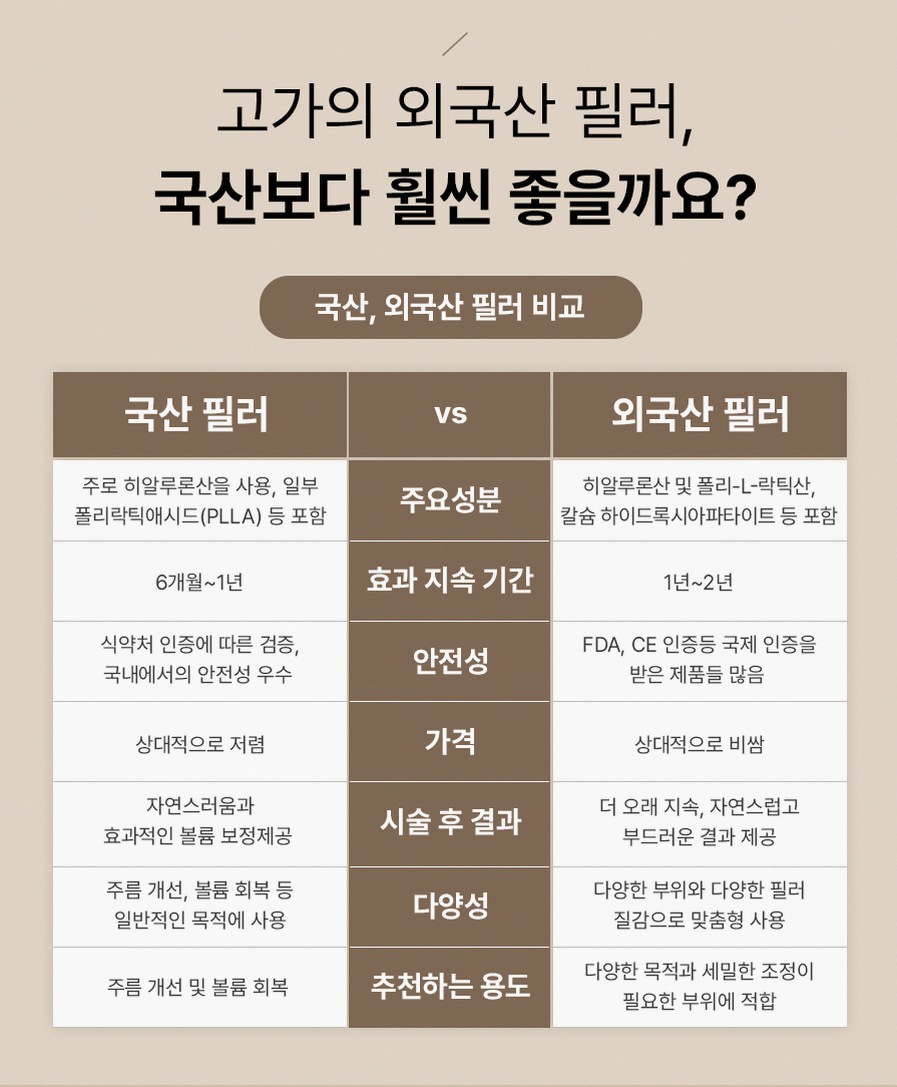
Clinics in Songpa and Jamsil commonly use a range of well-known filler brands such as Juvederm, Restylane, Belotero, Neuramis, and others. The choice is typically based on the area being treated and the characteristics of your tissues, not a one-size-fits-all approach.
Injection technique
How the filler is placed matters as much as which product is used. Layering, depth, and precise placement strongly affect how natural and long-lasting the result looks.

A good understanding of facial anatomy helps the doctor avoid important blood vessels and nerves, reduce the risk of complications, and create smoother transitions between treated and untreated areas. Techniques may include using a needle, a blunt-tipped cannula, or a combination, depending on the area and goal.
Pain, anesthesia, and comfort
Many first-time patients worry about pain. In the Songpa and Jamsil area, clinics generally use several methods to keep you comfortable.
Topical numbing cream is often applied to the skin before injection to reduce surface pain. In some cases, a small amount of local anesthetic injection is used for extra comfort, especially in sensitive areas.
Many modern filler products contain lidocaine, a local anesthetic, inside the gel. As the filler is injected, the lidocaine gradually numbs the area from within, making later injections more tolerable.
At clinics with a pain-management focus like ATHLEY CLINIC, the medical director has a background in anesthesia and pain medicine and also runs a pain clinic for chronic musculoskeletal pain. This experience supports careful pain control strategies for aesthetic procedures. For selected cases and when medically appropriate, painless sleep sedation options may be offered.
The choice of anesthesia method always depends on the procedure type, treatment area, your health status, and your comfort level. These options should be discussed in detail during consultation.
Safety, side effects, and aftercare
Common short-term reactions
After filler injections, some temporary effects are very common:
Redness and swelling around injection points
Mild bruising
Tenderness or slight soreness when touching the area
Occasional small lumps that usually soften as the filler settles
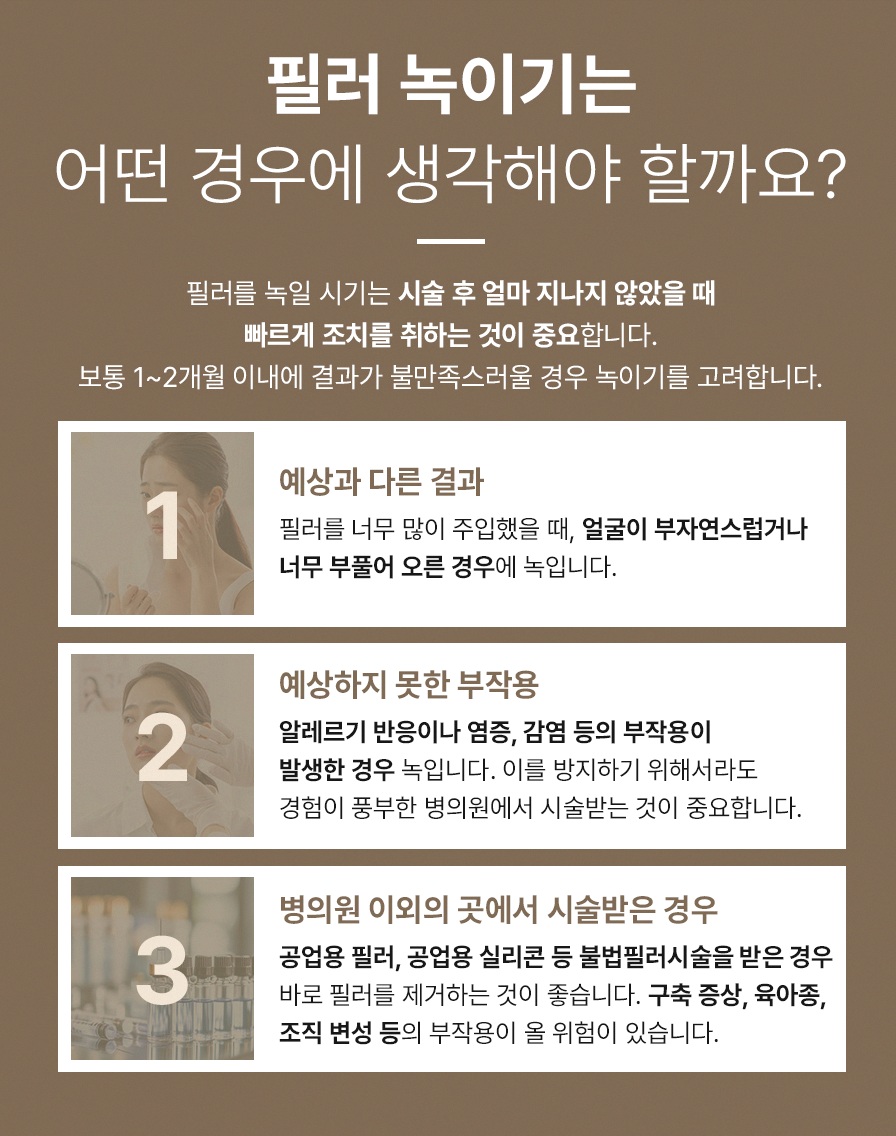
These reactions usually improve over several days to about 2 weeks. Applying a cool pack gently (if recommended by the clinic) and sleeping with your head slightly elevated for the first night may help with swelling.
Less common but more serious risks
More serious complications are less common but important to understand:
Vascular occlusion, where filler accidentally enters or compresses a blood vessel
Infection at the injection site
Persistent nodules or unevenness
Significant asymmetry or undesired shape
Because of these possibilities, it is important to be treated by a doctor familiar with facial anatomy and with the management of filler-related complications. There are medical options to address unsatisfactory results; discuss available reversal or management options during consultation.
General aftercare guidance
Exact aftercare instructions should always come from your treating doctor, but typical advice includes:
Avoid rubbing, pressing, or massaging the treated area strongly for a certain period, unless your doctor specifically instructs you to massage.
Avoid intense heat such as saunas, hot baths, or very hot yoga immediately after treatment, as heat can increase swelling.
Avoid heavy exercise and alcohol for a short time after the procedure, as these can worsen bruising and swelling.
Monitor for unusual pain, color change of the skin (especially pale or dark patches), or severe swelling, and contact the clinic promptly if these occur.
What is distinctive about filler care in this Jamsil context
Location and accessibility
For overseas patients staying in Seoul, Songpa-gu and Jamsil are convenient areas with good transport links. ATHLEY CLINIC is located near Jamsil Station Exit 10, within about a 1-minute walk in a mixed-use building, making it easy to reach even if you are unfamiliar with the city.

Evening hours on weekdays until around 8:30 pm can be helpful if you are combining treatment with sightseeing or business meetings and need flexible scheduling.
Combined aesthetic and pain clinic structure
The clinic provides both cosmetic procedures such as fillers, botulinum toxin injections, lifting treatments, and skin boosters, and also chronic pain care in one place. This structure supports a strong focus on pain control and overall comfort during aesthetic procedures, which may be especially valuable if you are anxious about injections or have had painful experiences elsewhere.
Wide filler and skin booster lineup
A broad range of filler brands and collagen or skin boosters, such as Rejuran, Juvelook, Radiesse, Belotero Revive, and others, allows more tailored treatment plans. For example, a plan might combine a structural filler in the chin or cheeks with a skin booster for texture and glow, rather than relying on a single product to address every concern.
DIY-style customization concept
The clinic promotes a 1:1 “DIY” style system, where patients can discuss and select areas and types of care according to their concerns, under medical guidance. This does not mean self-treatment, but rather an interactive planning process where you can prioritize areas such as nasolabial folds, jawline, or under-eye, depending on your budget, time, and goals.
Content and information policy
The clinic operates separate pages for editorial and verification standards and for medical information notices on its website. For overseas patients, this can be a sign that the clinic takes information reliability and transparency seriously.
Who might consider fillers in Songpa and who should be cautious
Potentially suitable candidates
Adults with volume loss, deepened folds, or contour concerns who want non-surgical improvement may be good candidates for fillers. Many people in their late 20s to 40s choose fillers for early anti-aging, such as softening first lines or improving facial balance.
People who want subtle refinement of features, such as a slightly higher nose bridge, a more defined chin, or a smoother under-eye area, and who prefer minimal downtime, may find fillers appropriate.
Those who should be cautious
Certain individuals need extra caution or may not be suitable for fillers:
Pregnant or breastfeeding individuals
People with specific autoimmune diseases, bleeding disorders, or severe allergies
Anyone with a history of severe reactions to filler ingredients
Individuals with unrealistic expectations or strong body dysmorphic tendencies
Only an in-person medical consultation, including your medical history and possibly additional tests, can determine whether fillers are appropriate for you and what type of product and plan is safest.
Online consultation and pre-visit preparation for overseas patients
Before traveling to Korea, many international patients start with an online consultation. This can help you understand whether your goals are realistic, what kind of timeline to expect, and how many sessions might be needed.
To prepare for an online consultation, it is helpful to:
Take clear photos of your face from the front, 45-degree angles, and both side profiles in good lighting.
List your main concerns in order of priority, such as “nasolabial folds,” “under-eye hollows,” or “weak chin.”
Prepare a brief medical history, including allergies, medications, previous aesthetic procedures, and any chronic illnesses.
Think about your schedule in Korea, including arrival and departure dates, so the clinic can suggest appropriate timing.
During the online consultation, you can ask about possible treatment options, approximate number of syringes that might be needed, expected downtime, and what to avoid before and after treatment. Keep in mind that final decisions are usually made after an in-person examination.
Expected Korea visit timeline for filler treatment
For most overseas patients, filler treatment can fit into a short stay.
Day 1: In-person consultation and possible treatment
On your first clinic visit, you will have a detailed consultation and facial analysis. If both you and the doctor agree to proceed and there are no medical reasons to delay, many patients can receive filler treatment on the same day.
Procedure time depends on the number of treatment areas and preparation steps; your clinic will provide an expected duration during consultation.
Days 2–3: Early recovery
You may have mild swelling, redness, or bruising. Many people can still go sightseeing or attend meetings, but you may prefer light activities and minimal makeup, especially on the first day.
If you are planning important photos or events, it is safer to allow several days for swelling and any bruising to improve.
Days 5–14: Settling period
Most swelling and minor irregularities usually calm down within 1 to 2 weeks. If a follow-up check is recommended, it is often scheduled within this time frame, especially if you will still be in Korea.
If you have a very short stay, discuss with the clinic in advance whether follow-up can be done online with photos after you return home.
Aftercare for international patients
For overseas patients, clear aftercare instructions are especially important because you may not be able to visit the clinic easily after returning home.
Typical aftercare points include:
Avoiding strong pressure, facial massages, or aesthetic treatments directly over the filler area for a certain time.
Avoiding saunas, very hot baths, and high-intensity exercise for a few days, as advised.
Using gentle skincare and avoiding harsh exfoliation over treated areas until the skin has fully calmed.
Watching for any signs of complications, such as severe pain, skin color changes, or persistent lumps, and knowing how to contact the clinic quickly if they appear.

You can also ask the clinic to provide a short summary of the products used, areas treated, and any important medical notes, in case you need to show this information to a doctor in your home country.
Frequently asked questions about Songpa filler results
How natural can filler results look if I get them in Songpa or Jamsil
In the Songpa and Jamsil area, many clinics aim for natural-looking results that blend with your existing features rather than dramatic changes. With careful assessment, conservative product amounts, and appropriate product choice, fillers can often look subtle enough that others simply notice you look fresher or more balanced, without easily identifying that you had a procedure. The final look depends on your starting anatomy, your preferences, and the injection technique, so clear communication with your doctor is essential.
How long do filler results usually last in areas like the nose, chin, or nasolabial folds
For the nose bridge and chin, where firmer fillers are often placed more deeply, many patients see results for around 9 to 12 months, sometimes longer, depending on the product and individual metabolism. Nasolabial folds often maintain improvement for about 6 to 12 months. These are general ranges rather than guarantees, and factors such as lifestyle, smoking, and exercise intensity can influence how quickly your body breaks down the filler.
Is the filler procedure very painful, and what anesthesia options are available
Most patients describe filler injections as uncomfortable rather than extremely painful. Topical numbing cream is commonly used, and many fillers contain lidocaine, which numbs the area from within during the procedure. In some cases, additional local anesthetic injections are offered. At clinics with a pain-management focus, such as ATHLEY CLINIC, painless sleep sedation may be available for selected patients and procedures, depending on health status and after a detailed consultation.
How soon can I go back to work or sightseeing after filler
Many people are able to return to office work or light daily activities immediately after treatment. However, mild swelling, redness, or bruising can be visible for a few days, especially in sensitive areas like the lips or under-eyes. If you are planning photos or important meetings, it is wise to allow several days for the appearance to settle. Most international patients can continue sightseeing with only minor adjustments, such as avoiding heavy exercise and saunas for a short time.
Can fillers be dissolved or reversed if I do not like the result
Hyaluronic acid fillers can often be adjusted or reduced using an enzyme called hyaluronidase, which breaks down the filler. This is usually done by a doctor familiar with filler management and only after careful assessment, as dissolving can also affect your natural tissue. Not all filler types are reversible in this way, so it is important to confirm which product is being used before treatment and discuss this aspect during consultation.

How often do I need maintenance treatments
Maintenance frequency depends on the area treated, product type, and how your body metabolizes filler. Many people schedule touch-ups every 6 to 12 months for folds and lips, and every 9 to 18 months for structural areas like cheeks or chin. Some prefer smaller, more frequent top-ups to maintain a very stable look, while others wait until the effect has mostly faded before repeating treatment. Your doctor can help you plan a schedule that fits your goals and travel plans.
Soft call to action for online consultation
If you are considering dermal fillers during a visit to Seoul and want realistic, medically grounded information about what is possible for your face, an online consultation before your trip can be very helpful. You can share photos, discuss your concerns, and get an initial idea of suitable areas and likely timelines.
For patients interested in combining aesthetic care with careful pain control near Jamsil Station in Songpa-gu, contacting ATHLEY CLINIC in advance allows you to coordinate your travel schedule and treatment plan more smoothly. Remember that final decisions about suitability, product choice, and exact design are always made after an in-person examination with the treating doctor.

- 공유 링크 만들기
- X
- 이메일
- 기타 앱


댓글
댓글 쓰기