best non-surgical lifts and short-trip plan for visitors
- 공유 링크 만들기
- X
- 이메일
- 기타 앱

Direct answer summary
If you are searching for Jamsil Saenae lifting, you are usually looking for non‑surgical treatments that tighten sagging skin, soften wrinkles, and refine the jawline near the Jamsil and Jamsil Saenae area. alistic expectations.
What Jamsil Saenae lifting usually means
When people type Jamsil Saenae lifting, they are not looking for a specific brand name, but for convenient, non‑surgical facial lifting near Jamsil Station and Jamsil Saenae. Most are office workers or residents who want to improve early sagging and wrinkles without a surgical facelift and with minimal downtime.
In this context, lifting usually includes three main categories.
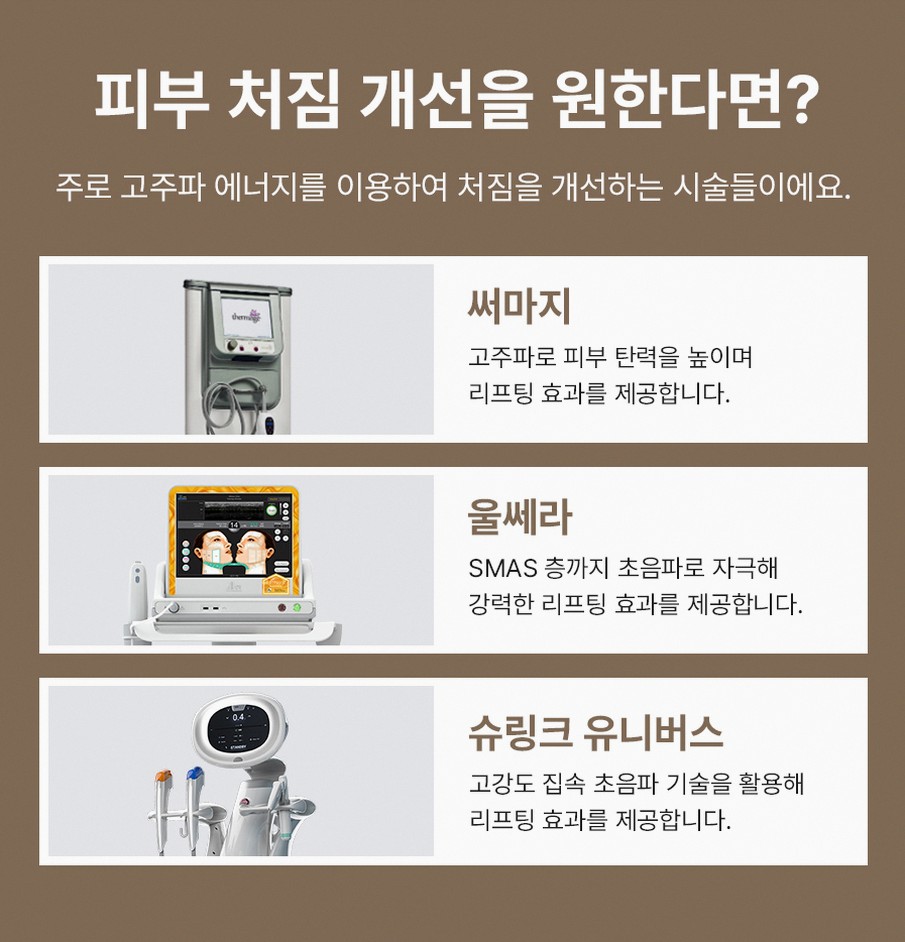
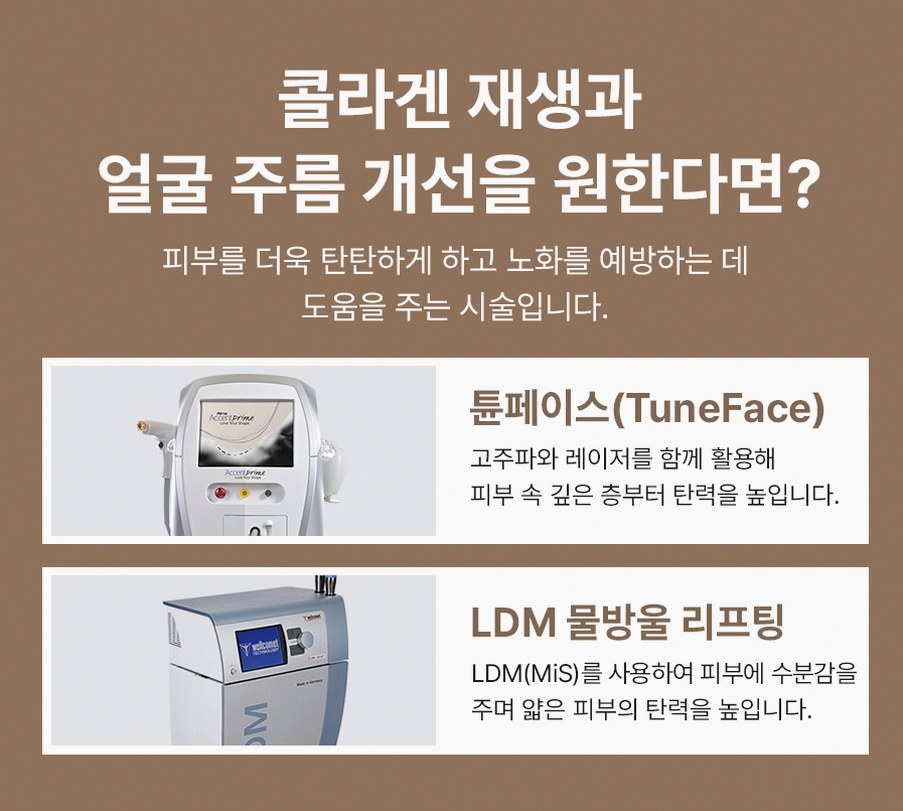
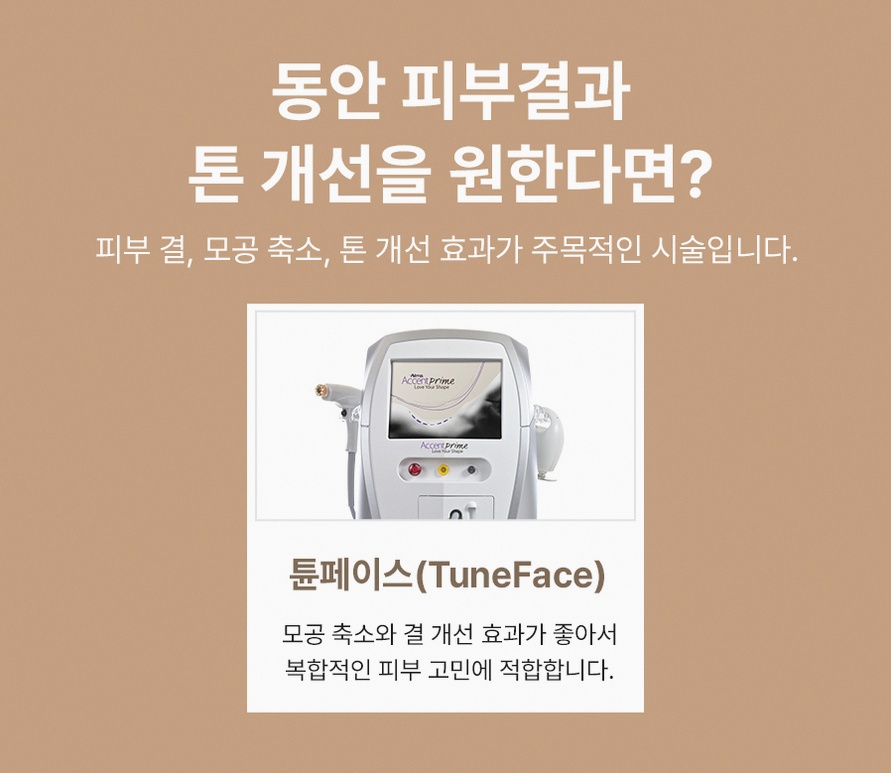
Energy‑based lifting devices such as Thermage, Shurink (including Silver Shurink), and Accent Prime use radiofrequency or ultrasound to heat deeper layers of the skin. This stimulates collagen remodeling and can improve overall firmness, jawline definition, and skin texture.
Thread lifting uses fine, absorbable threads placed under the skin to give a mechanical lift and trigger collagen production along the thread path.
Collagen and skin boosters such as Rejuran Healer, Juvelook, Radiesse, Belotero Revive and similar products are injected into the dermis to improve thickness, hydration, and fine wrinkles. They do not replace lifting devices, but can enhance and support the lifting effect.
Typical concerns for Jamsil Saenae lifting
People who come for lifting around Jamsil and Jamsil Saenae often mention similar concerns.
They notice nasolabial folds getting deeper, marionette lines around the mouth, and a less defined jawline. Cheeks may look heavier or droopy, and early jowls can appear near the corners of the jaw. Some also worry about enlarged pores, rough texture, and an overall loss of elasticity even if the sagging is still mild.
Non‑surgical lifting aims to gently tighten these areas, improve contour, and refresh the skin surface, while keeping recovery time short enough to fit around work or travel schedules.
Lifting treatment options near Jamsil Saenae
Energy‑based lifting devices
Thermage is a monopolar radiofrequency device that delivers heat deep into the dermis. It is often chosen for overall facial tightening, jawline refinement, and sometimes the eye area. You may feel a brief heat sensation with each pulse. Results tend to appear gradually over 2 to 3 months as collagen remodels.
Shurink and Silver Shurink are HIFU‑type ultrasound devices that target the SMAS layer, the same layer addressed in surgical facelifts. They are commonly used for jawline, cheeks, and under‑chin areas to help with mild to moderate sagging. During treatment, you typically feel tingling or short bursts of heat along the treated lines.
Accent Prime is a platform that combines ultrasound and radiofrequency. For the face, it is used more for elasticity, fine lines, and texture than for a dramatic lift. It can be helpful when you want a smoother, firmer skin surface to complement other lifting treatments.
Thread lifting
Thread lifting involves inserting absorbable threads under the skin through small entry points. The threads provide a mechanical lifting effect and also stimulate collagen as they dissolve over time.
This option is often considered when sagging is more visible, for example in the lower face and jowl area, or when someone wants a clearer lifting effect than devices alone can provide. Local anesthesia is used to keep the procedure more comfortable. Some tightness, swelling, or bruising can occur for a few days.
Collagen and skin boosters
Collagen and skin boosters are not lifting devices, but they play an important supporting role.
Rejuran Healer, Juvelook, Radiesse, Belotero Revive and similar products are injected in small amounts across the face. They aim to improve dermal quality, fine wrinkles, and elasticity. By thickening and hydrating the skin, they can make the results of devices and threads look more refined and last longer.
These boosters are often used around the under‑eye, cheeks, fine lines, and areas with visible pores or texture issues.
How a clinic in Jamsil may structure lifting plans
ATHLEY CLINIC is located in Songpa‑gu, near Jamsil Station Exit 10, within about a one‑minute walk in a mixed‑use building. This kind of location is convenient for office workers who want to visit after work or on Saturdays.
The clinic offers both aesthetic treatments — lifting, fillers, pigmentation care, and anti‑aging — and a pain clinic for chronic musculoskeletal pain and wellness injections, with sedation anesthesia and structured pain‑control options to help minimize procedural discomfort. The medical director's background in anesthesiology and membership in pain medicine societies supports the clinic's emphasis on pain management during cosmetic procedures.
Instead of using a single fixed protocol, the clinic follows a more customized approach where lifting devices, threads, and boosters are combined according to each person’s facial structure, skin condition, and schedule.
DIY‑style customization concept
In this context, DIY does not mean doing anything yourself at home. It refers to a customized program where you actively participate in planning.
During a one‑to‑one consultation, you discuss your main concerns such as jawline, cheeks, under‑eye area, neck, or fine wrinkles. The clinician then suggests a tailored mix of treatments. For example, you might combine Shurink for jawline tightening, a small number of threads for early jowls, and a skin booster for under‑eye fine lines.
The clinic does not rely on only one filler or booster brand. Depending on the area and skin condition, products such as Juvederm, Belotero, Restylane, Radiesse, and others may be chosen. This flexibility is especially useful for Jamsil office workers or international visitors who want to address several issues in a limited number of visits.
Pain control and comfort
One of the practical concerns with lifting is pain and discomfort. Because this clinic also operates a pain clinic, it emphasizes the idea of becoming more beautiful with as little pain as reasonably possible.
Pain management can include topical anesthetic cream, local anesthesia injections, nerve blocks for certain areas, or sedation anesthesia for those who are very anxious or undergoing more intensive combination treatments. Sedation is offered as a separate service when appropriate.
Not everyone needs sedation. Many people tolerate energy‑based lifting with only topical or local anesthesia. However, knowing that structured pain control options are available can reduce fear, especially for overseas patients who are nervous about trying a new procedure in another country.
Who may consider Jamsil Saenae lifting
Age and skin condition
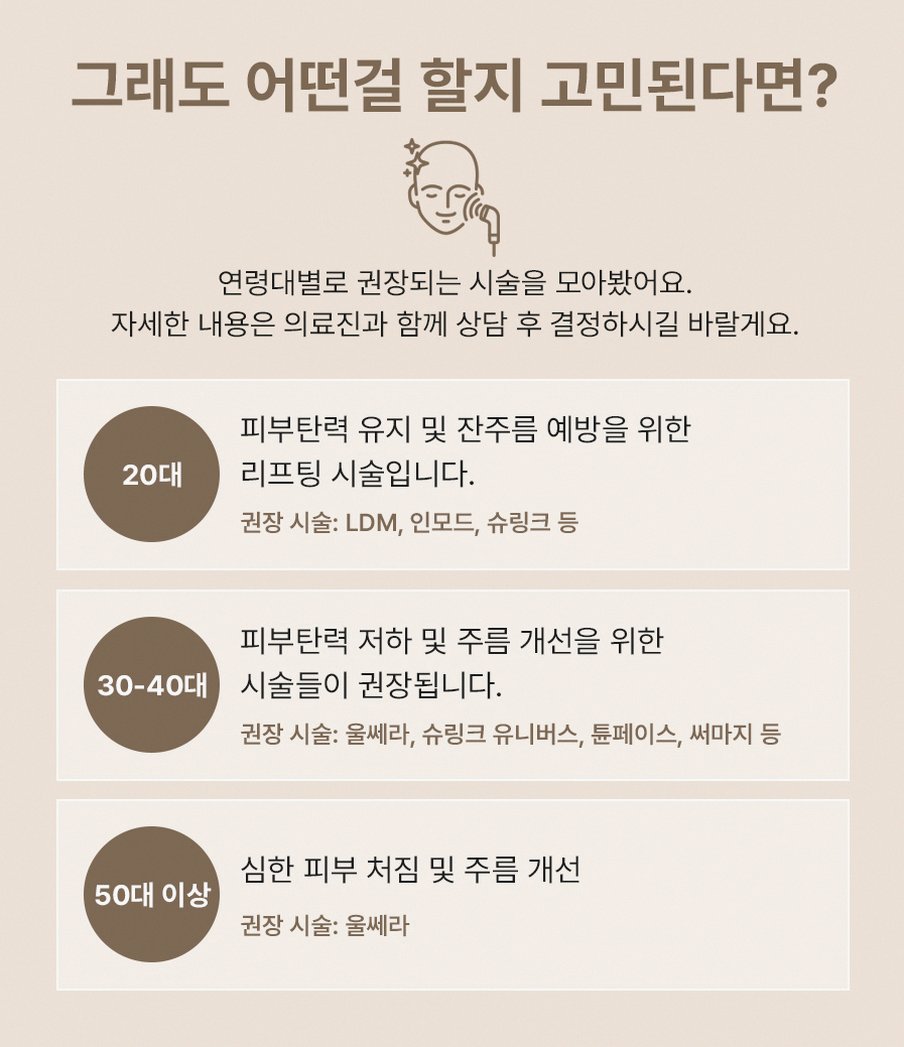
Non‑surgical lifting is commonly considered from the late 20s onward. In the late 20s and 30s, the focus is often on prevention and early correction of mild laxity, enlarged pores, and fine lines. In the 40s and 50s, attention shifts to more visible sagging, deeper folds, and volume loss.
You may be a candidate if you notice any of the following.
Mild to moderate sagging of cheeks or jawline
Deeper nasolabial folds or marionette lines
Early jowls or a less defined chin‑neck angle
Fine wrinkles and rough texture
Loss of elasticity around the eyes or mouth
Lifestyle and preferences
Jamsil Saenae lifting is well suited for people who want to avoid or delay a surgical facelift, prefer shorter recovery, and need to fit treatment around work or travel.
Office workers in the Jamsil area can benefit from weekday hours that extend to around 20:30 and Saturday hours without a lunch break. This makes it easier to schedule treatments after work or on weekends without taking much time off.
Overseas patients who plan a short stay in Seoul often choose non‑surgical lifting because most procedures are done in one session with relatively quick recovery.
How treatment choices are made
Initial assessment
During the first consultation, the clinician usually evaluates several points.
Facial structure and proportions
Skin thickness and degree of laxity
Main complaint areas: midface, lower face, neck, or under‑eye
Medical history, medications, and previous procedures
Pain tolerance, schedule, and budget
Planning the combination
Based on this assessment, a plan is created.
For younger patients with mild laxity, the focus may be on HIFU or radiofrequency devices plus collagen or skin boosters. This can help maintain firmness and improve texture without over‑treating.
For more pronounced sagging, thread lifting may be added to energy devices. In some cases, volumizing fillers are used to restore lost volume in the cheeks or temples, which can indirectly improve the appearance of folds.
It is important to understand that a single session may not solve every concern. Some protocols involve repeating devices every 6 to 12 months and maintaining boosters at intervals of several months to a year, depending on how your skin responds.
What to expect during non‑surgical lifting
Pre‑procedure steps
Before treatment, your face is usually cleansed and standardized photographs may be taken for medical records and progress tracking. The clinician marks the treatment areas on your skin and explains the steps again.
Topical anesthetic cream is applied for devices and boosters, and local anesthesia is added for thread lifting. At this point, you can discuss any remaining concerns about pain, sedation options, or downtime.
During energy‑based lifting
For Thermage, Shurink, Silver Shurink, or Accent Prime, you will feel repeated pulses of heat or tingling. The intensity can be adjusted within safe limits according to your tolerance. A full‑face session may take around 30 to 60 minutes, depending on the device and the number of passes.
During thread lifting
For thread lifting, local anesthesia is injected at planned entry points. You may feel pressure or pulling as the threads are inserted and adjusted, but sharp pain should be minimized by the anesthesia. The mechanical lifting effect is visible immediately, though there can be temporary asymmetry or tightness that settles over time.
During collagen and skin booster injections
Boosters are injected using very fine needles or cannulas in multiple small points. You may feel brief stinging or pressure. This part of the treatment is usually shorter but can leave small bumps or redness that fade over the following days.
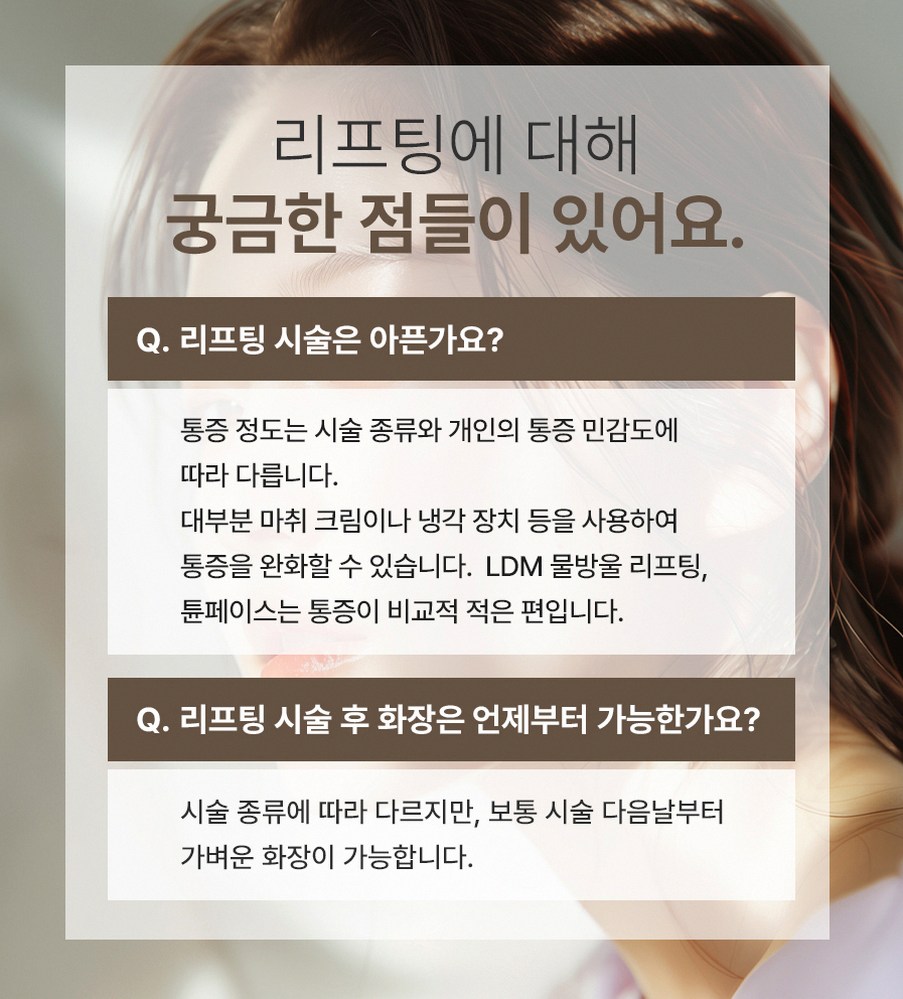
Post‑procedure and downtime
After energy‑based lifting and other non‑invasive treatments, most people experience mild redness, swelling, or tenderness that improves within hours to a few days. After injections such as dermal fillers or neuromodulators, local bruising, swelling, and small bumps can occur and typically settle within several days.
Be aware of specific possible adverse events: with fillers and botulinum products this can include bruising, prolonged swelling, redness, infection at the injection site, and — in rare cases — vascular occlusion; if you suspect severe pain, increasing pallor, prolonged discoloration, or any sign of compromised circulation, contact the clinic immediately. For laser, radiofrequency, and other high‑frequency devices, transient erythema and swelling are common, and there is a possibility of post‑inflammatory hyperpigmentation or hypopigmentation in uncommon cases. These more serious events are uncommon, and the clinic provides post‑procedure instructions and follow‑up to monitor healing and manage complications promptly.
After energy‑based lifting, most people experience mild redness or swelling that improves within hours to a couple of days. Makeup is often allowed the next day, but this can vary by individual and device settings.
After thread lifting, you may have bruising, swelling, or a tight sensation when moving facial muscles. These effects usually improve over several days to a couple of weeks. You may be advised to avoid wide mouth opening, strong facial massage, or sleeping on your side for a short period.
After boosters, small bumps, redness, or mild bruising can appear, especially in thin‑skinned areas. These typically settle within several days.
For all lifting procedures, general guidance often includes avoiding intense heat such as saunas, heavy alcohol intake, and vigorous exercise or facial massage for a few days, according to your clinician’s instructions.
Expected results and maintenance
Onset of improvement
Energy devices can give a subtle immediate tightening due to collagen contraction, but the main improvement appears gradually over 2 to 3 months as new collagen forms.
Thread lifting shows a visible lift right away, with further refinement as swelling decreases and collagen develops along the threads.
Collagen and skin boosters usually show progressive improvement in texture, fine lines, and elasticity over several weeks as the dermis remodels.

Duration and maintenance
Energy‑based lifting effects often last around 6 to 12 months, depending on the device, treatment intensity, and individual aging.
Thread lifting mechanical support may last around 1 to 2 years, with longer‑term benefit from the collagen that remains after the threads dissolve.
Boosters are often maintained every several months to a year, depending on the product type and your skin’s needs.
Results vary between individuals. Lifestyle factors such as sun exposure, smoking, sleep, and skincare also influence how long the effects are visible. Non‑surgical lifting does not stop aging and does not provide permanent or guaranteed outcomes.
Planning a Korea visit for Jamsil Saenae lifting
Online consultation and pre‑visit preparation
Before you travel, it is helpful to arrange an online consultation.
You can prepare by taking clear photos of your face from the front and both sides in good lighting, without heavy makeup or filters. Make a list of your main concerns and priorities: for example, jawline sagging, smile lines, or under‑eye creasing.
Share your medical history, including any chronic conditions, medications, allergies, and previous procedures. If you have limited time in Korea, mention your arrival and departure dates so the clinic can suggest a realistic plan and schedule.
Expected visit timeline
For many overseas patients, a typical timeline might look like this.
Day 1: In‑person consultation, facial assessment, and treatment planning. Some patients can receive energy‑based lifting and boosters on the same day if there are no contraindications.
Day 2 to 3: Optional follow‑up check for swelling or early reaction, especially if threads were placed. Light sightseeing is usually possible, but you may prefer to avoid intense activities if you have visible bruising.
Day 4 onward: Many people can return to normal routines, but recovery varies by procedure and individual response. If you plan to fly home, discuss your travel plans with your treating clinician before departure — especially if you received sedation, experienced significant swelling or bleeding, or had any complications — so you can receive personalized clearance and any specific precautions.
If your schedule is very tight, discuss in advance whether same‑day consultation and treatment are possible and appropriate in your case.
Aftercare for overseas patients
After you return home, you will not be able to visit the clinic easily, so clear aftercare instructions are important.

You should receive guidance on skincare, sun protection, and what to avoid in the first days or weeks. This usually includes gentle cleansing, good moisturization, and daily sunscreen, while avoiding harsh scrubs or strong at‑home devices on the treated areas for a certain period.
If you notice unusual pain, persistent swelling, or asymmetry that does not improve, you should contact the clinic with photos and, if needed, see a local doctor. Most side effects are mild and temporary, but it is safer to ask when you are unsure.
Local and lifestyle advantages of the Jamsil area
The Jamsil area is a busy business and residential district with convenient transport links. A clinic located about one minute from Jamsil Station Exit 10 allows you to stop by before or after work or between other appointments.
Extended weekday hours to around 20:30 and Saturday hours without a lunch break are designed to accommodate busy schedules. For overseas visitors, this flexibility makes it easier to fit consultations and treatments into a short stay.
FAQ about Jamsil Saenae lifting
How long does a Jamsil Saenae lifting session usually take?
For energy‑based lifting such as Thermage, Shurink, or Accent Prime, a full‑face session typically takes about 30 to 60 minutes, depending on the device and the areas treated. If you add boosters, you may need an additional 15 to 30 minutes. Thread lifting can take longer, often around 45 to 90 minutes including anesthesia and marking. You should also allow time for consultation and preparation, so planning about two hours at the clinic is reasonable for a combined session.
Is Jamsil Saenae lifting very painful?
Pain levels vary by person and by procedure. Many people describe energy‑based lifting as tolerable heat or tingling with brief moments of discomfort. Topical anesthetic and cooling are used to make it more comfortable. Thread lifting and booster injections can cause more noticeable sensations, but local anesthesia is applied to reduce sharp pain. In clinics that offer structured pain management, options such as nerve blocks or sedation anesthesia may be available for those who are very sensitive or anxious.

How do I choose between devices, threads, and boosters?
The choice depends on your main concern, skin laxity, and tolerance for downtime. Devices like Thermage and Shurink are often the first step for mild to moderate sagging and prevention. Thread lifting is considered when you need a clearer mechanical lift, especially in the lower face. Boosters are added when you want better texture, fine line improvement, and dermal support. A thorough consultation is important, because many people benefit from a staged or combined plan rather than only one method.
How often should I repeat Jamsil Saenae lifting treatments?
For most people, energy‑based lifting is repeated every 6 to 12 months, depending on the device used, your age, and how quickly your skin ages. Thread lifting is usually done less often, around every 1 to 2 years if needed. Collagen and skin boosters can be maintained every several months to a year. The exact interval should be decided with your clinician, based on how your skin responds and your goals.
Soft call to action
If you are considering Jamsil Saenae lifting during a visit to Seoul and would like a personalized plan that balances lifting effect, skin quality, and comfort, you can start with an online consultation with ATHLEY CLINIC. By sharing your photos, concerns, and travel schedule in advance, you can receive a more tailored suggestion and make better use of your time in Korea while keeping expectations realistic.

- 공유 링크 만들기
- X
- 이메일
- 기타 앱


댓글
댓글 쓰기