Bangyi Station Lifting Review Guide for International Patients near Jamsil
- 공유 링크 만들기
- X
- 이메일
- 기타 앱

If you are searching for “Bangyi Station lifting review” because of sagging around the jawline, nasolabial folds, or a tired look, non‑surgical lifting near the Bangyi and Jamsil area usually means a combination of energy-based devices (such as Thermage or Shurink), thread lifting, and collagen or skin boosters. In the Songpa-gu area, there are clinics on Ogeum-ro close to Jamsil Station that focus on these treatments and also pay special attention to pain control, which can be reassuring if you are nervous about discomfort.
What non‑surgical lifting near Bangyi Station usually means
Around Bangyi Station and Jamsil in Songpa-gu, “lifting” generally refers to treatments that tighten and contour the face without surgery. Instead of cutting or removing skin, these options use heat energy, threads, or collagen-stimulating injections to firm the tissues.
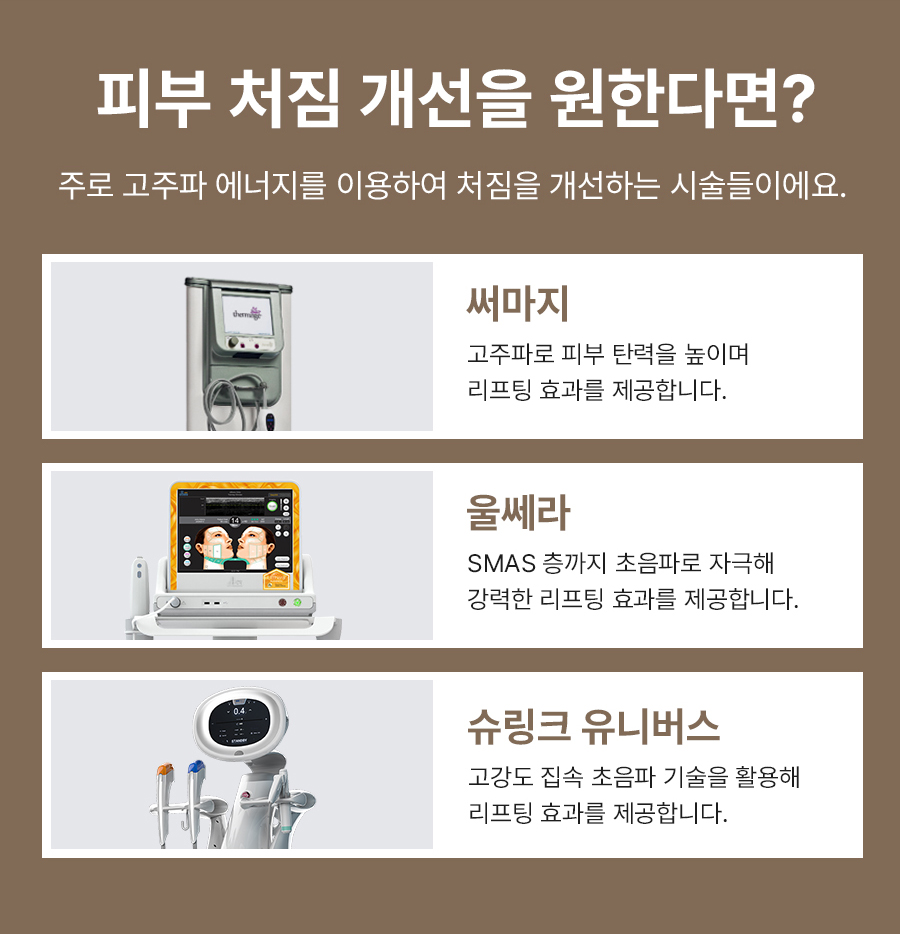
Energy-based lifting such as Thermage and Shurink uses radiofrequency or ultrasound energy to heat the deeper layers of the skin. This heat stimulates collagen remodeling and tightening, which can gradually improve jawline definition and reduce mild sagging.
Thread lifting uses fine, absorbable threads inserted under the skin to mechanically lift drooping areas like the cheeks or jawline. The threads also stimulate collagen over time.
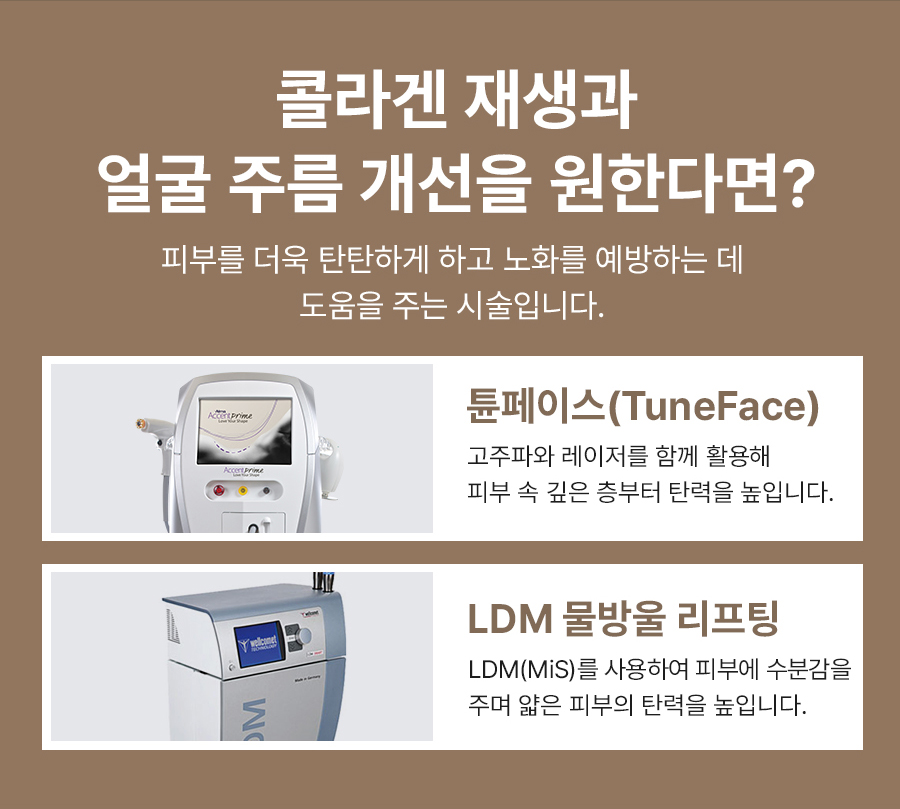
Collagen and skin boosters such as Rejuran, Juvelook, Radiesse-type products, and Revive-type boosters are injected into the skin to improve elasticity, fine lines, and overall skin quality. They are often combined with lifting devices or threads to enhance results.
In the Bangyi and Jamsil area, many people in their late 20s to 50s choose these methods because they want a more defined contour and fresher look but prefer to avoid surgical downtime.
Common concerns for people around Bangyi and Jamsil
People who search for “Bangyi Station lifting review” often share similar concerns.
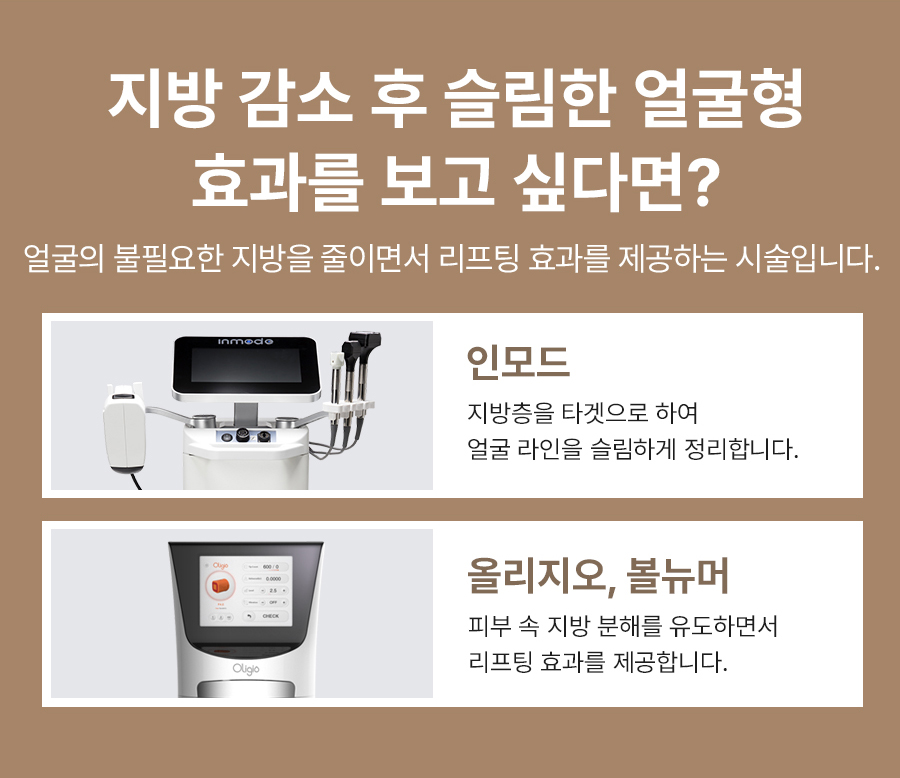
They notice a double chin or heavier lower face that makes the jawline look blurred. Cheeks may look lower or flatter, creating deeper nasolabial folds and marionette lines around the mouth. Some feel that their face always looks tired or older than their age, especially under certain lighting or in photos.
It helps to understand that different lifting methods target different layers of the face. Energy-based treatments heat deeper collagen layers and can stimulate remodeling; in some cases they may affect relatively deep tissue planes, but they do not replicate a surgical SMAS facelift and results vary by device and patient. Thread lifting can physically reposition tissues that have slid down. Collagen and skin boosters mainly work in the dermis to improve texture, elasticity, and fine lines.
Because of this, a review from someone with very mild sagging will sound different from a review written by someone with more advanced laxity. The same device or thread type can feel and look different depending on age, skin thickness, and facial structure.
How clinics near Bangyi and Jamsil usually plan lifting
In Songpa-gu, especially around Ogeum-ro and Jamsil Station, some clinics emphasize a customized combination rather than a single “package” for everyone.
A typical consultation flow might include:
Skin and elasticity check: The doctor or staff looks at your face from the front and side, checks how much the skin moves when lifted by hand, and evaluates the quality of the dermis.
Degree of sagging: They note whether the main issue is early laxity, moderate sagging, or more advanced drooping that might be better suited to surgery.
Age and lifestyle: Younger patients in their late 20s or 30s may focus on prevention and contouring, while patients in their 40s or 50s might combine several methods for a more visible change. Work schedule and social life also affect how much downtime is acceptable.
Pain tolerance and downtime: This is important when choosing between higher-energy settings, thread lifting, and the type of anesthesia.
Based on this, a clinic may suggest different combinations.
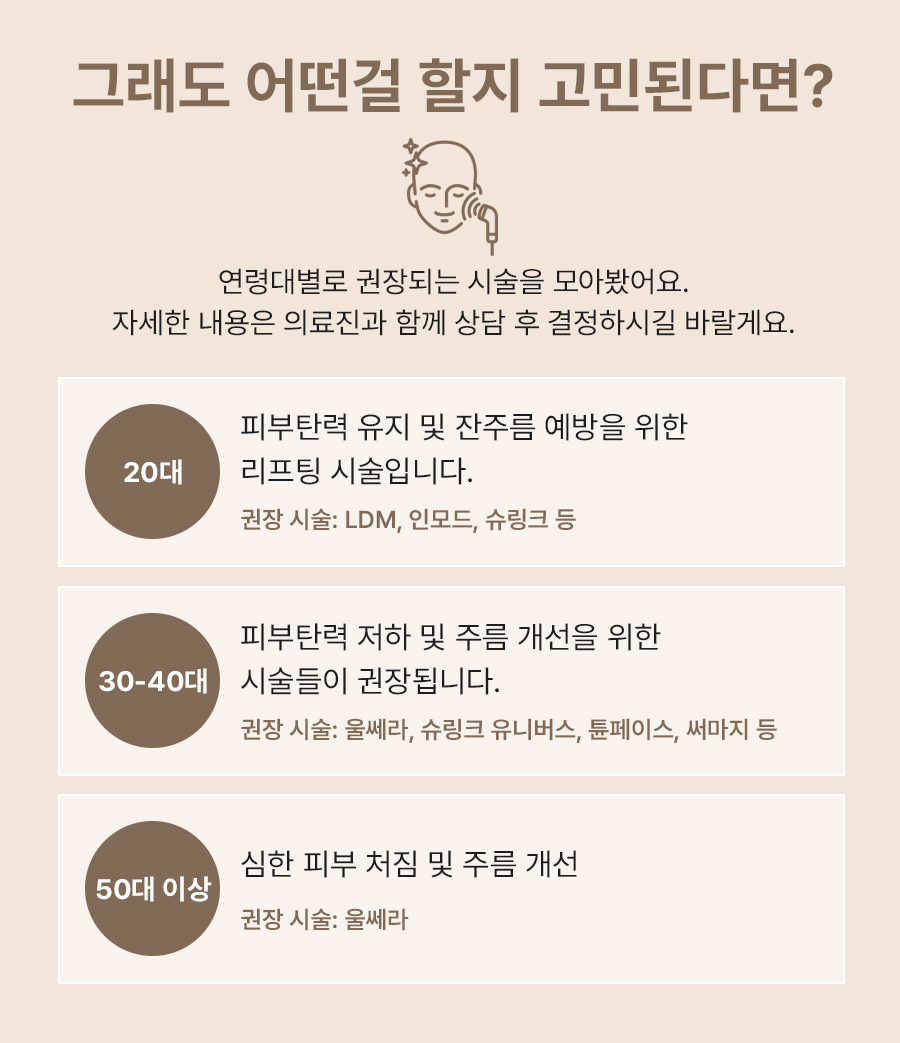
For mild sagging and prevention, energy-based lifting such as Thermage or Shurink alone may be enough. These treatments aim to tighten and maintain collagen with minimal downtime.
For moderate sagging, a combination of energy-based lifting and thread lifting is common. The device treatment supports overall tightening, while threads give a more immediate mechanical lift to areas like the jawline or midface.
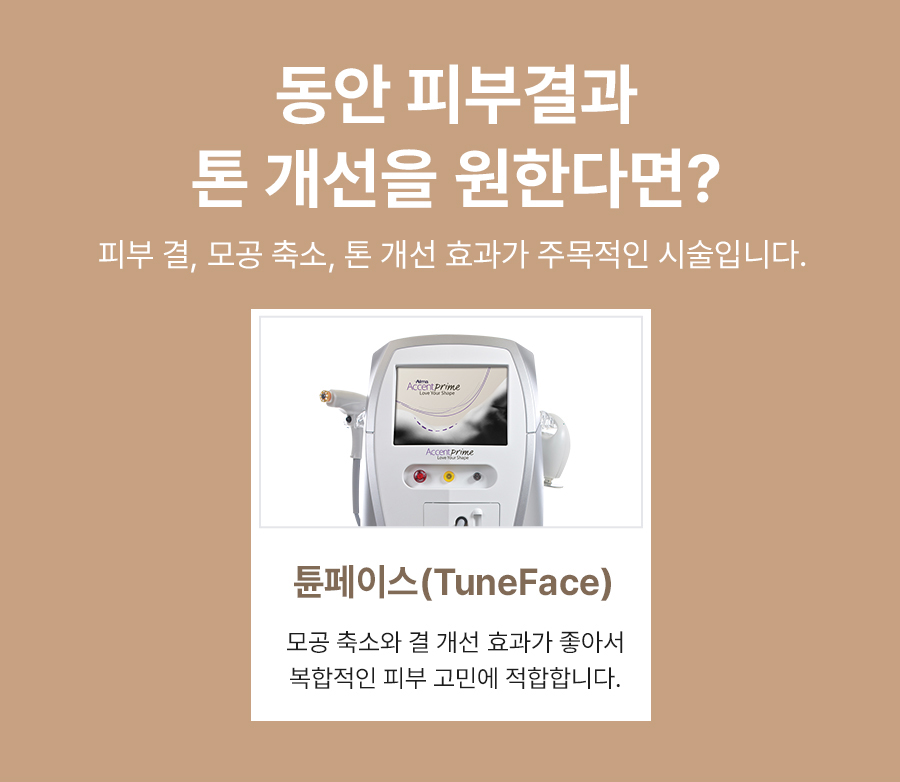
For poor skin quality, lifting plus collagen or skin boosters can be helpful. The lifting addresses drooping, while boosters improve texture, pores, and elasticity so the skin surface also looks healthier.
Clinics in this area often avoid pushing a single device for every face. Instead, they select the method according to the area (cheeks, jawline, neck), the thickness of the skin, and the patient’s goals.
Location and accessibility for Bangyi and Jamsil visitors
For international patients staying near Jamsil or visiting from other parts of Seoul, accessibility can be a deciding factor.
There is a clinic on Ogeum-ro in the Seegen Songpa Building, about a one-minute walk from Jamsil Station Exit 10. It is in the same building as a well-known coffee franchise, which makes it easy to find even if you are new to the area. It is a short subway or taxi ride from Bangi Station.
Weekday hours extend to around 8:30 p.m., and there are Saturday daytime hours with no lunch break on Saturdays. This schedule is convenient for office workers who want to come after work for a consultation or treatment, and for overseas visitors who may be trying to fit several appointments into a short stay.
Pain, anesthesia, and safety for lifting procedures
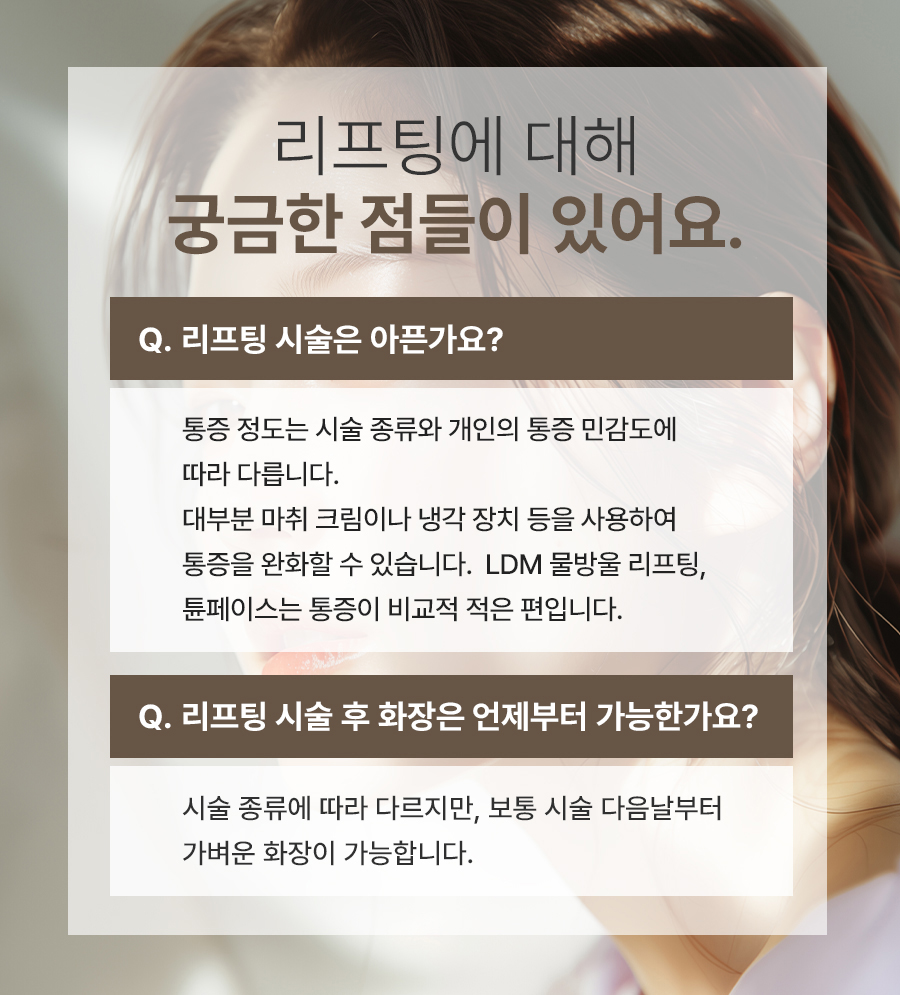
Many people searching for lifting reviews worry most about pain. High-energy devices and thread lifting can be uncomfortable if pain is not managed properly.
In the Jamsil area, some clinics are led by a doctor with a background in anesthesiology and pain medicine and are active in pain-related academic societies. These clinics often run both an aesthetic service and a pain clinic for chronic musculoskeletal pain, wellness injections, and painless sleep anesthesia. This experience is used to design systematic pain control during lifting procedures.
Typical anesthesia options include:
Topical cream: Applied to the skin before device-based lifting to reduce surface discomfort.
Local injections: Small injections in key points to numb areas where threads will be inserted or where higher energy will be used.
Monitored sleep anesthesia to reduce pain and anxiety: For patients who are very sensitive to pain or anxious, some clinics offer monitored sleep anesthesia to reduce discomfort and anxiety; some patients report limited recall of the procedure. Anesthesia options require individualized medical assessment, review of medical history, and appropriate monitoring, and are discussed carefully in advance.
Even with good pain control, patients usually feel some heat, tingling, or pressure during Thermage or Shurink, and a pulling or tight sensation during thread lifting. These sensations are generally temporary and fade after the session.
Because the clinic also treats pain conditions, they tend to monitor vital signs and comfort closely, and they can adjust anesthesia depth or energy settings if a patient feels too much discomfort.
What a procedure day near Bangyi Station might feel like
A review-style description of a typical visit can help you imagine the process.
Arrival: You arrive at Jamsil Station, take Exit 10, and walk about a minute along Ogeum-ro to the Seegen Songpa Building. The presence of a familiar coffee shop in the same building makes it easy to recognize. The clinic reception checks your reservation and basic information.
Pre-procedure assessment: Staff members remove makeup from the treatment area and take standardized photos from several angles. The doctor examines your face, pinches the skin to check elasticity, and may draw lines on the skin to show where lifting will be focused and what kind of effect is realistic.
Explanation and consent: The doctor explains the plan, for example combining Thermage for overall tightening, Shurink for jawline contouring, and a small number of threads to support the lower face. If collagen or skin boosters are added, they explain where they will be injected and what kind of texture improvement you might see over the next months. They also review possible side effects such as temporary swelling, bruising, or asymmetry and ask for your consent. They will specifically explain that injectable fillers or botulinum treatments can cause bruising, swelling, infection, and, rarely, vascular occlusion; that energy-based or laser/radiofrequency treatments can cause transient erythema, swelling, and possible pigment changes; and that thread procedures and injections may carry risks of bruising, swelling, discomfort, asymmetry, or infection. These risks are discussed as part of informed consent.
Anesthesia process: Numbing cream is applied and left on for a set time. If local injections or sleep anesthesia are planned, these are administered in a controlled way. Because the clinic also offers painless sleep anesthesia for pain patients, the staff is accustomed to monitoring patients during sedation.
During energy-based lifting: For Thermage or Shurink, you may feel brief bursts of heat and tingling with each shot. The operator usually asks about your pain level and can adjust energy settings within a safe range. Cooling gel or a cooling tip may be used to protect the skin surface.
During thread lifting: After local numbing, you may feel pressure, movement, or a tugging sensation as threads are inserted and positioned. The doctor may ask you to sit up briefly to check symmetry and adjust the lift. Because the area is numbed, sharp pain is usually reduced, but some tightness is normal.
Completion and cooling: After the procedure, the skin is gently cleaned, and cooling packs may be applied to reduce redness and swelling. Final photos may be taken for your medical record. Staff explain aftercare instructions and schedule a follow-up if needed.
Aftercare and realistic results
Immediately after lifting, it is common to see mild redness, swelling, or small injection marks. Some patients notice a subtle lifting effect right away, especially after thread lifting, but the main changes from collagen stimulation develop more slowly.
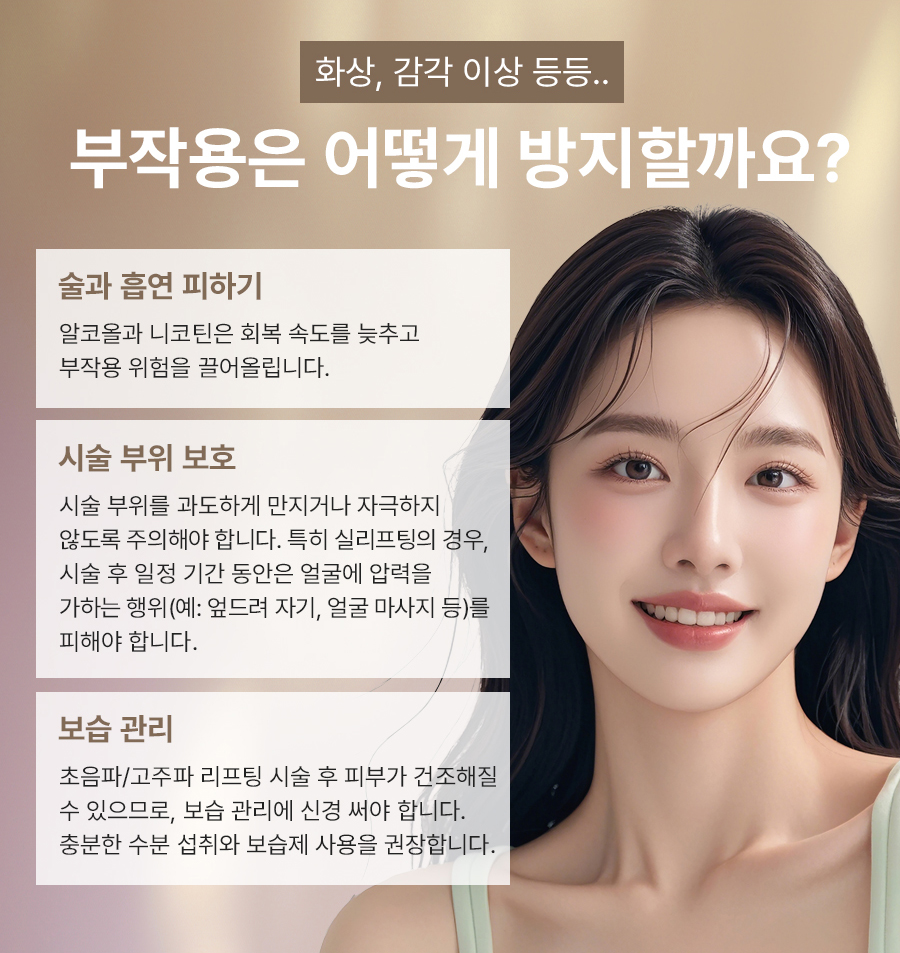
First few days: You may feel tightness, mild soreness when moving facial muscles, or tenderness along the thread paths. Makeup is often allowed after a short period, but you should confirm this with your clinic. Heavy massage, strong facial expressions, or sleeping face-down are usually discouraged for a while after thread lifting.
One to three months: This is the collagen remodeling phase. Energy-based lifting and threads stimulate new collagen, which can gradually improve skin firmness, jawline contour, and fine lines. Collagen and skin boosters also show more visible effects during this period, such as smoother texture and better elasticity.
Duration: Depending on the method, individual metabolism, and lifestyle, effects can last many months to over a year. Some patients repeat device-based lifting once a year or every 18–24 months as maintenance, while threads and boosters are repeated according to the doctor’s advice.
Basic aftercare includes:
Cooling the treated area if it feels hot or swollen.
Using gentle skincare and sun protection; ultraviolet exposure can break down collagen.
Avoiding intense heat such as saunas or very hot baths for a period recommended by your doctor.
Following specific instructions about when you can resume exercise, facial treatments, or massage.
It is important to remember that non‑surgical lifting has limitations. It can improve sagging and contour to a certain degree but does not replace a surgical facelift. Results vary by age, skin condition, facial structure, and lifestyle habits such as smoking or sun exposure.
Who might consider lifting near Bangyi and Jamsil
Patients in their late 20s to 30s: Many in this group are starting to notice early signs of sagging or a heavier lower face. They may choose lighter energy-based lifting like Shurink or Thermage with lower intensity, sometimes combined with small amounts of collagen boosters, mainly for prevention and subtle contouring.
Patients in their 40s to 50s: This group often has more visible laxity and deeper folds. They may benefit from a combination of higher-energy device treatments, thread lifting, and collagen or skin boosters to address both structure and skin quality. They usually understand that realistic improvement, not a complete reversal of aging, is the goal.
Office workers and busy visitors: Because clinics near Jamsil Station offer evening hours on weekdays and Saturday daytime with no lunch break, they fit well with people who have limited time. Many international patients schedule a consultation after arriving in Korea and then plan the procedure for a day when they can rest afterward.
People with both aesthetic and physical concerns: Since some clinics in this area also run a pain clinic for chronic musculoskeletal issues and wellness injections, they may appeal to middle-aged patients who care about both appearance and physical comfort.
Online consultation and pre-visit preparation
If you are overseas and planning a trip to Korea, it is wise to start with an online consultation.
Before you contact the clinic, prepare the following:
Clear photos of your face from the front, 45-degree angle, and side, taken in good lighting without heavy filters.
Your age, main concerns (for example, “jawline sagging” or “deep nasolabial folds”), and any previous aesthetic procedures such as lifting devices, threads, or fillers.
Medical history, including chronic diseases, medications, allergies, and any history of keloid scarring or abnormal healing.
Your schedule in Korea, including arrival and departure dates, and any days you prefer for treatment.
During online consultation, you can ask:
Which lifting methods they recommend for your level of sagging.
Whether they combine Thermage, Shurink, threads, and collagen boosters, and how they decide the mix.
What anesthesia options are available, especially if you are sensitive to pain or interested in sleep anesthesia.
How many days of visible swelling or marks you might expect, so you can plan sightseeing or work meetings.
Expected Korea visit timeline for lifting near Jamsil
For many international patients, a typical schedule might look like this.
Day 1–2: Arrival in Korea and rest. You may schedule an in-person consultation on the same day or the next day. The doctor confirms the plan made during online consultation, examines your skin directly, and may adjust details.
Day 2–4: Procedure day. Depending on your schedule, the lifting treatment can be done on the same day as consultation or the following day. The procedure time varies but often takes from one to a few hours including anesthesia and preparation.
Day 3–7: Early recovery. Mild swelling, redness, or tightness is common. Most patients can move around, shop, or enjoy light sightseeing, but you may prefer to avoid important photo events during the first couple of days.
Day 7–10: Many patients feel comfortable returning home by this time. Any small bruises or marks are usually easier to cover with makeup. If a follow-up visit is recommended, it can often be scheduled within this period.
Long-term follow-up: Some clinics offer online follow-up using photos at one to three months to check progress and answer questions.
How to read and interpret Bangyi Station lifting reviews
When you search for “Bangyi Station lifting review,” you will see many different experiences. Here are points to focus on rather than only before-and-after photos.
Look at the timeline: Good reviews often mention how the face looked right after treatment, at one month, and at several months. This helps you understand that results are gradual.
Check comments about pain and anesthesia: Notice whether the clinic offered different anesthesia options and whether staff checked pain levels during the procedure.
Pay attention to communication: Reviews that describe clear explanations, realistic expectations, and careful aftercare instructions are more useful than ones that only say “good” or “bad.”
Consider similarity to your own face: A review from a person in their early 30s with mild sagging will not predict results for someone in their 50s with deeper folds.
Also, remember that online reviews are personal experiences. They can guide questions to ask, but they cannot guarantee the same outcome for you.
Frequently asked questions about lifting near Bangyi Station
Is non‑surgical lifting enough for noticeable sagging?
Non‑surgical lifting can improve mild to moderate sagging by tightening tissues and supporting the facial structure, especially when devices, threads, and collagen boosters are combined thoughtfully. For more advanced laxity, it may still give some improvement but cannot replace a surgical facelift. A face-to-face consultation is important to understand what level of change is realistic for your case.
How painful are Thermage, Shurink, and thread lifting?
Most patients describe device-based lifting as tolerable but sometimes hot or prickly, and thread lifting as more about pressure and tightness than sharp pain. With numbing cream, local anesthesia, and, when appropriate, sleep anesthesia, discomfort can usually be reduced to a manageable level. Clinics in the Jamsil area that also run a pain clinic tend to pay special attention to monitoring and adjusting pain control.
How long do I need to stay in Korea after lifting near Jamsil?
For most non‑surgical lifting procedures, many international patients stay about one week in Korea. This allows time for consultation, treatment, and early recovery. Some people leave earlier, within three to five days, especially if their schedule is tight and their procedure is less invasive. Your clinic can advise a suitable stay based on the methods used and your travel plans.
Can I combine lifting with other treatments like fillers or skin boosters?
Yes, it is common to combine lifting with collagen or skin boosters and, in some cases, small amounts of filler around areas like the midface or jawline. These combinations are used to enhance elasticity, volume balance, and overall skin quality. However, the exact plan should be customized after a medical assessment to avoid overfilling or unnecessary procedures.

Soft call to action for online consultation
If you are considering non‑surgical lifting near Bangyi Station and Jamsil but feel unsure after reading mixed reviews, the most practical next step is a personalized consultation.
Clinics on Ogeum-ro near Jamsil Station, including the one in Seegen Songpa Building with extended evening hours and a combined aesthetic and pain clinic system, can review your photos, medical history, and travel schedule in advance. Through online consultation, you can clarify which lifting methods are suitable for your face, how pain will be managed, and how to plan your visit to Korea.
Instead of relying only on other people’s reviews, use them as a starting point and then get a professional assessment tailored to you. This approach will help you make a safer, more confident decision about lifting near Bangyi Station and Jamsil.
- 공유 링크 만들기
- X
- 이메일
- 기타 앱


댓글
댓글 쓰기