Bangidong Skin Booster Guide: Collagen And Glow Treatments Near Jamsil Station
- 공유 링크 만들기
- X
- 이메일
- 기타 앱

Direct answer summary
If you are searching for Bangidong skin booster options near Jamsil Station, you are usually looking for micro‑injection treatments that improve overall skin quality rather than change your facial shape. Skin boosters deliver hydrating or collagen‑stimulating ingredients into the dermis to help with glow, fine lines, pores, and elasticity. Many people in their late 20s and above receive a series of treatments every 3–4 weeks, then return for maintenance several times a year. A clinic near Jamsil Station in Songpa can combine different booster brands and pain‑control methods to build a customized, relatively low‑downtime program for office workers and residents.
What is a skin booster?
A skin booster is a treatment where very small amounts of active substances are injected evenly into the skin with fine needles or an injector device. The goal is to improve skin quality from the inside, not to add volume like a contour filler.
Filler is mainly used to shape and support areas such as the nose, chin, under‑eye hollows, or lips. Skin boosters, on the other hand, focus on texture, hydration, glow, and elasticity. They are often chosen for fine lines, dullness, enlarged pores, and mild acne scars.
There are two broad groups of skin boosters commonly used around Bangidong and Jamsil: collagen or regeneration boosters, and hydration or glow boosters. Many patients benefit from a combination of both, depending on their main concern.

Types of skin boosters near Bangidong and Jamsil
Collagen and regeneration boosters
Collagen or regeneration boosters contain ingredients that signal the skin to repair and rebuild itself.
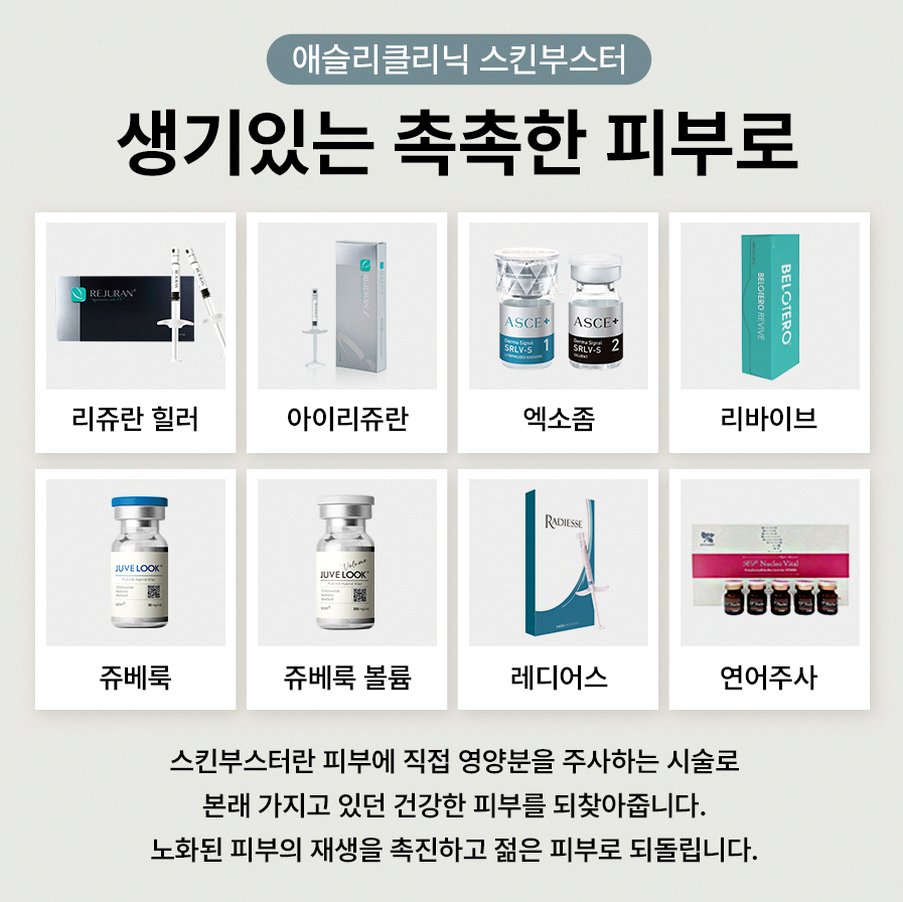
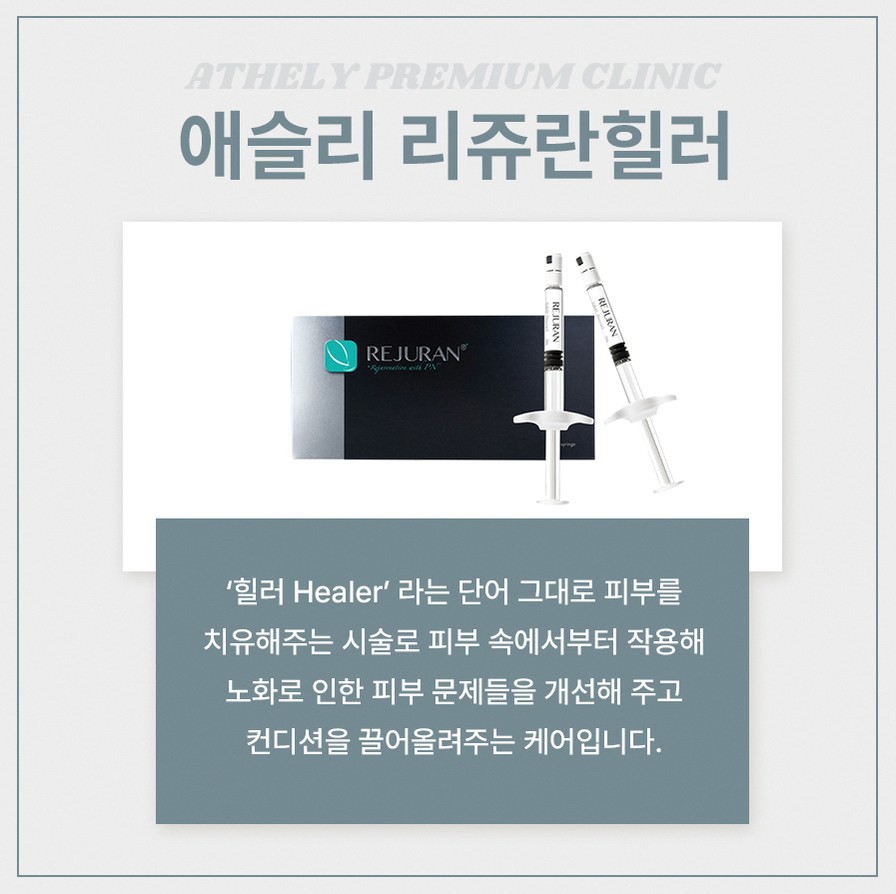
Polynucleotide or PDRN based products, such as Rejuran type treatments, are designed to support regeneration in the dermis. They are often suggested for thin, tired‑looking skin, fine lines, and overall texture improvement.
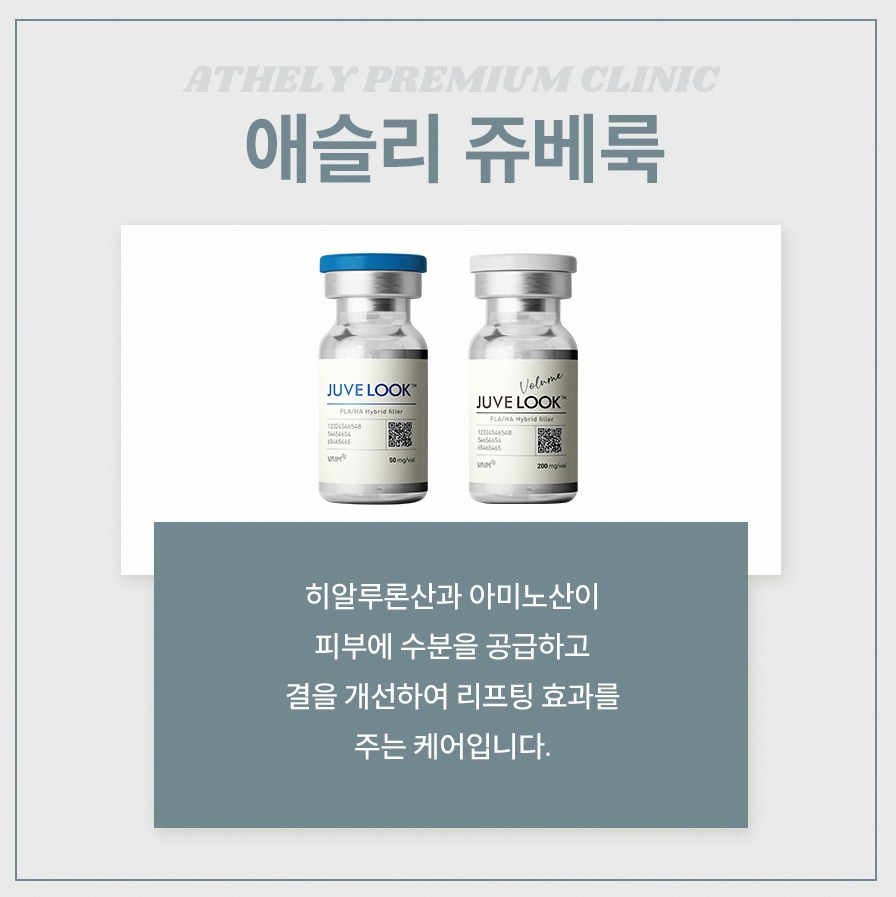
Juvelook is a collagen‑stimulating product often considered for enlarged pores and shallow acne scars. Some clinics also use a volume‑type Juvelook in certain areas where both texture and subtle volume support are desired.
Radiesse contains calcium‑based particles that can stimulate collagen over time. In diluted form, it may be used as a skin booster to support firmness and a gentle lifting effect while improving texture.
These collagen‑focused boosters are usually recommended when you are more concerned about pores, scars, loss of elasticity, or early sagging than about simple dryness.
Hydration and glow boosters
Hydration or glow boosters are typically based on hyaluronic acid, a substance that holds water in the skin.
Belotero Revive is one example of a hydrating skin booster used in the Jamsil and Songpa area. It is designed to improve deep hydration, radiance, and fine lines related to dryness.
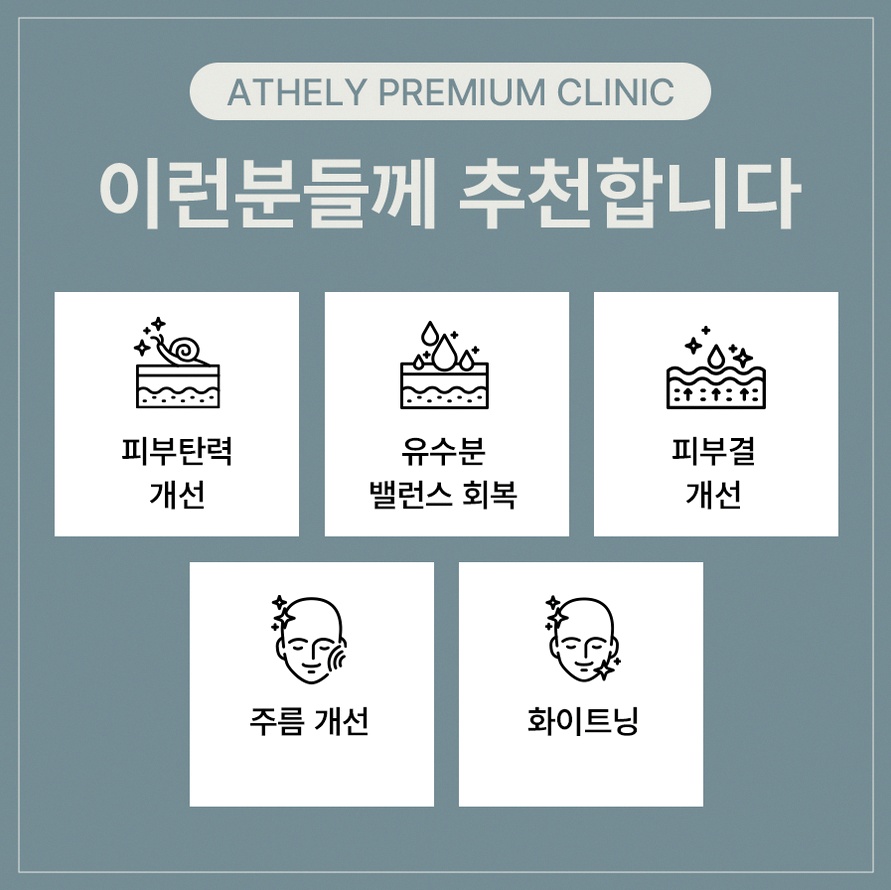
These boosters are often chosen by office workers who feel their skin looks dull and dehydrated because of air‑conditioning, indoor heating, and long hours in front of screens.
Typical treatment areas
Skin boosters can be used on many parts of the face and neck.
Common areas include the full face for overall glow, the under‑eye area for fine lines and crepey texture, the cheeks and nose for pores and acne marks, the forehead for fine wrinkles, and the neck for horizontal lines. Some clinics also treat smaller special areas such as around the mouth or along early fine wrinkles.
Who may consider a Bangidong skin booster program
Skin boosters are not limited to a specific age. Many people start in their late 20s or early 30s when they first notice changes in skin texture, but suitability depends more on skin condition than on age alone.
You may consider a skin booster near Jamsil Station if you notice early fine lines and dryness that do not improve with regular skincare, especially if you spend most of your day in an office with strong air‑conditioning or heating.
People with dull, rough skin and visible pores often look into collagen‑focused boosters such as Juvelook or diluted Radiesse, sometimes combined with hydrating boosters for glow.
If you have mild acne scars or uneven texture, a regeneration‑oriented program may be discussed. Those who are starting to see loss of elasticity, early sagging, or neck lines may also be candidates.
Because there are many product types and combinations, a face‑to‑face consultation is important. A doctor can assess whether you would benefit more from collagen stimulation, hydration, or a mix of both, and how many sessions are reasonable for your goals.
How a Jamsil area clinic structures skin booster treatments
In the Bangidong and Jamsil area, some clinics near Jamsil Station offer skin booster programs tailored to busy office workers and local residents.
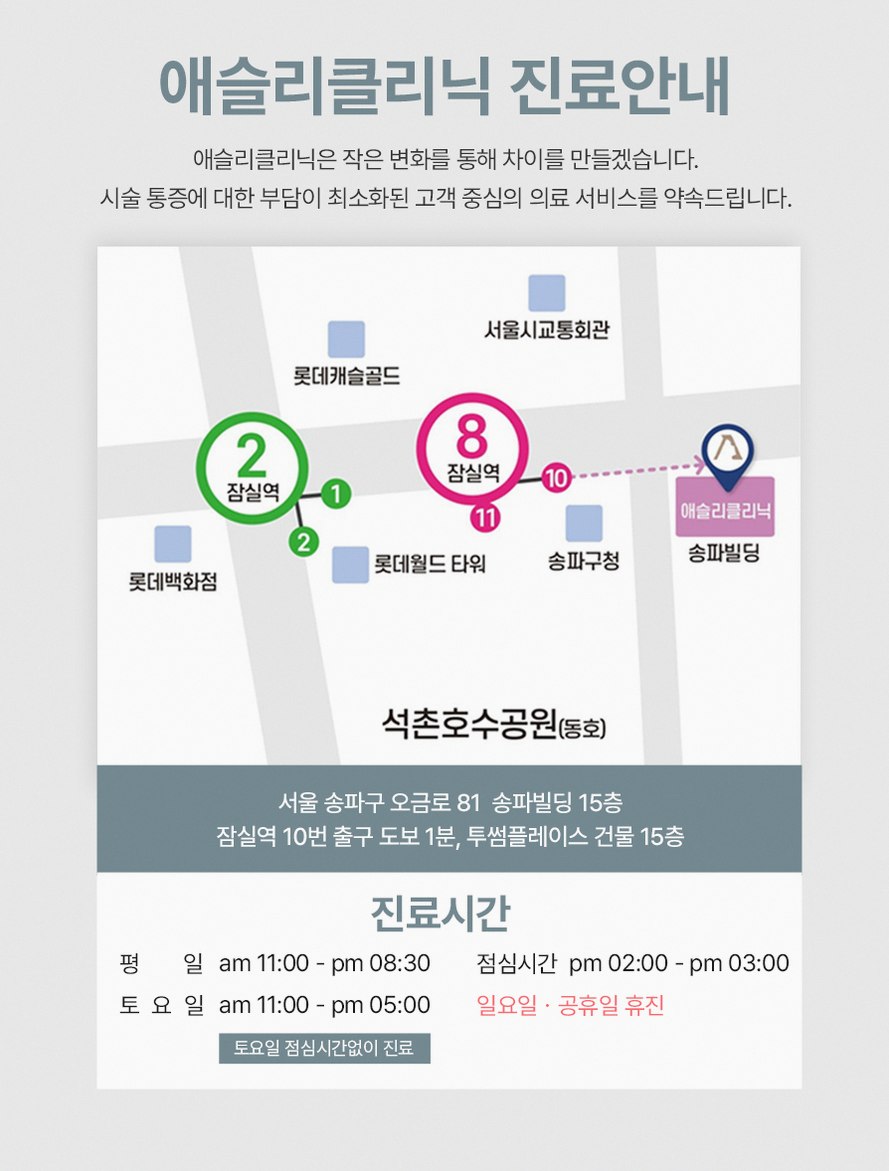
For example, Athley Clinic in Songpa is about a one‑minute walk from exit 10 of Jamsil Station in a mixed‑use building. It offers weekday evening hours until around 8:30 pm, which can be convenient if you prefer to visit after work rather than take time off.
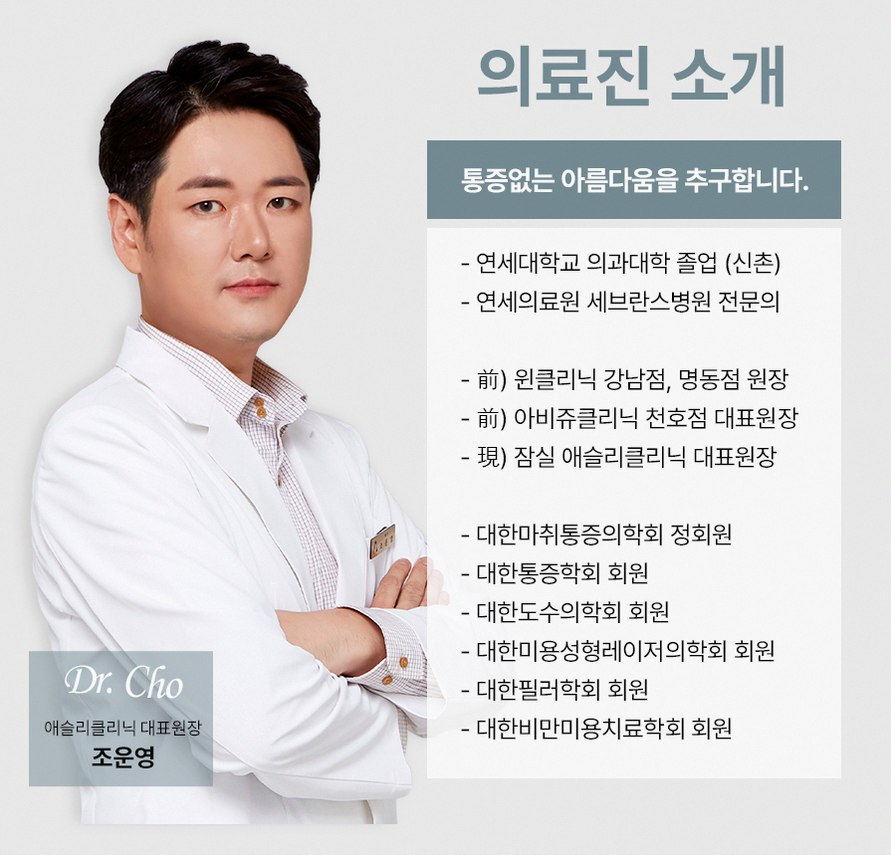
This type of clinic may combine aesthetic treatments such as skin boosters, lifting, and pigmentation care with a pain clinic for chronic musculoskeletal pain and wellness injections. Some clinics — particularly those whose lead physicians have training or memberships in anesthesiology and pain‑medicine societies — emphasize reducing discomfort during procedures and may provide sedation or enhanced pain‑control options; however, pain experiences vary and any sedation or pain‑management approach should be discussed and evaluated for suitability beforehand.
Because of this background, the clinic can place strong emphasis on pain management and comfort during skin booster injections, which is reassuring for patients who are very sensitive to pain or anxious about needles.
DIY style customization and product lineup
Some Jamsil area clinics use a DIY style program concept. This does not mean you treat yourself, but that you can choose areas and treatment types through one to one consultation instead of being pushed into a fixed package.
With a wide lineup of collagen and skin boosters such as Rejuran type products, Juvelook including volume type, Radiesse, and Belotero including Revive, the doctor can recommend different products for different areas. For example, a collagen booster for cheeks and pores, and a hydrating booster for the under‑eye and forehead.
This approach allows product selection based on your skin condition, not just on promoting a single brand. During consultation, you can ask why a particular booster is suggested for each area and how it will be combined with other treatments, if any.
Step by step treatment overview
Consultation and planning
The first step is a detailed consultation.
The doctor will ask about your main concerns, such as dryness, fine lines, acne scars, or loss of elasticity. They will also review your medical history, allergies, medications, and any previous procedures like lasers or fillers.
Based on this information and a direct look at your skin, they will suggest suitable booster types. For example, Rejuran type products for regeneration, Juvelook for pores and scars, diluted Radiesse for collagen and a subtle lifting effect, and Belotero Revive for hydration and glow.
A treatment plan is then created, including the number of sessions and the interval between them. Many programs start with a series of sessions every 3–4 weeks, followed by maintenance visits a few times a year.
Preparation and pain control
On the treatment day, the skin is cleansed and disinfected. A topical anesthetic cream is applied to reduce discomfort. This cream is usually left on for a set period and then removed before injections.
For patients who are very sensitive to pain or anxious, some clinics also offer additional pain‑control methods. In practices that run both aesthetic services and a pain clinic, sedation options to reduce discomfort for appropriate patients can be discussed in advance; suitability and monitoring will be assessed during consultation.
Injection process
Skin boosters are injected using very fine needles or an injector device that delivers small droplets of product into the dermis.
The doctor may treat the whole face in a mesotherapy style pattern or focus on specific areas such as under the eyes, cheeks, forehead, or neck lines. The choice depends on your concerns and the type of booster.
You can expect to feel pressure, pricks, or mild stinging. With proper numbing and pain management, many patients find the procedure tolerable, but sensitivity varies.
Post treatment care
Right after the procedure, you may notice redness, small bumps where the product was placed, mild swelling, or pinpoint marks. These usually improve over several hours to a few days, depending on your skin and the product used.
Basic aftercare usually includes gentle cleansing, avoiding harsh scrubs or active ingredients for a short time, using sunscreen, and avoiding saunas, intense exercise, alcohol, and makeup for a period advised by the clinic. Detailed instructions vary by product and clinic protocol, so it is important to follow the guidance you receive.
Expected effects and timeline
Short term changes
In the days to about one or two weeks after a hydrating skin booster such as Belotero Revive, many people notice improved hydration and glow. Fine lines caused by dryness may look softer, and the skin can feel smoother and more supple.
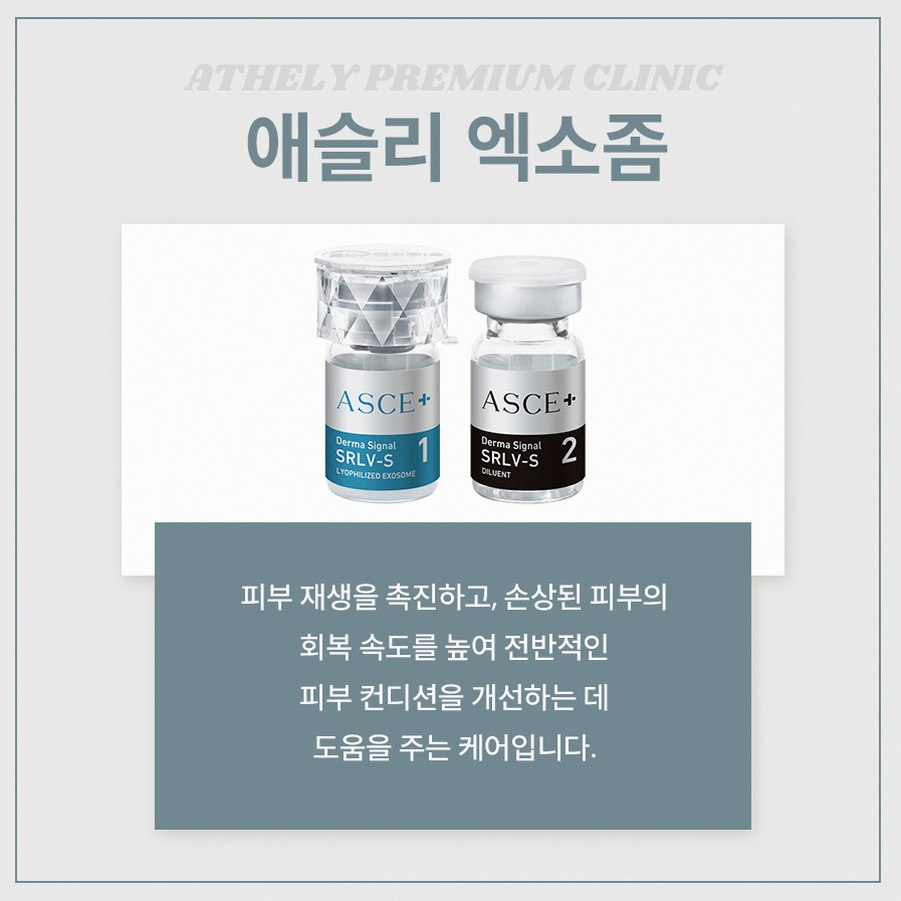
With collagen boosters, you may not see dramatic changes immediately, but some early plumping and better texture can appear as initial swelling settles and the skin responds.
Mid term improvements
After a series of sessions, gradual changes are more noticeable. Texture and elasticity may improve, pores can look tighter, and shallow acne scars may appear softer, especially when collagen boosters like Juvelook or Radiesse‑type products are used.
Overall, the skin tone can look more even and healthier, with less of a tired or dull appearance. These changes are usually subtle and natural rather than sudden.
Long term maintenance
Skin boosters are not permanent. The skin continues to age, and environmental factors still affect it. However, regular maintenance sessions can help slow visible aging and preserve skin quality.
Your doctor may suggest a maintenance schedule, such as once every few months, depending on your age, lifestyle, and skin condition. Individual results vary, and it is important to have realistic expectations.
Safety, side effects, and precautions
Common side effects
Common side effects after skin booster injections include redness, swelling, small bumps at injection sites, temporary bruising, and tenderness. These are usually mild and improve within a few days.
Less common risks
Less common but important risks include infection, allergic reaction, nodules, or vascular complications. While these are not frequent, they can occur with any injection procedure.
This is why it is important that the procedure is performed by a licensed doctor who understands facial anatomy and has a clear protocol for managing complications.
How to choose a Bangidong or Jamsil skin booster clinic
When comparing clinics around Bangidong, Jamsil, and Songpa, consider more than price.
Check that a licensed doctor performs the injections and is present during consultation. Ask which specific booster products are used, such as Rejuran type treatments, Juvelook, Radiesse, or Belotero Revive, and confirm that they are genuine.
Ask about pain control options, especially if you are sensitive to pain. In clinics that also run a pain clinic and offer painless sedation anesthesia, you can ask how they decide whether sedation is appropriate and what monitoring is used.
It is also helpful to ask how the clinic handles complications, what emergency protocols are in place, and what follow‑up care is provided.
Finally, pay attention to how the doctor explains expected effects and limitations. You should receive a realistic explanation, not exaggerated promises. Some clinics, such as those operating separate pages for editorial standards and medical information notices on their websites, show that they pay attention to information accuracy.
Online consultation and pre visit preparation for overseas patients
If you are an overseas patient planning a trip to Seoul for a Bangidong skin booster, an online consultation is a practical first step.
You can usually send clear photos of your face in natural light, without filters, showing the front and both sides. Prepare a short summary of your skin concerns, such as dryness, pores, scars, or fine lines, and your previous treatments.
List any medical conditions, medications, allergies, and whether you have a history of keloid scarring or strong reactions to injections. Mention if you are particularly sensitive to pain or have chronic pain conditions, as this can influence the pain‑management plan.
During the online consultation, ask which booster types are likely to be used, how many sessions are realistic within your travel schedule, what downtime to expect, and whether the clinic recommends combining boosters with other treatments such as gentle laser or lifting.
Expected Korea visit timeline for skin boosters
For many overseas visitors, a short stay is enough for one or two sessions, but planning ahead helps.
For a single trial session, you may only need two to three days in Seoul. Day one can be consultation and treatment, with the following day or two for mild swelling or redness to settle before you travel.
If you want to start a series, you might schedule the first session early in your trip and a second session three to four weeks later, which would require a longer stay or a second visit to Korea.
Try to avoid scheduling your treatment right before important events or photo sessions. Allow at least several days between the procedure and any major occasion.
Aftercare and follow up for international patients
After your treatment, follow the written aftercare instructions carefully. Use gentle skincare, avoid new products, and protect your skin from sun exposure.
If you notice unexpected pain, spreading redness, or other worrying symptoms after you return home, contact the clinic promptly and seek local medical care if needed. Taking clear photos and sending them to the clinic can help them advise you.
For long term maintenance, you can either plan periodic visits to Seoul or discuss with your local doctor whether similar booster products are available in your country.
Frequently asked questions about Bangidong skin boosters
How painful are skin booster injections?
Most people describe skin booster injections as mildly to moderately uncomfortable rather than extremely painful. Topical anesthetic cream is used to reduce the sensation, and fine needles or injector devices help minimize discomfort.
In clinics near Jamsil that also run a pain clinic and offer painless sedation anesthesia, additional pain‑control options can be discussed for very sensitive patients. Pain tolerance varies, so it is important to tell your doctor honestly about your anxiety and previous experiences.
How much downtime should I expect, and when can I use makeup?
Downtime is usually short. You may have redness, small bumps, or mild swelling for one to several days, depending on the product and your skin.
Some clinics allow light, clean makeup after a set number of hours, while others recommend waiting until the next day or longer. Because protocols differ, follow the specific instructions from your clinic. If you are planning photos or social events, give yourself a few days of buffer time.
How often should I get skin booster sessions, and how long do results last?
Many programs start with a series of three or more sessions spaced about three to four weeks apart. This helps build up hydration and collagen stimulation.
After the initial series, maintenance sessions are often recommended every few months. The exact schedule depends on your age, lifestyle, and skin condition. Results are gradual and require ongoing care; they are not permanent.
Can skin boosters be combined with fillers, botox, or laser treatments?
Yes, skin boosters are often combined with other treatments such as fillers, botox type injections, or laser procedures, but the timing and order must be planned carefully.
Your doctor may suggest doing certain lasers before boosters, or spacing fillers and boosters on different days or areas. Combining treatments can support more comprehensive anti‑aging or scar care, but it should be customized to your skin and overall health.
Are skin boosters suitable for sensitive skin or people with chronic pain?
Many people with sensitive skin receive skin boosters, but product choice and technique must be adjusted. A careful consultation is essential to review your history of allergies, dermatitis, or previous reactions.

For people with chronic pain conditions, a clinic that also operates a pain clinic and offers painless sedation anesthesia may be helpful. The doctor can consider your pain threshold, medications, and overall health when planning anesthesia and aftercare.
Soft call to action
If you are an overseas patient considering a Bangidong skin booster near Jamsil Station, an online consultation is a good way to start. By sharing your skin concerns, photos, and travel schedule in advance, you can receive a realistic plan for which boosters to use, how many sessions are possible, and what downtime to expect.
When you are ready, contact a Songpa area clinic near Jamsil Station that offers both a wide range of skin booster products and thoughtful pain‑management options. With clear communication and careful planning, you can make the most of your visit to Seoul and support healthier, more radiant skin.

- 공유 링크 만들기
- X
- 이메일
- 기타 앱


댓글
댓글 쓰기