Songpa Thermage Lifting Guide for Office Workers Near Jamsil Station
- 공유 링크 만들기
- X
- 이메일
- 기타 앱

Direct answer summary
If you are working in the Jamsil or wider Songpa area and have started to notice sagging cheeks, less defined jawline, or neck wrinkles, Thermage lifting is a non‑surgical option that can help tighten and firm your skin using radiofrequency energy. Results develop gradually over several weeks to months as collagen remodels, and how long improvements last varies by individual.
What is Thermage lifting
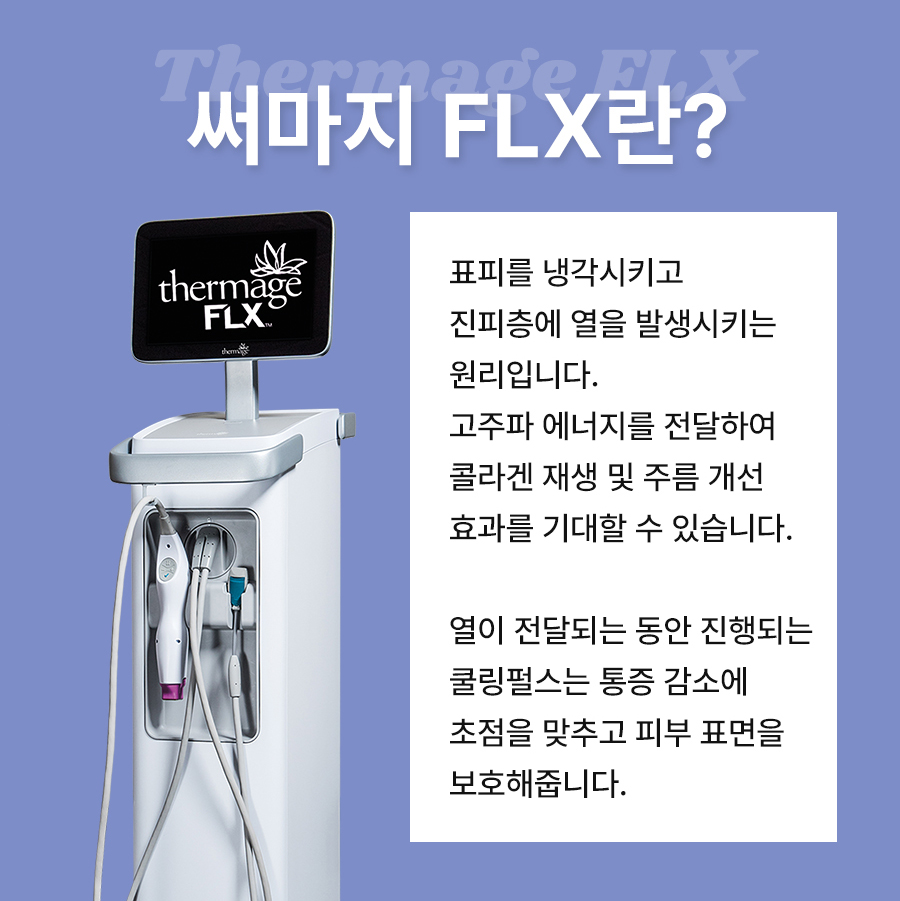
Thermage is a non‑surgical lifting treatment that uses radiofrequency energy to heat deeper layers of the skin. Controlled heating targets the dermis and supporting fibrous structures while surface cooling helps protect the epidermis. The thermal effect can cause immediate collagen contraction and stimulates gradual new collagen and elastin formation. During the procedure you may feel brief warmth or tingling at the treatment sites.
Because it works from the inside out, Thermage is often chosen by people who want firmer skin but are not ready for invasive procedures. It is commonly used on the full face, jawline, and sometimes the neck or eye area, depending on the tip and protocol the doctor selects.
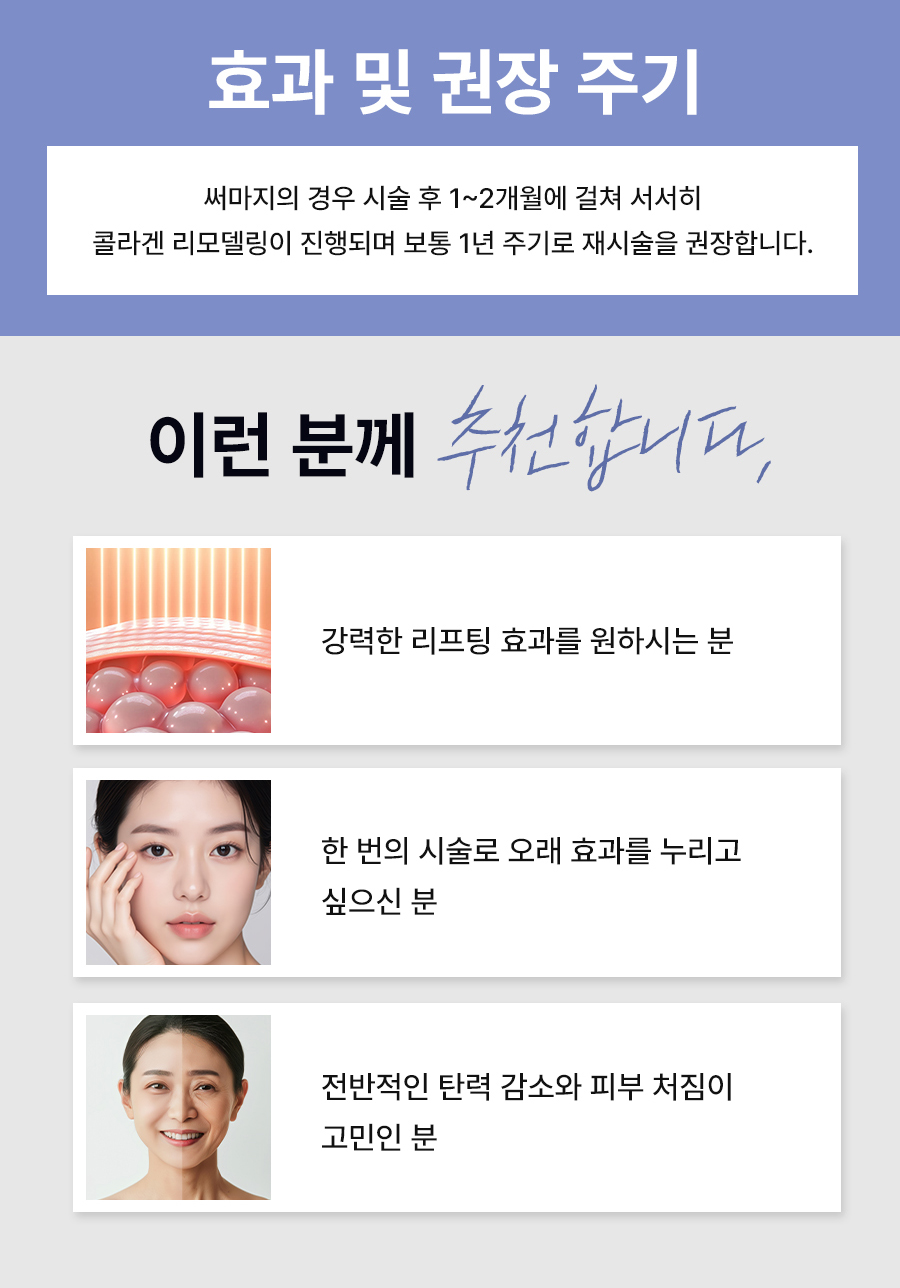
Many people notice a subtle tightening immediately after treatment, but the main visible changes usually develop over 2–3 months as collagen remodeling continues. How long effects last varies between individuals; some patients report benefits that persist for several months up to about a year, while others notice shorter or longer durations. Discuss realistic expectations and follow‑up plans with your clinician.

Songpa and Jamsil location and accessibility
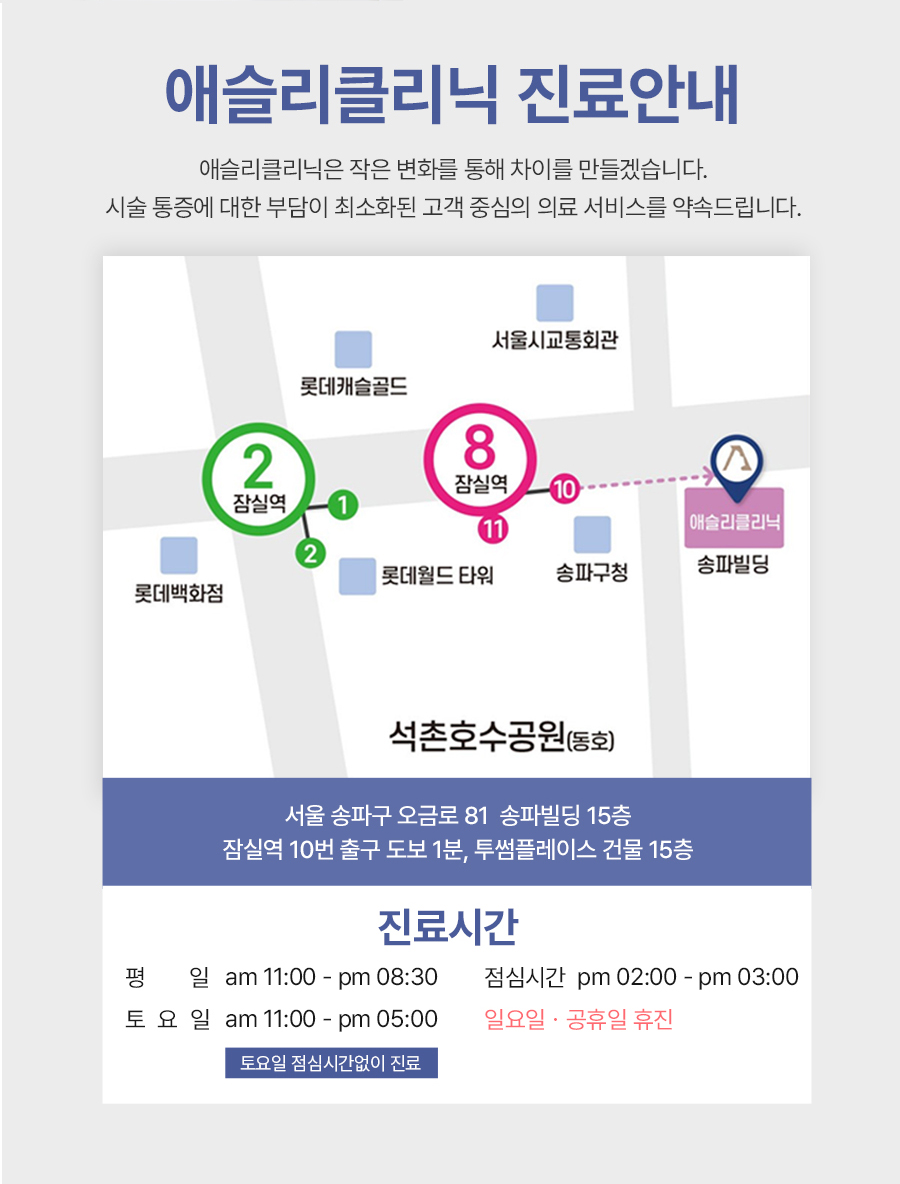
For office workers and busy adults in Songpa, location and timing are often as important as the treatment itself.
This makes it convenient if you commute through Jamsil or work in nearby business districts. For international visitors staying in hotels near Jamsil or along subway lines 2 and 8, the station access also simplifies travel.
How Thermage works in simple terms
Thermage uses radiofrequency energy delivered through a special tip that touches the skin. Each pulse of energy has two main actions: cooling and heating.
The outer skin surface is cooled to protect it and to make the procedure more comfortable. At the same time, radiofrequency energy passes through the skin and heats the deeper dermis and fibrous septa, which are part of the structure that holds your skin up.
This controlled heat has two effects. First, it can cause immediate collagen contraction, which is why some people feel a slight tightening right away. Second, it triggers a natural wound‑healing response, encouraging your body to produce new collagen and elastin fibers over weeks and months.
Because collagen remodeling is gradual, results usually become most noticeable around 2–3 months after treatment. Depending on your age, skin condition, and lifestyle factors such as sun exposure and smoking, the effect can be maintained for around a year or more.
Who may consider Thermage lifting
Thermage is generally considered for people with mild to moderate skin laxity rather than very severe sagging. It can be suitable if you notice early signs of aging such as softening jawline, sagging cheeks, or fine wrinkles.

Common reasons people in their 30s–50s around Songpa and Jamsil ask about Thermage include soft jowls forming along the jawline, nasolabial folds that look deeper because the mid‑face is drooping, enlarged pores related to skin laxity, fine wrinkles on the cheeks, forehead, or around the mouth, and early neck wrinkles and loose skin under the chin.
Thermage can also be used preventively in late 20s and early 30s at lower energy or smaller areas to slow visible sagging. It is not a replacement for surgical lifting in cases of very heavy or advanced laxity, but it can still improve skin quality and firmness.
Songpa clinic positioning and treatment concept
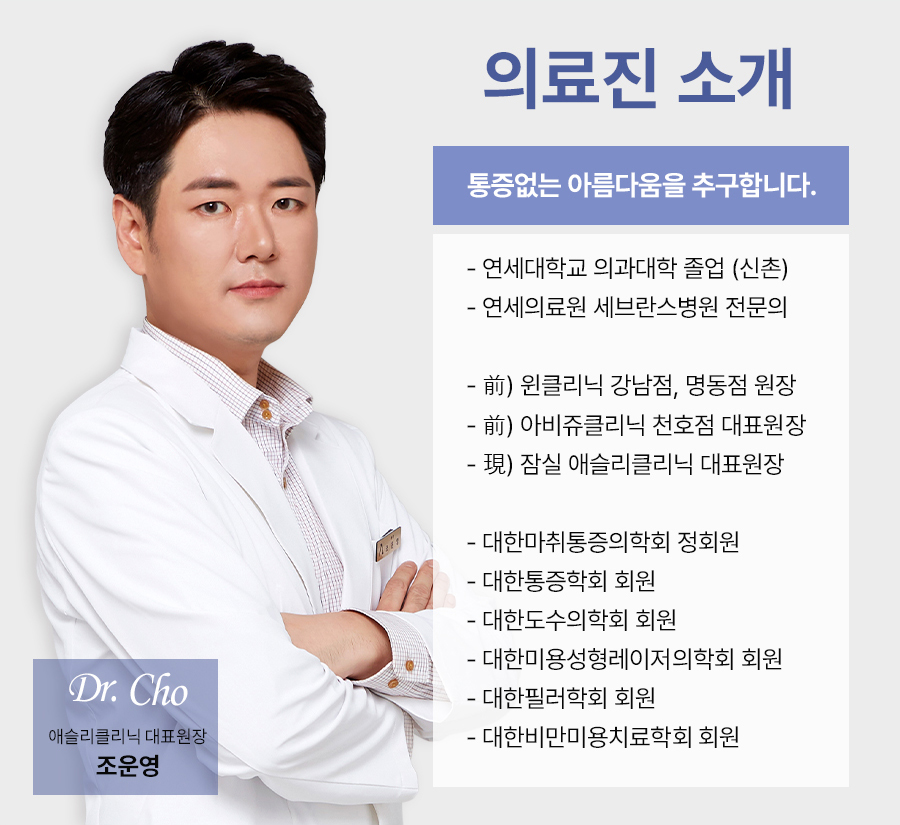
The clinic previously mentioned combines aesthetic procedures with services for patients who have musculoskeletal or pain concerns. The clinic indicates experience in managing such cases; if professional qualifications or society memberships are important to you, ask the clinic for staff credentials and for details on how this background informs their approach to Thermage and other energy‑based procedures.
Instead of a one‑size‑fits‑all package, the clinic emphasizes a one‑to‑one consultation system. Patients can discuss which areas matter most, such as full face, jawline, neck, or special zones like the eye area, and then choose and combine treatments accordingly. This custom DIY‑style approach allows more precise planning rather than forcing everyone into the same standard course.
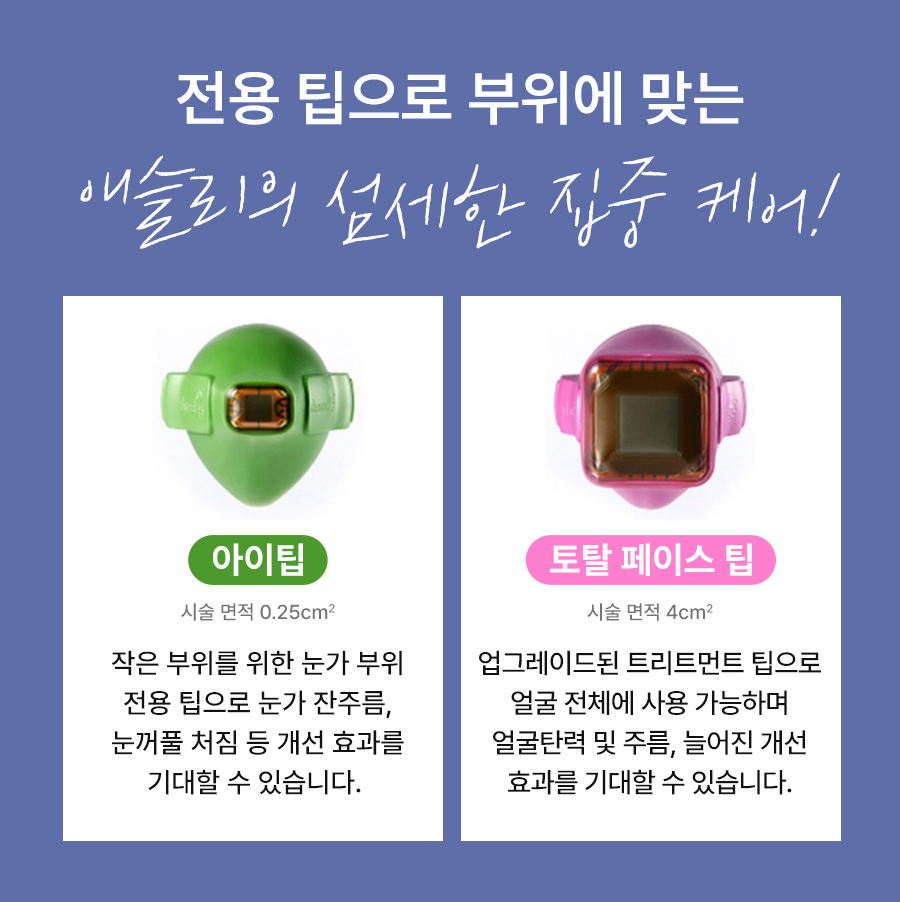
In addition to Thermage, the clinic offers a wide lineup of lifting devices and collagen‑boosting options, such as other radiofrequency devices, ultrasound lifting, skin boosters, and collagen stimulators. The doctor selects devices and products based on skin thickness, degree of sagging, and the specific area, rather than pre‑fixed bundles.
Strong focus on pain and comfort management
Thermage is known to be somewhat uncomfortable for some people because it delivers heat deep into the skin. For this reason, pain control is an important part of the experience.

To minimize discomfort, clinics commonly use measures such as topical anesthetic cream applied before the procedure, surface cooling during treatment, and adjustment of energy settings to match skin thickness and sensitivity.
Not everyone needs the same level of pain control. Some patients tolerate Thermage with only cooling and topical anesthetic, while others prefer stronger options. The goal is not to promise a completely pain‑free experience for every person, but to reduce discomfort as much as reasonably possible and to tailor methods to the individual.
Step by step: Thermage procedure flow in Jamsil
The actual process at the clinic typically follows several steps from consultation to follow‑up.
First is the initial consultation and skin assessment. You discuss your main concerns, such as sagging around the mouth, jawline, or neck, and your medical history, including any implanted devices or previous procedures. The doctor evaluates whether Thermage is suitable or whether other options like ultrasound lifting, skin boosters, or a combination might be more appropriate.
Second, photography and baseline documentation are carried out. Standardized photos help record your starting point so that gradual changes over months can be monitored more objectively.
Third, pain‑control planning is done. The doctor and staff explain the expected sensations during Thermage and review options such as topical anesthetic cream, cooling methods, and, if indicated, painless sleep anesthesia. Your general health, medications, and preferences are considered.

Fourth, the treatment areas are marked. The doctor draws guide lines on your face or neck to ensure even coverage. Energy settings are adjusted according to the thickness of each area, for example, cheeks versus forehead, and your tolerance.
Fifth, the Thermage treatment session takes place. Depending on the area, the session can last from about 30 minutes to over an hour. You may feel heat and brief stinging sensations with each pulse, but the practitioner monitors your comfort and can adjust settings or pace as needed.
Sixth, immediate cooling and post‑care are provided. After the session, the treated area is cooled, and soothing products may be applied. You receive instructions about what to avoid and how to care for your skin in the coming days.
Seventh, follow‑up scheduling is discussed. Because Thermage results develop over time, the clinic may suggest follow‑up visits at around 1–3 months to check collagen remodeling and to decide whether additional treatments, such as skin boosters or other lifting devices, would be helpful.
Expected effects and realistic timeline
Thermage is designed to improve overall skin tightness and quality rather than to create a dramatic, surgical‑level change. With that in mind, realistic outcomes often include a more defined jawline as the lower face tightens, softer appearance of nasolabial folds as the mid‑face gains support, smoother and slightly firmer skin texture, and reduction in fine wrinkles and laxity.
Some people feel a subtle tightening immediately due to collagen contraction, but this is usually mild. The main visible improvement appears gradually over 1–3 months as new collagen forms and reorganizes. This slow change can be an advantage for those who prefer a natural, not instantly obvious, improvement.
The effects are not permanent, because aging and gravity continue. Many patients choose maintenance sessions roughly once a year, though the exact interval depends on age, baseline laxity, lifestyle, and how quickly their skin tends to age.
Comparison with other lifting options
When you search for lifting treatments in Songpa, you will see many options, including radiofrequency devices like Thermage, ultrasound lifting, and thread lifting. Each works differently.
Thermage uses radiofrequency energy to heat a broad dermal layer. It is well suited for improving skin quality, firmness, and overall tightness, including enlarged pores related to laxity.
Ultrasound lifting devices, often based on HIFU technology, target deeper structures such as the SMAS layer, which is closer to where surgical facelifts act. They can be particularly useful for lifting in people with certain types of sagging.
Thread lifting involves inserting threads under the skin to mechanically lift tissue. It is more invasive than Thermage or ultrasound and may involve more downtime and different risk considerations.
The best choice depends on your skin thickness, degree and pattern of sagging, pain tolerance, and goals. In some cases, a combination of Thermage with ultrasound lifting, injectables, or other treatments may provide a more balanced result. A face‑to‑face consultation is important to design a plan that fits your situation.
Safety, side effects, and downtime
Thermage is generally considered a treatment with relatively short downtime, but it is still a medical procedure using energy devices, so side effects are possible.
Typical temporary reactions include redness, mild swelling, warmth, and tenderness in the treated area. These usually settle within a few hours to a few days. Some people may feel a slight tight or tingling sensation as the skin responds.
Less common but more serious issues can include small blisters, burns, or contour irregularities if energy is not properly controlled or if the technique is not appropriate for the skin type. This is why it is important to be treated by a doctor who understands skin anatomy, radiofrequency physics, and pain management.
Most people can return to daily activities and work immediately after Thermage, which suits busy office workers in Jamsil and Songpa. Makeup can often be applied soon after, depending on your skin’s reaction and the doctor’s advice.
Who should be cautious or avoid Thermage
Thermage is not suitable for everyone. People with implanted electronic devices such as pacemakers or certain defibrillators may not be candidates unless cleared by their cardiologist, because radiofrequency energy can theoretically interfere with such devices.
Pregnant individuals are generally advised to postpone elective energy‑based treatments. Those with active skin infections, open wounds, or severe inflammatory conditions in the treatment area should wait until the skin is healed.
People with unrealistic expectations, such as hoping for surgical‑level lifting from a single non‑surgical session, should also reconsider and discuss their goals carefully. During consultation, it is important to disclose your full medical history, medications, history of keloid scarring, and any previous procedures or fillers.
Aftercare guidance for better results
Proper aftercare helps your skin recover smoothly and supports collagen remodeling. Right after Thermage, the treated area may feel warm or slightly sensitive, so gentle care is recommended.
For a short period after treatment, avoid hot baths, saunas, and intense exercise that can cause excessive heat or sweating. Use a mild cleanser and avoid scrubbing. Keep the skin well moisturized with non‑irritating products.
Daily broad‑spectrum sunscreen is especially important. Ultraviolet exposure breaks down collagen, so protecting your skin helps maintain the lifting effect. If your skin feels sensitive, avoid strong exfoliants and active ingredients such as high‑strength acids or retinoids for a few days or as advised.
Lifestyle habits also matter. Adequate sleep, balanced nutrition, stress management, and avoiding smoking can all support healthier collagen and more durable results.
Integration with other treatments at the clinic
Because the Jamsil clinic offers a wide range of lifting and skin‑improvement options, Thermage can be integrated into a broader anti‑aging plan.
For example, Thermage can be combined with fillers or botulinum toxin to address volume loss and dynamic wrinkles that appear with facial movement. While Thermage focuses on tightening and collagen, injectables can refine specific lines or restore contour.
Collagen‑boosting injectables and skin boosters can be added to improve texture, hydration, and fine lines on the surface. In some cases, other radiofrequency or ultrasound devices may be layered over time to target different depths.
The key point is that the clinic does not rely on a single fixed package. Instead, the doctor considers your skin condition, age, and schedule to design a combination that makes sense for you.
Age specific strategy: 20s, 30s, 40s, and 50s
Thermage lifting can play different roles depending on your age and stage of aging.
In late 20s to 30s, the main focus is usually prevention and subtle tightening. Early Thermage at lower energy or smaller areas can help slow the development of sagging and enlarged pores, especially for people with strong facial expressions or heavy sun exposure.
In 40s to 50s, visible sagging, jawline blurring, and neck wrinkles become more common. Thermage can support the lower face and neck, often in combination with other treatments such as fillers, botulinum toxin, or skin boosters to address volume loss and deeper lines.
For older patients with severe laxity, Thermage alone may not fully replace surgical lifting. It can still improve skin quality and may be used as part of a non‑surgical plan, but expectations should be adjusted. The doctor can explain during consultation what level of change is realistic in your case.
Online consultation and pre‑visit preparation for overseas patients
If you are an overseas patient planning a visit to Korea, an online consultation before you travel can save time. Many international patients staying near Jamsil choose this area because of its transport links and shopping facilities.
Before contacting the clinic, prepare clear photos of your face and neck from the front and both sides in good lighting. Make a list of your main concerns, such as smile lines, jawline sagging, or neck wrinkles, and any previous procedures you have had.
Also prepare a brief medical summary: current medications, allergies, chronic diseases, implanted devices, and whether you are pregnant or breastfeeding. Share your travel dates and how many days you can stay in Seoul so the clinic can suggest a realistic schedule.
During the online consultation, ask about whether Thermage is appropriate for your skin type, what combination treatments might be recommended, what level of discomfort you might expect, and what kind of aftercare you need to plan for during your stay.
Expected Korea visit timeline for Thermage in Jamsil
For most international visitors, Thermage can be done within a short stay in Korea. A common schedule might look like this.
On day one, you have an in‑person consultation, skin assessment, and baseline photography. If you and the doctor agree to proceed and there are no medical concerns, Thermage can often be performed on the same day, especially with the clinic’s weekday evening hours.
On the procedure day, you should plan enough time for numbing, treatment, and immediate cooling. This can take from about 1.5 to 3 hours depending on the areas treated and whether painless sleep anesthesia is used.
On day two or three, you may have a brief check‑up if your schedule allows, although many visitors can return to their usual activities and sightseeing soon after treatment. Because the main results appear over months, you do not need to stay in Korea for a long recovery. Follow‑up can be done by sharing photos online if needed.
Trust and information transparency
The clinic emphasizes clear internal standards for editing and reviewing the medical information it publishes. It also provides separate medical information notices to explain the nature and limitations of its content.
For patients, this means the information you receive is intended to be cautious and evidence‑based rather than exaggerated marketing. You are encouraged to ask questions, compare options, and take time to decide whether Thermage in Songpa is right for you.
Frequently asked questions
How painful is Thermage lifting around the jawline and neck
Thermage can cause heat and brief stinging sensations, especially in thinner or more sensitive areas such as the jawline. However, with proper pain‑control planning using topical anesthetic cream, cooling, and careful energy adjustment, many people find the discomfort manageable.
At the Jamsil clinic, pain‑control expertise from the pain clinic side is applied to aesthetic treatments. For those who are particularly sensitive or anxious, separate painless sleep anesthesia options may be discussed, taking safety into account. The goal is to minimize discomfort rather than to promise a completely pain‑free experience for everyone.
How long do Thermage results last and how often should I repeat it
Most people see the main effects of Thermage develop over 2–3 months and maintain them for around a year or more. The exact duration varies depending on age, skin condition, sun exposure, smoking, and general lifestyle.
Many patients choose to repeat Thermage roughly once a year as part of their anti‑aging routine. During follow‑up, the doctor can assess whether you need a full repeat session, a smaller touch‑up, or whether another treatment would be more suitable at that time.
Can I go back to work right after Thermage in Jamsil
Yes, most people can return to work and daily activities immediately after Thermage. This is one reason it is popular among office workers in Songpa and Jamsil who visit after work.
You may have mild redness or swelling for a short time, but these are usually not severe. Makeup can often be applied soon after treatment, depending on how your skin reacts and the doctor’s advice. Avoiding saunas and intense exercise for a short period is usually recommended.
Is Thermage better than ultrasound lifting or thread lifting
Thermage is not simply better or worse than other lifting options; it is different. Thermage uses radiofrequency to heat the dermis and is particularly good for overall skin tightening and improving texture and laxity related pores.

Ultrasound lifting targets deeper layers like the SMAS and may be more focused on structural lifting. Thread lifting is more invasive and uses inserted threads to mechanically lift tissue. The best choice depends on your skin type, degree of sagging, pain tolerance, and goals. In some cases, combining Thermage with other treatments offers a more balanced result, which can be discussed during consultation.
Soft call to action
If you live or work in Songpa or Jamsil, or you are visiting Seoul and staying near Jamsil Station, and you are considering Thermage lifting for sagging skin, jawline blurring, or neck wrinkles, an online consultation can be a good first step. You can share your concerns, medical history, and schedule, and receive a personalized lifting plan that fits your working hours or travel dates.
With a focus on pain‑controlled procedures, a flexible DIY‑style treatment system, and evening weekday appointments, the Jamsil medical clinic can help you explore whether Thermage or a combination of treatments is suitable for your skin and goals.

- 공유 링크 만들기
- X
- 이메일
- 기타 앱


댓글
댓글 쓰기