Songpa-gu Botox Effects and What Overseas Patients Can Expect in Jamsil
- 공유 링크 만들기
- X
- 이메일
- 기타 앱

Direct answer summary: Botox in Songpa-gu can soften expression lines and create a more relaxed facial appearance; in targeted cases, some patients notice a slimmer jawline or subtle lifting in specific areas. For a clear plan and realistic expectations, consult a licensed clinician.
Onset and duration vary between individuals, but many people report seeing initial changes within days and commonly report a fuller effect within about 1 to 2 weeks; results are often measured in months rather than weeks. Exact longevity depends on the treated area, dose, product, and individual factors such as muscle strength and lifestyle. These are commonly reported estimates—discuss timing and follow-up with your treating clinician for personalized guidance.
This guide explains these effects in detail, using a Jamsil-based clinic near Jamsil Station as a practical example for international patients planning a visit to Korea.
What Botox treatment involves
Botox is a common name for botulinum toxin injections. In aesthetic medicine, very small, controlled doses are injected into specific muscles to temporarily relax them. When the muscles move less strongly, dynamic wrinkles caused by repeated facial expressions become softer and less noticeable.
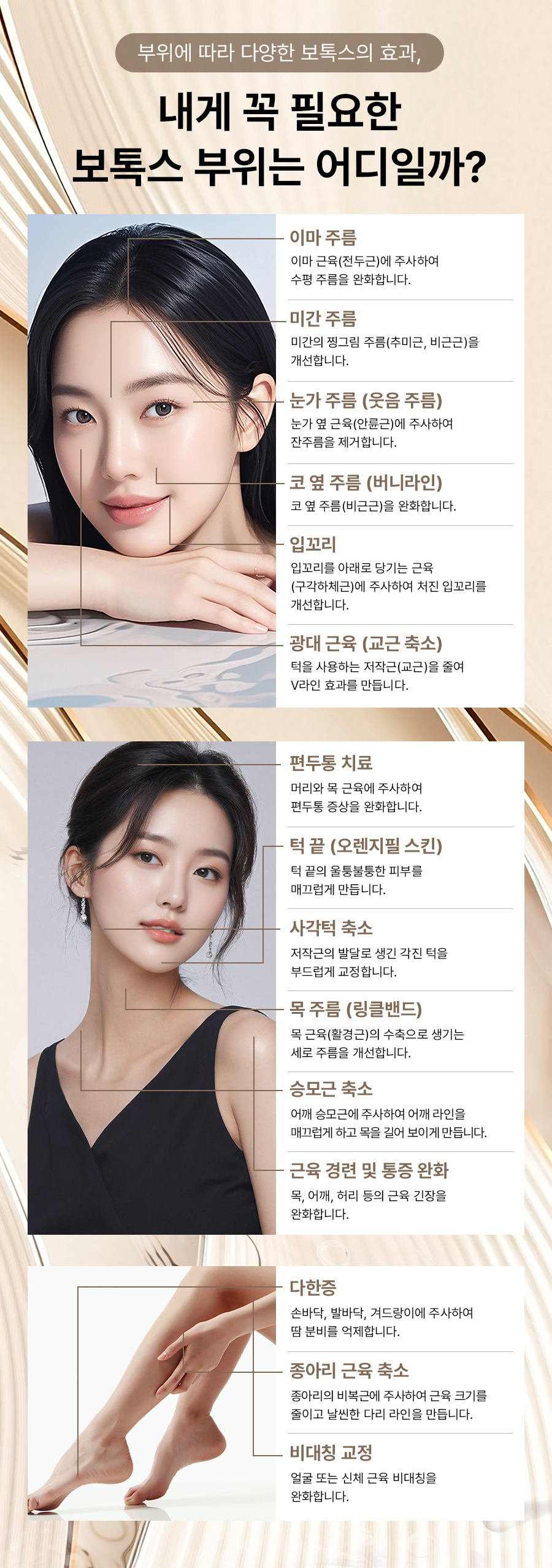
Typical treatment areas include the lines between the eyebrows, horizontal forehead lines, crow's feet at the outer corners of the eyes, bunny lines on the nose, chin dimpling, jaw muscles for jawline slimming, and vertical neck bands. Some people also receive small doses around the brows or mouth corners for subtle lifting or expression balancing.
The injection itself is usually quick. Fine needles are used, and each area generally takes only a few minutes. For office workers around Jamsil or Songpa-gu, this makes it possible to visit a clinic during a lunch break or after work, especially when clinics offer late weekday hours.
What Botox effects actually mean
The main visible effect of Botox is smoothing dynamic wrinkles. These are the lines that appear when you frown, raise your eyebrows, smile, or squint. After treatment, those movements become less intense, so the skin folds less deeply and looks smoother.
There is also a preventive aspect. When expression muscles are slightly relaxed over time, the skin is not repeatedly folded in the same way. This can slow the deepening of expression lines, especially when treatment is done with appropriate intervals and not excessively.
Botox can also change facial contour in certain areas. A common example is jawline slimming.
In some cases, carefully planned injections can create a subtle lifting effect. Examples include a slight eyebrow tail lift to open up the eye area, or small adjustments around the mouth corners to support a more neutral or slightly lifted expression. These effects are usually gentle and depend heavily on precise injection points and dosing.
What Botox cannot do
Botox does not add volume. If you are concerned about hollow areas, deep grooves, or loss of fullness, these are usually addressed with fillers or other volumizing treatments, not with botulinum toxin.
Botox also does not significantly tighten sagging skin. If your main issue is loose skin on the cheeks, jawline, or neck, device-based lifting treatments or thread lifting are usually considered instead or in combination.
Deep static wrinkles that remain visible even when your face is completely relaxed may not disappear with Botox alone. They can often be softened, but complete removal usually requires a combination of treatments such as fillers, skin boosters, or resurfacing procedures.
Realistic time frame of effects
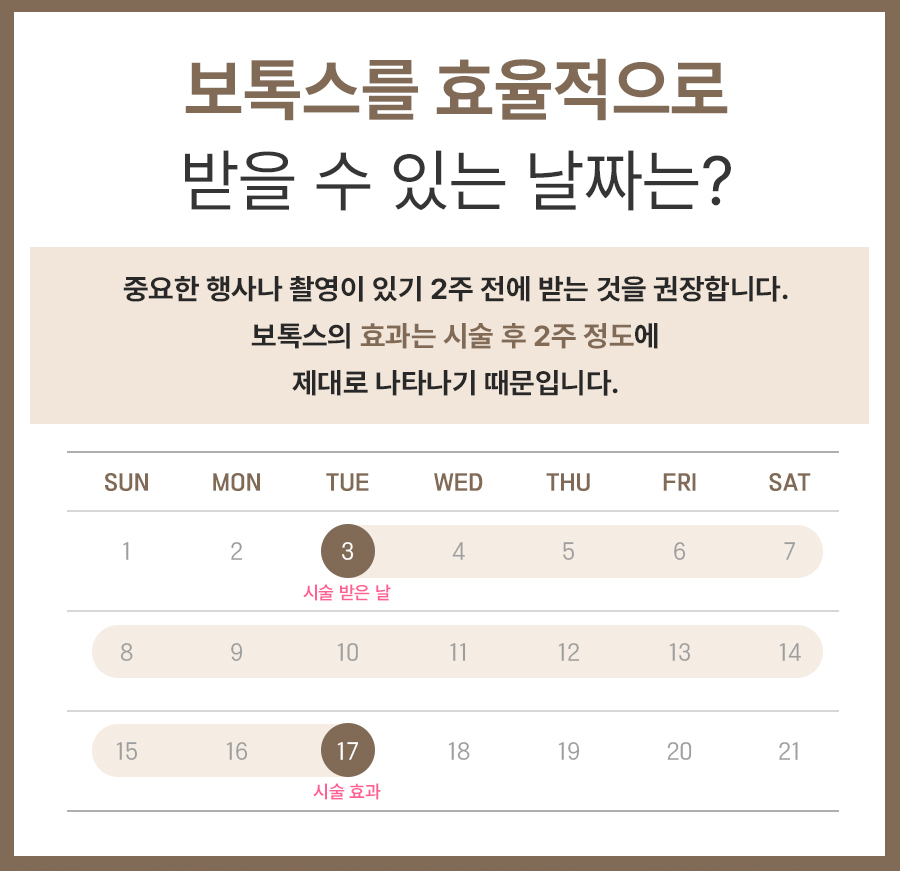
Most people start noticing early changes 2 to 3 days after injection, especially in small muscles like those around the eyes. The full effect is usually reached around 1 to 2 weeks. This is why many clinics schedule a follow-up check at about 2 weeks to review the result and discuss any fine-tuning if appropriate.

because the muscle takes time to regain its previous volume.
Over time, some people who repeat treatment regularly may feel that their muscles become slightly weaker, so they can maintain smoother lines with similar or sometimes lower doses, but this varies by individual.
Factors that influence Botox results
Several individual factors affect how strong and how long Botox effects will be.
Muscle strength and thickness play a big role. People with very strong frown muscles or thick masseter muscles usually need higher doses to see a clear change. At the same time, they may show more obvious contour changes when the treatment works.
Metabolism and lifestyle also matter. Some patients who exercise very intensely, smoke, or are under high stress feel that their Botox wears off a bit faster. This is not the same for everyone, but it is a common observation.
Previous Botox history is another factor. Long-term, high-frequency users may develop partial resistance or simply feel that the duration becomes shorter than before. In such cases, discussing product type, dosing, and intervals with the doctor is important.
Treatment-related factors are equally important. The specific choice may depend on the treated area, your previous experience, and a clinician's recommendation—confirm the exact product to be used during your consultation.
Dose and injection points are critical. Too low a dose or too wide spacing between injection points can lead to weak or short-lived effects. Too high a dose or imprecise placement can cause unnatural expression, heaviness, or asymmetry.
The experience of the injector in reading facial anatomy and expression patterns is key for natural-looking results. Understanding how your face moves when you talk, smile, and concentrate helps in planning where and how much to inject.
Typical timeline during and after treatment
Day 0 is your consultation and treatment day. You will discuss your concerns, medical history, and expectations. The doctor will examine your facial movements and design injection points. The actual injection usually takes only a few minutes per area.
Days 2 to 3 are when some people first notice that frowning or squinting feels slightly weaker. The lines may start to look softer, but the change is usually mild at this stage.
Around 1 week, the main effect becomes visible. Forehead and frown lines are noticeably smoother, crow's feet are reduced, and if the jaw muscles were treated, you may feel that chewing hard foods requires a bit more effort.
Around 2 weeks, the effect is usually at its peak. This is a common time for a follow-up visit if the clinic offers it, to check symmetry and discuss whether the result matches your goals.
From 3 to 4 months, the effect gradually decreases. Facial movement slowly returns, and wrinkles may become more visible again.
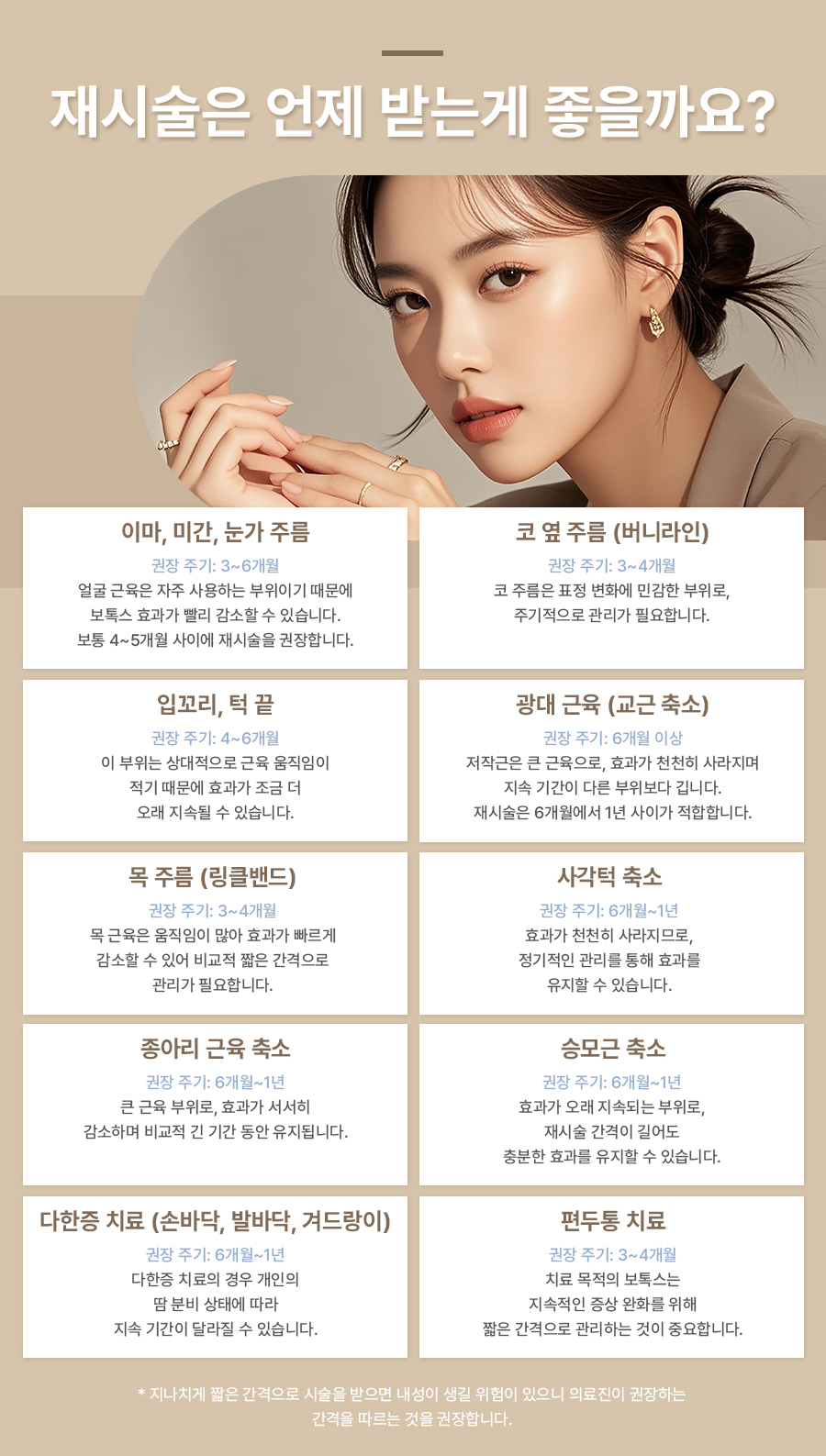
Between 4 and 6 months, many people consider retreatment, depending on the area and their preferences. Some prefer to maintain a continuous effect, while others allow full movement to return before deciding on the next session.
Natural vs overdone Botox
Natural results usually mean that your wrinkles are softer, but your face is not frozen. You can still raise your eyebrows, smile, and show emotion, but the harsh lines are reduced. The jawline, if treated, looks slimmer but still in harmony with your overall face.
Signs of over-treatment include heavy or droopy eyebrows after forehead injections, a stiff or mask-like expression, or difficulty smiling naturally if the area around the mouth has been injected too aggressively. Some people may notice slight changes in speech sounds if perioral muscles are overly relaxed.
To avoid this, many clinics in Songpa-gu prefer a conservative approach for first-time patients. It is often safer to start with a moderate dose, then adjust in later sessions if needed. Clear communication about how much movement you want to keep is very important.
Pain, downtime, and safety
Botox injections use very fine needles and are generally quick. Most patients describe the sensation as brief stings or pinches. Numbing cream or cold packs may be used depending on the area and your sensitivity.
Some clinics in the Jamsil area are staffed by physicians with training in areas such as anesthesia or pain management and may offer additional comfort measures for suitable procedures. If clinic credentials, specific staff experience, or options like sedation matter to you, verify those details directly with the clinic and ask about their policies before booking. Note that simple Botox injections typically do not require sedation.
Downtime is usually minimal. You may see small red marks or slight swelling at the injection sites, which often fade within minutes to a few hours. Tiny bruises can occur and may take a few days to resolve. Most people can return to work or daily activities immediately after leaving the clinic.
Regarding safety, Botox has been widely used for many years, but it should always be administered by qualified medical staff. Common temporary side effects include mild swelling, redness, small bruises, a tight or heavy feeling, or a brief headache.
This is why proper consultation, careful technique, and post-treatment instructions are essential.
Combining Botox with other treatments
For many patients, Botox is part of a broader facial rejuvenation plan. It is often combined with fillers to address deep static wrinkles or volume loss, such as nasolabial folds or under-eye hollows.
Skin boosters and collagen stimulators, such as Rejuran, Juvelook, Radiesse, or Belotero Revive, can be added to improve skin texture, hydration, and elasticity. These work differently from Botox and can complement its wrinkle-smoothing effect.
Device-based lifting treatments, such as Thermage or Shurink, are examples of procedures that target skin laxity and deeper tissue tightening. Some practitioners combine these device treatments with Botox to address both dynamic wrinkles and sagging, but suitability and results depend on individual assessment and the available evidence. Discuss the potential benefits, risks, and supporting data with your provider when considering combination approaches.
Not everyone needs all of these options. A good consultation in Jamsil or elsewhere in Songpa-gu should include a discussion of your main priorities, budget, and schedule, then suggest a stepwise plan rather than pushing multiple procedures at once.
Why some people feel their Botox does not work
Some patients feel disappointed after past Botox experiences. Common reasons include doses that were too low for their muscle strength, injection points that were spaced too far apart, or judging the result too early, such as only 2 or 3 days after treatment.
Very strong muscles or thick skin can require more product or a different injection pattern. In other cases, expectations may have been unrealistic, for example expecting complete removal of deep, long-standing wrinkles with Botox alone.
There is also a small number of people who may have partial resistance to certain toxin types. If you have had several sessions with very little effect, it is important to share your full treatment history with the doctor, including product names, doses, and treated areas.
If you felt your previous Botox did not work, prepare for your next consultation by noting when and where you were treated, how long the effect lasted, and what you liked or disliked about the result. This information helps the new clinic in Jamsil or Songpa-gu adjust the plan.
Local context: getting Botox in Jamsil and Songpa-gu
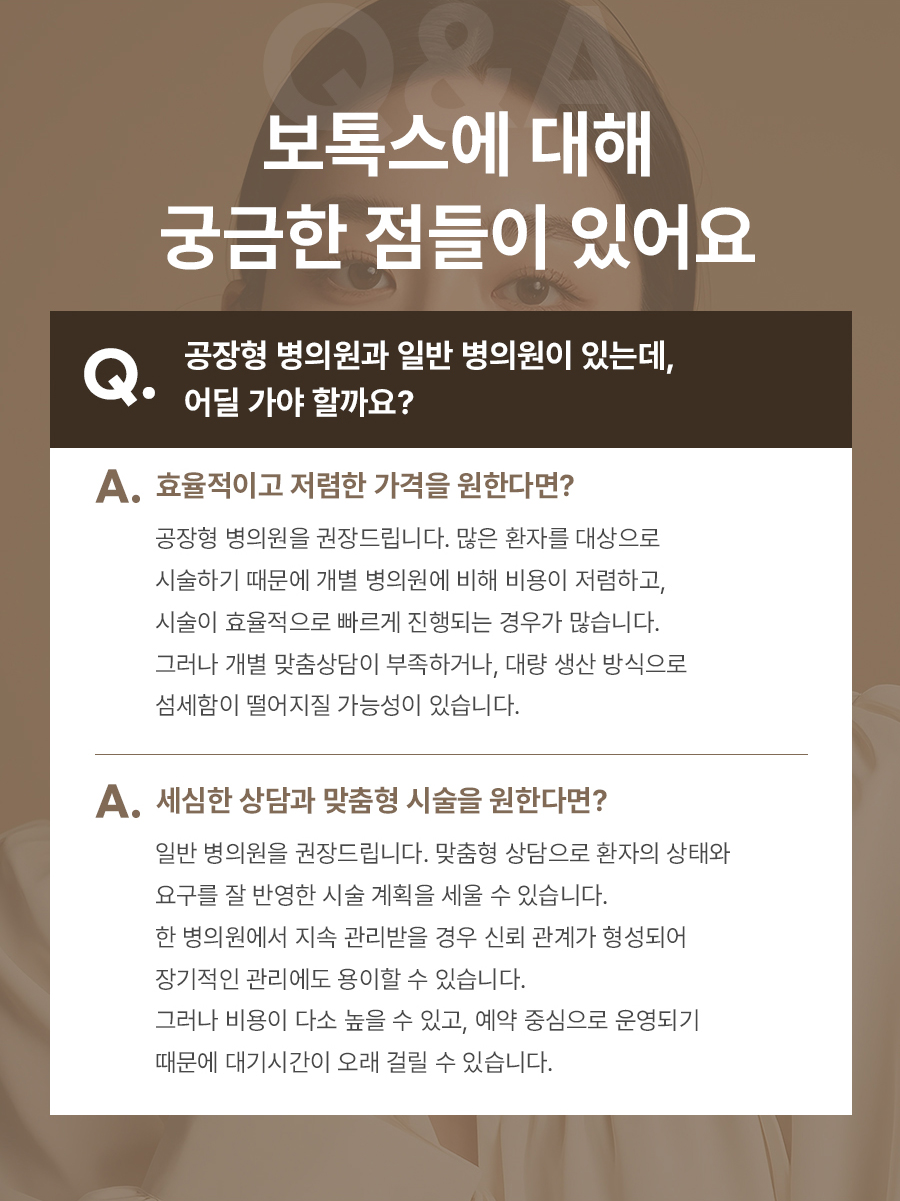
The area around Jamsil Station in Songpa-gu has many aesthetic clinics, which gives both local residents and overseas visitors a range of options. Instead of choosing only by price, it can be helpful to compare several points.
Consultation quality is important. Look for clinics that clearly explain what Botox can and cannot do, the expected time frame, and possible side effects. You should feel comfortable asking questions and expressing your desired level of movement.
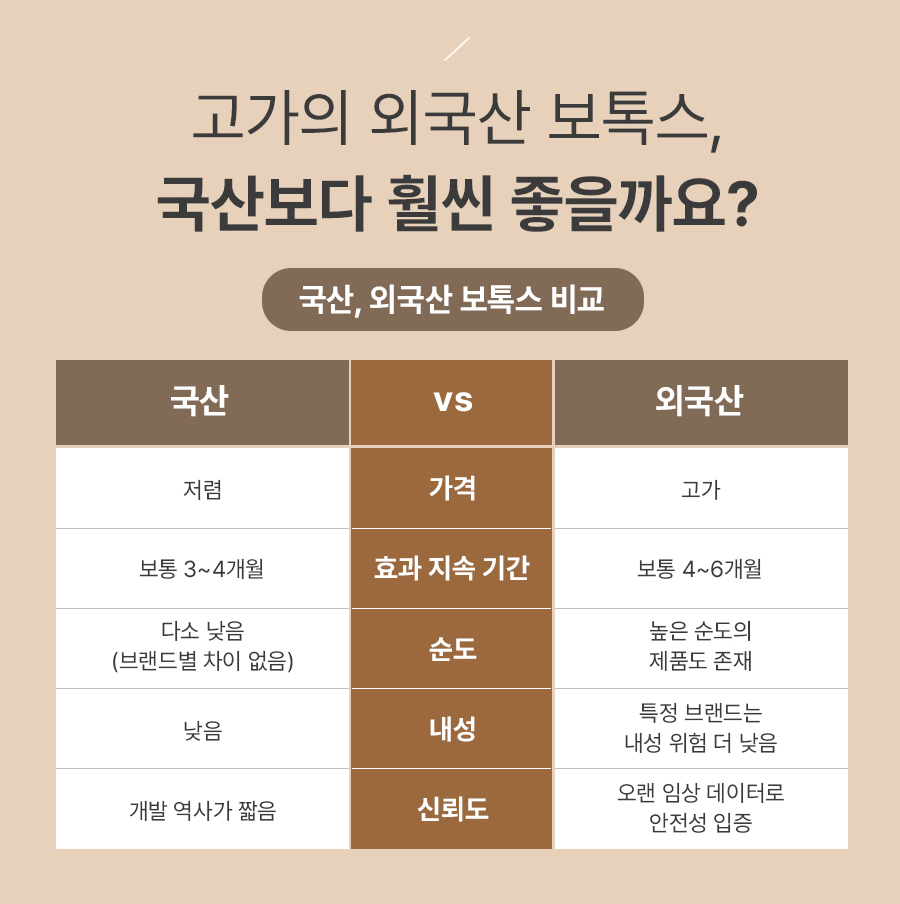
Check the range of toxin brands available and whether the clinic tailors the choice by area and by patient. Some patients prefer to continue with a brand that worked well for them in the past, while others may be open to alternatives.
Consider the clinic’s approach to pain control and safety. Clinics that also manage pain and sedation professionally, such as those with a pain clinic component, may have more structured systems for monitoring and managing discomfort and anxiety.
Operating hours and accessibility matter for office workers and visitors. Some clinics offer extended weekday hours to accommodate after-work appointments; others have more limited schedules. Check individual clinic listings for current opening hours and confirm the exact location and nearest station exit or parking options before you visit to ensure convenience.
dicine work together, and patients go through one-on-one consultations to choose areas and types of care.
Who may consider Botox in Songpa-gu
Botox may be suitable if you are bothered by frown lines, forehead lines, crow's feet, or jaw muscle bulk, and you want a non-surgical option with relatively quick recovery. Many patients are office workers who want to look less tired or angry, or people in their late twenties to forties who want to prevent their expression lines from deepening.
However, not everyone is a candidate. People who are pregnant or breastfeeding, or who have certain neuromuscular conditions, may be advised to avoid treatment. It is essential to discuss your medical history, medications, and any previous reactions with the doctor.
For overseas patients visiting Jamsil, planning ahead is important. Ideally, schedule your Botox early in your trip, so you have at least one to two weeks in Korea if you want to attend a follow-up visit. If that is not possible, you can still receive treatment, but you may need to follow up with a local clinic in your home country if any issues arise.
Online consultation and pre-visit preparation
Many clinics in Songpa-gu offer online or remote consultation options for international patients. Before your trip, you can usually send photos of your face in neutral expression and with specific movements such as frowning, raising eyebrows, and smiling. This helps the doctor understand your muscle patterns and discuss a preliminary plan.
Before your visit, prepare a list of questions. Examples include how much movement you want to keep, how long the effect is expected to last in your case, what product is recommended, and what the clinic’s policy is on follow-up if you are leaving Korea soon after treatment.
If you take blood-thinning medications or supplements such as high-dose omega-3, aspirin, or certain herbal products, ask whether you should adjust them before treatment. Do not stop prescribed medications without consulting your own doctor first.
Expected Korea visit timeline for Botox
For a short trip focused on Botox, many overseas patients plan as follows.
On day 1 or 2 of arrival, visit the clinic near Jamsil Station for consultation and treatment. This allows some time later in the trip for a brief follow-up if needed.
For the next few days, you can continue your normal travel activities. Minor redness or small bruises can usually be covered with makeup after the time recommended by the clinic.
If you are staying for one to two weeks, you may schedule a check-up around day 7 to 10 to review the result. If you are staying only a few days, the follow-up may need to be done online or with a local doctor after you return home.
Aftercare to maximize Botox effects
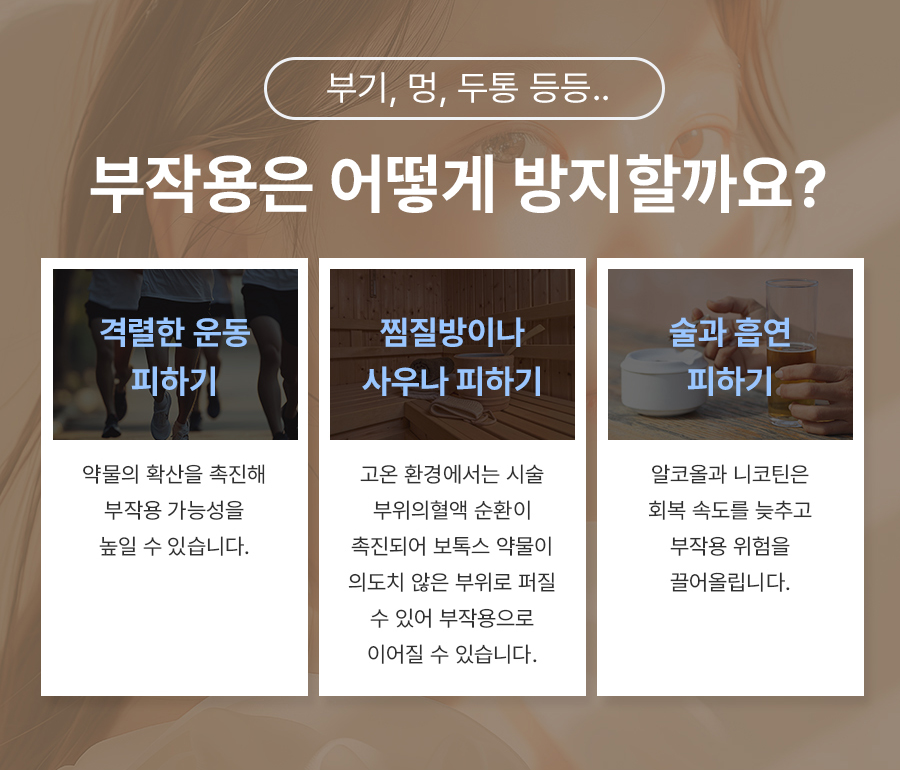
After treatment, avoid rubbing or massaging the treated areas for several hours. Many clinics also recommend avoiding lying flat, intense exercise, or activities that greatly increase facial blood flow for a few hours.
For a short period, you may be advised to avoid saunas, hot baths, and heavy alcohol intake, as these can potentially increase swelling or bruising. If you develop an unusual symptom such as significant drooping, double vision, or difficulty speaking or swallowing, contact the clinic or seek medical help promptly.
To maintain results over the long term, discuss with your doctor how often you should repeat treatment. For many people, an interval of about 3 to 6 months is used, but this should be individualized.

Frequently asked questions
How long do Botox effects usually last in the forehead, crow's feet, and jawline
For forehead and frown lines, many patients in Songpa-gu notice that the effect is strongest around 2 weeks and then gradually decreases over about 3 to 4 months. Crow's feet around the eyes often follow a similar pattern. Jawline slimming from masseter treatment can last longer, often 4 to 6 months or more, because the muscle volume changes more slowly.
When will I see the first visible changes after Botox
Most people start to see early changes 2 to 3 days after injection, especially in smaller muscles such as those around the eyes. However, the full effect usually appears around 1 to 2 weeks. It is generally recommended to wait at least 10 to 14 days before judging the final result.
Can Botox prevent wrinkles from getting deeper if started in my twenties or thirties
When used appropriately, Botox can help slow the deepening of expression lines by reducing repetitive folding of the skin. People who start in their twenties or thirties often use lower doses and longer intervals, focusing on prevention rather than dramatic change. However, individual skin aging also depends on genetics, sun exposure, lifestyle, and skincare, so Botox is only one part of an overall plan.
Is Botox very painful, and what can be done to reduce discomfort
Most patients describe Botox injections as brief, tolerable stings. Fine needles and quick technique help reduce discomfort. Numbing cream, cold packs, or vibration devices may be used, especially in more sensitive areas. Clinics with a background in anesthesia and pain management, such as the Jamsil-based clinic mentioned in this guide, often have structured protocols to keep discomfort as low as reasonably possible.
How often is it safe to repeat Botox injections
For most areas, intervals of about 3 to 6 months are commonly used. Repeating injections too frequently or at very high doses may increase the chance of developing partial resistance or unnatural expression. It is best to plan your schedule with your doctor, based on how quickly your movement returns and what level of smoothness you want to maintain.
What is the difference between Botox and filler in terms of effects
Botox relaxes muscles to reduce movement-related wrinkles, while fillers add volume to lift or fill in lines and hollows. For example, Botox is used for crow's feet or frown lines, whereas fillers are used for deep nasolabial folds or cheek augmentation. Many patients in Songpa-gu receive both, but they serve different purposes and are often placed in different layers of the face.
Can I go back to work right after Botox during my lunch break
Yes, most people can return to work immediately. There may be small red marks or slight swelling at the injection sites, but these usually fade quickly. If a small bruise appears, it can often be covered with makeup after the time advised by the clinic. This is why Botox is popular among office workers around Jamsil Station.
What should I do if I feel my Botox result is uneven or too strong
If you feel that one side moves differently from the other, or that your expression is heavier than you expected, contact the clinic that treated you. Many clinics schedule a follow-up around 2 weeks to check for this. Minor asymmetries can sometimes be adjusted with small additional injections, while overly strong effects may need time to fade. Clear communication about what you are feeling and seeing is important.
Soft call to action for online consultation
If you are an overseas patient considering Botox in Songpa-gu and would like to plan your treatment around a visit to Jamsil, an online consultation can help you understand what to expect in your specific case. By sharing photos, your medical history, and your schedule, you and the clinic can design a realistic plan for timing, expected effects, and aftercare.
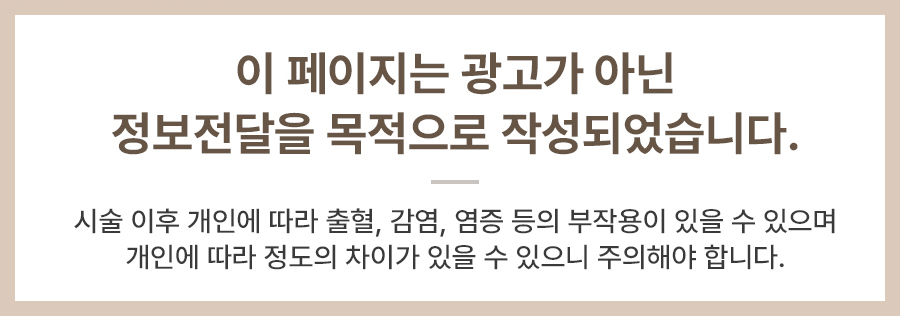
This article is for general information only and does not replace a personal medical consultation. Individual suitability, dosing, and results vary, so please discuss your situation directly with qualified medical staff before deciding on any treatment.
- 공유 링크 만들기
- X
- 이메일
- 기타 앱


댓글
댓글 쓰기