Songpa enlarged pores and skin texture care guide for Jamsil visitors
- 공유 링크 만들기
- X
- 이메일
- 기타 앱

Non‑surgical options such as lasers, energy devices, skin boosters, and acne scar procedures can gradually improve how visible your pores look, but they do not erase pores completely. A local clinic will usually suggest a series of sessions, spaced a few weeks apart, with mild to moderate downtime depending on the method.
This guide explains why pores look large, what usually happens during a visit to a clinic in the Jamsil and Songpa area, what kinds of treatments are commonly used, and how international patients can plan a visit to Korea.

What enlarged pores really are
Enlarged pores are simply the visible openings of sebaceous follicles, where sebum (oil) and tiny hairs come out onto the skin surface. They are most noticeable on the nose, cheeks, forehead, and sometimes the chin.
Several factors influence how large your pores appear. Genetics play a big role: if your parents have visible pores, you are more likely to have them too. Oily skin and excess sebum production make pores look bigger and shinier, especially in the T‑zone. Long‑term blackheads and whiteheads can stretch the openings over time.

Repeated acne breakouts can damage the surrounding collagen and leave small pits or uneven texture. With aging, the skin loses collagen and elasticity, so the pore walls are less supported and start to look wider and more irregular. Chronic sun exposure has a similar effect, breaking down collagen and making pores and fine lines more obvious.
Home habits also matter. Aggressive squeezing, using harsh scrubs, or frequently picking at blackheads can injure the pore openings and lead to permanent enlargement or scarring.

Different patterns of pore and texture problems
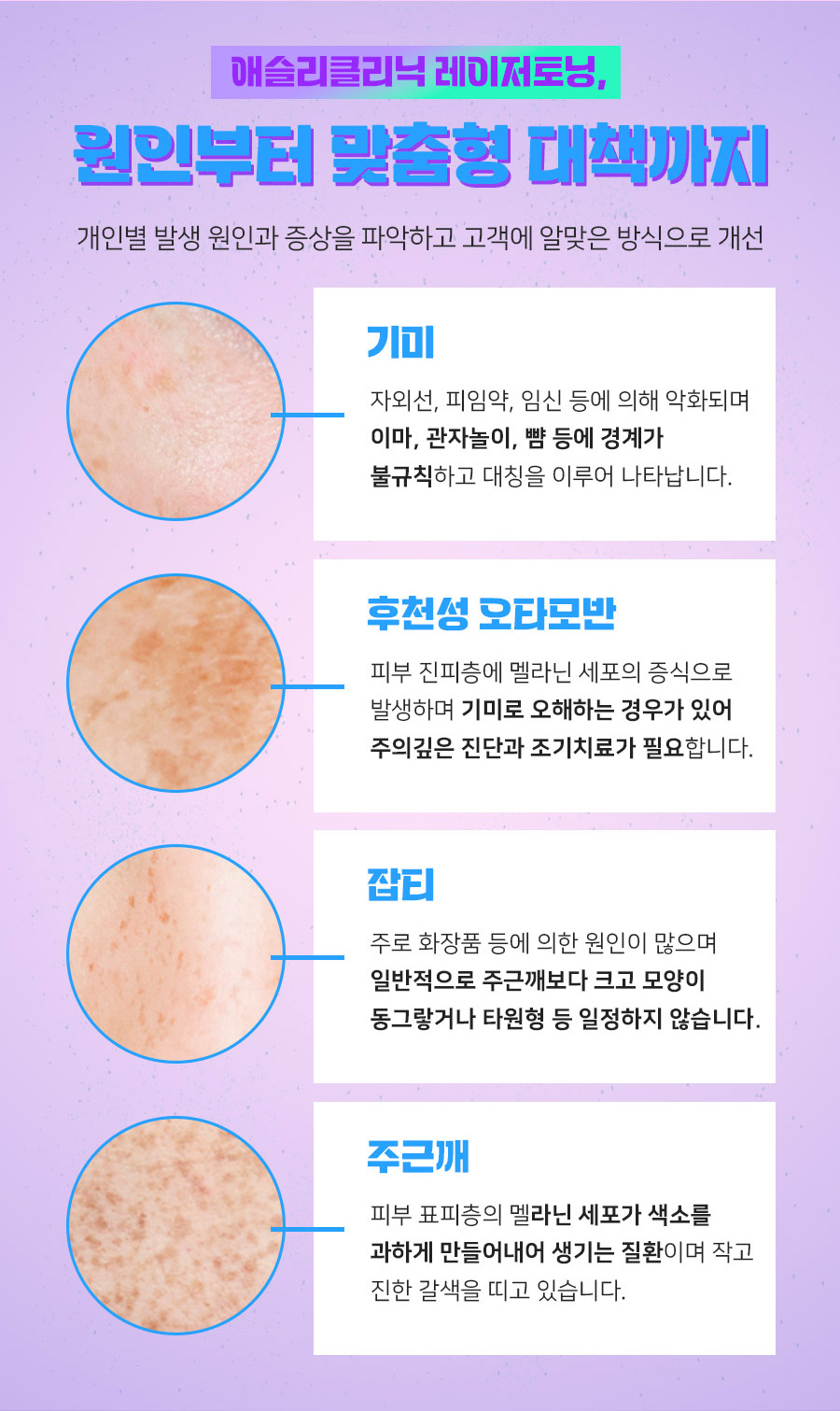
Not all “large pores” are the same. Some people mainly have an oily, shiny T‑zone with many blackheads and visible but shallow pores. Others have a history of acne and now see small pits, ice‑pick scars, or boxcar scars that make the surface look rough and shadowed. These scars are often mistaken for enlarged pores.
In many adults, both issues are present together: active sebum and blackheads in some areas, and older acne scars or fine criss‑cross lines in others. Because of this, clinics in the Songpa and Jamsil area usually combine several approaches rather than relying on one single device.
Home care versus clinic treatment
Good daily skincare is important, but it has limits. Gentle cleansers, chemical exfoliants such as low‑strength acids, retinoid creams, and regular sunscreen can help keep pores clear, reduce oiliness, and protect collagen. However, once the pore opening has been stretched and the underlying collagen has thinned, home care alone cannot physically tighten the structure.

You may want to consider a professional assessment if you notice any of the following:
Persistent clogged pores or blackheads that return quickly after extraction
Frequent breakouts that leave marks or pits
Visible pits, dents, or roughness that do not smooth out even when your skin is clean
Makeup settling into pores and scars, making them more obvious under office lighting
Feeling very self‑conscious in close‑up photos or in bright light
In these situations, non‑surgical procedures at a clinic can target deeper layers of the skin and stimulate new collagen, which home products cannot reach effectively.

How clinics in Songpa and Jamsil usually assess enlarged pores
For office workers and residents around Jamsil Station or Songpa, convenience is important, but the first step is still a careful medical assessment.
Consultation and history
During an initial visit, the medical team typically asks about:
How long you have been bothered by visible pores or scars
Past and current acne, including any medications such as isotretinoin
Your skin type, sensitivity, and tendency to develop pigmentation or keloid scars
Lifestyle factors such as long office hours, stress, diet, and sun exposure during commuting or outdoor activities
Current skincare products, including exfoliants, retinoids, and any recent peels or lasers
Skin evaluation
The face is usually examined under bright light, and sometimes with imaging devices that show pores, oil levels, and pigmentation in more detail. The clinician will check:
Oiliness and thickness of the skin in different zones
Degree of laxity or sagging, especially on the cheeks
Presence of active acne or inflammation that may need to be controlled first
Type of scars, such as boxcar, rolling, or ice‑pick scars, which may require different techniques
Areas where pores are truly enlarged versus areas where scars or fine wrinkles create the illusion of larger pores
Planning a combined approach
Based on this evaluation, a treatment plan is usually customized. Instead of promising a single “pore shrinking” laser, many clinics combine:
Sebum control and acne management
Texture‑smoothing procedures such as fractional lasers or microneedling‑type devices
Collagen‑stimulating treatments to support the pore walls
Hydrating or regenerative skin boosters to improve the overall look of the skin surface
Common non‑surgical treatments for enlarged pores and texture
Energy‑based tightening devices
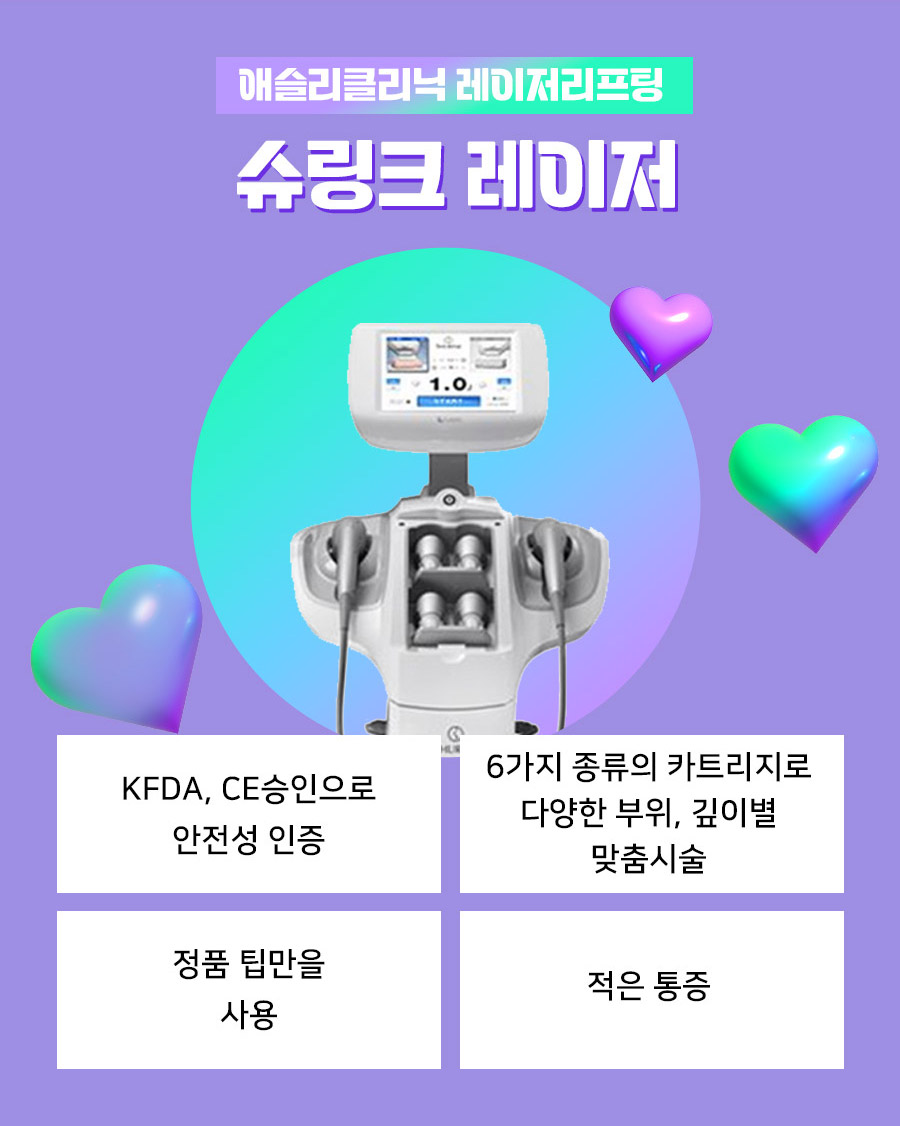
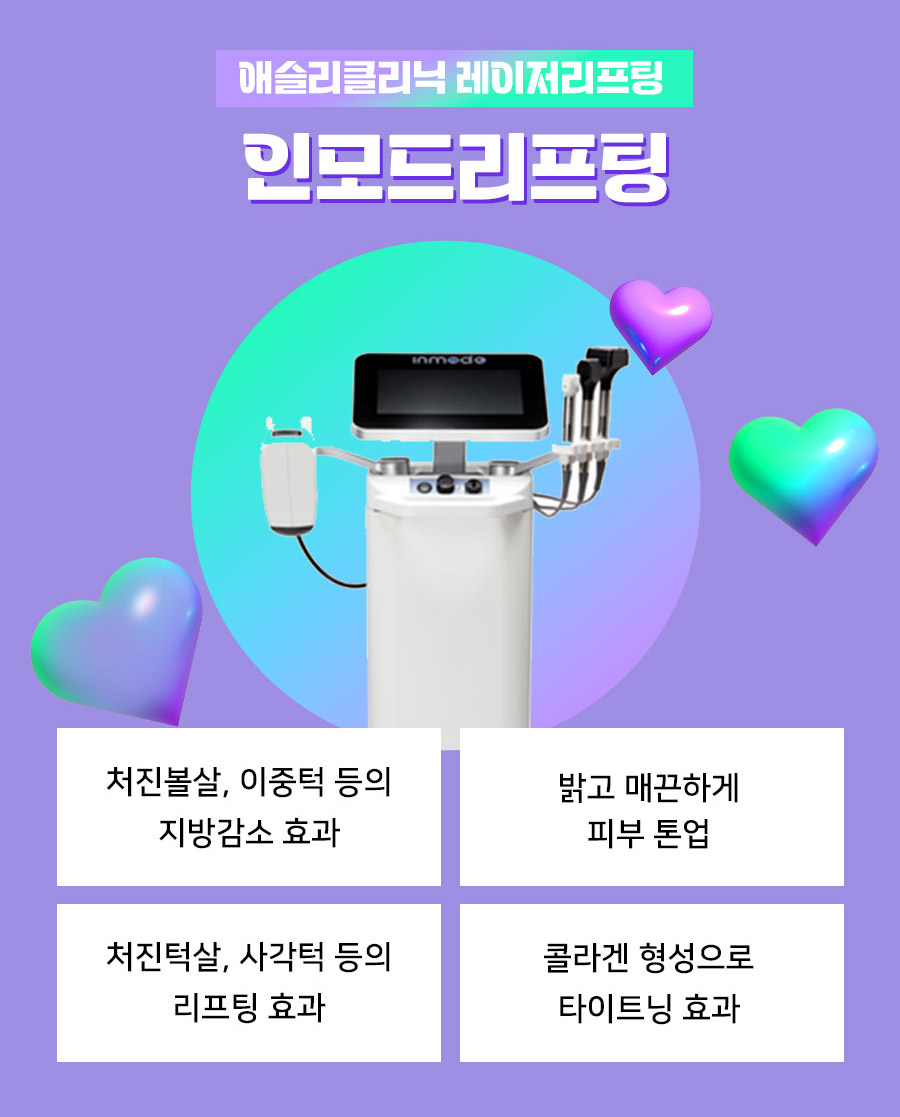
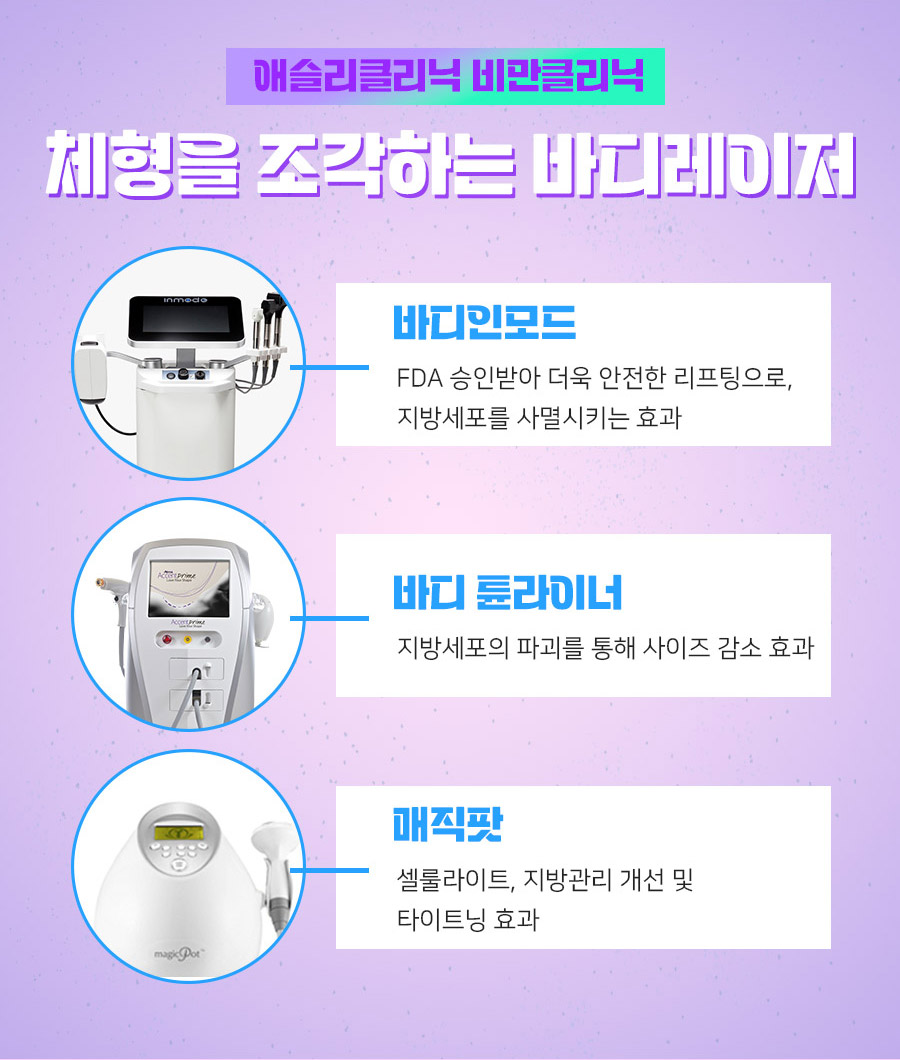
Radiofrequency or ultrasound tightening devices, including systems in the same category as Thermage or Shurink‑type high‑intensity focused ultrasound, are used to improve skin laxity. By delivering heat to deeper layers, they stimulate collagen production and can slightly tighten the area around pores. This does not erase pores but can make them appear less stretched, especially on aging or sagging cheeks.
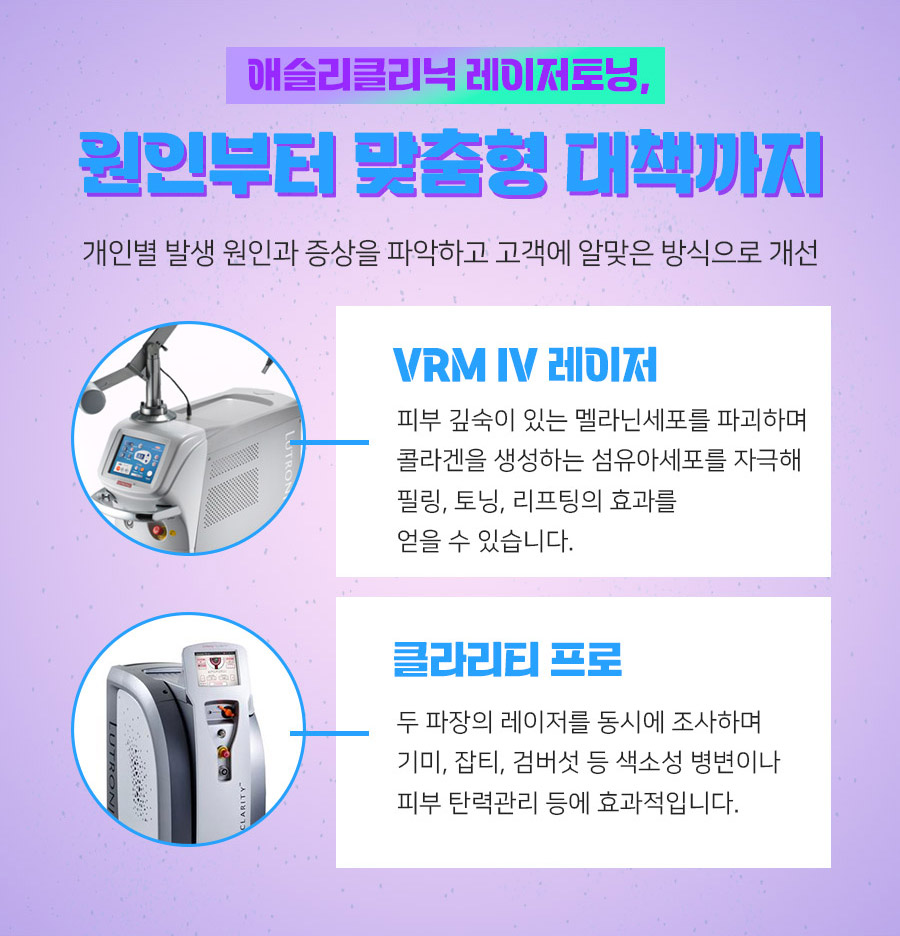
Sessions are usually spaced several months apart, with gradual improvement over time. Downtime varies by procedure and intensity: some lighter treatments may allow a quick return to most activities, while stronger resurfacing can cause redness or sensitivity for several days. Your clinic will confirm the expected downtime for your chosen procedure during consultation.
Fractional lasers and RF microneedling
Fractional lasers and radiofrequency microneedling devices create controlled micro‑injuries in a grid pattern over the skin. This triggers a healing response and new collagen formation, which can smooth rough texture and soften the edges of enlarged pores and shallow scars.

- These treatments are commonly used for:
- Old acne scars, including boxcar and rolling scars
- Rough, uneven texture on the cheeks and temples
- Mixed concerns of fine lines, pores, and mild laxity
Downtime depends on the intensity. Lighter sessions may cause redness for one to two days. Stronger resurfacing can lead to more noticeable redness, pinpoint scabs, or dryness for several days. Sun protection and gentle skincare are essential during healing.

Skin boosters and collagen stimulators
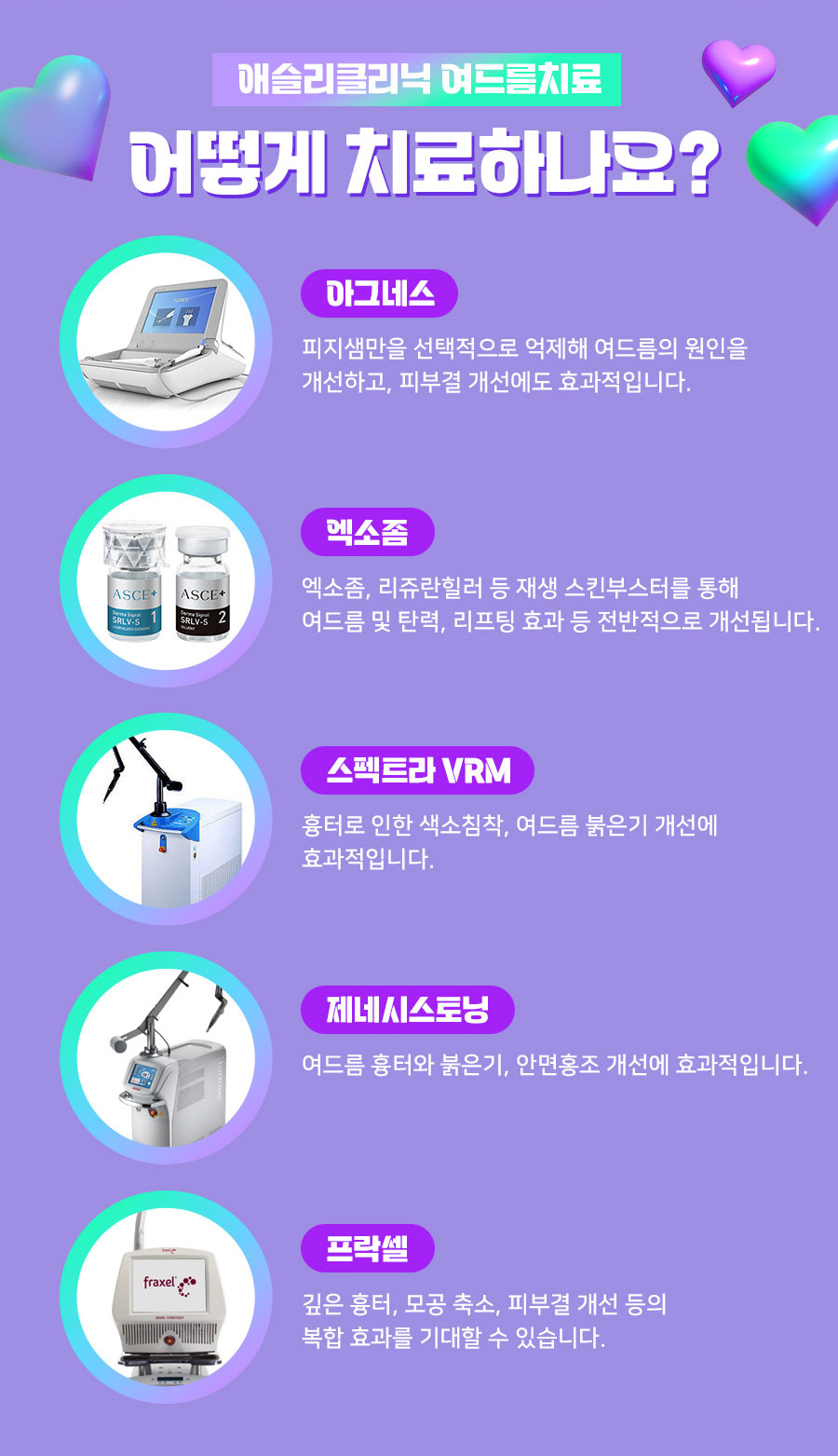
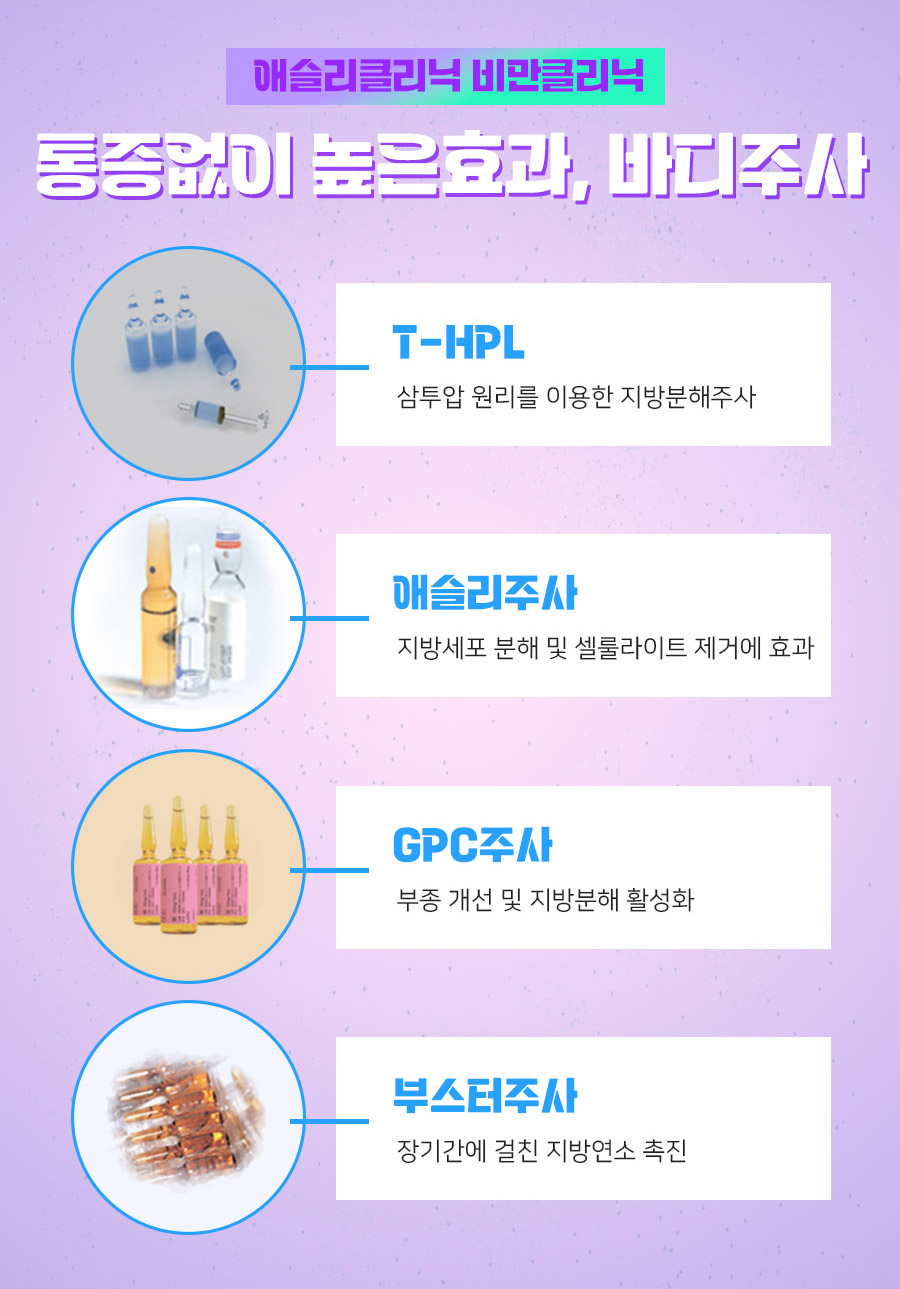
Regenerative injectables and collagen stimulators, such as polynucleotide solutions or biostimulatory fillers, are injected in small amounts under the skin. They aim to improve dermal quality, elasticity, and fine lines over time. As the skin becomes thicker and more elastic, pores and fine criss‑cross lines can look softer and less reflective.
Hydrating skin boosters, often based on hyaluronic acid or similar substances, focus on moisture and glow. Well‑hydrated skin reflects light more evenly, so pores and fine irregularities are less obvious in daily life and in photos.
These treatments usually involve multiple sessions spaced several weeks apart. Mild swelling, tiny injection marks, or small bruises can appear and generally fade within a few days.
Acne and sebum management
If active acne is present, medical treatment is often the first priority. This may include topical medications, short‑term oral medications, or both, depending on severity and medical history.
Sebum‑regulating medications may be suggested for very oily skin, when appropriate for your health status. Professional cleansing and gentle extraction can be included in treatment programs to reduce blackheads and whiteheads in a controlled way, rather than aggressive home squeezing.

Scar‑focused procedures
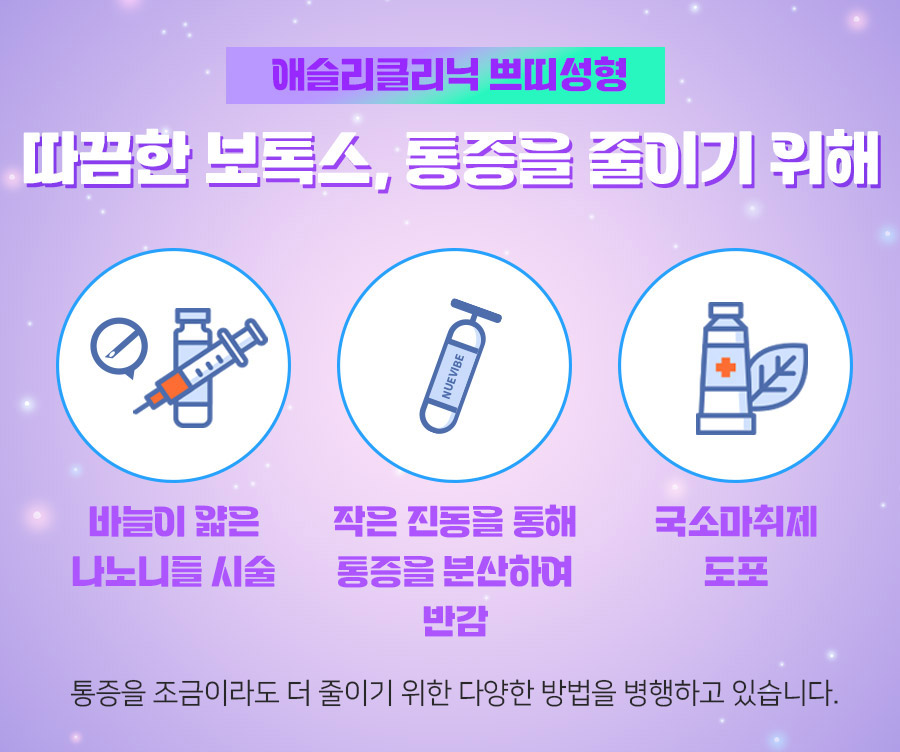
For deep, pit‑like scars that are often mistaken for large pores, more intensive scar procedures are usually needed. Options can include subcision, where a needle is used to release fibrous bands under a scar, or stronger fractional resurfacing.
These treatments almost always require multiple sessions, and improvement is gradual. The goal is to soften sharp edges, reduce depth, and blend scars into the surrounding skin, not to make the surface perfectly flat.
Pain management and comfort during pore treatments
Many modern clinics in the Songpa and Jamsil area pay close attention to pain control, especially for procedures like fractional lasers, RF microneedling, and scar treatments.
- Common comfort measures include:
- Topical anesthetic cream applied before the procedure
- Cooling devices, cold air, or cold packs during and after treatment
- Gentle technique and careful adjustment of energy settings based on your skin and pain tolerance

For very sensitive or anxious patients, some clinics offer monitored sedation or specialized pain‑management protocols. In such cases, a medical evaluation is necessary to check your general health, medications, and any history of allergies or anesthesia issues. Sedation should always be supervised by qualified medical staff with appropriate monitoring.
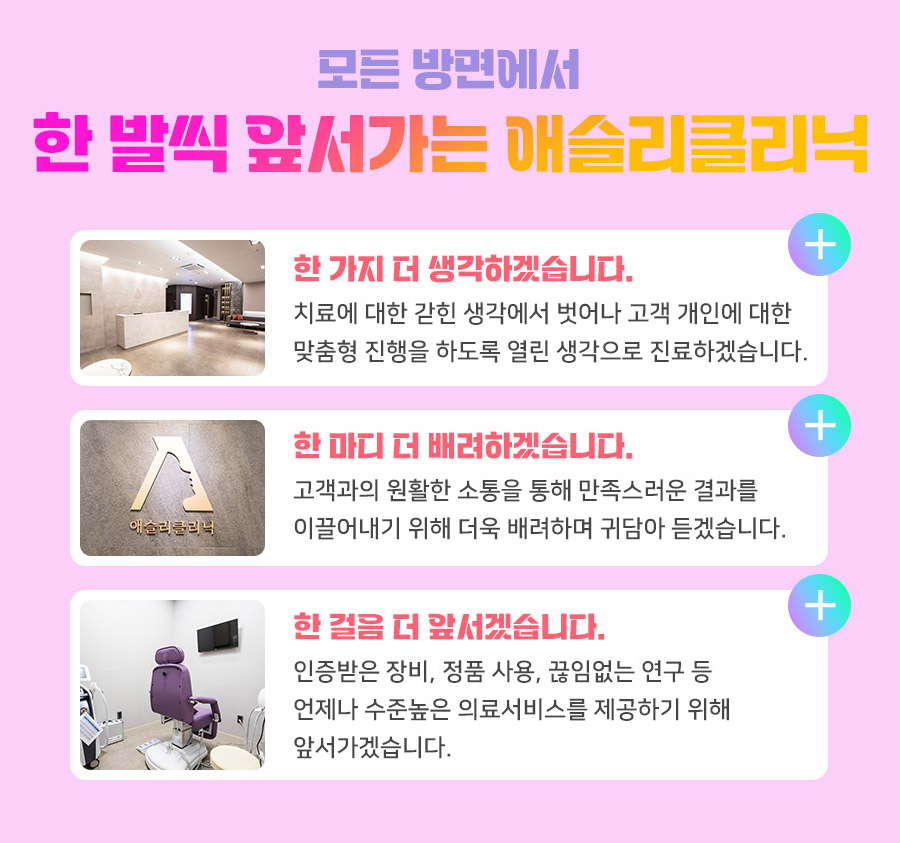
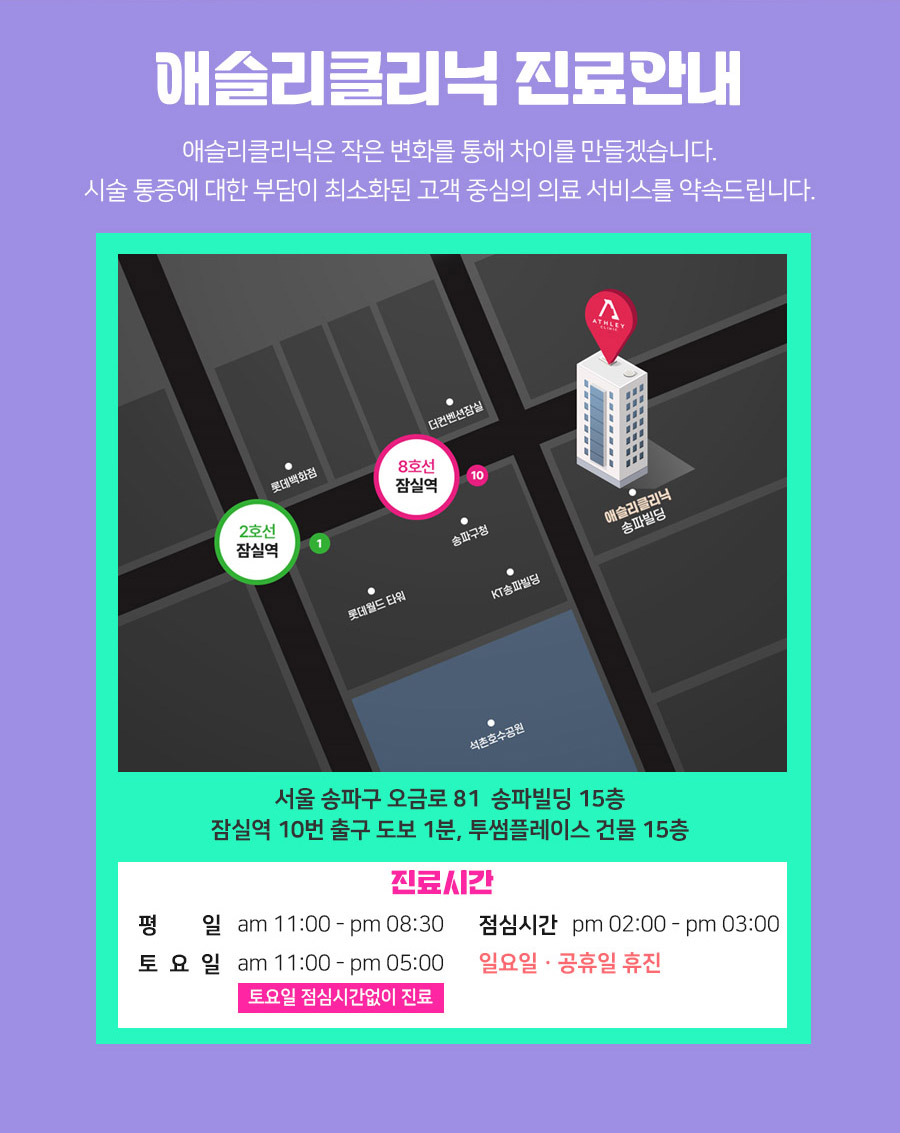
In Jamsil, there is a clinic near Jamsil Station in Songpa that combines aesthetic skin procedures with a dedicated pain‑management clinic. The medical team has experience in both cosmetic treatments and pain medicine, which can be helpful for patients who are particularly concerned about discomfort during pore and scar care. Extended weekday evening hours can also make it easier for office workers to schedule repeated sessions.
Treatment course, downtime, and realistic expectations
Number of sessions
Most pore and texture treatments are planned as a short series of visits rather than a single procedure. Treatments such as fractional lasers or RF microneedling are typically scheduled several weeks apart, but your clinic will confirm the exact number and timing based on your skin and goals. Skin boosters are also commonly administered as a series and will be planned in consultation.
Downtime and side effects
Downtime depends on the procedure and its intensity. Example effects can include:
- Lighter resurfacing or non‑ablative treatments: temporary redness, mild swelling, or warmth that usually resolves within days. Some people can resume normal activities quickly, but recovery times vary.
- Moderate to deeper resurfacing: prolonged redness, possible pinpoint scabbing, dryness, or temporary darkening of existing marks; in rare cases, more persistent pigment changes or scarring can occur.
- Injectable treatments and skin boosters: injection‑site bruising, swelling, small bumps, or needle marks are common and usually settle within days. Rare but serious complications—such as vascular occlusion with fillers—can occur; clinics will explain signs to watch for and how they manage complications.
For all procedures, your practitioner will review specific risks, expected downtime, and aftercare during consultation and advise on scheduling to suit your lifestyle.

Your clinic should explain what to expect, how long you might want to avoid heavy makeup, and any special precautions such as avoiding saunas, hot baths, or intense exercise for a short period.
Results timeline
Collagen remodeling is slow. While some people notice a fresher look within a couple of weeks, the main improvements in texture and pore visibility usually appear over several weeks to months. Each session builds on the previous ones.

- Realistic goals
- It is important to understand that pores are a normal structure and cannot be completely removed. The aim of treatment is to:
- Smooth rough or bumpy areas
- Reduce shine and frequent clogging
- Make pores and scars less noticeable in daily life and under makeup
- Help you feel more comfortable in bright lighting and close‑up situations
Results vary from person to person, and final outcomes depend on your skin type, the severity of the initial problem, and how consistently you follow the recommended treatment plan and aftercare.
Aftercare and lifestyle tips
Sun protection
Strict sun protection is one of the most important steps after any pore or texture treatment. New collagen is sensitive to UV damage, and unprotected sun exposure can lead to pigmentation and reduce the benefits of the procedure.
Use a broad‑spectrum sunscreen daily, reapply during long outdoor periods, and consider hats or shade when possible. This is especially important during the first weeks after fractional lasers or resurfacing.
Gentle skincare
After procedures, the skin barrier may be temporarily weakened. Clinics usually recommend:
Gentle, non‑foaming or low‑irritant cleansers
Moisturizers that support barrier repair without heavy fragrance or strong acids
Avoiding harsh scrubs, strong exfoliants, or home devices until the skin has recovered
Not picking at scabs or peeling skin, as this can cause marks or scars

Makeup and activities
You may be asked to avoid heavy makeup for a short time after certain treatments. When you return to makeup, clean brushes and sponges regularly to reduce the risk of breakouts or infection.
Avoid saunas, very hot baths, and intense exercise for the period recommended by your clinic, as heat and sweat can worsen redness and irritation in the early healing phase.
Long‑term maintenance
Even after a course of treatments, maintenance is usually needed. This may include:
Periodic touch‑up sessions once or twice a year
Consistent home care with gentle exfoliants, retinoids if suitable for your skin, and daily sunscreen
Lifestyle adjustments such as stress management, adequate sleep, and a balanced diet
- Planning a Korea visit for pore treatment in Songpa or Jamsil
- Who may consider treatment in Songpa
- International patients often choose the Jamsil and Songpa area because it is convenient, with good transport links and many clinics within walking distance of major stations. You may consider visiting if:
- You are already planning a trip to Seoul and want to combine it with skin care
- You have tried home care and simple facials without satisfying improvement
- You prefer a structured program with medical supervision and clear explanations
Online consultation and pre‑visit preparation
Before you travel, many clinics can offer online or remote consultations. To make this efficient, prepare:
Clear photos of your face in natural light, including close‑ups of the areas that bother you
A list of current skincare products and any prescription creams
Information about past procedures, such as previous lasers, peels, or injections
Your medical history, including medications, allergies, and any chronic conditions
- During the online consultation, ask about:
- Which treatments are likely to be recommended for your specific pore and texture pattern
- How many sessions are realistic within your travel schedule
- Expected downtime and when it is safe to fly after certain procedures
- Follow‑up options once you return home
Typical visit timeline
For visitors staying one to two weeks in Seoul, a sample timeline might look like this:
Day 1–2: In‑person consultation, skin analysis, and possibly a first light treatment or gentle procedure if appropriate
Day 3–5: Main procedures such as fractional laser, RF microneedling, or skin boosters, scheduled to allow for several days of mild downtime
Day 6–10: Follow‑up check, additional light treatment if suitable, and aftercare instructions for when you return home
If you are planning more intensive resurfacing, you may need to allow extra days for visible redness or scabbing to settle before important meetings or photos.
Practical considerations for Songpa and Jamsil office workers
For local residents and office workers, factors such as proximity to Jamsil Station, evening clinic hours, and the ability to schedule repeated sessions without taking time off are important.

- When comparing clinics, consider noting down questions such as:
- What is the full treatment plan, not just a single device session?
- How many sessions are likely, and at what intervals?
- What are the expected side effects and downtime for each step?
- Which pain‑control methods are available, and who supervises any sedation?
- How are emergencies handled if you react unexpectedly to a procedure?
Looking beyond price alone can help you choose a clinic that matches your schedule, comfort level, and long‑term goals.
Frequently asked questions about enlarged pores in Songpa
Can enlarged pores really be reduced without surgery?
Non‑surgical treatments cannot remove pores, but they can reduce how visible they look. By controlling sebum, smoothing the surface, and stimulating new collagen, pores can appear smaller and less obvious in everyday situations. Improvement is usually gradual and may require several sessions.

How many sessions are usually needed for pore and texture treatment?
The number of sessions depends on your starting point and the methods used. Skin boosters may also be done as a series. Your clinic will adjust the plan based on how your skin responds over time.
Is treatment for enlarged pores painful?
Most pore and texture procedures involve some level of discomfort, but clinics use topical anesthetic creams, cooling, and careful technique to make them more tolerable. For patients who are very sensitive or anxious, some centers in Jamsil and Songpa offer monitored sedation with appropriate safety checks. Discuss your pain tolerance and medical history during consultation so the team can plan suitable pain control.
How long is the downtime after pore treatment, and when will I see results?
Downtime ranges from almost none for light treatments to several days of redness and dryness after stronger resurfacing. Many people feel comfortable returning to work within one to three days, depending on the procedure and their job environment. Visible improvement in pores and texture often appears gradually over weeks to months as collagen remodels and the skin heals.
Soft call to action
If you are considering treatment for enlarged pores or uneven skin texture during a visit to Seoul, or if you live and work around Jamsil and Songpa and want a structured plan, starting with an online consultation can be helpful. By sharing photos, your history, and your schedule in advance, the clinic can suggest realistic options and design a timetable that fits your stay or your work hours.

Always remember that the best treatment plan is individual. An in‑person examination by a qualified medical professional is essential before any procedure, and results and recovery can vary from person to person.

- 공유 링크 만들기
- X
- 이메일
- 기타 앱


댓글
댓글 쓰기