Pore Treatment Near Jamsil Station for Smoother Skin
- 공유 링크 만들기
- X
- 이메일
- 기타 앱

Direct answer summary
Many visitors prefer this area because it is easy to reach by subway; some clinics also offer evening hours and emphasize comfort and pain‑conscious care.
Introduction
When people talk about “pore problems,” they usually mean three things: enlarged pores on the nose and cheeks that stand out in photos, rough or bumpy texture that makes the skin look uneven, and makeup that settles into pores or separates during the day. These issues often go together with oiliness, blackheads, or old acne marks.
The Jamsil Station area in Songpa‑gu is a busy hub with many offices, shopping centers, and residential buildings. Because of this, many people search specifically for pore treatment near Jamsil Station so they can visit a clinic after work or between errands without a long commute.
Why pores look larger around Jamsil office workers and residents
Visible pores are influenced by several factors. Genetics play a role, so some people naturally have more active oil glands or thicker skin around the T‑zone. Sebum production is another key factor: when the skin produces a lot of oil, pores can stretch and collect oxidized oil and debris, which appear as blackheads or dark dots.

Aging and loss of elasticity also make pores look larger. As collagen and elastin decrease over time, the skin around each pore loses its support and can sag slightly, turning small openings into more visible oval or slit‑like pores. Repeated acne breakouts, squeezing, or picking can damage the pore walls and leave shallow scars and uneven texture.
Environmental influences, such as fine dust, pollution, long hours in air‑conditioned offices, and heavy or long‑wear makeup, can clog pores and stress the skin barrier. In a dense urban area like Jamsil, these factors are common for office workers and residents.
It is important to understand that pores are normal structures and cannot be completely removed. However, their appearance can be improved. By managing sebum, supporting elasticity, and refining the surface texture, pores can look less noticeable and the overall skin surface can appear smoother and more even.
Types of pore treatments commonly used in clinics
Non‑surgical pore care frequently combines multiple approaches rather than a single procedure. The exact plan is determined after an in‑person skin assessment; common categories include:
Energy‑based treatments
Energy‑based devices are used to tighten the skin and improve texture. These may include ultrasound or radiofrequency lifting devices that heat the deeper layers to stimulate collagen, as well as fractional resurfacing lasers that create controlled micro‑channels in the skin.
These procedures aim to firm the tissue around each pore and smooth out fine irregularities. When the skin becomes more elastic and even, pores can appear smaller and less deep. Depending on the device and settings, downtime can range from mild redness for a few hours to several days of sensitivity and flaking.
Skin boosters and collagen stimulators
Injectable skin boosters and collagen stimulators are often used to improve overall skin quality. Examples include hydrating boosters that increase moisture, polynucleotide‑based products that support regeneration, and collagen‑stimulating injectables that encourage the skin to build new structural proteins.
These treatments are not pore‑specific, but by improving hydration, elasticity, and fine lines, they can make pores and shallow acne scars look softer and less obvious. A clinic near Jamsil Station that offers a wide range of fillers and skin boosters can select different products for different areas, such as the nose, cheeks, or acne‑scarred zones, instead of using only one standard option.
Acne and acne scar management
When active acne and old scars are present together with enlarged pores, it is often more effective to address them at the same time. This may involve combining gentle acne control methods, such as topical prescriptions or light‑based treatments, with resurfacing or collagen‑stimulating procedures for scars.
For shallow rolling or boxcar scars, fractional resurfacing or regenerative injectables can gradually improve the surface. The aim is not to erase every mark, but to reduce the contrast between scarred and normal skin so that the overall texture looks more even.
Importance of a tailored plan
Because every person’s skin type, pore size, oiliness, and scar pattern are different, there is no single “best” pore treatment. A responsible clinic will recommend a plan only after a face‑to‑face consultation and skin assessment. For international patients, this usually includes reviewing medical history, current medications, and how much time you have available in Korea.
Customized pore care near Jamsil Station
Some clinics near Jamsil Station, such as the one located in the Seegene Songpa Building, emphasize a “DIY‑style” customization approach. Instead of fixed packages that may include treatments you do not need, you can discuss which areas bother you most and build a program around them.
For example, you may focus on nose pores and blackheads, cheek texture and shallow scars, or a combination such as pores plus lifting for early sagging. During a one‑to‑one consultation, the doctor evaluates pore size, sebum level, sensitivity, and scar depth, then suggests a mix of device‑based procedures, injectables, and medical skincare.
A dehydrated but sensitive skin type may benefit more from gentle hydrating boosters and mild resurfacing, while thicker, oilier skin might tolerate stronger energy‑based treatments and collagen stimulators.
This flexible system is especially helpful for overseas patients who have limited time. You can prioritize the procedures that are most likely to give visible texture improvement within your stay, while planning longer‑term maintenance for future visits.
Pain‑conscious pore and texture treatment
Many pore and resurfacing procedures can be uncomfortable, especially those involving laser energy or multiple micro‑injections. Pain control therefore becomes an important part of the treatment plan, particularly for patients who are anxious about discomfort.
Some clinics in the Jamsil Station area provide both aesthetic treatments and services aimed at managing procedure‑related discomfort.
Numbing methods can include topical anesthetic cream, local injections, and cooling. In selected cases, monitored sedation under appropriate medical supervision may be offered; discuss risks, eligibility, and required precautions during your consultation.
Before any procedure, the doctor will discuss your pain tolerance, previous experiences with anesthesia, and any underlying conditions. Based on this, they can adjust the numbing method and treatment intensity to balance effectiveness with comfort.
Accessibility for Jamsil Station users
For busy office workers and travelers, location and hours are as important as the treatment itself. The clinic is located in Songpa‑gu, about one minute on foot from Jamsil Station Exit 10, inside the Seegene Songpa Building, which is a recognizable landmark in the area.

Because Jamsil Station connects several subway lines and bus routes, it is easy to reach from major hotel districts and tourist areas. This reduces travel time and makes it simpler to attend follow‑up visits during a short stay in Seoul.
What to expect during a pore treatment journey
For overseas patients, it helps to understand the typical steps from first contact to follow‑up. While details vary by person, the general flow is similar.
Initial online consultation and pre‑visit preparation
Before you arrive in Korea, you can usually request an online consultation. Many clinics offer communication in English and may ask you to send clear photos of your face in natural light, without makeup, from the front and both sides.
You may be asked about your main concerns (pores, blackheads, scars, oiliness), previous treatments, skin care routine, allergies, and medical history. It is helpful to prepare a list of any medications or supplements you are taking, including acne treatments, blood thinners, or hormonal medications.
Based on this information, the clinic can suggest a preliminary plan and an estimated number of sessions. However, final decisions are made only after an in‑person examination, because photos cannot show everything.
Expected Korea visit timeline
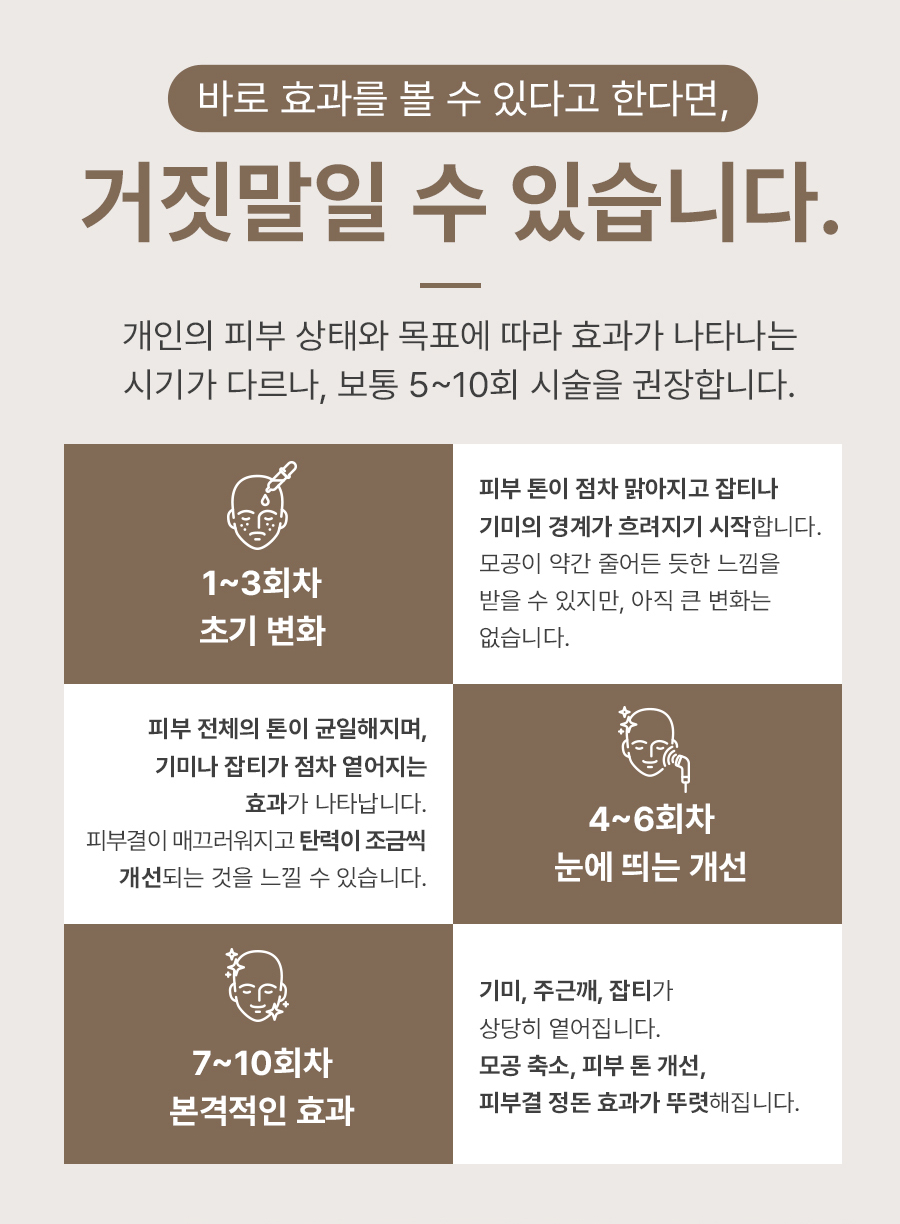
For mild to moderate pore and texture concerns, many visitors schedule one or two treatment sessions during a trip of about one week. A possible timeline could look like this:

Day 1–2: In‑person consultation, skin analysis, and first procedure if you agree with the plan.
Day 3–4: Recovery from any redness or sensitivity, with gentle skincare and sun protection.
Day 5–7: Optional second, lighter treatment or follow‑up check, depending on the method used.
Some energy‑based procedures and skin boosters show gradual improvement over several weeks to months as collagen builds. If you live overseas, the clinic may recommend a home‑care routine and a plan for future visits rather than trying to compress everything into one short stay.
On the day of treatment
On procedure day, you will usually complete consent forms and a brief health check. The staff will cleanse your skin thoroughly to remove makeup, sunscreen, and oil. Photos may be taken for medical records.
Next, the chosen anesthesia method is applied. For many pore treatments, this is a topical numbing cream left on for a set time. For more intensive resurfacing or for patients with low pain tolerance, additional local anesthesia or sedation may be discussed.
The procedure itself may involve passes of an energy‑based device over the treatment areas, micro‑injections of skin boosters, or a combination. You may feel warmth, prickling, or pressure, but the goal is to keep discomfort manageable.
After the procedure, cooling packs or soothing products may be applied. The medical team will explain immediate aftercare, possible side effects, and what to avoid in the following days. You can usually leave the clinic the same day.
Aftercare and home management
After pore and texture treatments, the skin is often more sensitive for a short time. Common recommendations include:
Using gentle, non‑foaming cleansers and lukewarm water.
Avoiding harsh scrubs, exfoliating acids, and retinoids until the clinic says it is safe.
Applying soothing, fragrance‑free moisturizer to support barrier recovery.
Using broad‑spectrum sunscreen and avoiding direct sun exposure as much as possible.
Not picking at flaking skin, scabs, or tiny crusts, as this can cause marks or scars.
The clinic may provide or recommend specific post‑procedure products. Following these instructions closely can reduce irritation and support better results.
Follow‑up and maintenance
Pore size and texture are chronic issues influenced by genetics and lifestyle, so one session is rarely enough for long‑term change. Many patients benefit from a series of treatments spaced several weeks apart, followed by maintenance sessions once or twice a year.
If you live abroad, you can coordinate follow‑up visits with future trips to Seoul. Between visits, home care plays a major role: consistent sun protection, appropriate cleansing, non‑comedogenic products, and avoiding unnecessary squeezing of pores all help maintain improvements.
Safety, realistic expectations, and who is a good candidate
Results from pore treatments vary depending on skin type, pore size, scar depth, and how well you follow aftercare. Most people notice gradual improvement in smoothness and makeup application rather than a complete disappearance of pores.
Temporary side effects may include redness, swelling, mild bruising, dryness, or a tight feeling. These usually settle within days to a week, depending on the procedure. If you experience intense pain, spreading redness, blisters, or any unusual symptoms, you should contact the clinic promptly.

People with active severe acne, certain skin diseases, uncontrolled medical conditions, or those taking specific medications may need to delay or modify some treatments. For example, strong resurfacing may not be suitable during a severe breakout. Pregnant or breastfeeding individuals should also discuss safety carefully with the doctor.
During consultation, be sure to disclose your full medical history, including any history of keloid scarring, cold sores, autoimmune conditions, or recent procedures. This helps the doctor choose safer options and avoid complications.
Who may consider pore treatment near Jamsil Station
You may be a suitable candidate if you:
Are bothered by visible pores on the nose, cheeks, or T‑zone.
Have rough or uneven texture that makes makeup look patchy.
Have shallow acne scars or old marks you would like to soften.
Notice that your pores look larger with age or mild sagging.
Can follow aftercare instructions and avoid strong sun exposure during recovery.
If you are unsure whether treatment is right for you, an online consultation can help you understand your options before you commit to travel.
Frequently asked questions
Can I get pore treatment in Jamsil during a short trip to Korea?
Many visitors are able to have at least one pore or texture treatment during a short trip. For mild concerns, a single session of an energy‑based procedure or skin booster can be performed within a few days of arrival, with most redness settling before you leave. However, for more significant pore enlargement or acne scars, a series of sessions over several months is usually recommended, so it is helpful to view your first visit as the start of a longer‑term plan.
How painful are laser and skin booster treatments for pores?
Discomfort levels vary by person and by procedure. Fractional resurfacing and multiple micro‑injections can feel prickly or hot, but clinics that focus on pain‑conscious care use numbing cream, cooling, and in some cases local anesthesia or sedation to reduce discomfort. During consultation, you can discuss your pain tolerance and previous experiences so the doctor can adjust settings and anesthesia methods to keep you as comfortable as reasonably possible.
How long does redness or downtime usually last?
For milder treatments, redness may last only a few hours to a day, and you can usually return to normal activities quickly with sun protection. More intensive resurfacing can cause redness and sensitivity for several days, sometimes with light flaking. The exact downtime depends on the device, energy level, and your skin’s sensitivity, so the clinic will explain expected recovery time before the procedure. Planning your schedule with at least a couple of quieter days after stronger treatments is advisable.

What should I prepare before my pore treatment visit in Jamsil?
Before your visit, prepare a list of your current skincare products, medications, and any previous procedures. It is helpful to send clear photos for an online consultation so the clinic can suggest a preliminary plan and timing. Avoid strong exfoliants or new active ingredients for several days before your appointment unless your doctor advises otherwise. On the day of treatment, arrive with clean skin if possible, and be ready to discuss your goals, budget, and how many days you will stay in Korea so the plan can be tailored realistically.
Summary for people searching for pore treatment near Jamsil Station
Pore concerns are rarely solved by one simple step. Effective care usually combines sebum control, improvement of skin elasticity, and correction of surface texture. In the Jamsil Station area of Songpa‑gu, you can find non‑surgical options such as energy‑based tightening, fractional resurfacing, skin boosters, and acne scar care within a short walk from Exit 10, with weekday evening hours that suit office workers and travelers.
A clinic that offers customized programs, a wide range of injectables, and a pain‑conscious approach can help you build a plan that fits your skin type, comfort level, and travel schedule. If you are considering pore treatment near Jamsil Station, you may wish to start with an online consultation to discuss your photos, concerns, and available dates. This allows you to arrive in Seoul with a clear, realistic plan for smoother texture and more even‑looking skin.


댓글
댓글 쓰기