Lifting clinic near Jamsil Station Exit 10 (1‑minute walk) for non‑surgical facial tightening
- 공유 링크 만들기
- X
- 이메일
- 기타 앱
Direct answer summary
ting, follow systematic pain‑management protocols, and provide clear aftercare and convenient hours for working adults. Athley Clinic in the Jamsil area is a practical example: it is located at Jamsil Station Exit 10 (about a 1‑minute walk) and is positioned to serve busy adults seeking facial tightening with minimized downtime.
What is non‑surgical lifting?
Non‑surgical lifting refers to treatments that tighten and lift the face without cutting the skin as in a surgical facelift. Instead, they use energy devices or dissolvable threads to stimulate collagen and reposition sagging tissues.
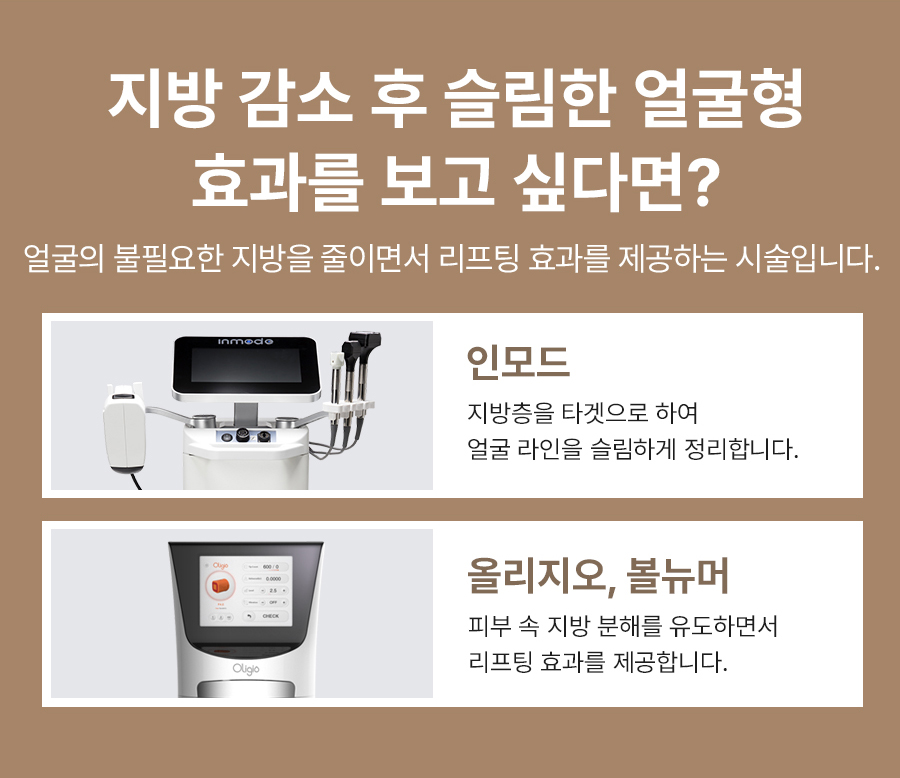
Energy‑based lifting includes high‑intensity focused ultrasound (HIFU) and radiofrequency (RF) devices. These deliver controlled heat into deeper layers of the skin and supporting tissues. Over time, this heat triggers collagen remodeling, which can improve skin firmness, jawline definition, and fine wrinkles.
Thread lifting uses very thin dissolvable threads placed under the skin through small entry points. The threads mechanically lift sagging areas and also stimulate collagen as they dissolve. This can sharpen the jawline, soften nasolabial folds, and improve mid‑face sagging.
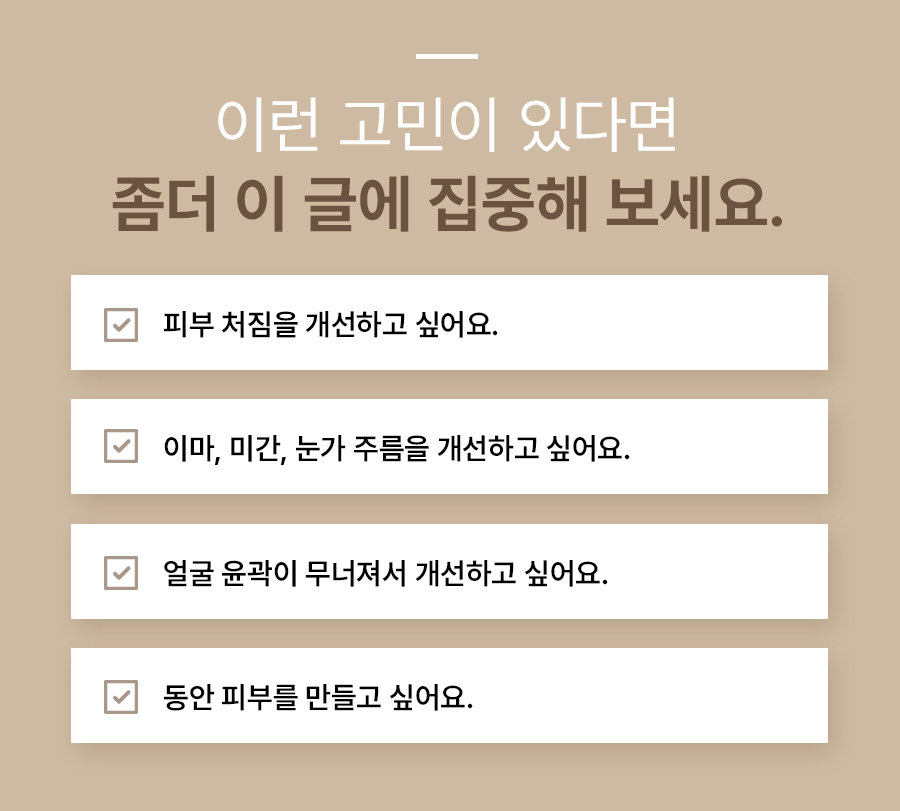
These treatments can be combined with fillers, botulinum toxin, and skin boosters. While such combinations can enhance overall rejuvenation, they do not replace surgery in cases of very severe sagging. Realistic expectations are important: non‑surgical lifting usually offers subtle to moderate improvement, natural changes in contour, and gradual tightening rather than a dramatic facelift effect.
Overview of main lifting options near Bangi and Jamsil
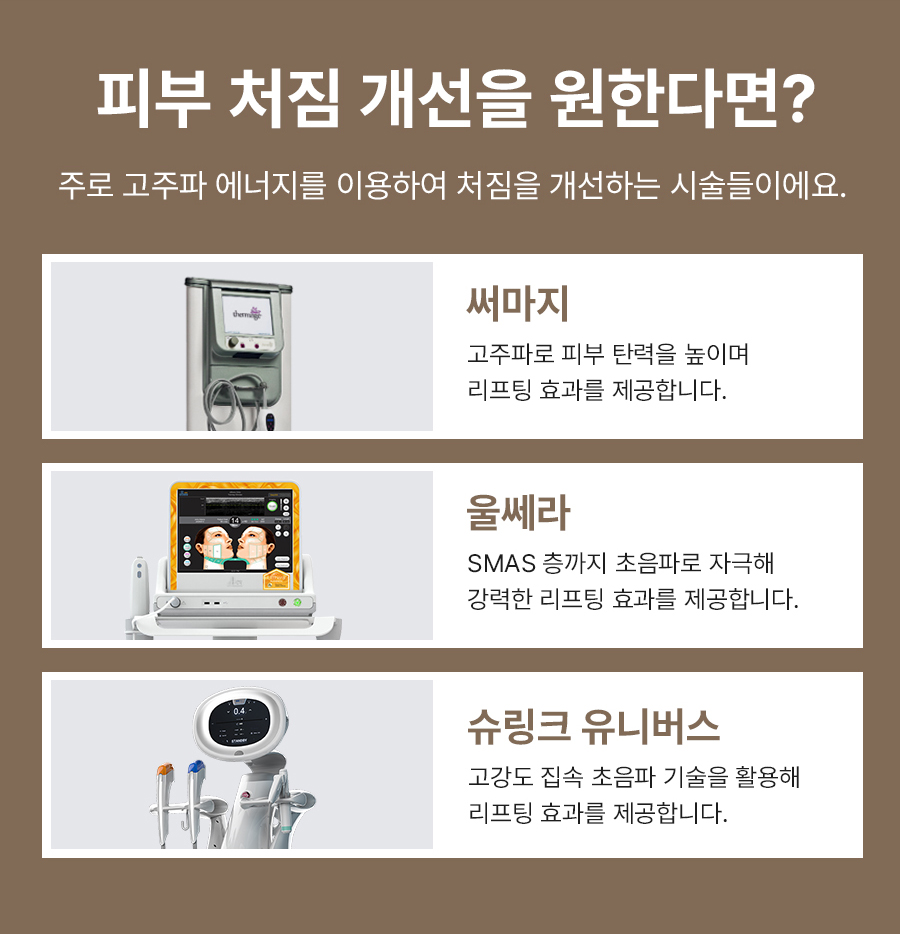
Thermage
Thermage is a monopolar radiofrequency treatment that heats deep layers of the skin to stimulate collagen remodeling. It is often chosen for people who want overall facial tightening, improvement in skin texture, and better jawline definition without injections or incisions.
Because Thermage energy penetrates relatively deep, many patients feel heat and some discomfort during the procedure. A clinic that is used to performing Thermage will usually have detailed protocols for cooling, numbing, and adjusting energy levels to balance comfort and results.
Shurink (HIFU)
Shurink is an HIFU device designed to reach deeper tissue layers that may include the area clinicians refer to as the SMAS in certain treatment protocols; treating these deeper layers can contribute to improved support and contour in the lower face, cheeks, and jawline, which may help define the V‑line.
Some clinics use upgraded versions such as Silver Shurink, which are designed for more precise shots and smoother energy delivery. This can be helpful for customizing treatment to delicate areas such as around the mouth or along the jawline.
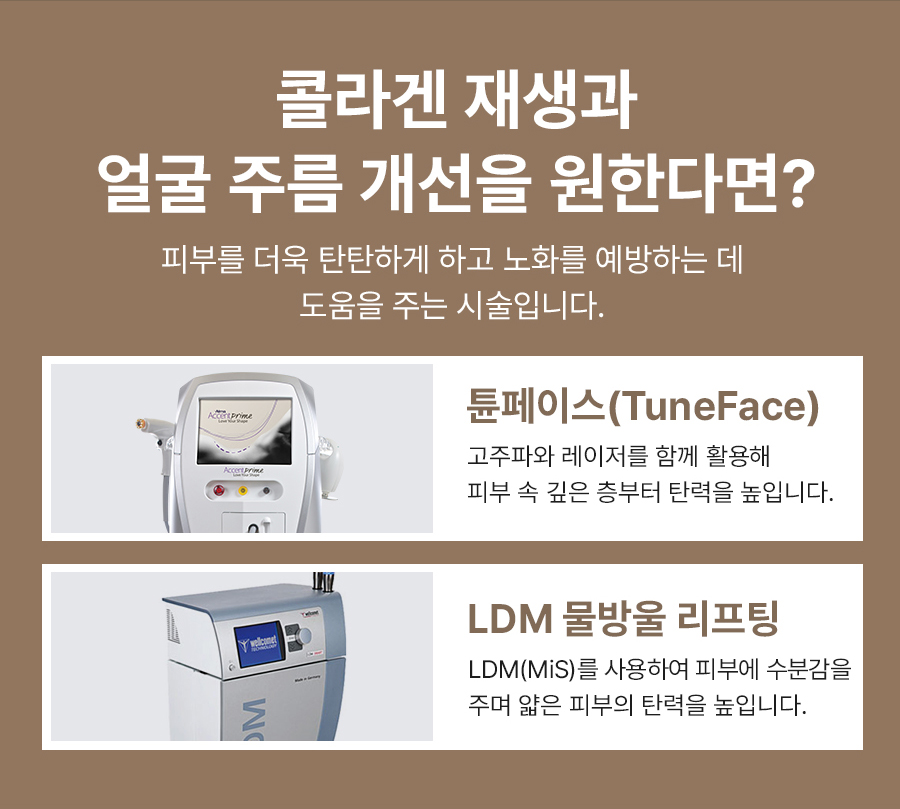
Accent Prime and similar RF devices
Accent Prime and comparable RF platforms combine radiofrequency with other technologies to improve skin tightening and texture. These devices can be used on the face and sometimes on the neck or body. They are often combined with HIFU or Thermage to address both deeper support structures and more superficial skin quality.
Thread lifting
Thread lifting uses dissolvable threads made from materials such as polydioxanone (PDO) or similar substances. The doctor inserts the threads under the skin using fine cannulas or needles, then gently pulls them to lift sagging tissues.
Typical target areas include the jawline, marionette lines, mid‑face, and nasolabial folds. The design of the lifting vectors, the depth of insertion, and the type of thread (for example, barbed, cone, or smooth threads) should be tailored to each person’s facial anatomy and degree of sagging.
Compared with device‑based lifting, thread lifting can create a more immediate visible lift, but it may also involve more swelling, bruising, and tenderness for a few days. A good clinic will explain these differences clearly and suggest whether threads, devices, or a combination is most suitable for you.
Collagen and skin boosters as lifting support
Collagen stimulators and skin boosters do not replace lifting, but they can support and enhance the results. Products such as Rejuran, Juvelook, Radiesse, and Belotero Revive are used to improve skin texture, elasticity, and fine lines.
These treatments can be combined with HIFU, RF, or thread lifting to address both the “structure” (sagging and contour) and the “surface” (texture, pores, and glow) of the skin. For example, a patient might receive Shurink for jawline tightening and a skin booster for fine lines around the mouth or under the eyes.
How to choose a good lifting clinic near Bangi Station
Medical staff and experience
When comparing lifting clinics near Bangi Station, look at the background of the medical staff. Doctors who have experience in university hospitals or who are active in aesthetic and laser societies are more likely to keep up with updated protocols and safety standards.
For non‑surgical lifting, pain control is a major concern. A clinic where the doctor has training in anesthesiology or pain medicine can be an advantage, especially if you are sensitive to pain or considering procedures that may require sedation.
Device and product lineup
A reliable lifting clinic does not rely on a single device for every patient. Instead, it offers a range of platforms such as Thermage, Shurink, and other RF devices, along with different types of threads and skin boosters.
During consultation, the doctor should choose among these options based on your skin thickness, degree and pattern of sagging, age, and lifestyle. For example, someone in their early 30s with mild laxity may do well with Shurink alone, while a patient in their late 40s with deeper folds might benefit from a combination of Thermage, thread lifting, and collagen stimulators.
Customized planning
A good clinic will offer one‑to‑one consultation rather than a quick, standard package. The doctor should examine your facial structure, skin elasticity, fat volume, and even habits such as sleeping position or weight changes.
The treatment plan may mix lifting with other options such as jawline contouring, skin boosters, or botulinum toxin for masseter muscles. The key is that the plan is explained clearly, with realistic expectations and a step‑by‑step schedule that fits your travel dates if you are visiting from overseas.
Pain‑management system
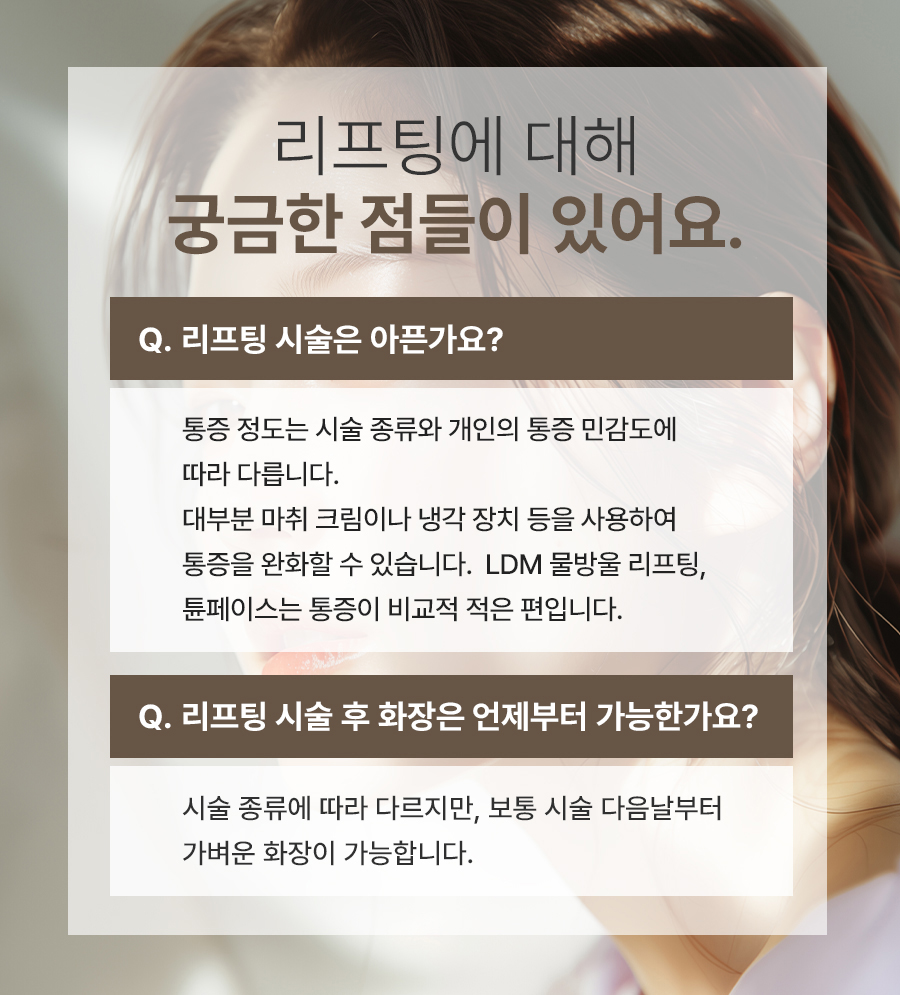
Lifting treatments can be uncomfortable because they deliver energy deep into the skin or involve inserting threads. Ask each clinic how they manage pain.
Clinics that also run a pain clinic or have strong anesthesia expertise can offer more systematic pain control. This may include topical numbing cream, local anesthesia injections, cooling systems, and, when appropriate, monitored sedation for patients who are very anxious or undergoing more intensive procedures.
Safety and information transparency
Look for clinics that provide clear pre‑ and post‑treatment instructions, both in person and on their website or information leaflets. Transparent clinics usually explain potential side effects, expected downtime, and follow‑up schedules.
For overseas patients, it is helpful if the clinic can provide written instructions in English and can communicate through email or messaging apps before and after your visit.
Accessibility from Bangi Station and Jamsil
If you live or stay near Bangi Station, the Jamsil area in Songpa District is very convenient. Many aesthetic clinics are located around Jamsil Station, which is only a few subway stops from Bangi.
Clinics near major exits, such as around Jamsil Station Exit 10 on Ogeum‑ro, are easy to find even for first‑time visitors. For office workers, extended weekday hours up to around 8:30 p.m. and Saturday opening without a lunch break are practical advantages, allowing you to schedule treatments after work or during a short stay in Seoul.
Example: a lifting‑focused clinic in the Jamsil and Songpa area
Athley Clinic in Jamsil is one example of an aesthetic clinic that many people from Bangi and Jamsil can reach easily. It is located in Songpa District on Ogeum‑ro, in a building near Jamsil Station Exit 10, about a one‑minute walk from the exit. This makes it convenient for people who commute through Bangi and Jamsil or stay in nearby hotels.
The clinic’s operating hours are designed for working adults: weekdays from late morning to 8:30 p.m., and Saturdays until late afternoon, with no lunch break on Saturdays. The clinic is closed on Sundays and public holidays. For overseas visitors, this schedule allows flexibility to combine sightseeing with treatment appointments.
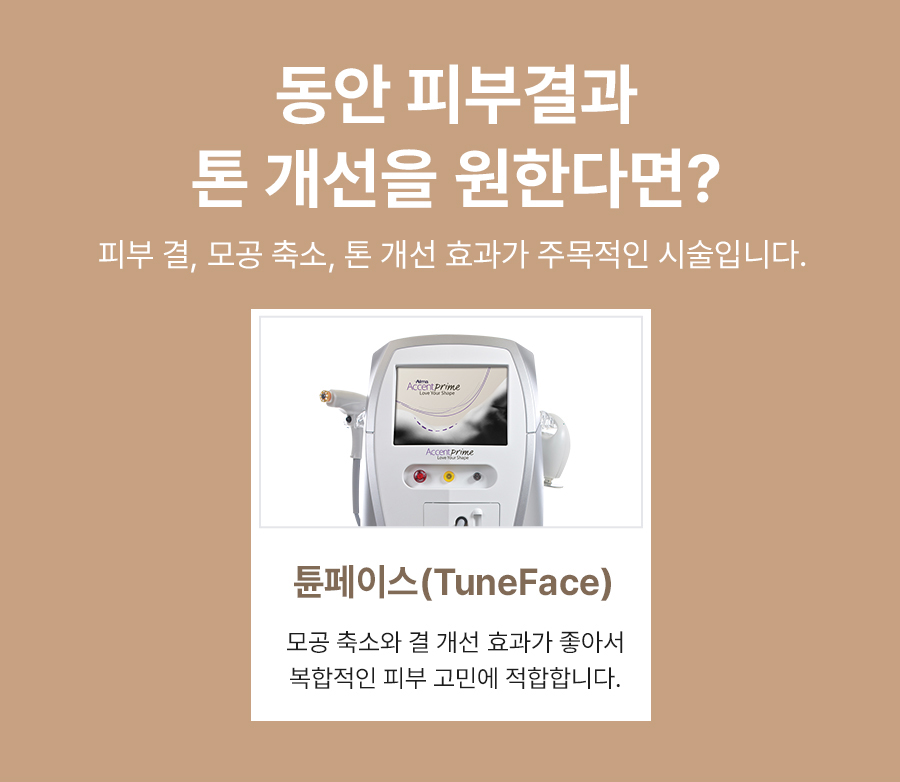
In terms of treatment lineup, the clinic provides Thermage and Shurink, including upgraded versions, for non‑invasive facial tightening. It also offers thread lifting for the face and neck, as well as body lifting for certain areas. For skin quality and collagen support, options include Rejuran, Juvelook, Radiesse, and Belotero Revive.
A distinctive point is the focus on pain care. The clinic also runs a pain clinic and emphasizes pain management; it may offer monitored sedation or other anesthesia options to reduce discomfort and anxiety when appropriate. The representative doctor has a background in anesthesiology and is active in pain medicine societies, which supports the clinic's emphasis on minimizing pain during aesthetic procedures.
The clinic promotes a “DIY” customization concept for face and aesthetic care. Patients can choose focus areas such as lifting, pigmentation, acne scars, or anti‑aging, and then build a personalized plan together with the doctor. This approach can be especially useful for international patients who want to prioritize certain concerns within a limited travel schedule.
Typical lifting process at a good clinic
Step 1: Consultation and diagnosis
Your visit usually begins with a detailed consultation. The staff will ask about your medical history, medications, allergies, and any previous procedures. It is important to mention if you have implanted devices, bleeding tendencies, or are planning pregnancy.
The doctor will assess your skin laxity, fat distribution, bone structure, and facial symmetry. Photos may be taken for medical records. Based on this evaluation, the doctor will explain which areas can realistically be improved with non‑surgical lifting and which might require other approaches.
Step 2: Treatment planning
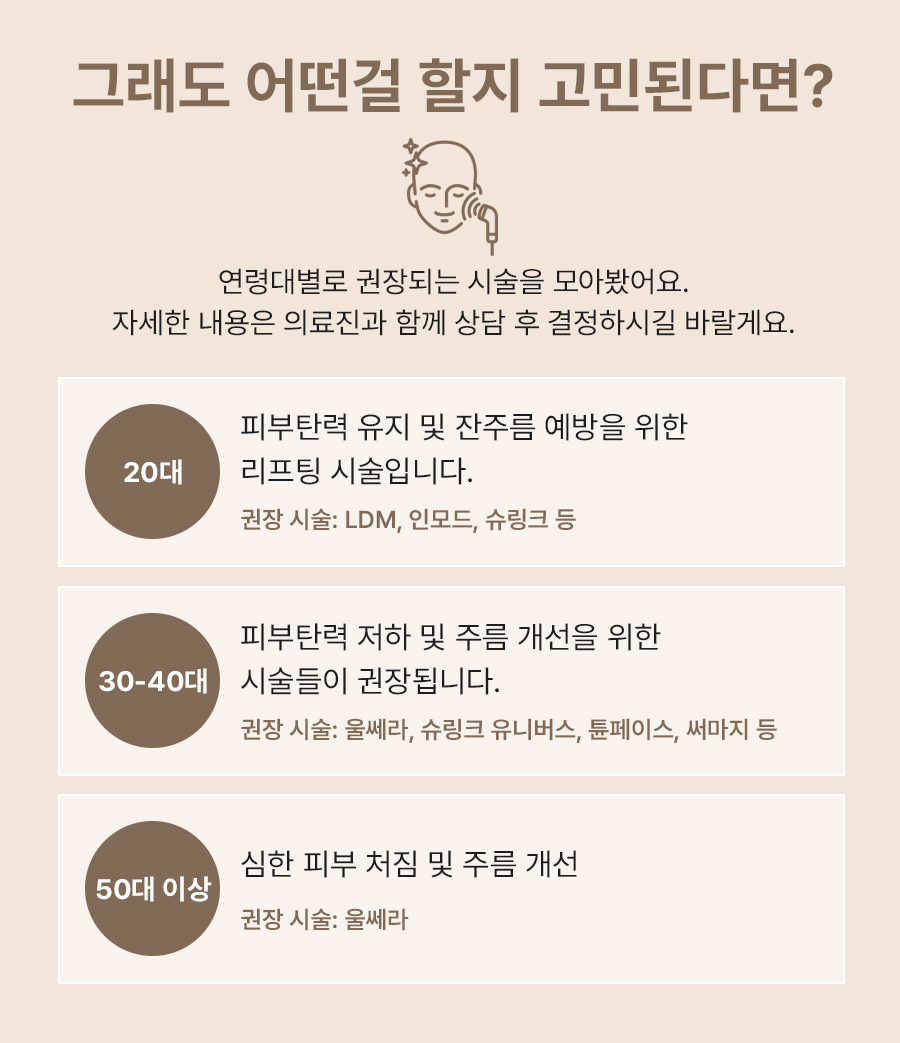
Next, you and the doctor decide on the treatment strategy. This might involve HIFU such as Shurink, RF such as Thermage or Accent Prime, thread lifting, or a combination. The doctor should explain the expected results, number of sessions, possible side effects, and approximate duration of effects.
For overseas patients, it is important to discuss how many visits are needed and how much time should be left between treatments. Budget is also part of the conversation, but it should be considered together with device type, shot counts or energy levels, anesthesia method, and aftercare.
Step 3: Pain control and procedure
Before the procedure, numbing cream is usually applied and left on for a set period. For more intensive treatments, local anesthesia injections or sedation may be offered, depending on the clinic’s system and your health status.
For device‑based lifting, the doctor or trained staff will mark the treatment areas, apply gel if needed, and deliver energy shots according to a planned pattern. You may feel heat, tingling, or brief stinging sensations.
For thread lifting, the doctor will design lifting vectors on your face, disinfect the skin, and make small entry points. Threads are inserted along the planned paths, then gently adjusted to achieve the desired lift. Mild pressure or pulling sensations are common during this step.
Step 4: Aftercare
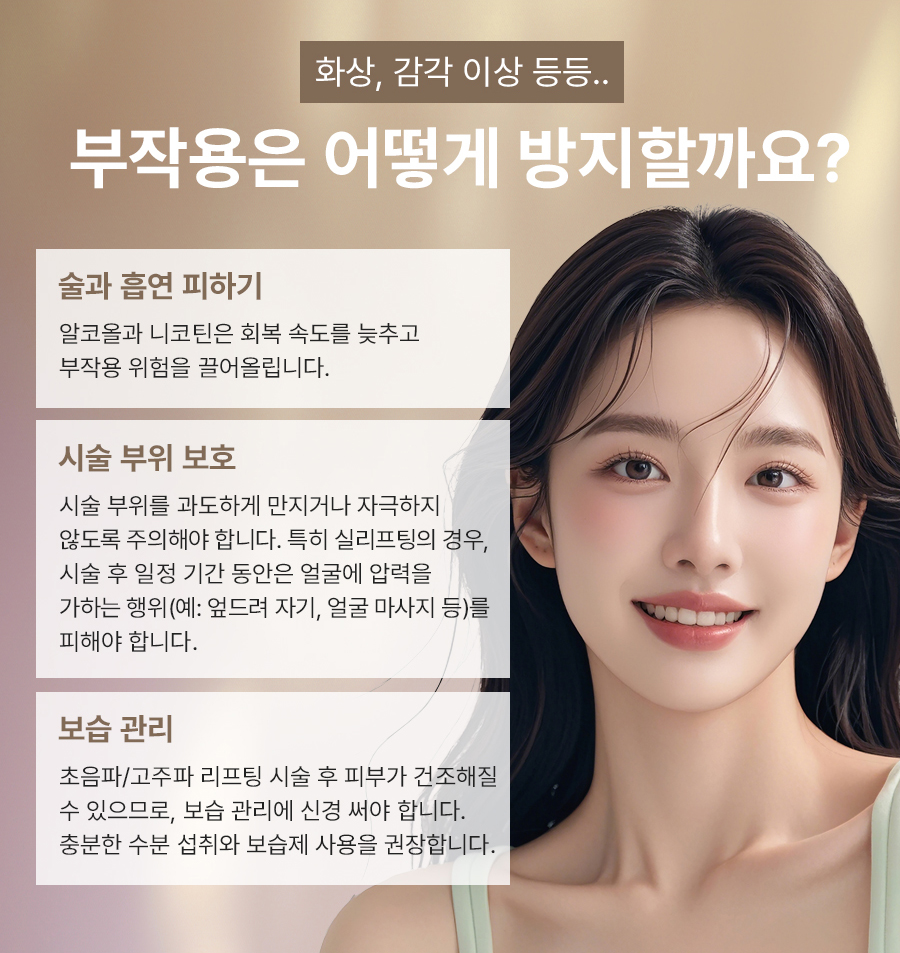
After treatment, you may experience mild swelling, redness, or tenderness for a few hours to a few days, depending on the procedure. Most patients can return to light daily activities immediately, but it is usually recommended to avoid intense heat, saunas, facial massage, or heavy exercise for several days.
The clinic will provide aftercare instructions, such as how to cleanse your face, when to resume makeup, and which sleeping positions are preferable. Follow‑up visits may be scheduled to monitor progress and adjust the plan if needed.
Who may consider lifting near Bangi Station
Non‑surgical lifting is often suitable for people in their 30s to 50s with mild to moderate sagging who want to avoid surgery or are not ready for it yet.
You may consider lifting if you notice a blurred jawline, early jowls, deepening nasolabial or marionette lines, drooping cheeks, or a tired look around the eyes. People who want to improve neck lines or early neck sagging can also benefit from combined face and neck treatments.
However, those with very severe laxity or large amounts of excess skin may be better candidates for surgical options. People with certain medical conditions, implanted devices such as pacemakers, active skin infections, or pregnancy need careful evaluation and may be advised to delay or avoid some procedures.
Online consultation and pre‑visit preparation for overseas patients
If you are planning to travel to Korea for lifting near Bangi or Jamsil, start with an online consultation. Many clinics accept photos of your face from the front and sides, taken in good lighting without filters. This helps the doctor estimate which treatments may suit you and how many sessions are realistic within your stay.
Prepare a list of your medications, allergies, and previous procedures. If you have any medical reports, you can send them in advance. Ask about recommended timing between treatments, expected downtime, and when you can safely fly after the procedure.
It is also helpful to clarify communication methods. Confirm whether the clinic can respond in English by email or messaging apps, and whether they can provide written aftercare instructions in English.
Expected Korea visit timeline for lifting
For a short trip focused on non‑surgical lifting near Bangi and Jamsil, many patients plan as follows:
Day 1: Arrival in Seoul and first consultation. Some device‑based treatments such as Shurink or Thermage can be done on the same day if your condition allows.
Day 2–3: Rest, light sightseeing, and follow‑up check if needed. Mild swelling or redness is usually manageable with makeup, depending on the procedure.
Day 4–7: For thread lifting, most visible swelling and bruising tend to improve within several days, though this varies by person. Many people feel comfortable returning to work within a few days.
If you plan multiple combined treatments, allow extra days for flexibility. Always discuss your flight schedule with the clinic so they can recommend safe timing, especially if sedation is involved.
Aftercare and long‑term maintenance
After your lifting treatment, follow the clinic’s instructions carefully. Use gentle skincare, avoid harsh exfoliation for a period, and protect your skin from strong sun exposure with sunscreen and hats.
Results from HIFU and RF often develop gradually over two to three months as collagen remodels. Thread lifting can show immediate lifting with continued improvement as collagen forms along the threads.
To maintain results, many patients repeat Shurink or similar treatments every 6 to 12 months and Thermage every 12 to 18 months, depending on age and skin condition. Thread lifting intervals are usually longer. The exact schedule should be personalized during follow‑up consultations.
Frequently asked questions
How long do lifting results last for HIFU, RF, and thread lifting?
Thread lifting results can persist for about 12 to 18 months as the threads dissolve and collagen remains, but this also varies by individual. Maintenance plans should be discussed with your doctor.
How painful is lifting, and what pain‑control options are available?
Most patients feel some discomfort during HIFU and RF because of the heat in deeper tissues, and during thread lifting because of the insertion and adjustment of threads. However, clinics with strong pain‑management systems can make the experience more comfortable using numbing cream, local anesthesia injections, cooling devices, and, when appropriate, monitored sedation. If you are very sensitive to pain, look for a clinic that also runs a pain clinic or has anesthesiology experience, and discuss your concerns in advance.
How often can I repeat Thermage or Shurink?
Thermage is usually performed once a year or less frequently, because it delivers a strong dose of RF energy in a single session. Shurink and other HIFU treatments can sometimes be repeated every 6 to 12 months, depending on your skin condition and goals. Your doctor will consider your age, degree of sagging, and previous treatments before recommending an interval. Over‑treatment is not recommended, so always follow professional guidance.
Can I combine lifting with fillers or botulinum toxin in one session?
In many cases, lifting treatments can be combined with fillers or botulinum toxin either on the same day or in a planned sequence. For example, you might receive Shurink for jawline tightening and then fillers for nasolabial folds, or botulinum toxin for masseter muscles. However, the exact combination and timing depend on your facial structure and safety considerations. A thorough consultation is necessary to design a plan that avoids excessive volume or unnatural results.
What is the typical price range and what factors affect cost?
Prices for lifting near Bangi Station and Jamsil vary widely depending on the device brand, number of shots or energy level, areas treated, type and number of threads, anesthesia method, and aftercare services. Clinics that use original branded devices and provide detailed pain control and follow‑up may be more expensive than basic packages. When comparing clinics, do not look only at the total price; also check which device is used, how many shots are included, what anesthesia is offered, and whether follow‑up visits are part of the plan.
How soon can I return to work after lifting?
Many people return to work the next day after HIFU or RF treatments, as redness and swelling are usually mild and can often be covered with makeup. After thread lifting, you may prefer to rest for a few days until swelling and bruising settle, though this depends on your individual response and job type. If your work involves heavy physical activity or exposure to heat, you may need a longer break. Discuss your schedule with the clinic so they can advise you realistically.
Soft call to action
If you are considering non‑surgical lifting near Bangi Station and want to understand which combination of Thermage, Shurink, thread lifting, and skin boosters is suitable for you, an online consultation can be a helpful first step. By sharing your photos and concerns in advance, you can arrive in Seoul with a clear, customized plan that fits your schedule and comfort level.
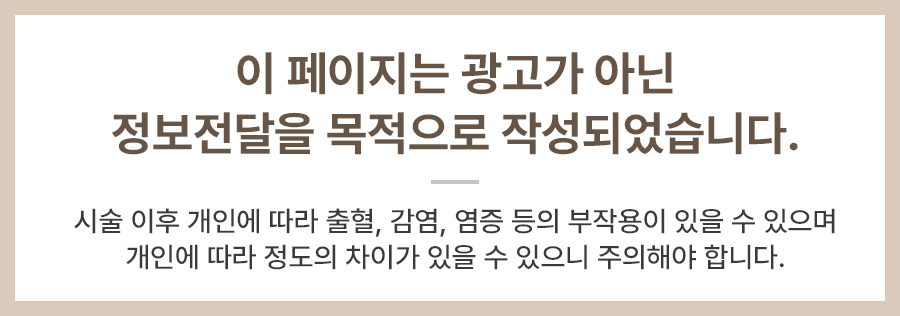
This article is for general information only and does not replace a personal consultation with a qualified doctor. Always discuss your individual condition, expectations, and medical history with a medical professional before deciding on any treatment.
- 공유 링크 만들기
- X
- 이메일
- 기타 앱


댓글
댓글 쓰기