Jamsil Station pore treatment review and guide to laser toning near Exit 10
- 공유 링크 만들기
- X
- 이메일
- 기타 앱

Direct answer summary
If you are searching for “Jamsil Station pore treatment review” because of visible pores and uneven texture, pore-focused laser toning at a clinic near Jamsil Station Exit 10 can be a practical option. Some patients who work or live around Jamsil opt for low-fluence laser toning to gradually address enlarged pores, roughness, and dull tone with minimal downtime. Sessions are usually short enough to fit after work, especially with weekday hours extending into the evening. With appropriate topical numbing and cooling, patients may experience only mild discomfort. Results are gradual over several sessions; pores do not disappear but may appear less noticeable as overall texture and tone improve.
Overview of pore-focused laser toning
Laser toning is a low-fluence laser treatment designed to gently target uneven pigment and improve overall skin tone and texture. Instead of using a very strong, ablative laser that damages the surface, toning uses repeated, softer passes of energy.
For pores, the goal is not to physically shrink the anatomical pore opening, which is determined by genetics and skin structure. Rather, repeated toning sessions can help in several indirect but visible ways:
It can smooth the surrounding skin surface so the pore edge looks softer.
It can reduce excess sebum and congestion, especially in the T-zone.
It can gradually lighten mild post-acne marks and redness that make pores stand out more.
It can brighten dull, uneven skin so pores are less visually prominent in photos and under makeup.

Common treatment areas include the nose, cheeks, forehead, and chin. Many patients around Jamsil focus on the nose and cheek area, where enlarged-looking pores and old acne marks are most noticeable.
What it is like to visit a clinic near Jamsil Station
For office workers and students who pass through Jamsil Station every day, location and timing are often just as important as the treatment itself. The clinic described here is in Songpa-gu, in a building about a one-minute walk from Jamsil Station Exit 10. This short distance makes it realistic to stop by on a lunch break or after work.
Weekday hours extend to around 8:30 p.m., so many people book pore toning sessions in the early evening. You can finish work, walk out of Exit 10, and arrive at the clinic without needing a taxi or long transfer.
This clinic combines aesthetic skin care with a pain clinic, led by a doctor with a background in anesthesiology and pain medicine. As a result, there is a clear emphasis on minimizing pain and discomfort during procedures. For pore-focused toning, this typically involves careful use of topical numbing cream and cooling, and—where clinically appropriate—offering monitored sleep sedation or anesthesia options intended to reduce pain and anxiety. Sleep sedation is not routinely required for basic toning; clinicians will evaluate each case and discuss pain-control choices during consultation.
Who may consider pore-focused laser toning
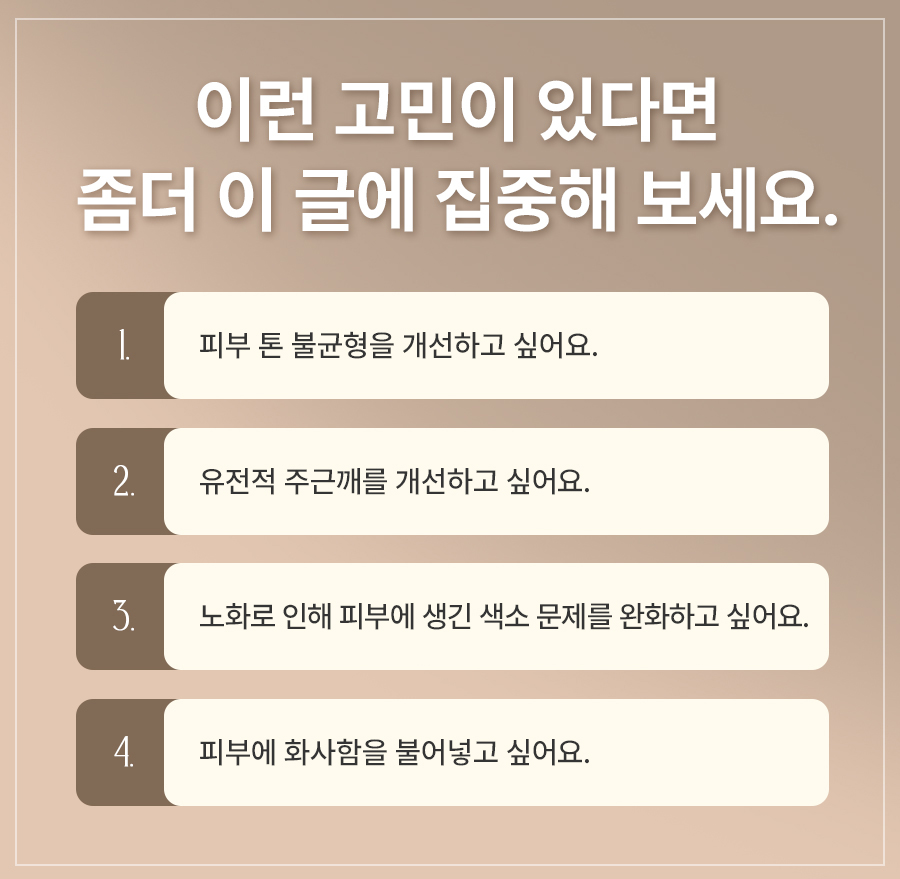
Pore toning around Jamsil Station is often chosen by people in their 20s to 40s who notice that their skin looks rough or uneven up close or in selfies. Typical concerns include:
Visible pores on the nose and cheeks, especially in bright light.
Uneven texture that makes foundation look patchy or cakey.
Mild acne marks or redness that highlight the pores.
Oily shine in the T-zone that makes pores stand out.
Good candidates usually include:
People with enlarged-looking pores and rough texture who want a gradual, low-downtime option.
Office workers and busy parents who cannot afford several days of recovery.
Those who can commit to repeated sessions over weeks for more stable improvement.
More caution and a careful consultation are needed for:
Very dark or recently tanned skin, because of a higher risk of pigmentation changes.
Active, severe acne with many inflamed lesions.
People taking medications that increase sensitivity to light.
In these cases, the clinic may adjust settings, recommend pretreatment skin care, or suggest alternative or combined treatments.
Typical treatment course and realistic results
Pore-focused laser toning is not a one-time miracle treatment. It works gradually, with repeated exposure to low-fluence laser energy.
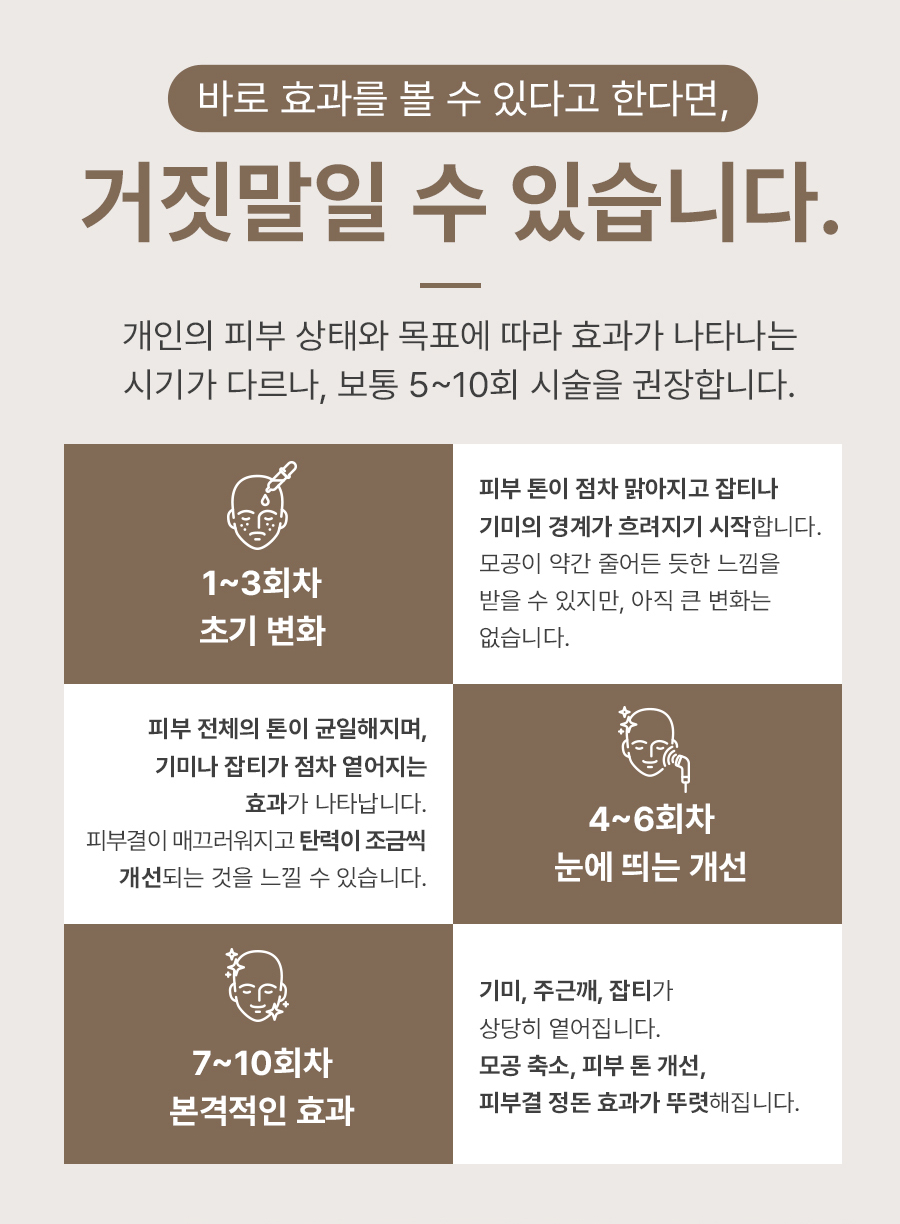
A typical course might look like this:
Sessions every 1 to 2 weeks, or sometimes every 3 to 4 weeks, depending on skin sensitivity and schedule.
Clinics may commonly recommend several sessions for an initial course—often in the single-digit range—but the exact number varies by individual and will be determined during consultation.
From reviews and patient feedback, common experiences after several sessions include:
The skin feels smoother when you run your fingers over the nose and cheeks.
Makeup applies more evenly and does not sink into pores as much.
There is less oily shine in the T-zone during the day.
Post-acne marks and mild redness gradually look lighter.
The overall face looks brighter and more even in photos.
However, it is important to understand the limitations:
Pores do not disappear. They can look less deep and less obvious, but they are still there.
Deep ice-pick scars or very large, long-standing pores may not respond fully to toning alone.
Some people need maintenance sessions every few months to keep the effect.
For deeper scars or very prominent pores, clinics sometimes suggest combining toning with other options such as fractional lasers or skin boosters that target collagen. In this Jamsil clinic, such boosters and rejuvenation treatments are available, but pore-focused toning remains the basic, low-downtime starting point for many patients.
Pain level, comfort, and the role of pain management
People who have never tried laser treatments often worry about pain, especially the heat and stinging. At this clinic near Jamsil Station, pain management is a key part of the process, reflecting the doctor’s background in anesthesiology and pain medicine.
Typical sensations during pore toning include:
A warm prickling feeling on the skin.
A light snapping sound and sensation, similar to a small rubber band.
Mild heat in areas with more pigment or oil.
With proper topical numbing cream, waiting time for the cream to work, and cooling during or after the procedure, many patients describe the discomfort as tolerable or mild. Those with a low pain threshold often report that the preparation and explanation help reduce anxiety.
This is not usually necessary for basic toning alone, but it can be an option in a clinic that is already set up for pain management.
Downtime and daily life after treatment
One of the reasons laser toning is popular among Jamsil office workers is the short downtime. Most people can return to normal activities quickly.
Typical downtime looks like this:
Immediately after: mild redness, slight warmth, and sometimes a bit of swelling, especially around the nose and cheeks.
Within a few hours to one day: redness usually settles. Some people feel a light tightness or dryness.
Over the next few days: the skin may feel a bit dry or sensitive, so gentle moisturizers are important.
Most patients can go back to work, commute on the subway, or meet friends the same day. Those with very sensitive skin may notice redness or dryness lasting a few days, but this is usually manageable with proper aftercare.

Safety, side effects, and risks
Laser toning is generally considered a gentle treatment, but it is still a medical procedure and carries potential side effects.
Common, mild side effects include:
Temporary redness and warmth.
Dryness or a feeling of tight skin.
Slight darkening of existing spots or marks before they gradually fade.
Less common but more serious risks can occur if settings, skin type, or aftercare are not properly matched:
Burns or blisters.
Prolonged hyperpigmentation or dark patches.
Worsening of redness or sensitivity.
This is why a proper consultation is important, especially for overseas patients with different skin types. The clinic staff will usually ask about your medical history, medications, and previous treatments before deciding if pore-focused toning is suitable for you.
Review-style narrative: from first search to several sessions
Imagine an office worker in their 30s who changes lines at Jamsil Station every day. They are bothered by visible pores on the nose and cheeks, especially under office lighting and in video calls. After searching “Jamsil Station pore treatment review,” they decide to look for a clinic close to Exit 10 so they can visit after work.
First visit experience
On the first visit, the short walk from Exit 10 to the building is a relief. There is no need to navigate complicated side streets. After checking in, there is usually a basic skin consultation. Staff may ask about:

Main concerns: pores, texture, acne marks, redness.
Skin type: oily, combination, dry, sensitive.
Lifestyle: makeup habits, sun exposure, work schedule.
The doctor or consultant explains what laser toning can and cannot do for pores. They discuss how many sessions might be needed, what level of improvement is realistic, and whether any combination treatments are recommended later. For example, they might suggest starting with a series of toning sessions, then reassessing whether additional collagen boosters or fractional treatments are needed for deeper scars.
Procedure day step by step
On the day of a pore toning session, the flow often looks like this:
Cleansing: Makeup and sunscreen are removed so the laser can contact clean skin.
Skin check: In some clinics, a simple skin analysis device or careful visual inspection is used to look at pores, redness, and pigment.
Numbing: A topical numbing cream is applied if needed, and you wait for it to take effect.
Laser session: In the treatment room, you wear protective eye shields. You may hear a clicking or snapping sound as the laser fires. The skin feels warm with light pricks, especially in oilier areas.
Cooling and soothing: After the laser, cooling packs or a cool air device may be used. A soothing cream or mask is often applied.
The entire visit time can vary, but the laser part itself is usually short, often under 20 minutes. Including numbing and post-care, many people finish within about an hour to an hour and a half, making it feasible after work.
Impressions after several sessions
After several visits over a few weeks, many patients describe changes such as:
The nose and cheek area feel smoother when washing the face.
Foundation no longer collects as much in pores by midday.
T-zone shine is less intense, so pores do not stand out as much.
Old red marks from acne are lighter, and the overall tone looks more even.
Friends or colleagues may comment that the skin looks clearer or more refreshed, even if they cannot point to a specific change. At the same time, patients often note that pores are still present. Deep scars or very large pores may still be visible, and some people choose to add other treatments later.
Aftercare and lifestyle tips for better pore results
Immediate aftercare
For the first one to two days after pore-focused toning, simple habits can help protect your skin:
Avoid hot baths, saunas, and intense exercise that cause heavy sweating or heat.
Use gentle, non-foaming or low-irritant cleansers.
Apply a soothing, hydrating moisturizer without strong acids or fragrances.
Use broad-spectrum sunscreen every morning and reapply if you are outdoors.
Medium-term habits
To support pore improvement and maintain results over time:
Use sunscreen daily to prevent pigmentation and texture from worsening.
Avoid over-exfoliating with harsh scrubs or strong acids too often, as this can irritate pores.
Choose oil-control products that are non-comedogenic rather than very drying toners or alcohol-heavy products.
Maintain a consistent routine rather than frequently changing products.
Brief comparison with other pore treatments
Laser toning is one option among several pore-related treatments.
Compared with stronger fractional lasers or microneedling:
Toning is gentler with less downtime, but usually gives more subtle results for deep scars and very large pores.
Fractional lasers and microneedling can target deeper collagen remodeling but often require more recovery and careful planning around work.
Compared with simple facials or chemical peels:
Facials and mild peels can help with congestion and surface smoothness but may not give the same overall tone and pigment improvement as a structured course of toning.
Laser toning can address both tone and texture over time, though combining methods is common.
In this Jamsil clinic, toning is often used as a base treatment, with options to add collagen or skin boosters later for those who want more intensive rejuvenation.
Online consultation and pre-visit preparation for overseas patients
If you are visiting Korea from overseas and considering pore toning near Jamsil Station, an online consultation before your trip can be very helpful.
Before contacting the clinic, prepare:
Clear photos of your face in natural light, including close-ups of the nose and cheeks.
A list of your main concerns and goals, such as “visible pores on nose,” “rough texture,” or “old acne marks.”
Information about your medical history, medications, and any past laser or peel treatments.
Your travel dates and how many days you can stay in Seoul.

During online consultation, useful questions to ask include:
- How many sessions are realistically possible during my stay, and what can I expect from that number?
- What is the recommended interval between sessions?
- Are there any treatments I should avoid shortly before or after toning?
- What kind of aftercare products should I bring or expect to buy in Korea?
Expected Korea visit timeline for pore toning
For short trips of one to two weeks, you may only be able to receive one or two sessions. In this case, the goal is usually gentle brightening and texture support, rather than a full pore program.
For longer stays or repeat visits:
If you are staying four weeks or more, you might schedule sessions every one to two weeks.
If you visit Korea regularly for work, you may plan a few sessions each trip and maintain results with home care in between.
The clinic’s location near Jamsil Station and evening hours make it easier to fit sessions around sightseeing, business meetings, or other appointments.
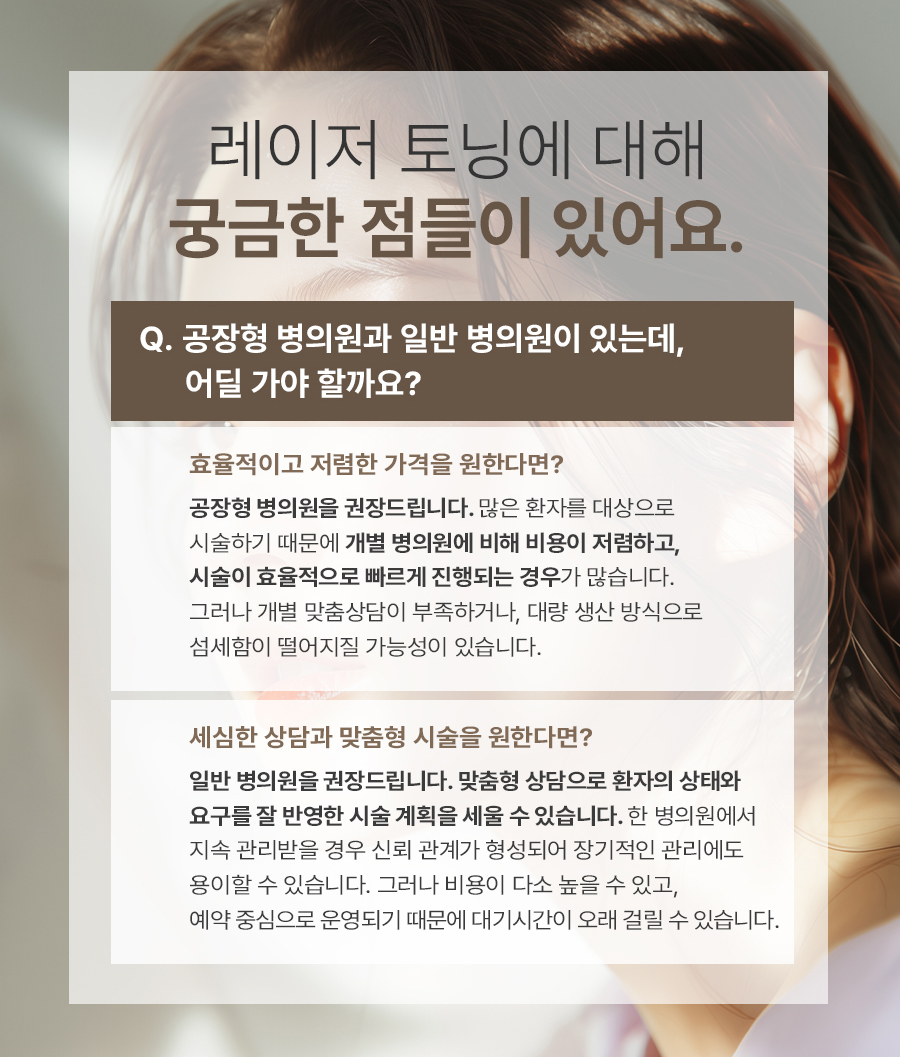
Frequently asked questions
How many laser toning sessions do I need for visible pore improvement?
Some people notice smoother texture and better makeup application after a few sessions, but more stable improvement usually appears after completing a series. Maintenance sessions every few months can help keep the effect, especially for oily or acne-prone skin.
Is pore-focused laser toning painful?
Most people describe the sensation as a warm prickling or light snapping feeling. With proper topical numbing cream and cooling, the discomfort is usually mild and tolerable. Because this clinic also functions as a pain clinic, pain management is taken seriously, and options are discussed in advance. For basic toning alone, sleep anesthesia is rarely needed, but it may be considered when combining several procedures or for very anxious patients.
Can I go back to work right after laser toning near Jamsil Station?
Yes, many office workers schedule sessions after work or during a break because downtime is usually short. Mild redness and warmth are common immediately after treatment, but they often settle within hours to a day. With gentle skin care and sunscreen, most people can commute on the subway, attend meetings, or meet friends the same day. Very sensitive skin types may experience a few days of dryness or redness.

Will laser toning completely remove my pores?
Laser toning does not completely remove or close pores. Pore size is influenced by genetics, oil production, and skin structure. What toning can do is improve the surrounding texture, reduce congestion and oiliness, and brighten uneven tone so pores look less obvious. For deep scars or very large pores, additional treatments such as fractional lasers or collagen boosters may be suggested after a proper consultation.
Soft call to action for online consultation
If you are planning a trip to Seoul and are looking for a realistic, low-downtime option to improve the appearance of pores near Jamsil Station, pore-focused laser toning at a conveniently located clinic by Exit 10 may fit your schedule. An online consultation before you arrive can help you understand how many sessions are possible during your stay, what results are realistic for your skin type, and how to plan your visit around work or travel. Preparing photos and questions in advance will make the consultation smoother and help the clinic suggest a treatment plan that matches your goals and lifestyle.
This article is for general information for international patients and does not replace a personal consultation with a qualified medical professional. Individual results, side effects, and treatment plans can vary, so please discuss your specific situation with the clinic before making decisions.
- 공유 링크 만들기
- X
- 이메일
- 기타 앱


댓글
댓글 쓰기