Jamsil Station Juvelook Collagen Filler Guide for International Patients
- 공유 링크 만들기
- X
- 이메일
- 기타 앱

Direct answer summary
If you are searching for “Jamsil Station Juvelook”, you are most likely looking for a collagen‑stimulating filler or skinbooster type treatment that you can receive conveniently near the subway. There are clinics located close to Jamsil Station that offer Juvelook injections for fine wrinkles, early volume loss, and skin texture improvement; check a clinic’s website or contact them directly for exact directions and opening hours.
This guide explains what Juvelook is, how it differs from regular fillers and skinboosters, who may consider it, what the procedure is like at a Jamsil-area clinic, and how to plan your visit to Korea from consultation to aftercare.
What Juvelook is and how it works

Unlike surgical procedures, Juvelook is performed in an outpatient clinic setting. A fine needle or cannula is used to place the product under the skin. The initial effect is a subtle plumping and smoother surface. Over the following weeks, collagen production is stimulated, which can help the skin become firmer and denser.
However, it is still considered part of the filler category because it is an injectable that targets volume, fine wrinkles, and texture.
Typical goals of Juvelook include softening fine lines on the cheeks and around the mouth, improving early sagging, refining enlarged pores, and giving tired skin a more elastic, healthy look. The change is usually gradual and natural rather than dramatically reshaping the face.
How Juvelook differs from typical fillers and skinboosters
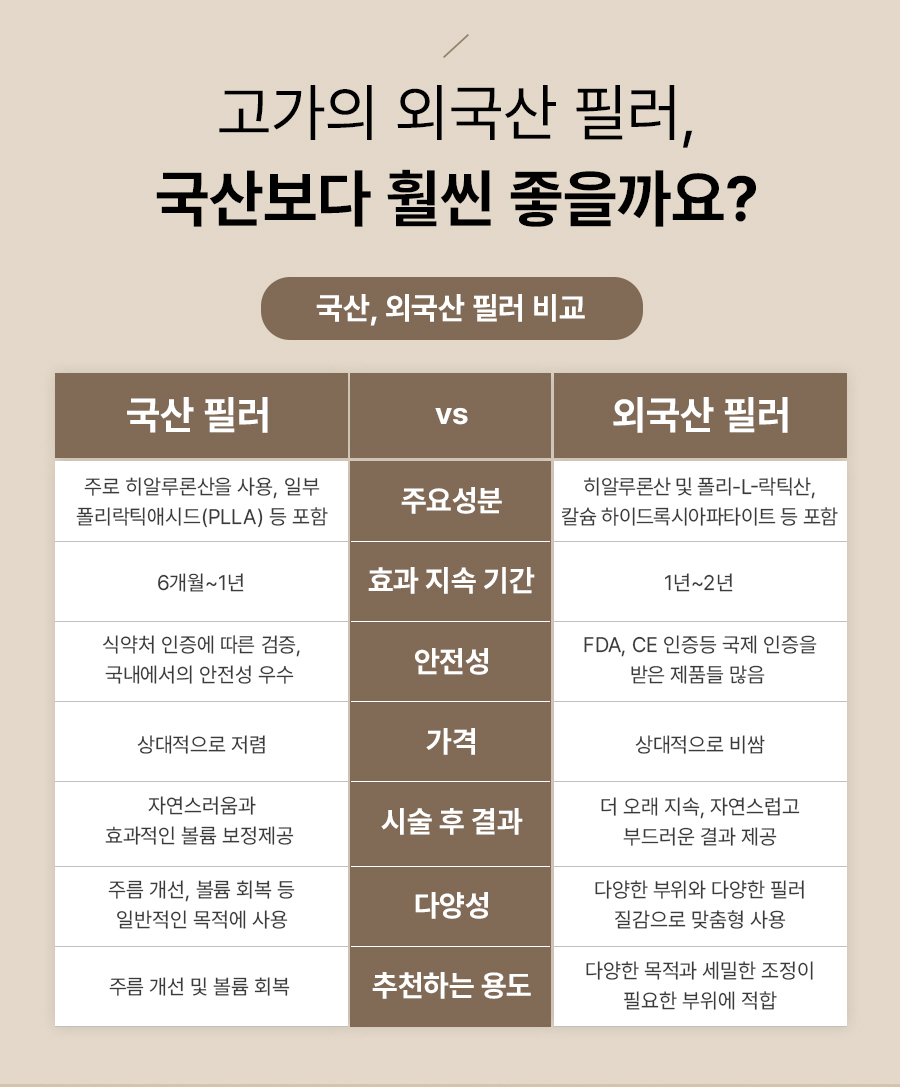
Compared with classic hyaluronic acid fillers, Juvelook is lighter and more focused on skin quality than on strong contouring.
Classic fillers are commonly used to build structure in areas like the nose, chin, or deep nasolabial folds. They give an immediate, visible change in shape and volume. Juvelook, on the other hand, is usually used more superficially in the skin, to address fine wrinkles, mild volume loss, and texture. The contour change is subtle, while the main benefit is the gradual collagen stimulation.
Compared with typical skinboosters, Juvelook aims for more than hydration. Standard skinboosters mainly improve moisture and glow by delivering hyaluronic acid throughout the skin. Juvelook also supports hydration and texture, but it is designed to trigger deeper collagen remodeling, so the benefits may feel more related to firmness and elasticity over time.

Who may consider Juvelook near Jamsil Station
Juvelook can be considered by adults of various ages who are starting to notice early signs of aging or who want to improve skin quality without a strong filler look.
Typical concerns include fine lines on the cheeks, under the eyes, around the mouth, or on the forehead, depending on the treatment plan. People with mild loss of elasticity, early sagging, or dull, tired-looking skin may also be good candidates. In some cases, Juvelook can be included in a plan to soften acne scars or uneven texture, when the medical staff judges it suitable.
Around Jamsil Station, many patients are office workers who want to visit after work. Because the clinic near Exit 10 offers weekday evening hours up to around 8:30 p.m. and Saturday daytime appointments, it is convenient for people who cannot take much time off. International visitors who stay in the Jamsil or Songpa area also appreciate being able to walk from the subway directly to the clinic.
Juvelook is often chosen by people who feel hesitant about classic fillers that strongly change facial shape. They may prefer a more natural, gradual improvement focused on skin quality and subtle volume. Both men and women in their late twenties and older, who are beginning to see early aging signs, often fall into this group.
Treatment areas and possible combinations
Common treatment areas for Juvelook include the cheeks and mid-face, where many people first notice fine wrinkles and loss of elasticity. The under-eye area may also be considered for crepey texture and fine lines, if the medical staff judges it appropriate and safe for your skin thickness.

Around the mouth and smile lines, Juvelook can help with early etched-in wrinkles and a slightly collapsed look. Because it stimulates collagen, it can support the skin’s structure in a more subtle way than a heavy filler.
In some cases, Juvelook is combined with other treatments. For example, a classic filler might be used for deeper folds or structural volume in the chin or nose, while Juvelook is used more widely across the cheeks for texture and fine lines. Other collagen boosters such as Rejuran or Radiesse may be chosen for specific areas, depending on your skin condition and the clinic’s judgment.
For sagging, lifting devices like Thermage or ultrasound-based lifting treatments may be recommended to tighten deeper layers, while Juvelook supports the surface quality and elasticity. The exact plan should be decided after a one-to-one consultation, not as a fixed package.
Treatment process at a Jamsil-area clinic
Before your first injection, you will usually have an individual consultation. The medical staff will assess your skin condition, the degree of wrinkles, any volume loss, and overall facial balance. They will ask about your expectations, such as whether you prefer a very natural result, how much downtime you can accept, and how sensitive you are to pain.
During this consultation, they will also explain whether Juvelook alone is likely to match your goals or whether you might benefit from combining it with other fillers or skinboosters. International patients can often start this discussion online before arriving in Korea, then confirm details in person.
On the day of treatment, the process typically starts with cleansing and disinfecting the treatment area. A topical anesthetic cream is often applied to reduce discomfort. Sedation options may be available to help manage pain or anxiety for some patients; suitability depends on medical assessment and should be discussed during consultation so you understand the risks and what to expect.

After numbing, injection points and depths are marked according to each area and your skin thickness. The doctor then injects Juvelook using a fine needle or a cannula, depending on the area and preferred technique. Gentle massage or shaping may follow to distribute the product evenly.
The actual injection time is usually short, but you should allow extra time for consultation, numbing, and post-care explanation. Many patients can complete consultation and treatment in one visit, which is helpful for those with limited time in Korea.
Pain control and comfort
Pain control is an important concern for many people considering injectable treatments. Some clinics near Jamsil Station combine aesthetic and pain‑management services, but the exact services and clinician qualifications vary. Confirm the clinic’s services and the treating clinician’s credentials directly with the clinic before proceeding.
This background supports careful pain management during aesthetic procedures. For most Juvelook treatments, topical numbing cream and gentle technique are enough for patients to tolerate the injections. However, everyone’s pain threshold is different.
For those who feel very anxious about needles or have had painful experiences before, painless sedation anesthesia can be provided as a separate service, if medically suitable. Under sedation, you remain monitored while the injections are performed with reduced awareness of discomfort. If you are an overseas patient, it is helpful to mention your pain concerns early during online consultation so the staff can advise you on options and preparation.
Expected results, downtime, and aftercare
Immediately after Juvelook injections, it is normal to see some redness, mild swelling, and small injection marks. In some cases, slight bruising can appear at entry points. These short-term reactions usually improve over several days, though bruising may take longer to fade depending on your skin.
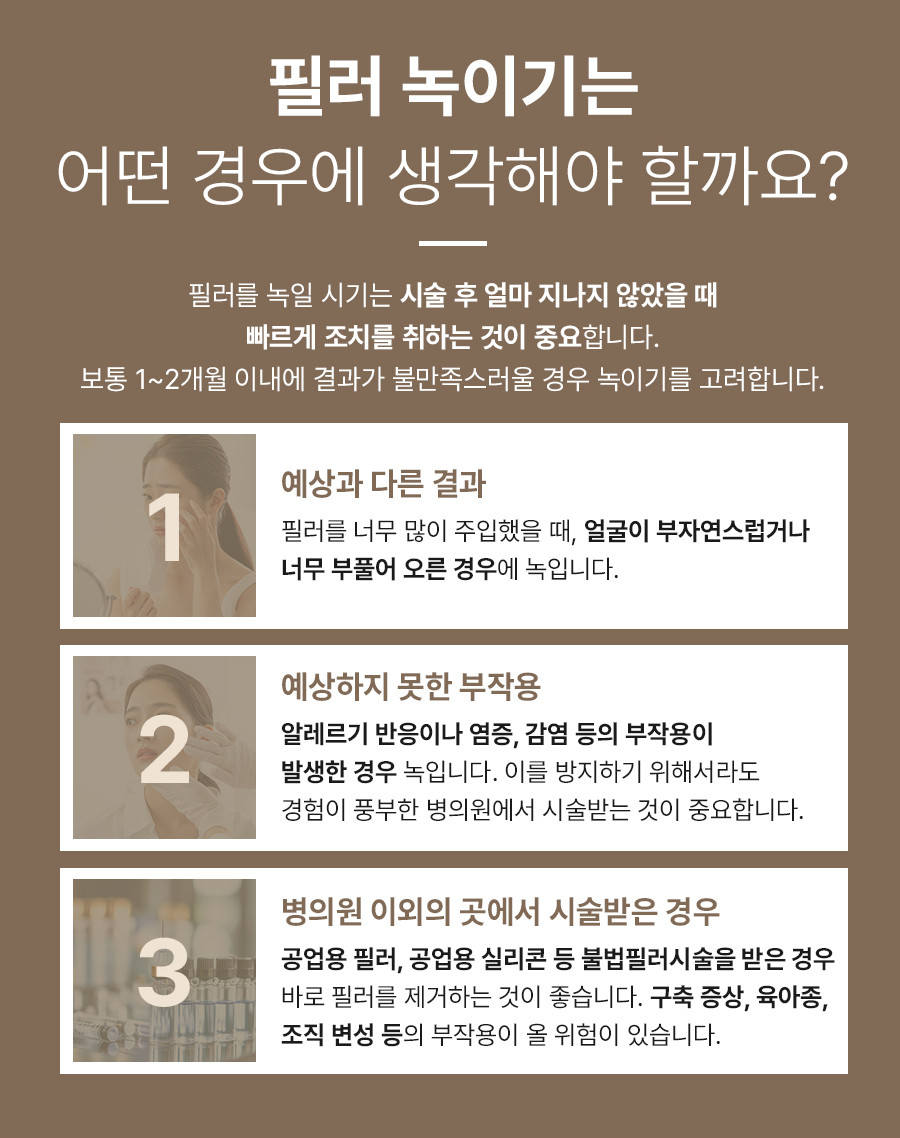
In the first days, you will be advised to avoid rubbing or pressing the treated area strongly. It is also better to avoid saunas, intense exercise, alcohol, and very hot baths right after treatment, to reduce swelling and bruising risk. Gentle skincare and high-SPF sun protection are recommended while the skin is recovering.
Collagen stimulation is not instant. Many people notice the most visible changes in texture and elasticity over several weeks, not overnight. The skin may gradually feel firmer and look smoother, with fine wrinkles softened rather than erased in a single step.
Juvelook is often performed as a series of sessions spaced several weeks apart for more stable collagen stimulation. The exact number and interval depend on your skin condition, age, and goals. Effects and duration vary from person to person, influenced by lifestyle, sun exposure, smoking, and how regularly you maintain treatments.
Safety, side effects, and precautions
Like any filler or injectable treatment, Juvelook has potential side effects. Common, usually temporary reactions include redness, swelling, bruising, tenderness, and small lumps at injection sites. These often resolve as the product settles and the skin heals.
Less common but important risks include infection, allergic reactions, vascular complications, or asymmetry. These are generally reduced by proper technique, appropriate product choice, and careful aftercare, but they cannot be completely ruled out.

Before treatment, it is important to share your full medical history, current medications, allergies, and any previous filler or skinbooster treatments with the clinic. This helps the medical staff decide whether Juvelook is suitable for you and which areas can be treated safely.
Sterile technique and correct depth of injection are essential. After treatment, you should contact the clinic promptly if you experience unusual pain, severe swelling, or changes in skin color. Having a clear follow-up system is an important point when choosing a clinic near Jamsil Station.
Online consultation and pre-visit preparation for overseas patients
If you are visiting from overseas, starting with an online consultation can save time. Many international patients staying in the Jamsil or Songpa area send photos and a brief description of their concerns before traveling.
When you prepare for an online consultation, it helps to provide clear, natural-light photos of your face from the front and both sides. Write down what bothers you most, such as “fine lines on cheeks”, “tired look under eyes”, or “dull skin”. Also mention your past treatments, including any fillers, skinboosters, lasers, or lifting devices you have had.
It is useful to prepare a short list of questions before you contact the clinic. Examples include how many sessions the doctor expects you might need, how much downtime to plan between sessions, and whether sedation is recommended in your case. You can also ask how long you should stay in Korea after the injection for a follow-up check.
Providing information about your schedule is helpful too. For example, if you plan to arrive on a Thursday evening and leave on Monday, the clinic can suggest a timeline that fits within weekday evenings and Saturday hours.
Expected Korea visit timeline for Juvelook
For many overseas patients, a short stay in Seoul is enough for Juvelook treatment, especially if they are starting with one session.
A typical simple timeline might be:
Day 1: Arrival in Seoul. If time allows, in-person consultation and first Juvelook session in the late afternoon or evening, especially convenient because the clinic near Jamsil Station is open into the evening on weekdays.
Day 2 to 3: Light swelling and redness may be present. You can usually continue sightseeing or meetings, avoiding heavy exercise and very hot environments.
Day 4 or later: If you are still in Korea, a quick follow-up check can be arranged, or you can stay in touch online once you return home.
If you are planning a series of Juvelook sessions, you may coordinate your visits to Korea several weeks apart, or combine Juvelook with other treatments during the same trip, depending on your schedule and the clinic’s recommendations.
Clinic location and service context near Jamsil Station
It is in a mixed-use building with well-known tenants such as a popular cafe brand, which makes it easy to find.
This location is convenient for commuters who pass through Jamsil Station daily, as well as for visitors staying in nearby hotels or serviced apartments. Weekday hours extend into the evening, up to around 8:30 p.m., and Saturday daytime treatment is available. The clinic is closed on Sundays and public holidays, so overseas patients should keep this in mind when planning travel dates.
This dual structure supports a more comprehensive approach to comfort and safety during aesthetic procedures such as Juvelook.
Product selection and customization concept
In addition to Juvelook and Juvelook Volume, clinics may offer a range of fillers and skinboosters from different manufacturers. Ask during your consultation which specific brands are available so the medical staff can select products suited to the treatment area and your skin condition.
The clinic offers DIY-style programs for face and aesthetic care, where patients can discuss and choose focus areas through one-to-one consultation. Juvelook is positioned as one of several tools that can be combined in a customized plan.
For example, a patient might focus on Juvelook for cheek texture and fine lines, while using another filler for deeper folds, or combining Juvelook with a collagen booster like Radiesse in specific zones. The final plan is adjusted according to your goals, budget, and available time in Korea.
What to check and ask before your Juvelook consultation
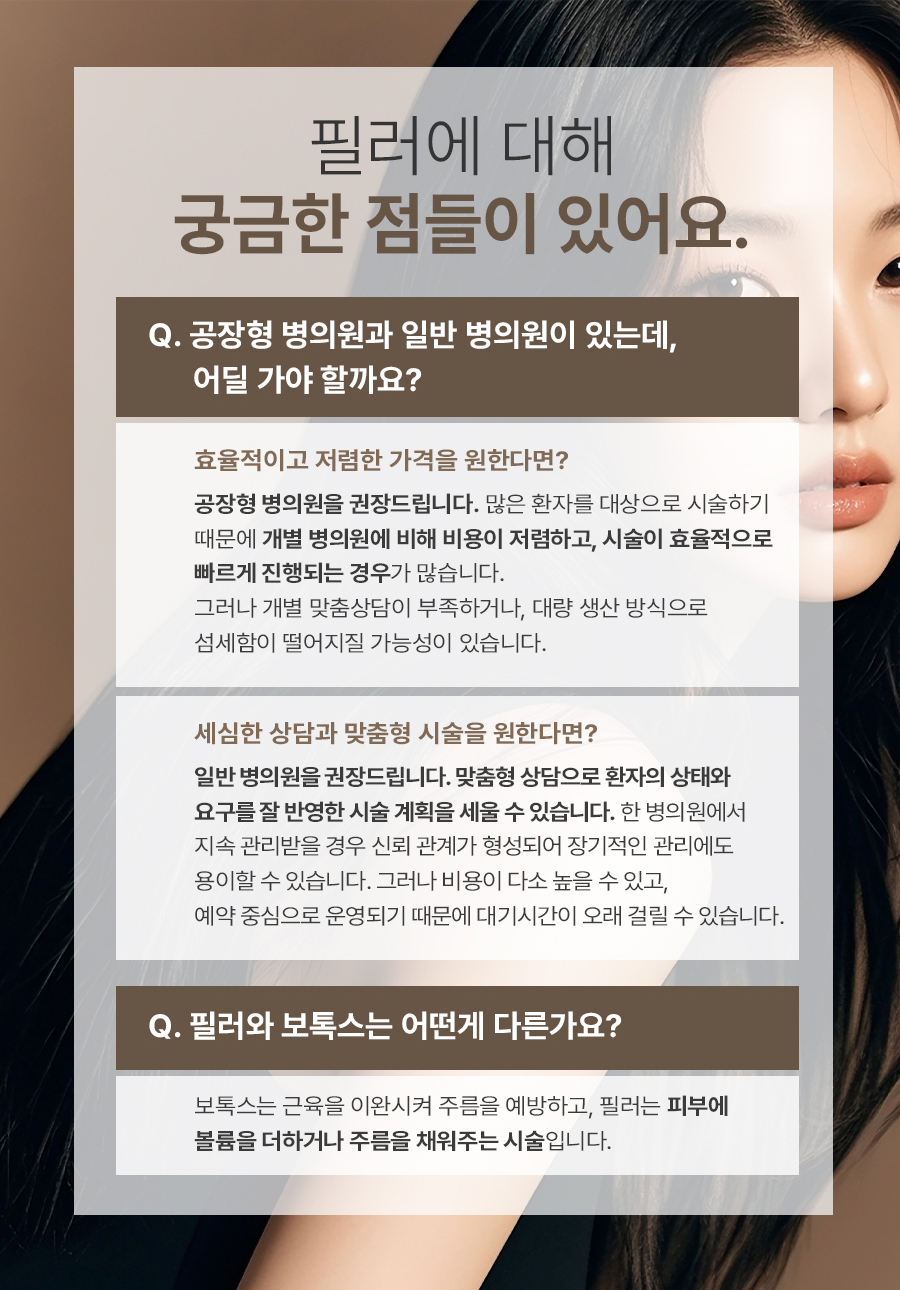
When comparing clinics around Jamsil Station, it is helpful to look beyond price alone. Consider the medical staff’s experience with filler and collagen-stimulating injectables, the range of products they use, and how clearly they explain risks and aftercare.

Before your consultation, you may want to prepare questions such as:
Which areas of my face are suitable for Juvelook, and which might need a different type of filler?
How many sessions does the doctor expect I might need, and at what interval?
What kind of anesthesia is recommended for me: numbing cream only, or is sedation worth considering?
What downtime should I plan before important events or photos?
How will the clinic support follow-up if I return to my home country soon after treatment?
Taking notes during consultation can help you compare information if you are speaking with more than one clinic. Pay attention to whether the staff gives realistic expectations about gradual improvement and possible side effects, rather than only highlighting benefits.
Frequently asked questions about Juvelook near Jamsil Station
Is Juvelook painful, and do I need sedation?
Most patients describe Juvelook injections as mildly to moderately uncomfortable rather than very painful, especially when numbing cream is used. Sensitive areas like under the eyes may feel more noticeable. At the Jamsil-area clinic, topical anesthetic is standard, and careful technique is used to minimize discomfort. For very anxious or pain-sensitive patients, painless sedation anesthesia is available as a separate option when medically appropriate. You can discuss this during your consultation.
How many Juvelook sessions will I need, and how long do results last?
Juvelook is often performed as a series of sessions spaced several weeks apart to support collagen stimulation. Some people feel satisfied after one or two sessions, while others choose additional treatments for more gradual improvement. The duration of results varies by age, skin condition, lifestyle, and maintenance. Because Juvelook works by stimulating your own collagen, the effect tends to build over time rather than disappearing suddenly, but ongoing care may be needed to maintain results.
What is the difference between Juvelook and other fillers or skinboosters?
Classic hyaluronic acid fillers are mainly used to create shape and strong volume in areas like the nose, chin, or deep folds, with an immediate structural effect. Typical skinboosters focus on hydration and glow by spreading moisture through the skin. Juvelook sits between these two: it gives light volume and improves fine wrinkles and texture, while also encouraging collagen production for firmer skin over time. It is less about dramatic contouring and more about natural, gradual skin quality improvement.
Can I combine Juvelook with other treatments during my trip to Korea?
Yes, many patients combine Juvelook with other treatments, depending on their goals and schedule. For example, Juvelook may be paired with classic fillers for deeper folds, or with other collagen boosters like Rejuran or Radiesse in selected areas. Lifting devices such as Thermage or ultrasound-based lifting can be added to address sagging, while Juvelook supports elasticity and texture. The exact combination should be decided after a detailed consultation, taking into account your skin condition, medical history, and how long you will stay in Korea.

Soft call to action for online consultation
If you are considering Juvelook near Jamsil Station and would like to fit treatment into a busy workweek or a short visit to Seoul, an online consultation is a practical first step. By sharing photos, your main concerns, and your travel schedule in advance, the clinic can suggest whether Juvelook is suitable for you, what kind of plan might be realistic, and how to arrange your appointments around weekday evenings or Saturday hours.
You can then arrive in Korea with a clearer understanding of what to expect, complete your consultation and treatment near Jamsil Station, and continue follow-up online after you return home.
- 공유 링크 만들기
- X
- 이메일
- 기타 앱


댓글
댓글 쓰기