Jamsil Saenae enlarged pores care and non‑surgical options
- 공유 링크 만들기
- X
- 이메일
- 기타 앱

Direct answer summary
If you are staying around Jamsil Saenae and are worried about enlarged pores, there are non‑surgical options in the Jamsil area that focus on pore tightening and skin texture improvement. These usually combine energy‑based devices such as radiofrequency or laser with skin boosters and sebum control, rather than relying on a single treatment. Results are gradual and aim for smoother, more refined skin, not complete pore removal. For overseas patients, it is possible to plan a short visit to Korea for a series of sessions or to start a program that you can later maintain in your home country.
What enlarged pores really are
Enlarged pores are simply visible openings of sebaceous follicles. They are most noticeable on the nose, cheeks, and forehead, where oil glands are more active.

People often describe enlarged pores as rough or bumpy skin, foundation settling into tiny holes, and a shiny T‑zone that looks greasy by midday. Blackheads and whiteheads can make pores stand out more. Old acne marks or shallow scars can also look like large pores, especially under strong lighting.
Understanding that pores are normal skin structures is important. The goal of treatment is to make them look tighter and the surface smoother, not to erase them completely.

Main causes of enlarged pores
Several factors usually combine to create visible pores.
Oily skin and excess sebum
If your skin produces a lot of oil, the pore openings can stretch to let the sebum out. This is common in younger people, in humid climates, and in those with a genetic tendency to oily skin. Male hormones can also increase sebum production, so men often notice larger pores.
Loss of collagen and elasticity
As we age, collagen and elastin in the dermis decrease. The skin around each pore loses firmness and support, so pores can look stretched or droopy. This is why many people feel their pores suddenly look worse in their 30s and 40s, even if they did not have a big pore problem before.

Acne and picking
Chronic acne, especially inflammatory pimples, can damage the surrounding tissue. When they heal, they may leave atrophic scars that resemble large, deep pores. Repeated squeezing and picking also weakens the pore wall and can stretch it over time.
UV damage, smoking, and harsh skincare
Ultraviolet exposure breaks down collagen and thickens the outer skin layer, which can make pores more obvious. Smoking reduces blood flow and slows skin repair. Over‑cleansing, strong foaming cleansers, and rough scrubs can irritate the skin barrier and trigger more oil production, creating a cycle of irritation and enlarged pores.

Genetic and hormonal factors
Some people simply have naturally larger pores or more active sebaceous glands. Hormonal changes, such as those related to menstrual cycles or certain medications, can temporarily increase oil production and pore visibility.
How a clinic evaluates pore problems
Before choosing a treatment, it is important to understand what is really causing the uneven look.

Distinguishing pore types and texture
A structured evaluation usually looks at whether the main issue is true enlarged pores, shallow acne scars, or general roughness and fine lines. Under bright light or with skin analysis devices, a doctor can see if the openings are mainly oil‑related, scar‑like, or due to laxity.
Checking skin type and sensitivity
Your skin type matters. Oily, combination, dry, or sensitive skin will each respond differently to energy‑based devices and peels. The clinic will also check for active acne, redness, or a tendency to develop pigmentation after inflammation. This helps to decide how strong the treatment can be and how much downtime is acceptable.
Considering lifestyle and downtime
For office workers or travelers staying near Jamsil Station, time is limited. Some procedures have very little downtime but need more sessions, while others are more intensive with a few days of redness or flaking. Your schedule, travel dates, and comfort level with visible redness will guide the plan.
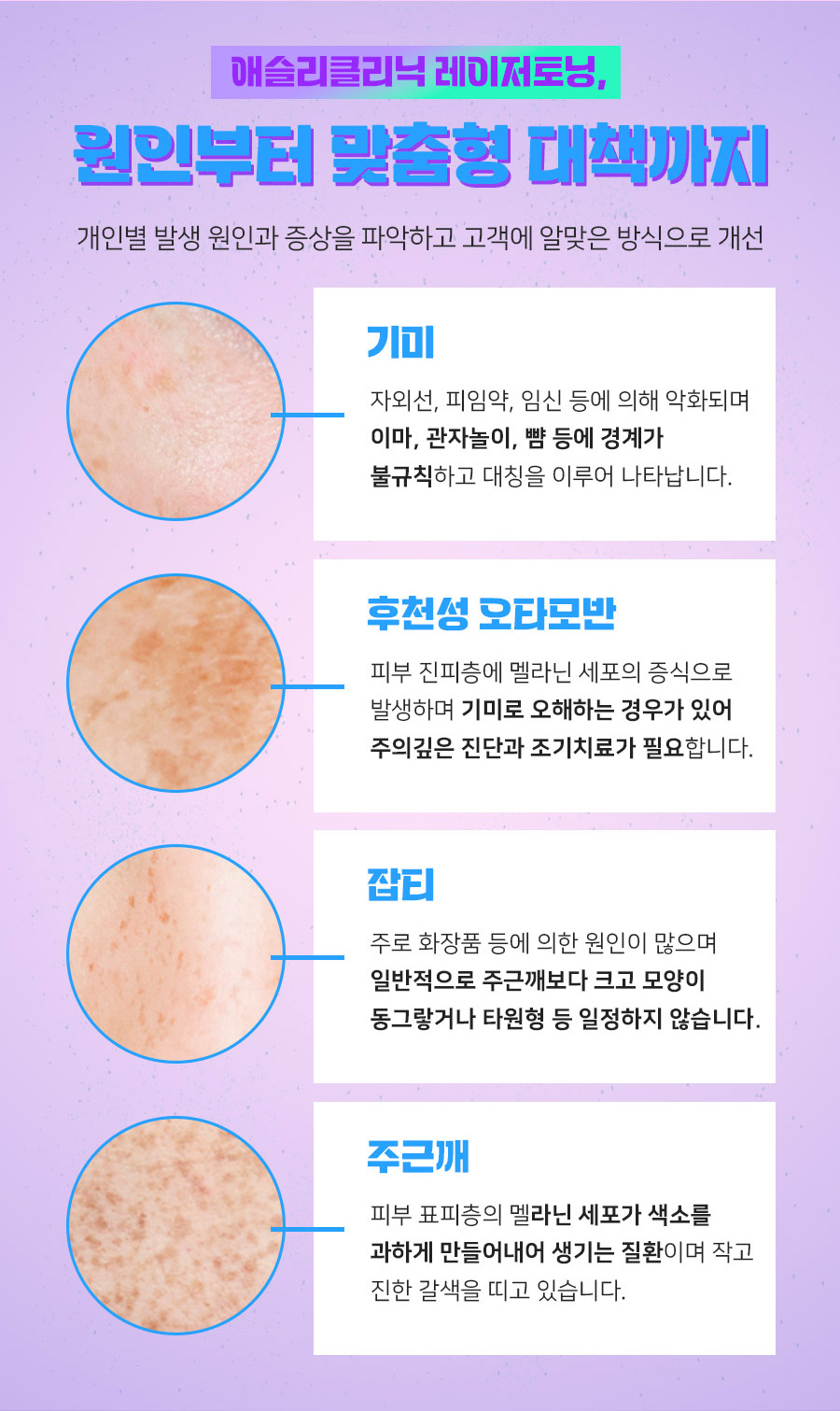
Non‑surgical treatment options for enlarged pores
In the Jamsil and Jamsil Saenae area, pore programs usually combine several non‑surgical methods.
Energy‑based devices
Radiofrequency and fractional RF
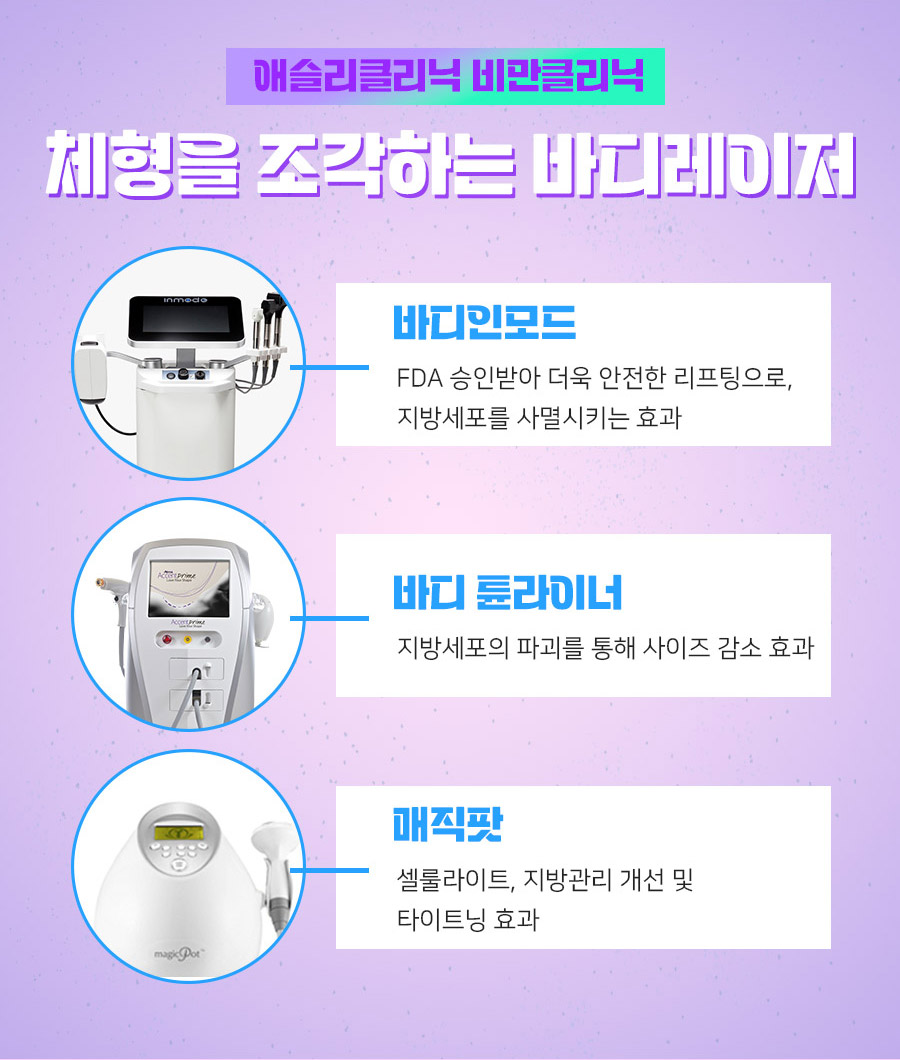
Radiofrequency devices deliver controlled heat into the dermis. This heat can stimulate collagen production and tighten the tissue around pores. Fractional RF uses many tiny pins or micro‑zones to create columns of thermal stimulation while leaving surrounding skin intact, which supports faster healing.
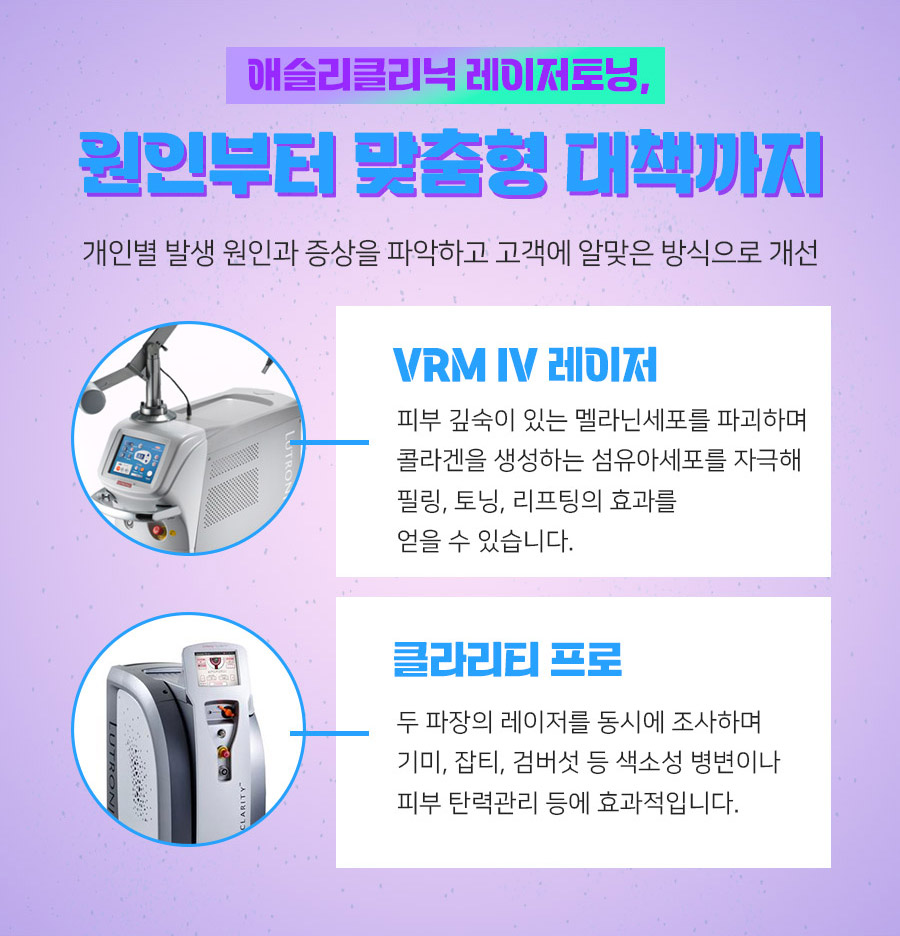
For enlarged pores, RF is often done as a series of sessions spaced a few weeks apart. Over time, the skin can feel firmer and the pores may look narrower. Mild redness or swelling right after treatment is common, and makeup is often allowed after a short period, depending on the exact device.
Ultrasound lifting devices
High‑intensity focused ultrasound devices are usually known for lifting and tightening the lower face and jawline. By firming deeper layers, they can indirectly improve the appearance of pores on the cheeks and lower face. They are not a pore‑specific solution but can be part of a plan when skin laxity is a major factor.
Toning‑type lasers
Toning lasers use low‑energy, repeated shots to gently target pigment and improve overall tone. Some also give a mild texture improvement and can be combined with other procedures. For patients who cannot tolerate strong downtime, laser toning can be a softer option to maintain clarity while other treatments focus more on pores.

Skin boosters and collagen stimulators
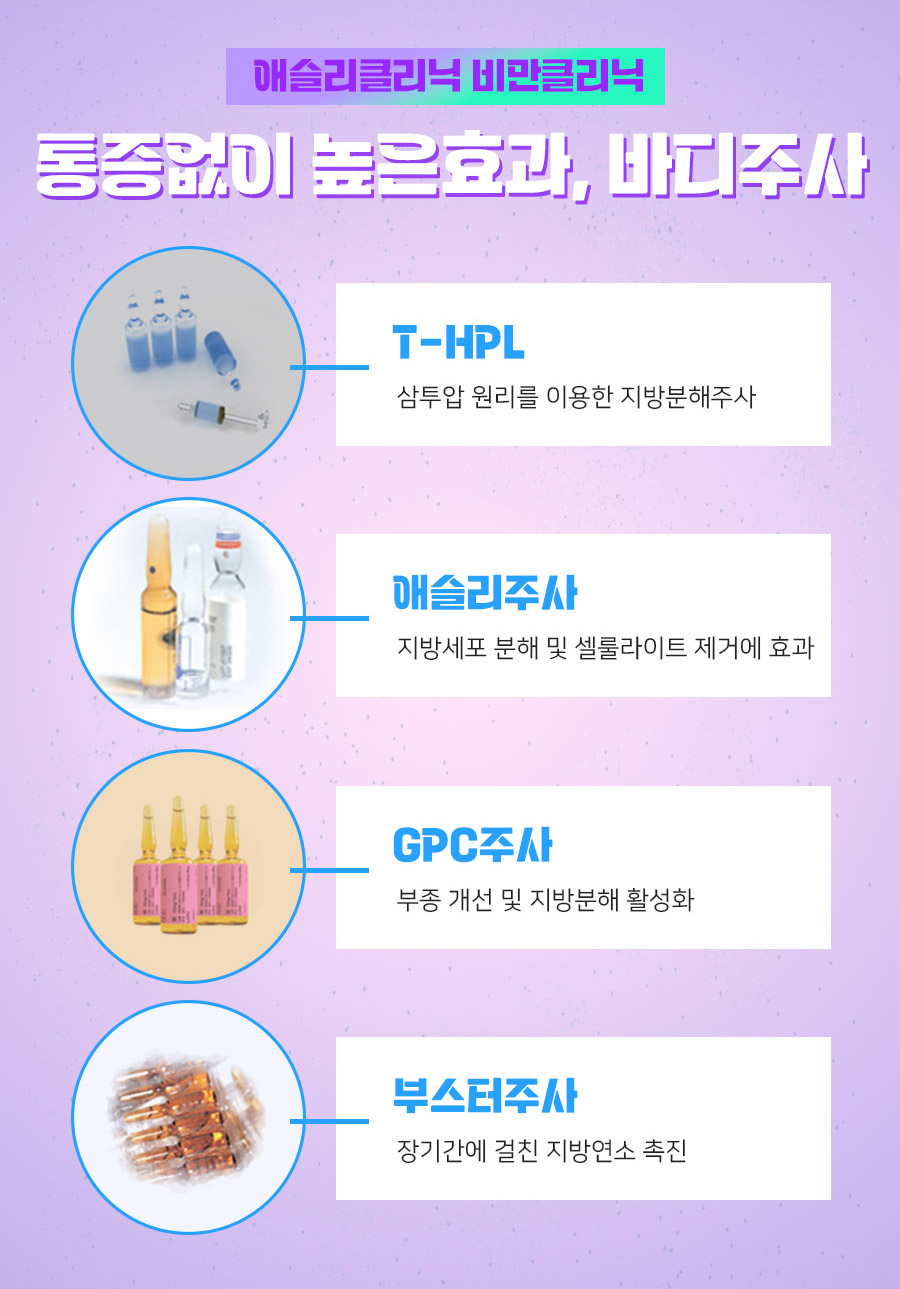
Skin boosters are injectable treatments that deliver hydrating and regenerative substances into the dermis. Rather than adding volume like a classic filler, they aim to improve skin quality from within. Over time, this can lead to smoother texture, better hydration, and a more refined look of pores.
Collagen stimulators are injectables that encourage your own collagen production. They are used in small amounts in the dermis or subdermis to gradually thicken and strengthen the skin. For pore and texture concerns, they are often combined with RF or laser treatments to support longer‑term improvement.

Acne and sebum control
If active acne or very oily skin is present, sebum control is essential. Mild chemical peels can help to dissolve dead cells and clear out clogged pores. Certain topical or oral medications may be suggested to reduce oil production and inflammation. Keeping acne under control prevents pores from stretching further and reduces the risk of new scar‑like openings.
Combination therapy for better results
Because pores are influenced by oil, collagen, and surface texture, a combination approach is often more effective than a single treatment. A typical plan might include fractional RF for texture, a skin booster for dermal quality, and a sebum control program with peels or topical care.
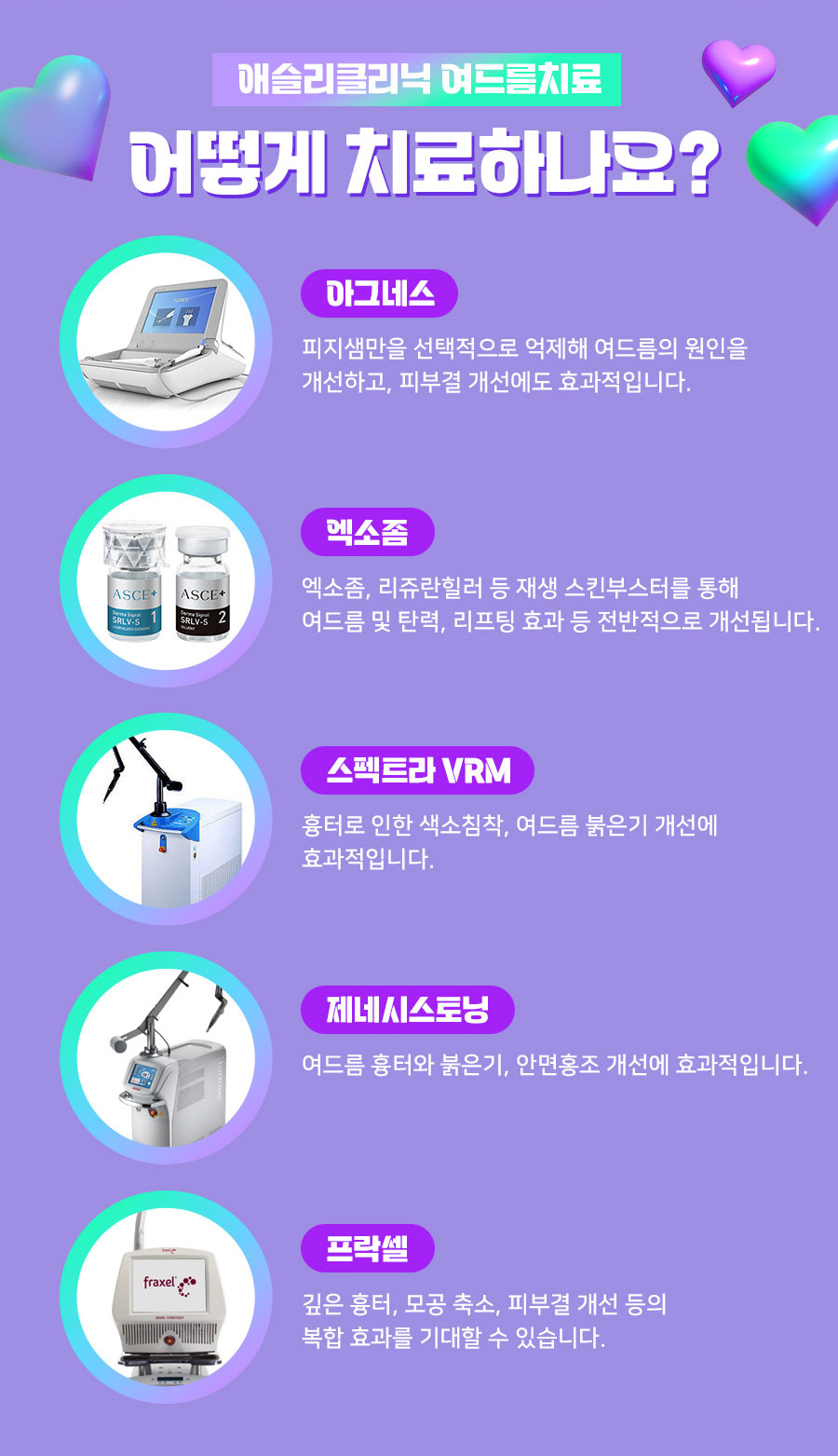
Patients should expect a series of sessions, not a one‑time fix. Many programs run every three to six weeks for several visits, followed by maintenance once or twice a year, depending on skin condition and lifestyle.
Pain management and comfort options in Jamsil
Pore and texture procedures can involve heat, micro‑needling, or both. Some people describe a warm prickling or rubber band snapping sensation, which can be uncomfortable, especially on sensitive areas like the nose and upper lip.
Topical anesthesia
Most clinics use topical numbing cream before RF, fractional, or injection‑based treatments. The cream is applied for a set time to reduce surface sensation. Cooling during or after the procedure can also help with comfort.

Sedation options
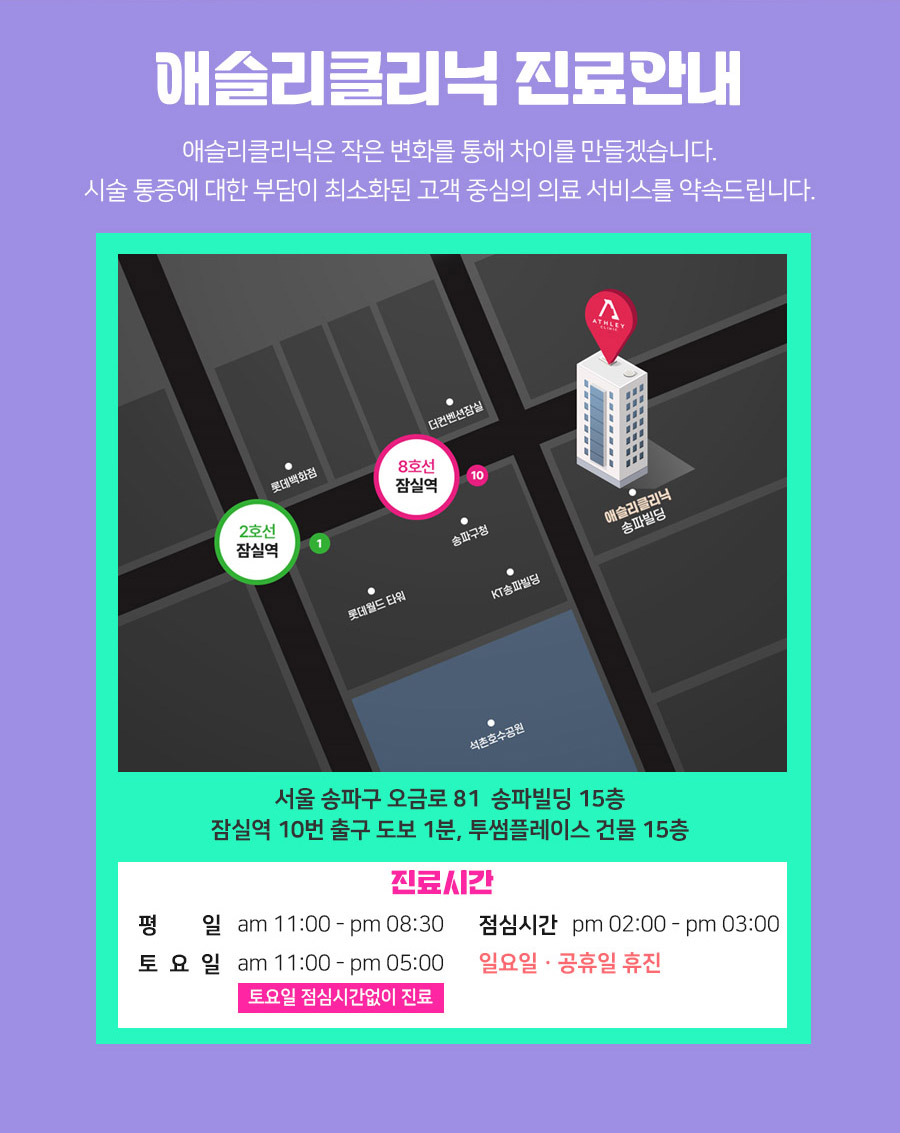
In the Jamsil area, clinics such as Athley Clinic combine cosmetic procedures with a pain clinic system. In such settings, patients who are anxious about pain or planning multiple procedures in one session can discuss sedation or anesthesia options that may help reduce discomfort or anxiety, depending on medical suitability.
Sedation is not necessary for everyone and is not without risk. It should only be performed under proper monitoring and by doctors familiar with anesthesia and pain medicine. During your consultation, you can ask whether sedation is appropriate for your health status and which monitoring systems are in place.

Typical treatment process for a Jamsil Saenae pore program
For overseas patients visiting the Jamsil Saenae area, understanding the usual flow can help with planning.
Step 1: Online consultation and skin assessment
Before you travel, many clinics near Jamsil Station can review photos and basic information by online consultation. You may be asked about your age, skin type, history of acne, previous treatments, medications, allergies, and your main concerns. Clear, high‑resolution photos in natural light are helpful.

Step 2: In‑clinic consultation and realistic goal setting
At your first visit, the doctor will examine your skin directly and, if available, may use a skin analysis device. Together you will discuss what kind of improvement is realistic within your travel schedule. The focus is usually on softening roughness, reducing shine, and making pores less noticeable, not on complete disappearance.
Step 3: Designing a customized plan
Based on your skin type, sensitivity, and downtime tolerance, the clinic will suggest a combination of treatments. For example, a patient with oily, acne‑prone skin might prioritize sebum control and RF, while someone with dry, aging skin might focus more on collagen stimulators and gentle laser.
The plan will outline which devices or injectables are recommended, how many sessions are ideal, and the interval between them. If you are staying in Korea for a short time, the schedule may be adjusted to fit your stay while still keeping safety in mind.
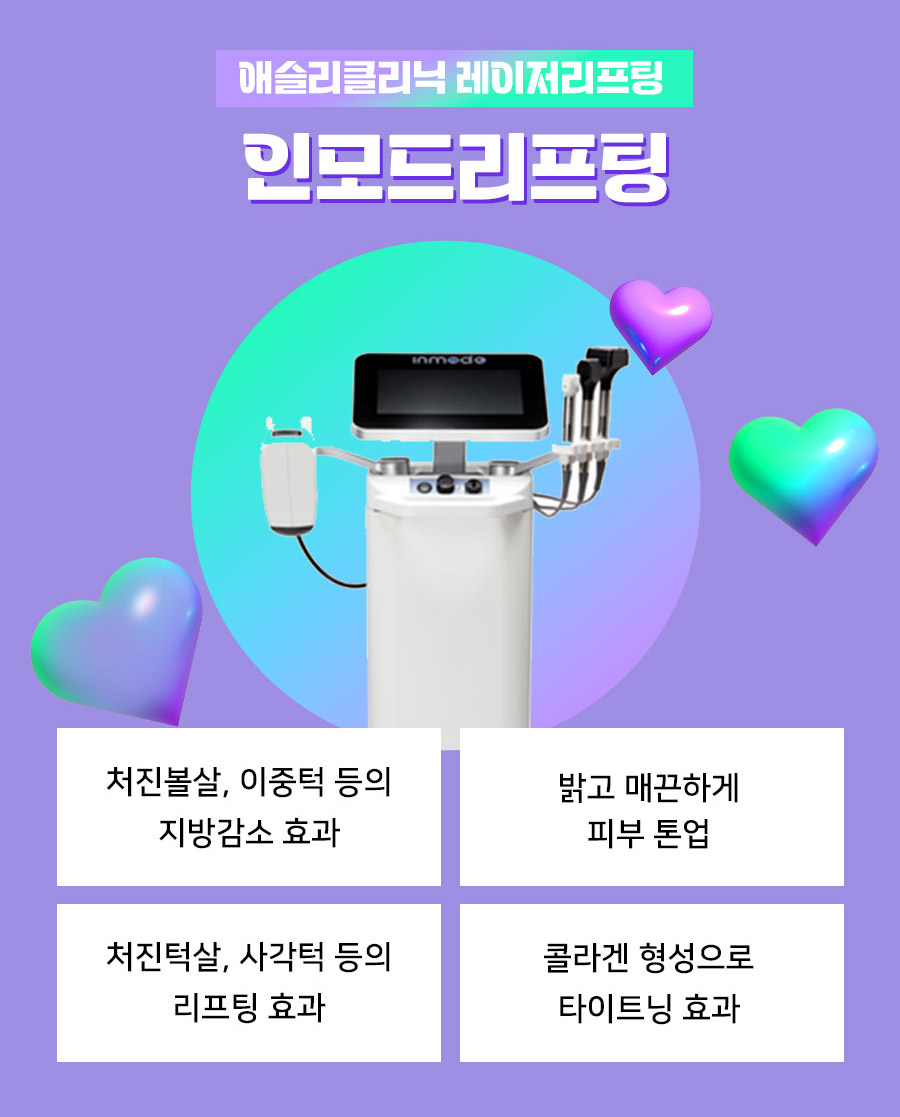
Step 4: Procedure day in Jamsil Saenae
On treatment days, the usual steps include cleansing the face, taking standardized photos, applying topical anesthesia if needed, and then performing the procedure. For those who are suitable and choose sedation, monitoring will be arranged and explained in advance.
After the treatment, cooling packs or soothing products may be used. You will receive instructions about when you can wash your face, apply makeup, and resume normal activities. Many people can return to light daily activities the same day, although mild redness or swelling can persist for a short time.

Step 5: Aftercare and follow‑up
Good aftercare is essential for maintaining results and avoiding complications. Sun protection is a priority, as treated skin can be more sensitive to UV. Gentle cleansing and adequate moisturization help the skin barrier recover.
You will usually be advised to avoid harsh scrubs, strong acids, and picking at any tiny scabs or flaking that may appear. If you are returning to your home country before completing all sessions, the clinic may provide a summary for you to share with your local provider.
Who may consider enlarged pore treatment in Jamsil Saenae
Good candidates
People with visible pores on the nose, cheeks, or forehead who want a smoother, more refined appearance are typical candidates. Those who understand that improvement is gradual and requires multiple sessions usually feel more satisfied.

Patients who can follow basic aftercare and are willing to protect their skin from the sun also tend to do well. For overseas visitors, being able to schedule at least one or two sessions and possibly a follow‑up within the same trip is helpful.
Who should be cautious
People with very sensitive or reactive skin, active severe acne, or ongoing skin infections need careful evaluation. Those with a history of keloids or abnormal scarring should discuss this in detail, as some energy‑based treatments may need to be modified or avoided.

Pregnant or breastfeeding patients should receive individualized advice. In many cases, strong devices, certain injectables, and medications are postponed until after pregnancy or breastfeeding. If you have chronic illnesses or take regular medications, it is important to inform the clinic in advance, especially if sedation is being considered.
At‑home care and lifestyle tips for pores
Daily sunscreen
Ultraviolet light accelerates collagen breakdown and can make pores look worse over time. Applying a broad‑spectrum sunscreen every morning, even on cloudy days, is one of the simplest ways to protect your results.
Gentle, non‑comedogenic skincare
Choose cleansers that are mild and avoid over‑washing. Cleansing twice a day is usually enough. Look for non‑comedogenic moisturizers and makeup products that do not clog pores. Strong alcohol toners and harsh scrubs can irritate the skin and trigger more oil production.

Mild, consistent exfoliation
Instead of aggressive scrubbing, consider gentle chemical exfoliants such as low‑strength acids, if recommended by a professional. Used correctly, they can help keep pores clear without damaging the barrier.
Early acne management
Treating acne early reduces the risk of scar‑like pores. If you notice frequent breakouts, discuss an acne plan with your doctor rather than relying only on spot treatments.
Lifestyle factors
Balanced diet, adequate sleep, and stress management all support skin health. While they do not directly shrink pores, they help the skin function better and may reduce flare‑ups of acne or oiliness.
Preparing for an online consultation from overseas
Before contacting a clinic in the Jamsil area, it helps to prepare some information.
Points to organize
Make a simple list of your main concerns, such as enlarged pores on the nose, rough cheeks, or acne marks. Note any previous treatments you have tried, including lasers, peels, or injectables, and how your skin reacted.
Prepare information about your medical history, allergies, medications, and any previous issues with anesthesia. Take clear photos of your face from the front and both sides in natural daylight, without heavy makeup.
Questions to ask the clinic
You may want to ask which devices and skin boosters are commonly used for pores, how many sessions are usually recommended, and what kind of downtime to expect. For those worried about pain, it is reasonable to ask about topical anesthesia, sedation options, and monitoring.

If you have limited time in Korea, ask how the schedule can be adapted to your travel dates and what kind of maintenance you might continue at home.
Expected Korea visit timeline for pore care
Short stay of a few days
If you are in Seoul for only a few days, you might have one main session focusing on energy‑based treatment or a skin booster, plus a follow‑up check if timing allows. This can be a good start, but full improvement will usually require additional sessions later.

Stay of one to two weeks
With one to two weeks, you may be able to have one main treatment and a second lighter session, such as a peel or laser toning, before you leave. This schedule still respects skin recovery time while giving a bit more cumulative effect.
Longer stays or repeat visits
For those who visit Korea regularly or stay longer, a more complete program can be planned, such as three or more sessions spaced a few weeks apart. Clinics near Jamsil Station, including Athley Clinic, often offer extended weekday hours into the evening, which can make it easier to fit treatments around work or sightseeing.
Frequently asked questions about enlarged pores in Jamsil Saenae
How much can enlarged pores actually improve?
Enlarged pores can usually be softened and made less noticeable, but they cannot be completely removed. With a structured plan using devices, skin boosters, and proper home care, many people see smoother texture and better makeup application over several months. The degree of change depends on your starting point, skin type, and how consistently you follow the program.

How many sessions are usually needed for pore care?
Most pore and texture programs involve multiple sessions. Clinics often recommend several sessions of energy‑based treatments spaced several weeks apart, sometimes combined with one or more skin booster treatments. Your exact plan will depend on your skin condition, response to treatment, and travel schedule if you are visiting from overseas.
Are pore treatments painful?
There can be some discomfort, often described as heat, tingling, or a snapping feeling. Topical numbing cream is usually applied to make the procedure more comfortable. In the Jamsil area, some clinics with a pain management background, such as Athley Clinic, can also discuss sedation options for suitable patients who are very sensitive to pain or undergoing several treatments in one session. The right approach depends on your pain tolerance and medical status.
Is there a lot of downtime after pore treatment?
Downtime varies by treatment type and intensity. Mild procedures like gentle laser toning or light peels may cause only slight redness that settles within hours to a day. More intensive fractional or RF treatments can lead to redness, swelling, or tiny scabs that last a few days. Your clinic will explain what to expect and how to care for your skin during recovery so you can plan around work or travel.
Soft call to action
If you are considering enlarged pore care while staying near Jamsil Saenae, an online consultation before your trip can help you understand which options may suit your skin and schedule. By sharing clear photos and your travel dates, you can receive a preliminary plan and arrange appointments in advance, making the most of your time in Seoul.

This article is for general information only and does not replace a personal consultation with a qualified doctor. Individual evaluation and treatment planning are essential for safe and appropriate care. Specific procedures carry specific risks: injectable fillers and botulinum products commonly cause bruising, swelling, redness, or tenderness at the injection site; they can also lead to asymmetry, nodules, or infection, and in rare cases serious vascular occlusion that requires urgent treatment. Lasers and other high‑frequency or energy devices commonly cause transient redness, swelling, or scabbing; pigmentary changes (darkening or lightening of the skin), prolonged redness, or scarring can occur, particularly in certain skin types or with inadequate aftercare. Sedation or anesthesia options also carry risks and suitability should be assessed by a clinician. Discuss potential benefits, common side effects, and uncommon but serious complications with your treating doctor so you understand individualized risks and management.

- 공유 링크 만들기
- X
- 이메일
- 기타 앱


댓글
댓글 쓰기