Jamsil enlarged pores care and non‑surgical options for overseas patients
- 공유 링크 만들기
- X
- 이메일
- 기타 앱
Direct answer summary
If you are searching from overseas for help with enlarged pores in the Jamsil area, you can receive non‑surgical pore and texture care near Jamsil Station in Songpa‑gu. Clinics in this area typically combine laser, radiofrequency, HIFU, and skin boosters with acne and scar management to make pores look less visible and skin texture smoother. Results usually require several sessions, realistic expectations, and proper aftercare, but many office workers and visitors choose this location because it is easy to access after work and offers evening hours.
This guide explains what enlarged pores are, who may benefit from treatment in Jamsil, what kinds of procedures are commonly used, how to prepare from overseas, and what a typical visit schedule and recovery look like.

Understanding enlarged pores in the Jamsil demographic
Enlarged pores are small openings of the hair follicles that look bigger or more visible than you would like. They are often related to excess sebum, reduced skin elasticity, chronic acne, and natural aging. When the supporting collagen around the pore weakens, the opening can look stretched or shadowed under certain light.
Around Jamsil, many office workers have combination skin with an oily T‑zone and drier cheeks. Long hours in air‑conditioned offices, daily makeup, and commuting in city air can all contribute to clogged and noticeable pores on the nose, cheeks, and forehead. Mask‑related breakouts have also left some people with acne marks and roughness around the pores.

It is important to understand that pores cannot be removed. The goal of treatment is to reduce how visible they look by controlling oil, strengthening collagen, and smoothing the surface texture. With the right plan, pores can look tighter, skin can feel more even, and makeup can sit better, even though the pores themselves remain.
Causes of enlarged pores and rough texture
Several factors usually work together to create enlarged pores and uneven skin texture.

Genetic tendency plays a role. Some people naturally have more active sebaceous glands and thicker, oilier skin, which makes pores more noticeable. If parents or siblings have visible pores, you may be more likely to have them too.
Chronic or poorly controlled acne can widen pores over time. Inflammation inside the follicle stretches the opening, and repeated breakouts can leave small pits or scars that look like enlarged pores. When acne is not treated properly, the skin may heal with irregular texture.
Loss of collagen and elasticity with age is another key factor. As we get older, the skin’s support structure becomes weaker and thinner. Pores that were once small and round can become elongated and look like vertical lines, especially on the cheeks.
Inappropriate home care can also make things worse. Harsh scrubs, frequent squeezing, and strong drying products may irritate the skin barrier. This can trigger rebound oiliness, where the skin produces even more sebum to compensate, and inflammation can damage the pore walls.
Environmental factors common in city workers, such as fine dust, pollution, long makeup wear, stress, and irregular sleep, can all contribute. These factors can clog pores, slow down skin renewal, and make redness and pigmentation around pores more obvious.
Non‑surgical treatment options for pores
For overseas patients visiting Jamsil, most pore and texture programs are non‑surgical and done on an outpatient basis. They are designed so you can return to your hotel the same day.
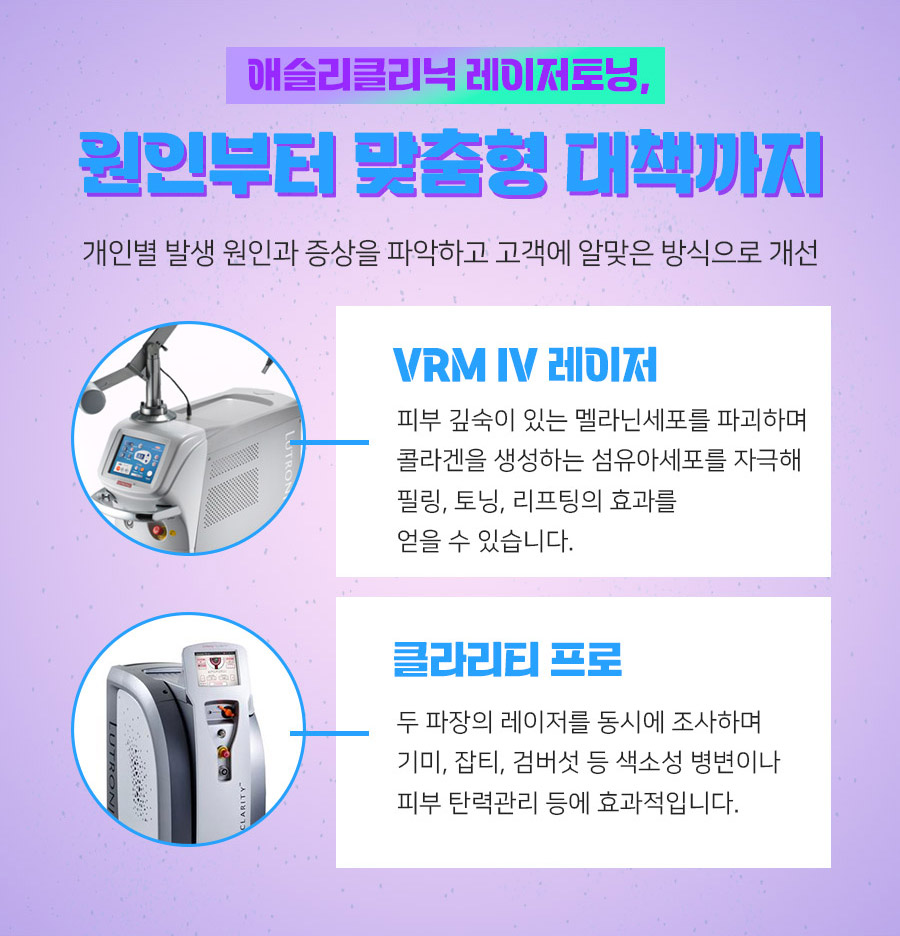
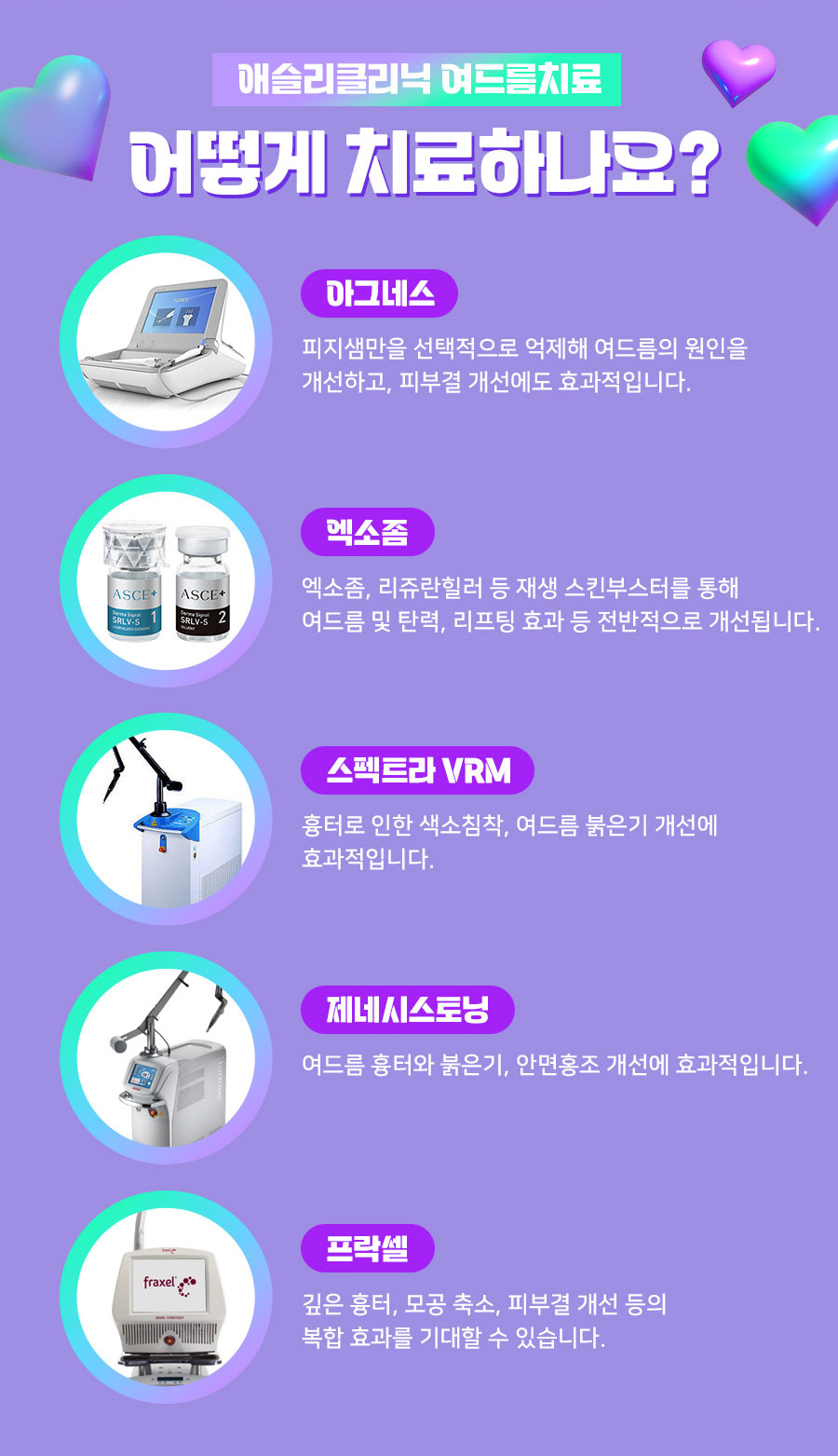
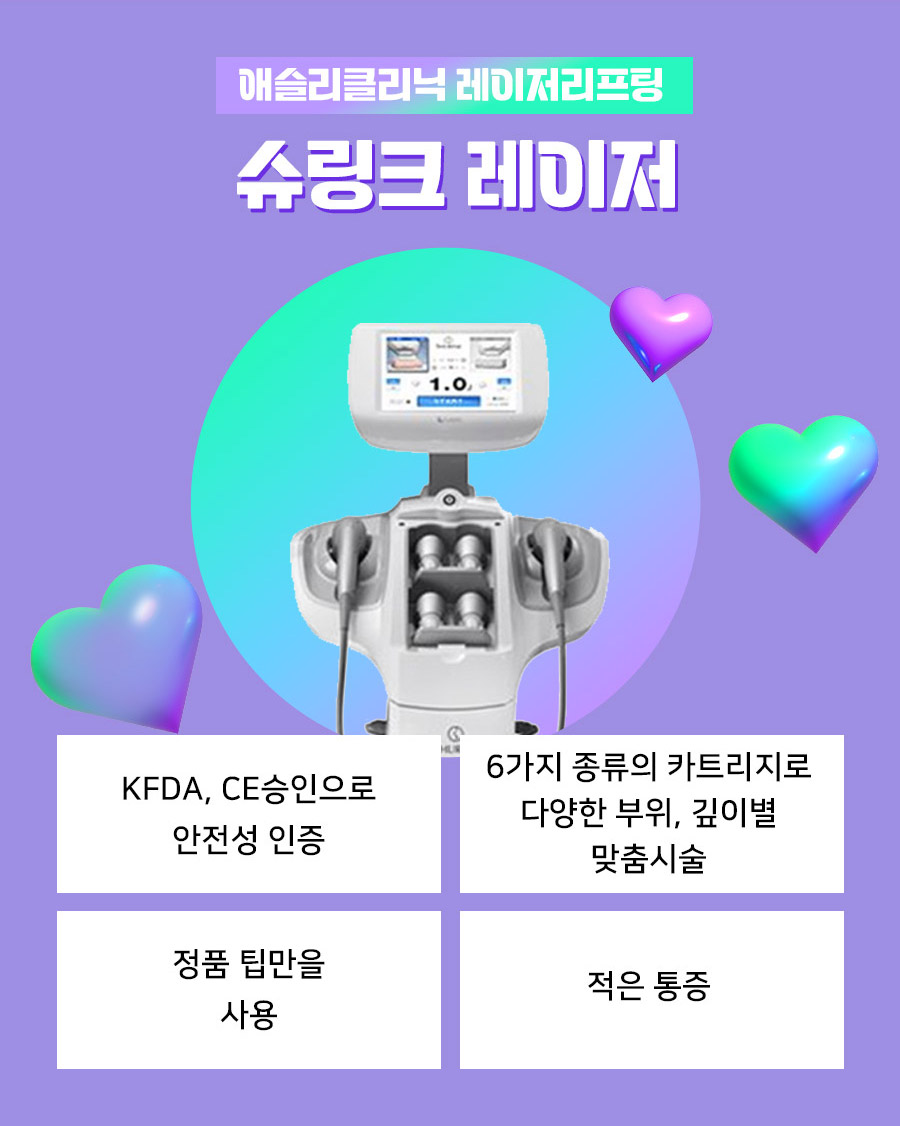
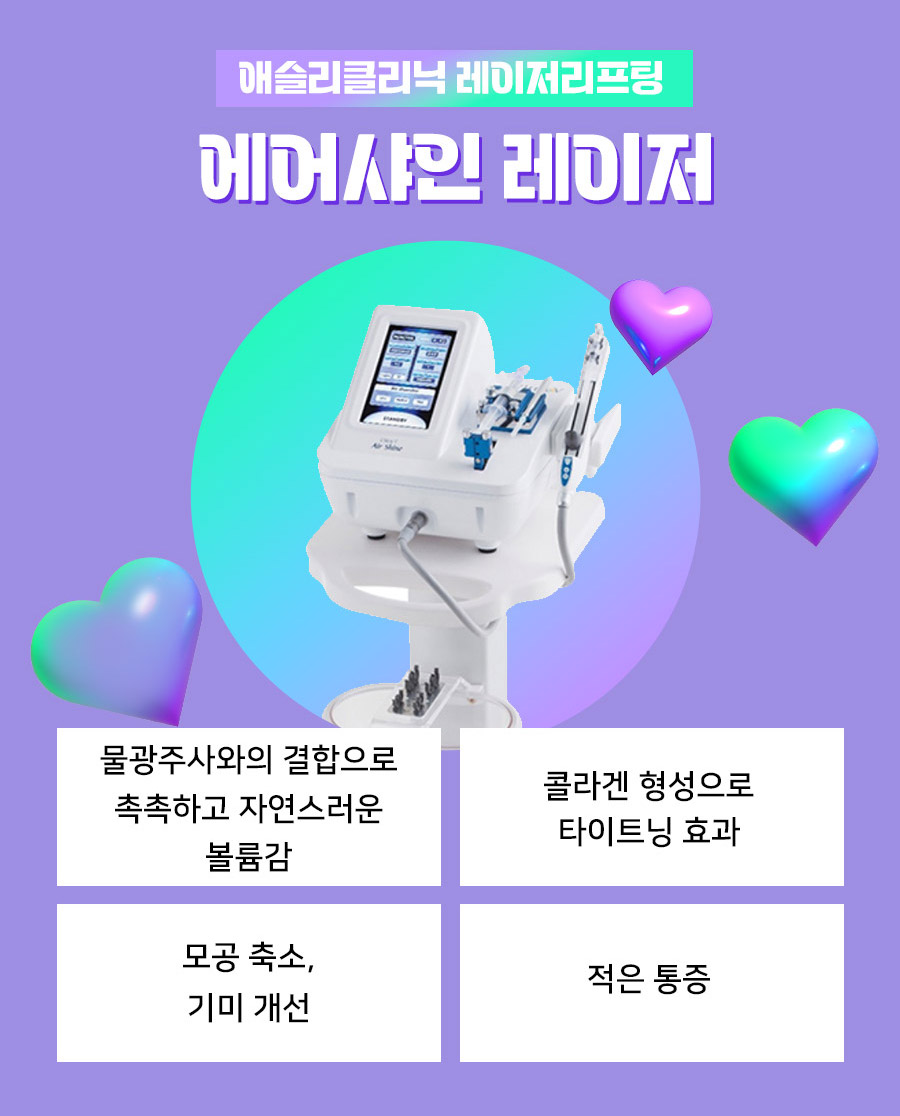
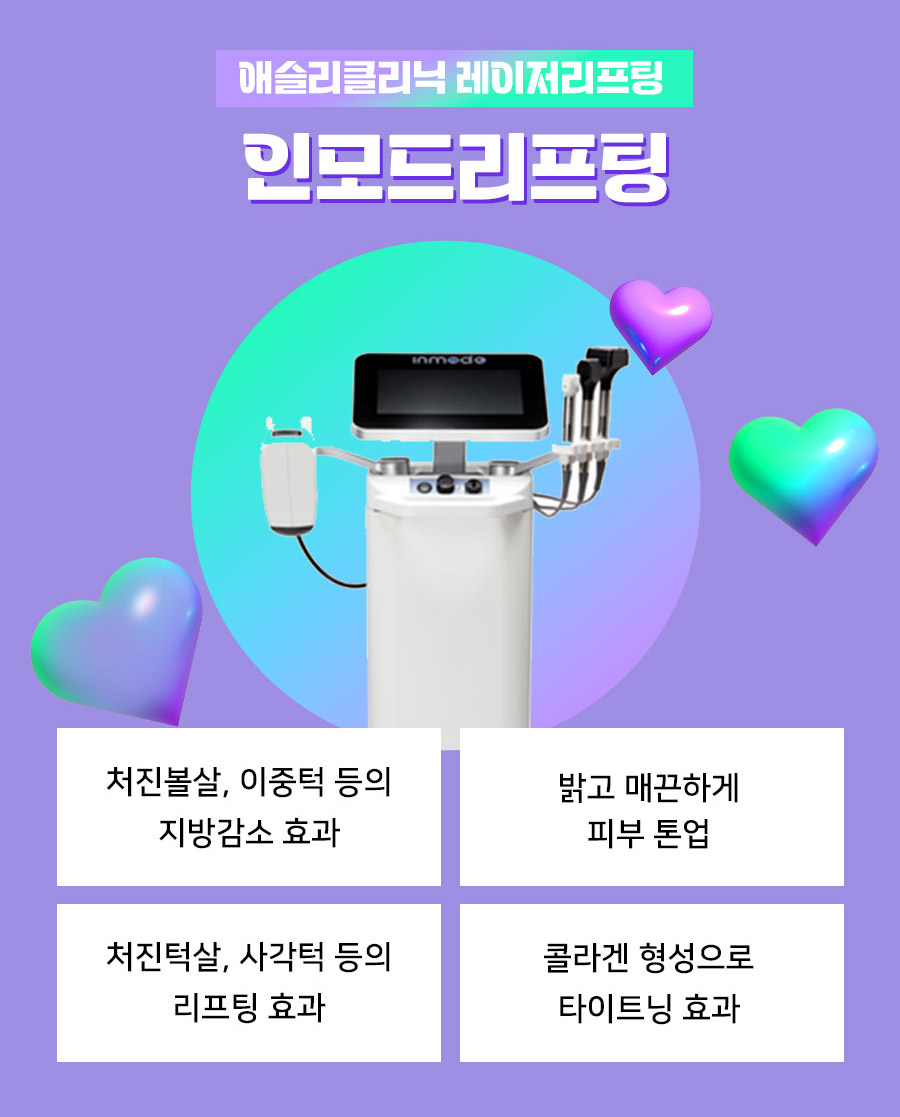
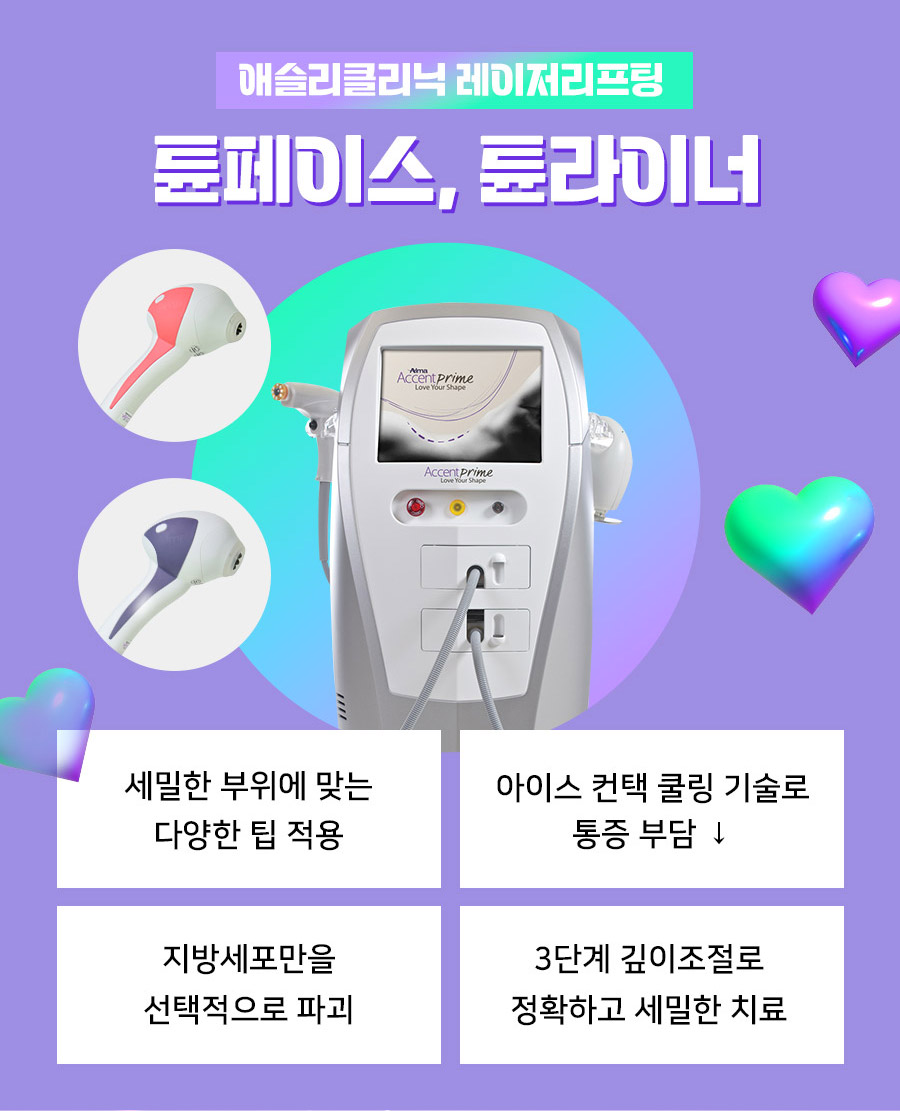
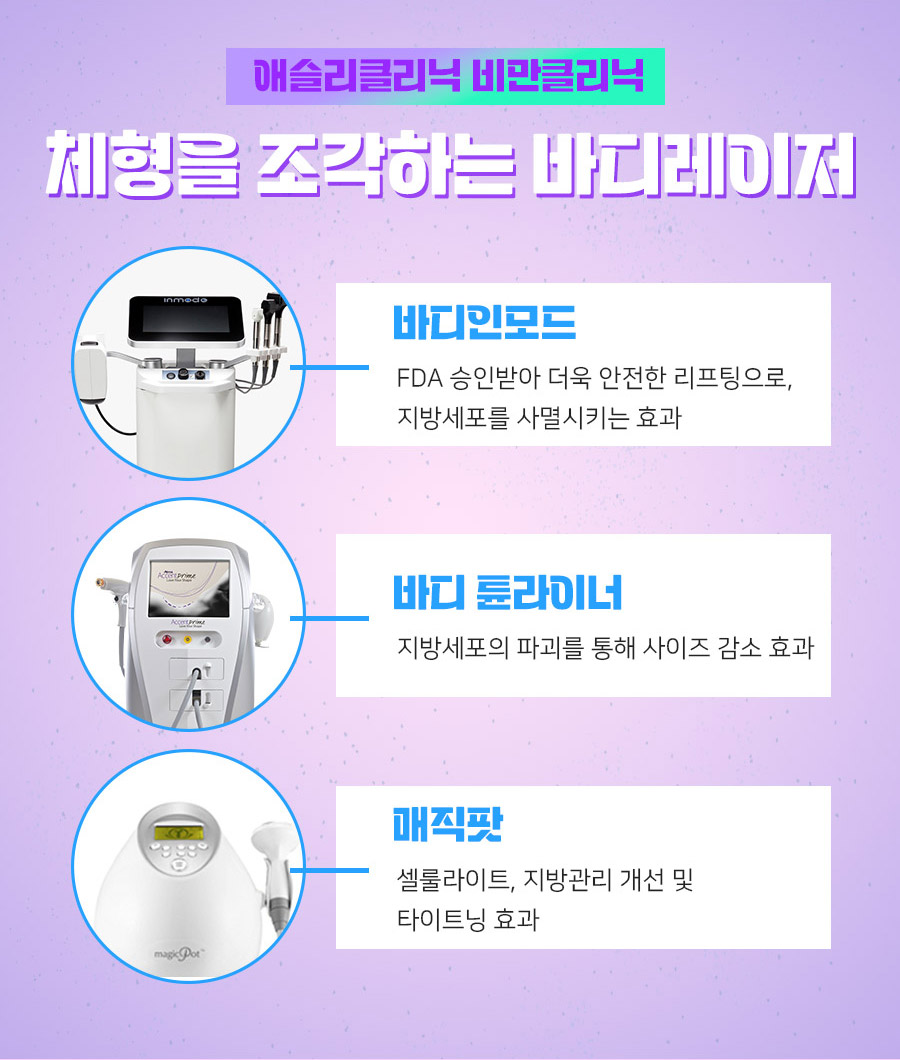
Energy‑based devices such as radiofrequency and HIFU are used to tighten the dermis. Radiofrequency devices deliver controlled heat into the deeper layers of the skin to stimulate collagen production. Over time, this can improve firmness and make pores appear smaller because the surrounding tissue becomes more elastic.
HIFU (high‑intensity focused ultrasound) devices target deeper skin layers to lift and tighten. While HIFU is often known for facial contouring, it can also indirectly reduce the appearance of pores by improving overall skin tension, particularly in the cheek area.
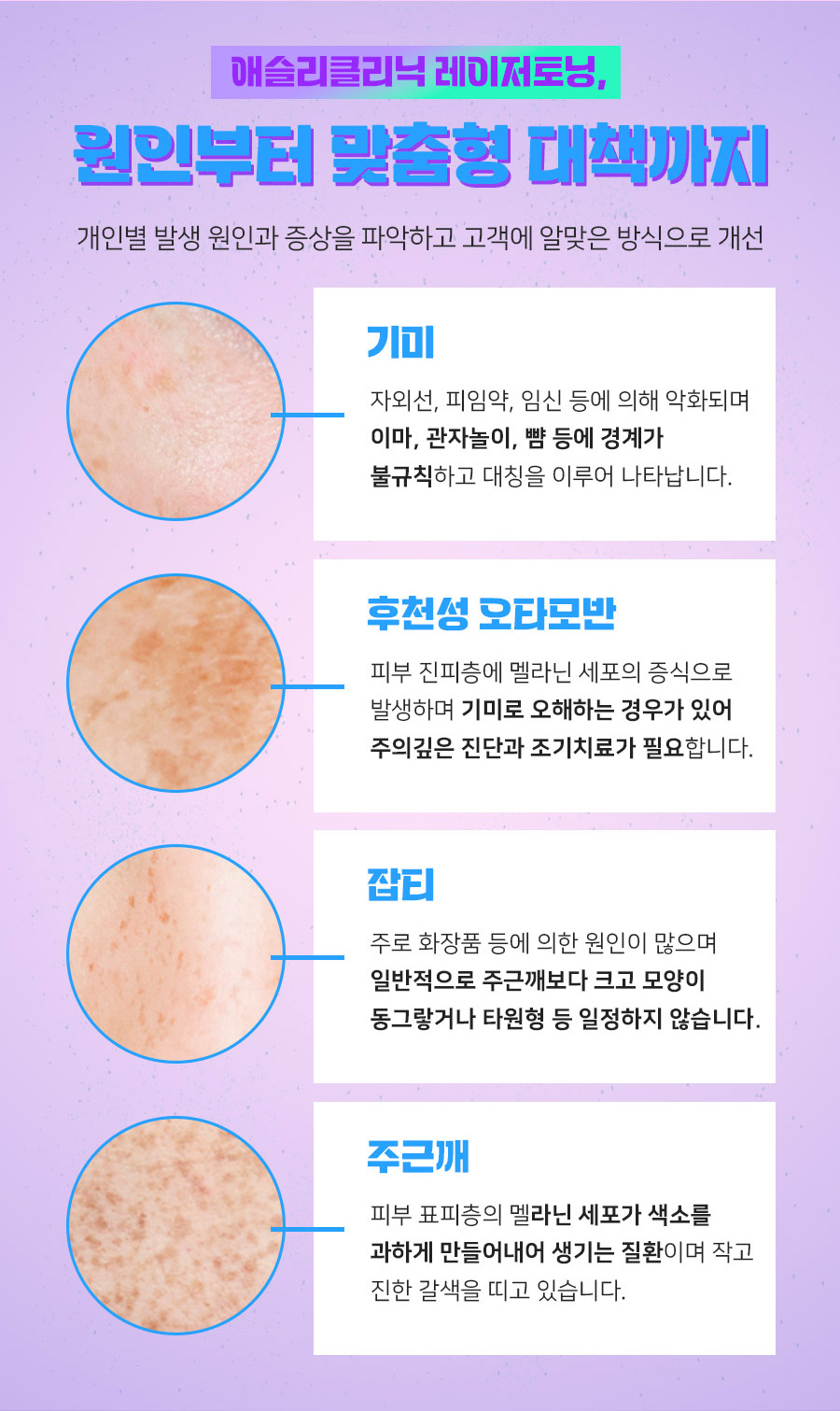
Laser toning and pigment care are used for post‑inflammatory marks and uneven tone around pores. These gentle lasers are not direct pore size reducers, but they help fade brown or red spots left by acne and sun exposure. When the color is more even and redness is reduced, pores look less obvious.
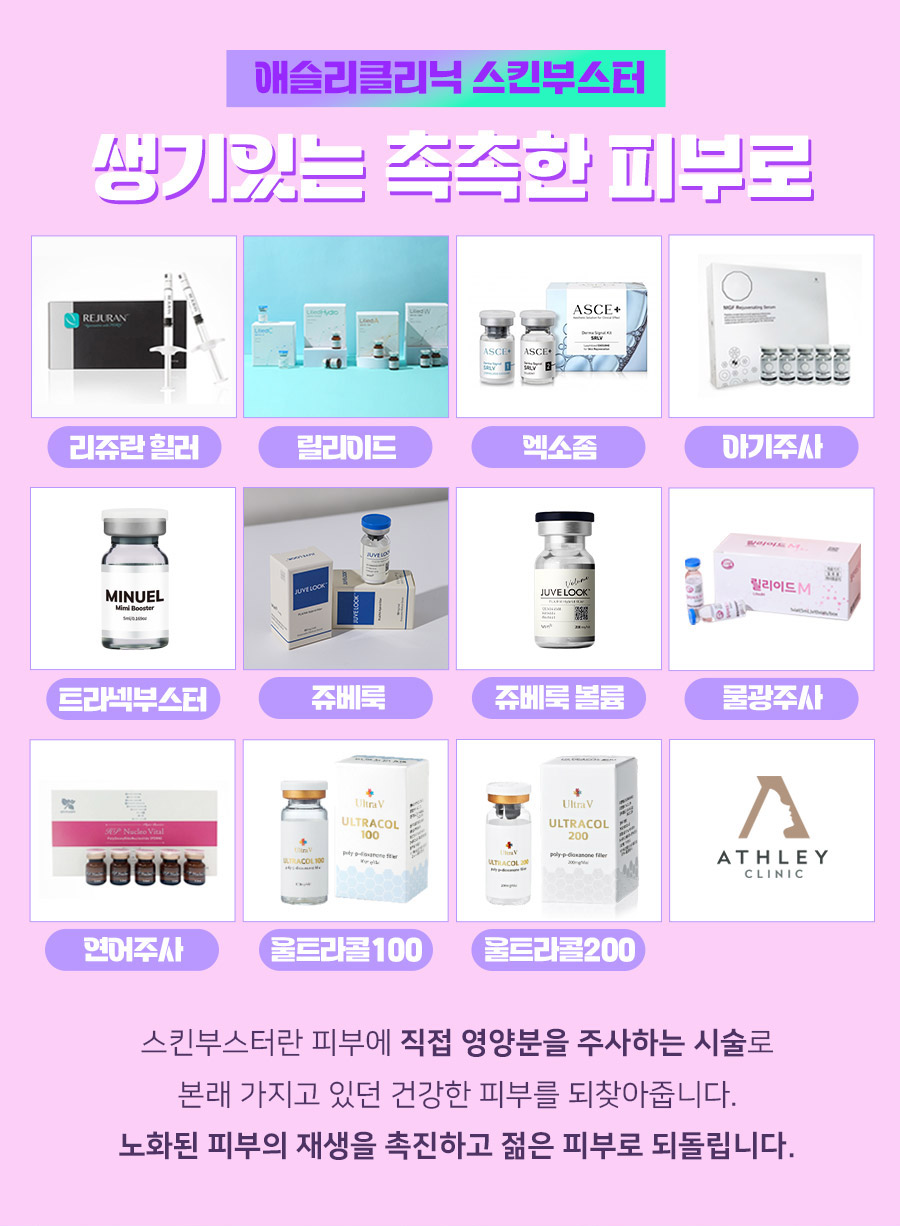
Skin boosters and collagen‑stimulating injectables—such as polynucleotide‑based products and other biostimulatory fillers—are administered into the dermis to improve skin quality from within by increasing hydration, dermal thickness, and collagen production. These effects can help refine texture, soften shallow acne scars, and support the structure around pores. Product selection and treatment plans are individualized by licensed practitioners; confirm which specific products are appropriate, available, and approved in your area before treatment.
Hydrating skin boosters can improve glow and plumpness, which reduces the shadow effect around pores. Collagen stimulators are often chosen for patients with both enlarged pores and mild acne scarring, as they can gradually smooth the surface.

Acne and scar management is important to prevent further pore enlargement. If you still have active breakouts, a plan may include acne‑focused lasers, peels, or medications. For existing scars, treatments such as fractional lasers, microneedling with energy, or combined skin boosters can be used to target specific areas.
Topical and home‑care guidance supports clinic treatments. Retinoid creams, non‑comedogenic moisturizers, gentle cleansers, and daily sunscreen help maintain results. Retinoids can help regulate cell turnover and sebum, but they need to be used correctly to avoid irritation, especially if you are also having procedures.

Customized pore care approach at a Jamsil clinic
In the Jamsil area, some clinics offer treatment plans that emphasize patient involvement in home care between visits—examples include prescribed skincare routines and follow‑up protocols—which can be helpful for overseas visitors who have specific concerns and limited time.
The stepwise process usually starts with a consultation and skin analysis. The physician reviews your history, current skincare, and main complaints such as oiliness, scars, laxity, or redness. Simple imaging tools may be used to look at pores, pigmentation, and texture more closely.
During one‑to‑one consultation, you can prioritize problem areas. For example, you may focus on T‑zone pores, cheek acne scars, or overall dullness. Together with the doctor, you can build a plan that fits your schedule in Korea, your pain tolerance, and how much downtime you can accept.
Different tools are combined according to your needs. A typical plan for enlarged pores might pair radiofrequency tightening for overall firmness, a polynucleotide skin booster for texture, and pigment laser toning for marks. If you still have active acne, the first stage might focus on calming inflammation before moving to scar and pore treatments.
Product brands and devices are usually chosen based on your skin condition and target areas, rather than a single fixed package. For example, a patient with thin, sensitive skin may receive gentler settings and more hydrating boosters, while someone with thicker, oily skin and scars may benefit from stronger collagen stimulators and energy devices.

Pain control and comfort during pore treatments
Many pore and texture procedures involve needles or heat‑based energy, which can cause discomfort. For overseas patients, pain control is especially important because you are in an unfamiliar environment.
In Jamsil, some clinics may provide sedation or other pain‑control options under strict medical supervision where permitted by law. If you are considering a procedure that could require sedation, ask the clinic in advance about staff qualifications, monitoring protocols, and legal compliance; availability and approaches vary by facility.
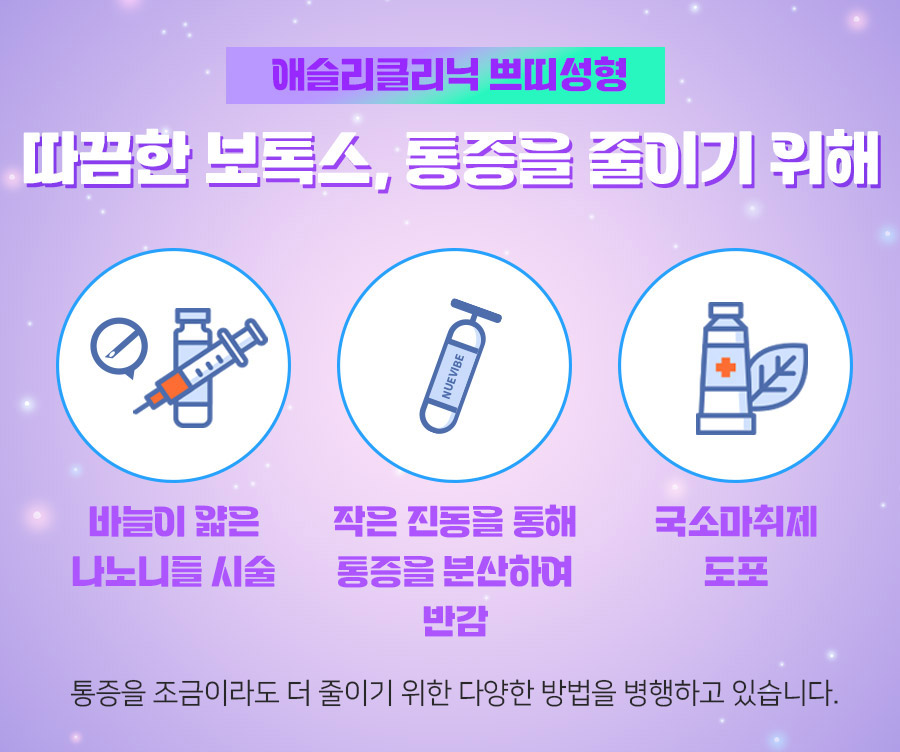
Common options include topical anesthesia cream, which is applied before laser or injection procedures, and local anesthesia injections for more sensitive areas. For patients who are very anxious or have low pain tolerance, painless sleep sedation can sometimes be offered when appropriate. Under this type of sedation, you are monitored while lightly asleep so that you do not feel most of the procedure.
Having a dedicated pain management line within the clinic can contribute to safer and more comfortable sessions. Before your visit, you can discuss your pain concerns during online consultation so that the team can prepare the right approach and explain what to expect.
Who may consider Jamsil pore treatment
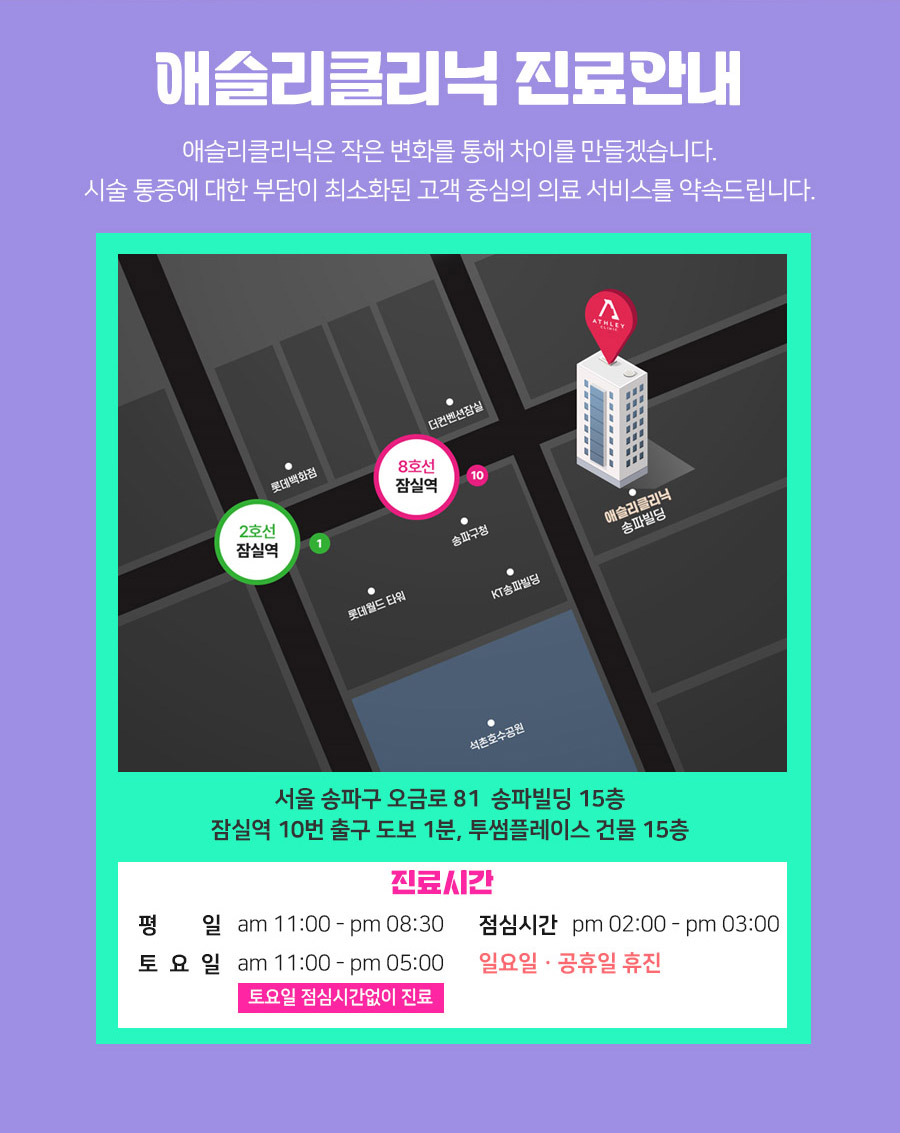
Overseas visitors who stay in or near Songpa‑gu often choose Jamsil because it is a convenient transport hub with many hotels, shopping centers, and restaurants. Clinics located near Jamsil Station (for example, around Exit 10) are generally easy to reach between other activities; confirm exact location and opening hours with the clinic when booking.
Office workers who come to Korea for business and stay near Jamsil may use evening hours to receive care.
You may consider pore treatment in Jamsil if you have long‑standing visible pores on the nose and cheeks, especially with acne scars or persistent marks, or if you have noticed new pore enlargement and roughness with age. People who have tried only home care or cosmetics and now want a more medical, structured approach are common candidates.
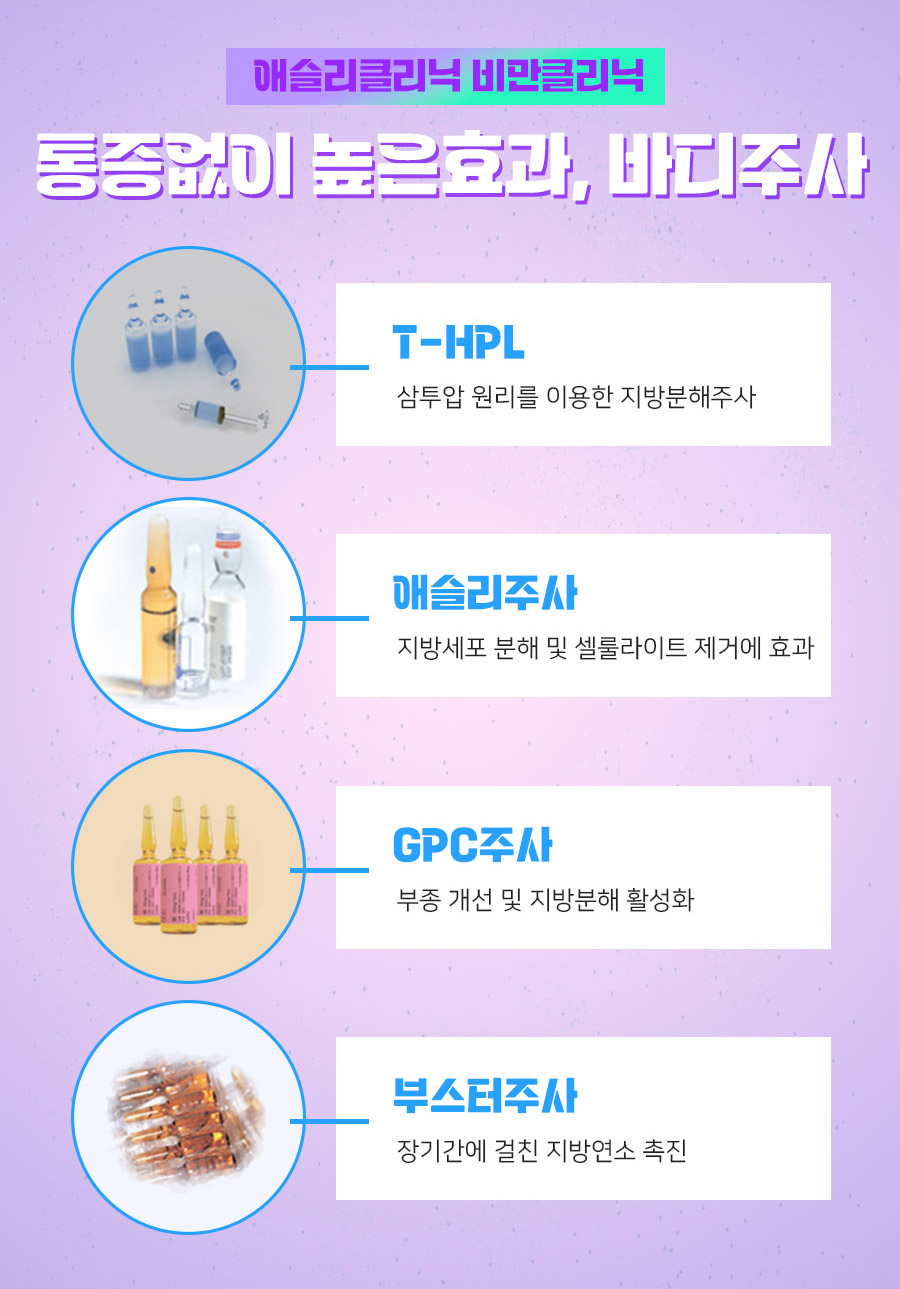
If you are planning multiple aesthetic procedures, This may be useful if you also suffer from neck, shoulder, or back discomfort from office work or travel.
Online consultation and pre‑visit preparation
For overseas patients, online consultation before your trip is very helpful. You can usually contact the clinic through email, messaging apps, or online forms.
Before contacting the clinic, prepare clear photos of your face in natural light, without heavy makeup or filters. Front and side views, plus close‑ups of the nose and cheeks where pores are most visible, help the doctor understand your condition.
It is useful to share your medical history, including any allergies, current medications, past procedures, and known skin sensitivities. Mention if you have a history of keloid scarring, easy bruising, or pigment changes after inflammation.

Also list the skincare products you are currently using, especially any acids, retinoids, or whitening ingredients. This allows the clinic to advise whether you should stop certain products before treatment to reduce irritation.
During online consultation, ask practical questions such as how many sessions might be realistic during your stay, what level of downtime to expect, and whether painless sleep sedation is an option for your chosen procedures. You can also discuss your schedule, for example, whether you will have important meetings or photos during your trip.
Expected Korea visit timeline for pore care
The ideal timeline depends on how long you will stay in Korea.
For a short stay of three to five days, you may focus on low‑downtime treatments such as gentle laser toning, light radiofrequency, and hydrating skin boosters. In this case, you could have a consultation and first treatment on day one, a check or second light session on day three or four if appropriate, and then return home.
For a longer stay of one to two weeks, you may be able to include slightly stronger texture procedures or combined programs. A typical schedule might be consultation and main treatment early in your stay, followed by one or two follow‑up sessions for additional care or calming.
If you plan to return to Korea regularly, the clinic can design a longer‑term program where you receive certain procedures during each visit and maintain results at home between trips.
Most pore and texture treatments are outpatient, so you can leave the clinic after a short observation period. You should plan some quiet time after procedures that involve needles or stronger energy, as you may have redness or mild swelling.
Aftercare and recovery
Aftercare is crucial for both safety and results.
Immediately after treatment, you may experience redness, warmth, pinpoint marks, or mild swelling. These usually improve over several hours to a few days, depending on the procedure. The clinic will provide specific instructions, but common advice includes gentle cleansing, moisturizing, and strict sun protection.
You will usually be asked to avoid hot baths, saunas, intense exercise, and alcohol for a short period, because heat and increased blood flow can worsen swelling or redness. You may also be asked to avoid makeup for a day or more after certain procedures.
Do not pick, scrub, or peel any flaking skin. Let it shed naturally. Using a mild, fragrance‑free cleanser and a non‑comedogenic moisturizer helps maintain the skin barrier. Daily broad‑spectrum sunscreen is essential, especially after lasers or injections, to reduce the risk of pigmentation changes.
If you are prescribed topical products such as retinoids or pigment creams, follow the instructions carefully. Some products should be paused for a few days after procedures and then restarted gradually.
For overseas patients, it is important to know how to contact the clinic after you return home in case of questions or unexpected reactions. Ask for an email or messaging contact for follow‑up photos and advice.
Frequently asked questions about Jamsil enlarged pore treatment
How many sessions do I need to see improvement in enlarged pores
Most people need multiple sessions to see noticeable changes in pore visibility and texture. The exact number depends on your skin type, severity of pores and scars, and the combination of procedures used. During consultation, the doctor can estimate a realistic plan based on your schedule and goals.
Is there a lot of downtime after non‑surgical pore treatments
Downtime varies by procedure. Gentle laser toning and light radiofrequency usually cause mild redness that settles within hours to a day. Stronger texture treatments, fractional lasers, or intensive skin boosters may lead to redness, small marks, or dryness for several days. Most overseas patients can continue sightseeing or business with basic precautions such as sunscreen and gentle skincare, but you should avoid planning important events immediately after stronger sessions.

Can I combine pore treatment with other aesthetic procedures during my trip
In many cases, yes. Pore and texture care can be combined with other facial aesthetic treatments, as long as the overall plan is safe and your skin can tolerate it. For example, you might combine pore care with tone‑up laser toning, anti‑aging programs for fine lines, or body pain management if the clinic offers it. However, not all procedures can be done on the same day, and some combinations require careful timing, so it is important to discuss your full wish list in advance.
Is treatment for enlarged pores in Jamsil suitable for all skin types
Most non‑surgical pore treatments can be adapted for different skin types, but settings and product choices need to be adjusted. People with darker skin tones or a history of hyperpigmentation may need more cautious laser and energy settings. Very sensitive or thin skin may require gentler approaches and more focus on barrier repair. An in‑person evaluation is necessary to decide which methods are appropriate and safe for you.
Soft call to action for online consultation
If you are planning a trip to Seoul and are concerned about enlarged pores, acne scars, or rough texture, you can consider arranging an online consultation with a skin and aesthetic clinic near Jamsil Station. By sharing photos and your schedule in advance, the medical team can suggest a realistic, non‑surgical plan that fits your visit, pain tolerance, and lifestyle.
Use your pre‑visit consultation to ask detailed questions about devices, expected sessions, downtime, and aftercare, rather than focusing only on cost. This helps you arrive in Korea with clear expectations and a structured plan for smoother, more refined skin texture.

Medical information disclaimer
This article is for general information only and is not a substitute for professional medical advice, diagnosis, or treatment. All aesthetic and medical procedures carry potential risks, including redness, swelling, bruising, infection, pigmentation changes, or other complications. Suitability for any treatment and the exact treatment plan can only be determined after an in‑person consultation and examination by a qualified physician. Results vary between individuals depending on skin type, severity of pores and scars, overall health, and adherence to aftercare instructions.



댓글
댓글 쓰기