Bangyi Station pore treatment options and visit guide for overseas patients
- 공유 링크 만들기
- X
- 이메일
- 기타 앱

Direct answer summary
Common approaches include energy-based devices, skin boosters, and medical treatments for excess sebum or acne-related texture. Treatments aim to reduce the appearance of enlarged pores and smooth rough texture; they generally cannot eliminate the anatomical pore openings. For example, oily skin with wide pores is often managed first by sebum control and resurfacing, while pores related to acne scarring may need longer, combined resurfacing and collagen-stimulating strategies.
This guide is written for international patients considering a visit to Korea, especially those who plan to stay near Jamsil or Bangyi Station and want to understand what pore treatment involves, how long it takes, and how to prepare.

What pore concerns around Bangyi Station usually mean
When people search for pore treatment near Bangyi Station, they are usually worried about one or more of these issues:
Enlarged oily pores
These are most common on the nose, cheeks, and T-zone. The pores look wide and often come with blackheads, whiteheads, and shine. Oily or combination skin types and younger adults often notice this type.
Aging and elasticity-related pores
With age, collagen and elastin in the skin decrease. Pores that were once small can look stretched or oval-shaped, especially on the cheeks. Fine wrinkles and mild sagging often appear together with these pores.

Acne-scar-related pores
Past acne can leave pitted or depressed marks that make the pore area look uneven and rough. These are sometimes called ice-pick or boxcar type scars. They are not simple enlarged pores, but shallow scars that require more intensive and repeated treatment.
Main causes of enlarged pores and rough texture
Understanding why pores look large helps set realistic expectations for treatment.
Genetics and skin type
Some people naturally have more active sebaceous glands and thicker, oilier skin. If parents or siblings have visible pores, you may also be prone to them. Treatments can improve appearance, but your basic skin type remains the same.

Hormones, cleansing, and makeup habits
Hormonal changes, stress, and certain medications can increase oil production. Incomplete cleansing, heavy or comedogenic makeup, and sleeping with makeup on can clog pores, leading to blackheads and enlarged openings over time.
UV damage and aging
Ultraviolet radiation breaks down collagen and elastin. Over years, this weakens the support around the pore walls, so pores appear larger and the skin surface looks less smooth. Even if you control oil, sun damage can still make pores more noticeable.
Squeezing and home extraction
Aggressive squeezing of blackheads, using sharp tools at home, or frequent picking can injure the pore opening and surrounding tissue. This may cause inflammation, scarring, and wider, irregular pores that are harder to treat.
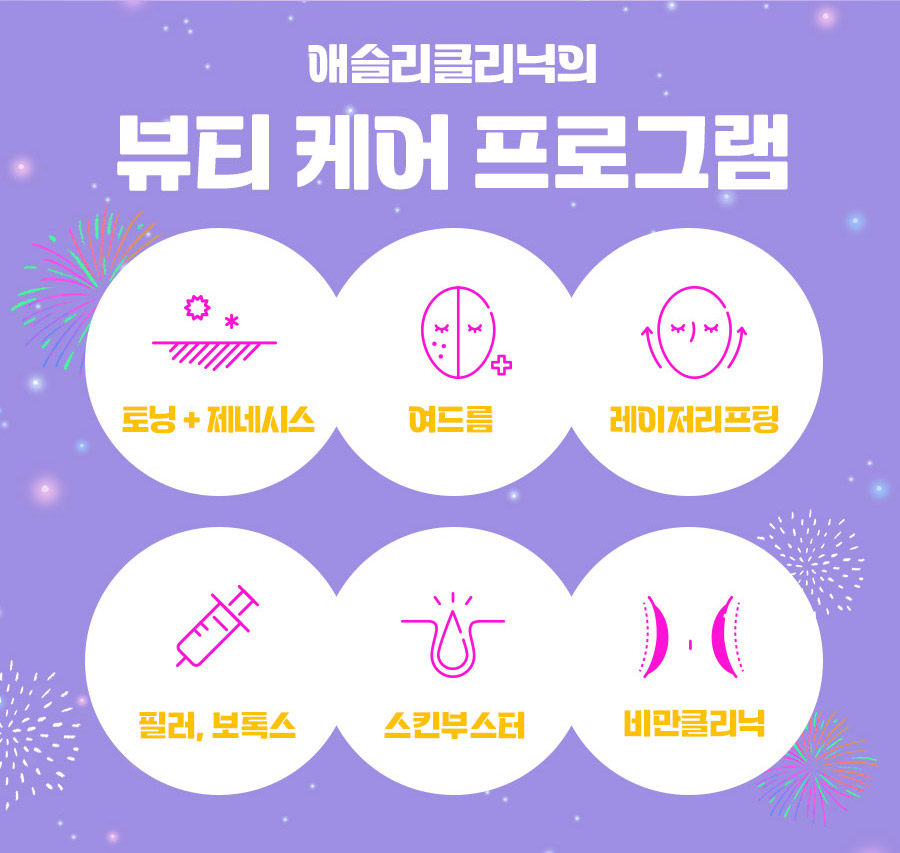
How a clinic near Bangyi Station may evaluate your pores
At a cosmetic and pain-care clinic in the Jamsil and Bangyi Station area, the first visit usually starts with a structured evaluation. For international patients, this may be partly done through online photos and then confirmed in person.
Skin type assessment
The doctor or staff will look at how oily or dry your skin is, whether you have sensitive or easily irritated skin, and whether there are signs of dehydration. This helps decide the strength of devices, type of peel, and suitable home care.
Active acne and inflammation
If you currently have many red, inflamed pimples or cystic acne, the priority may be to calm inflammation and control breakouts first. Strong energy-based procedures might be delayed or adjusted to avoid worsening active lesions.

Pore depth and pattern
The clinic will check whether your pores are mostly flat and wide, or if there are depressed, scar-like areas. Shallow, uniform pores may respond faster to toning and tightening devices, while acne-scar-related pores usually need fractional treatments and collagen-stimulating injectables.
Elasticity and fine wrinkles
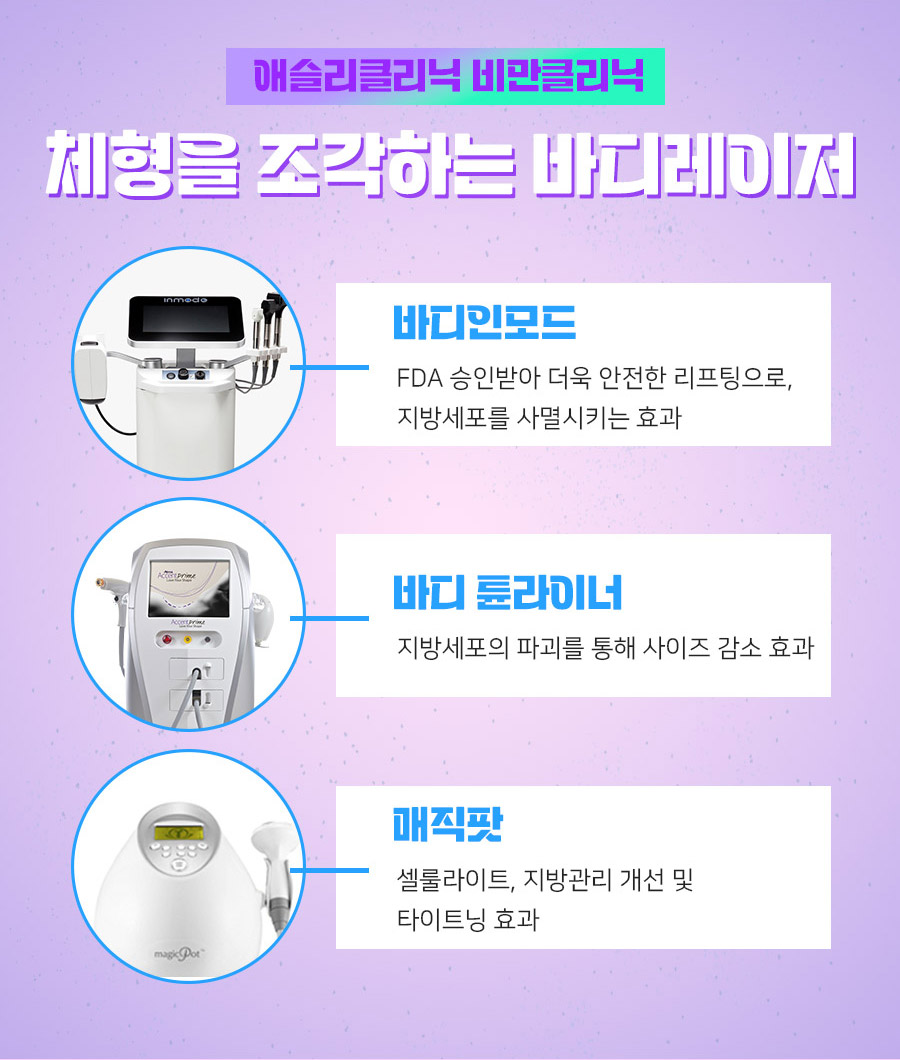
The overall firmness of your cheeks and jawline influences the choice of treatment. If there is mild sagging, high-frequency or ultrasound-based tightening may be recommended together with pore-focused care, because tightening the skin can make pores look smaller.
Energy-based treatments for pores and texture
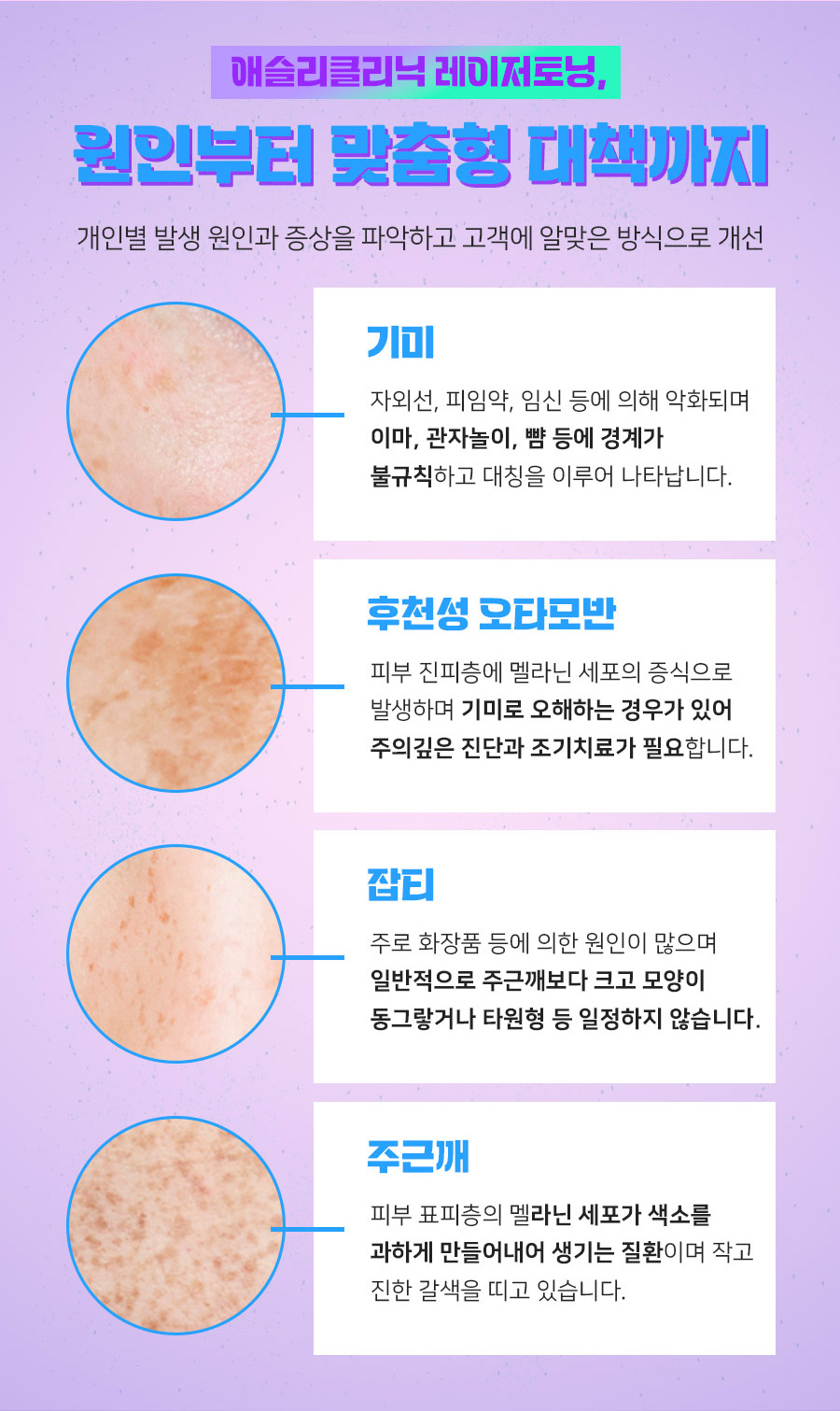
Laser toning and fractional laser concepts
Laser toning uses low to medium energy to even out skin tone, reduce mild pigmentation, and gently stimulate collagen over multiple sessions. It can help refine texture and slightly tighten pores with minimal downtime.
Fractional laser concepts create tiny, controlled micro-injuries in a grid pattern on the skin. This triggers a healing response and new collagen formation. Over several sessions, this can improve shallow acne scars, rough texture, and irregular pores. You may experience a few days of redness, mild swelling, and a sandpaper-like feel.
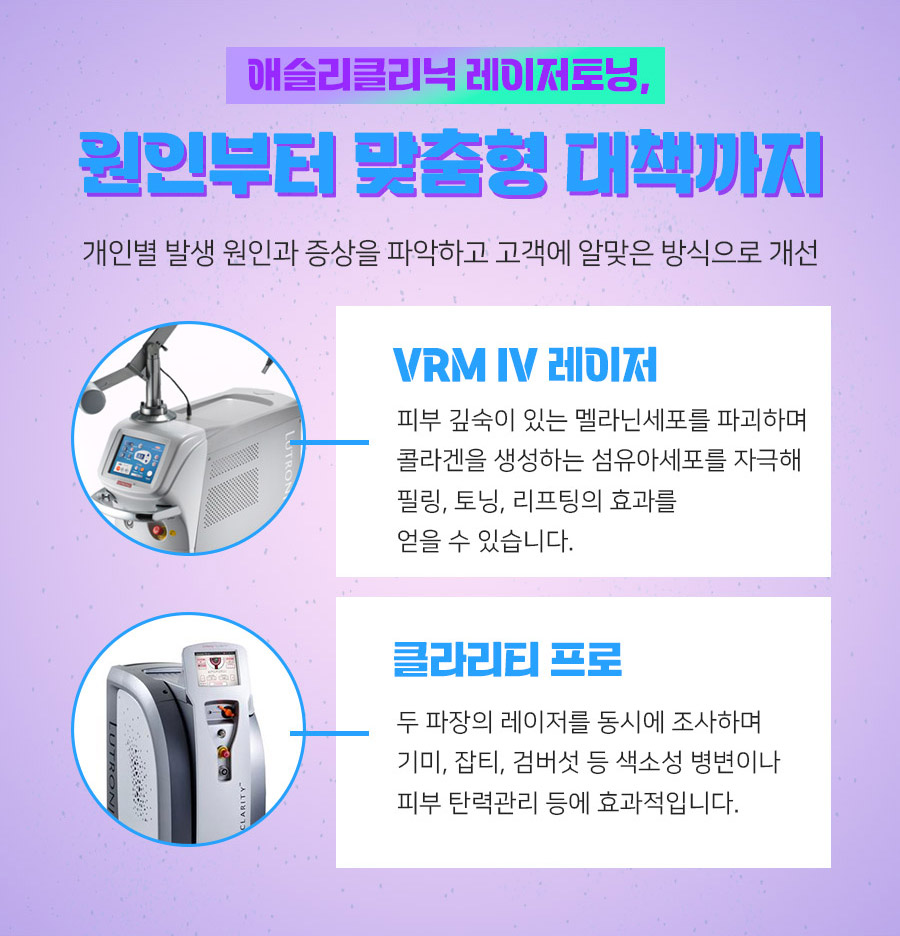
High-frequency and ultrasound-based tightening
High-frequency and ultrasound-based devices deliver heat into the deeper layers of the skin to contract collagen and stimulate new collagen production. While they are often used for lifting and tightening, they can also improve the appearance of pores by firming the surrounding tissue.
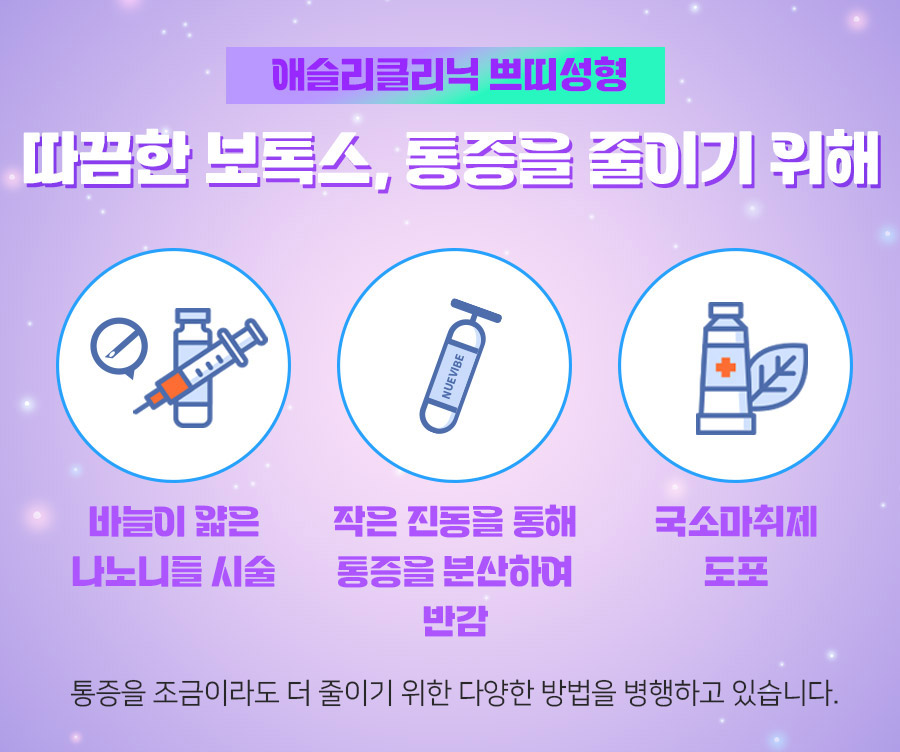
These procedures usually have short downtime, with temporary redness or mild swelling. Some people feel warmth or tingling during treatment. For patients who are sensitive to pain, a clinic with a pain-care background may offer options such as topical anesthetic cream or painless sedation anesthesia, depending on the procedure.
Skin boosters and collagen stimulators for pore-related concerns
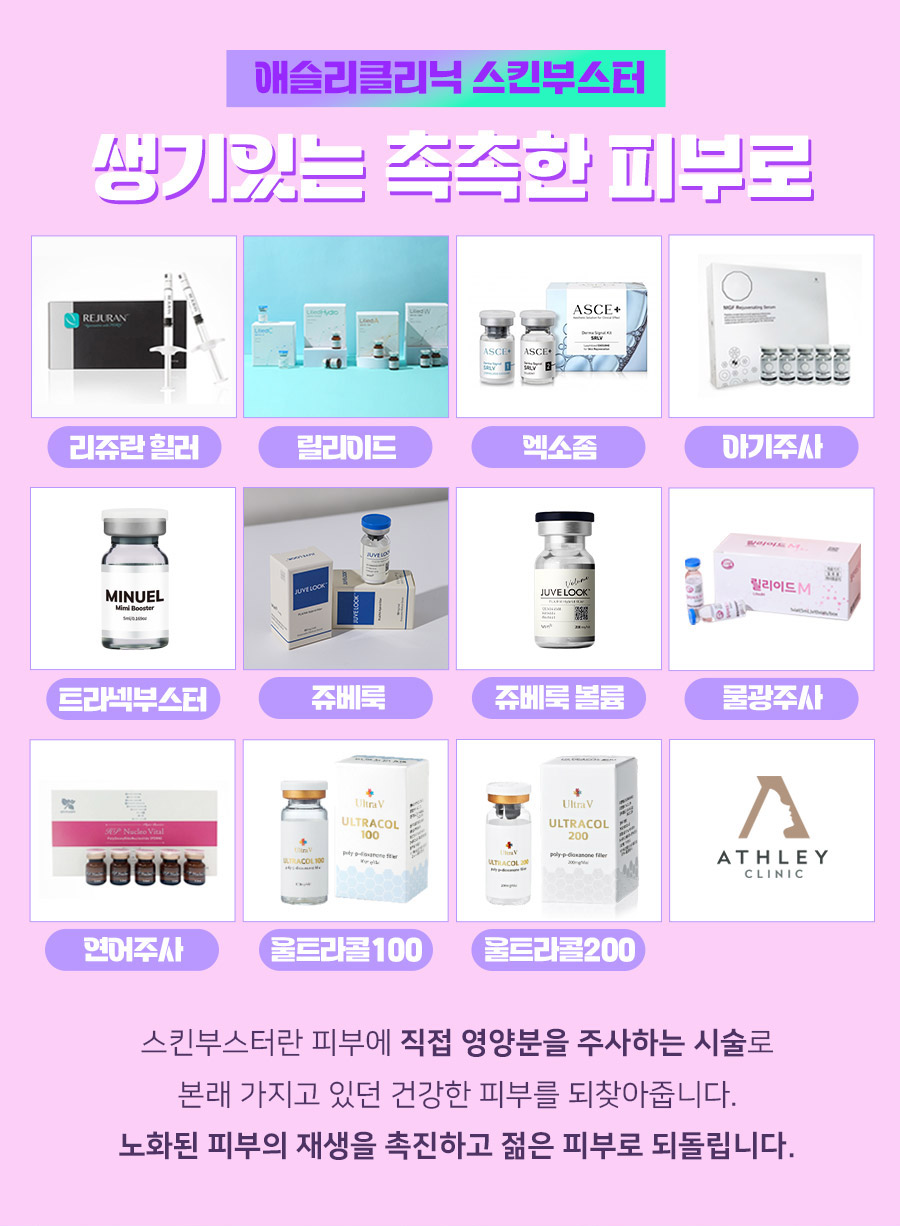
Skin boosters and collagen-stimulating injectables are often used to complement device treatments, especially for aging-related pores and acne-scarred areas.

Regenerative injectables
These products are injected in small amounts into the superficial or mid-dermis to improve hydration, elasticity, and fine texture. Over time, they can make the skin surface smoother and more supple, so pores look less obvious.
Collagen stimulators
Some injectables are designed to stimulate your own collagen production over months. They can be placed in areas with pitted scars or general loss of firmness. Combined with fractional laser concepts, they may gradually improve acne-scar-related pores.
Clinics in the Jamsil and Bangyi Station area often stock a range of fillers, skin boosters, and collagen stimulators. This allows the doctor to choose products based on the specific area, such as nose, central cheeks, or acne-scarred zones, and on your skin thickness and sensitivity.

Acne and sebum control around the pores
For many patients, visible pores are closely linked with oiliness and blackheads. Managing sebum and acne is an important part of any pore program.
Medical facials and chemical peels
Gentle medical facials and light chemical peels can help remove dead skin cells, loosen blackheads, and reduce congestion in the pores. Ingredients such as salicylic acid or lactic acid are commonly used in low concentrations to minimize irritation.
Mild resurfacing treatments
Some clinics use mild resurfacing devices or low-energy lasers to smooth the uppermost skin layer. These can be combined with peels or facials for gradual improvement in roughness and shine.
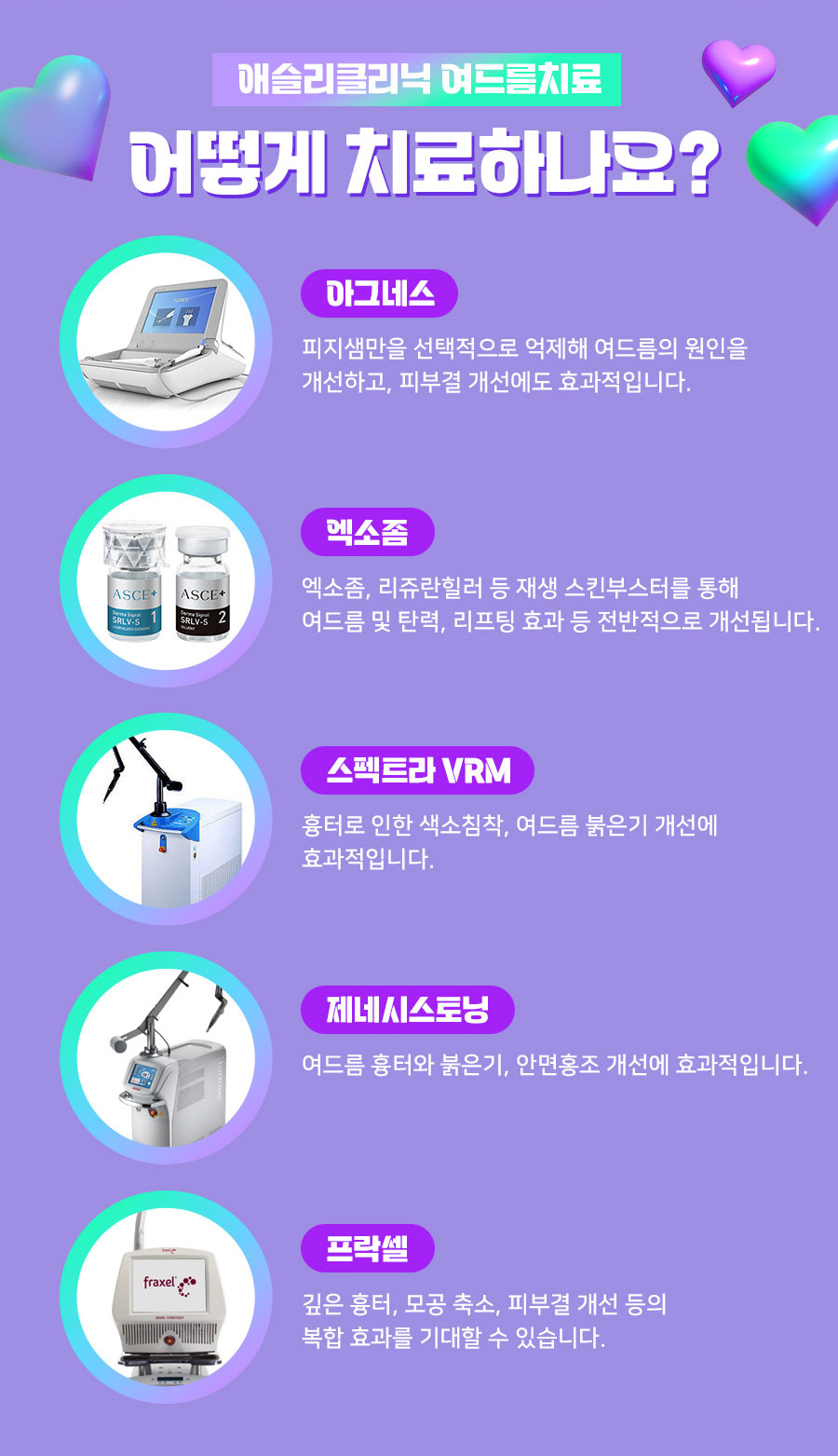
Topical and oral medication
If you have active acne, the doctor may prescribe topical creams, gels, or, in some cases, oral medication. Controlling inflammation and new breakouts is essential for long-term pore improvement and to prevent new acne-scar-related pores.
Home care guidance for better pore control
Even with advanced treatments, daily home care strongly influences your results.
Gentle cleansing
Use a mild cleanser twice a day. Over-washing or using harsh scrubs can damage the skin barrier and lead to more oil production or sensitivity. Double cleansing at night can be helpful if you wear sunscreen and makeup, but both steps should be gentle.

Non-comedogenic products
Choose moisturizers, sunscreens, and makeup labeled as non-comedogenic or suitable for oily or combination skin. Heavy, occlusive products can clog pores and worsen blackheads.
Regular sunscreen
Daily sunscreen is essential to protect collagen and prevent further enlargement of pores due to UV damage. Choose a texture that suits your skin type so you can apply it consistently.
Avoid aggressive squeezing
Resist the urge to squeeze blackheads or use sharp extraction tools at home. If needed, professional extraction during a medical facial is safer. At home, focus on consistent cleansing, exfoliation as advised, and prescribed products.
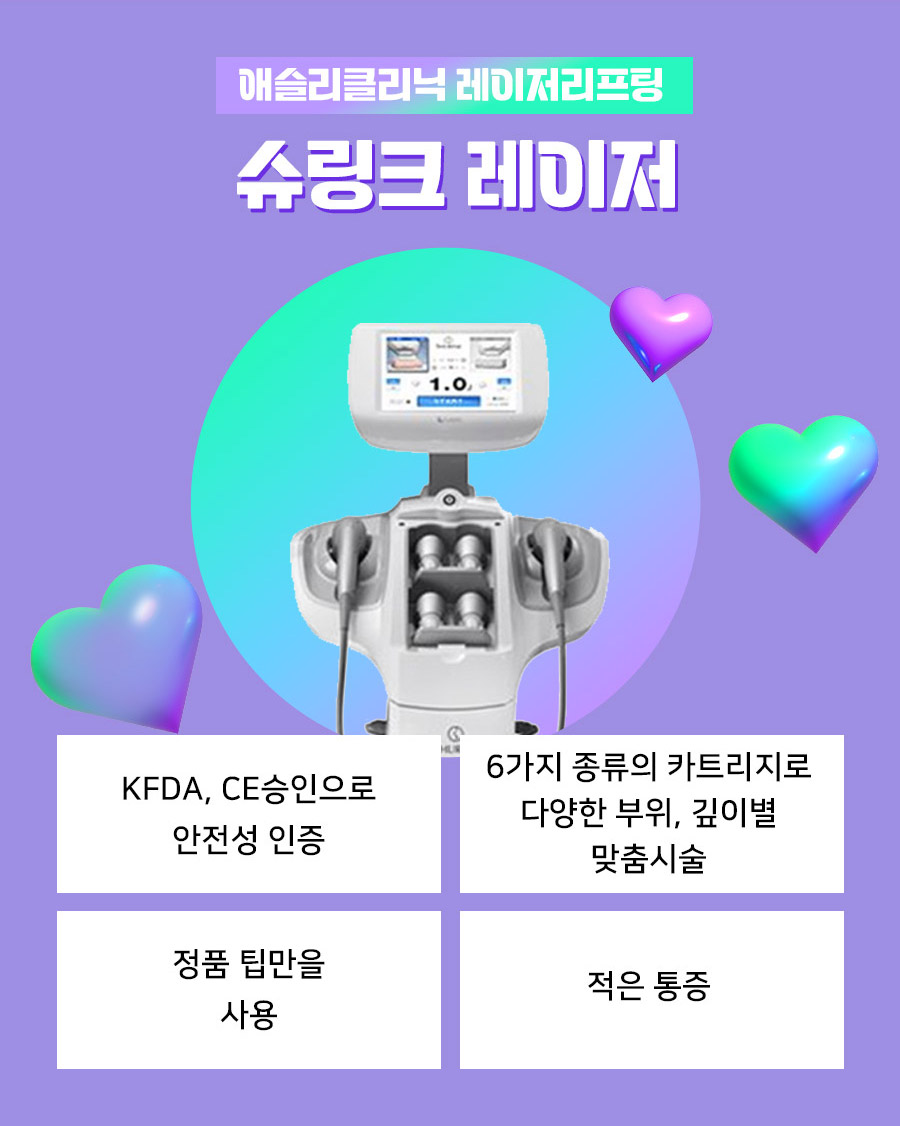
A pain-conscious cosmetic and pain-care clinic near Bangyi Station
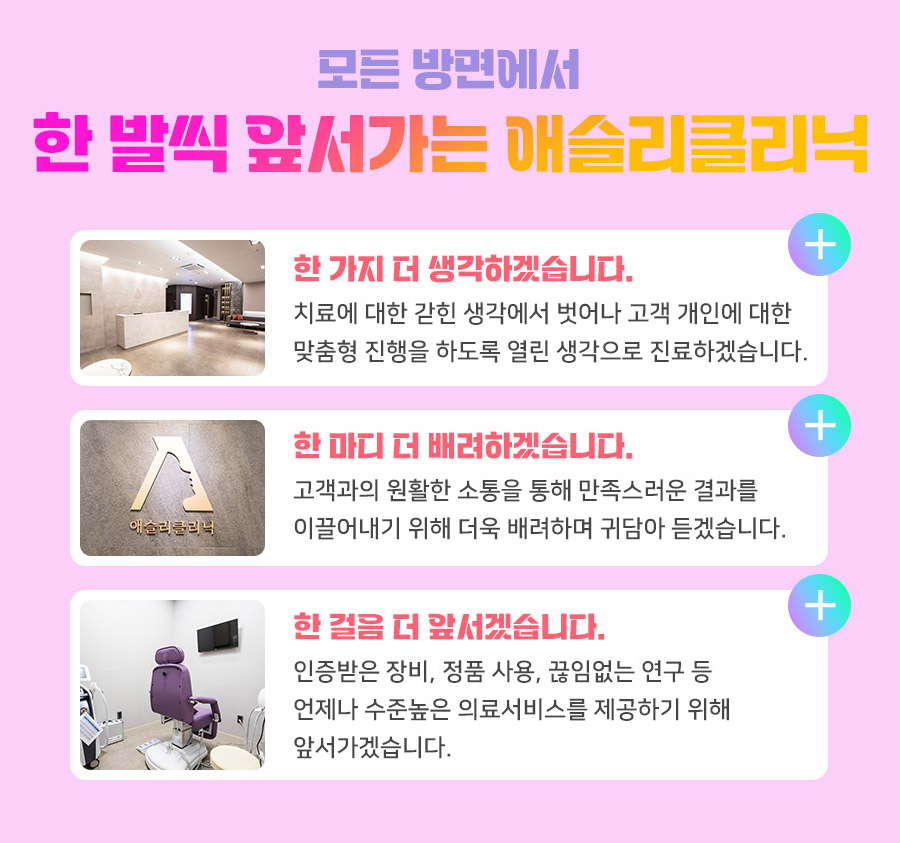
In the Jamsil and Bangyi Station area, there are clinics that combine cosmetic services with pain-care expertise. For international patients who are anxious about pain from lasers, injections, or skin boosters, this can be reassuring.
Pain-conscious approach
Ask the clinic to confirm which options they provide, who will supervise them, and how consent and safety monitoring are handled.
Custom DIY-style programs
Instead of fixed packages, some clinics offer one-to-one consultations to design a personalized plan. For example, you might focus on nose and cheek pores with a fractional device, add a regenerative skin booster for acne-scarred zones, and schedule periodic medical facials for sebum control.
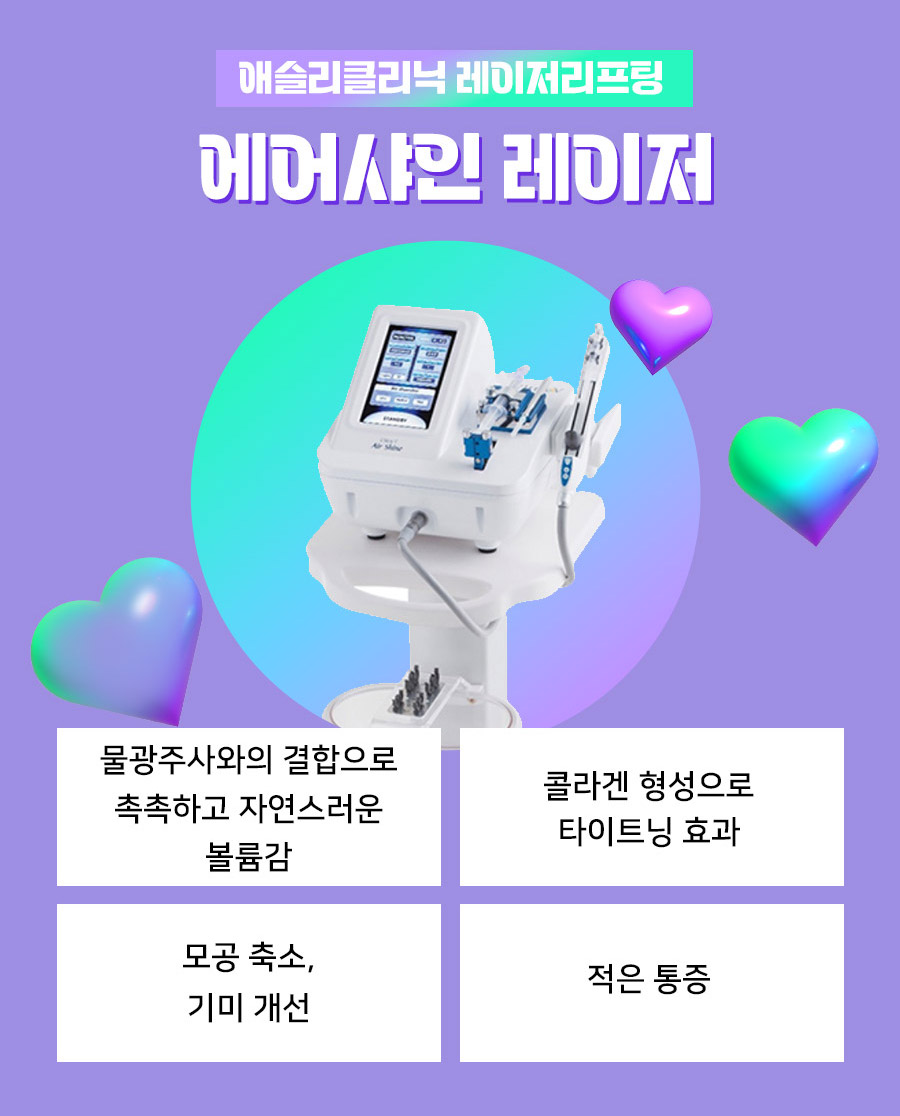
This flexible, DIY-style approach allows you to prioritize areas and choose the intensity of care according to your schedule, budget, and tolerance for downtime.
Accessibility for office workers and overseas visitors
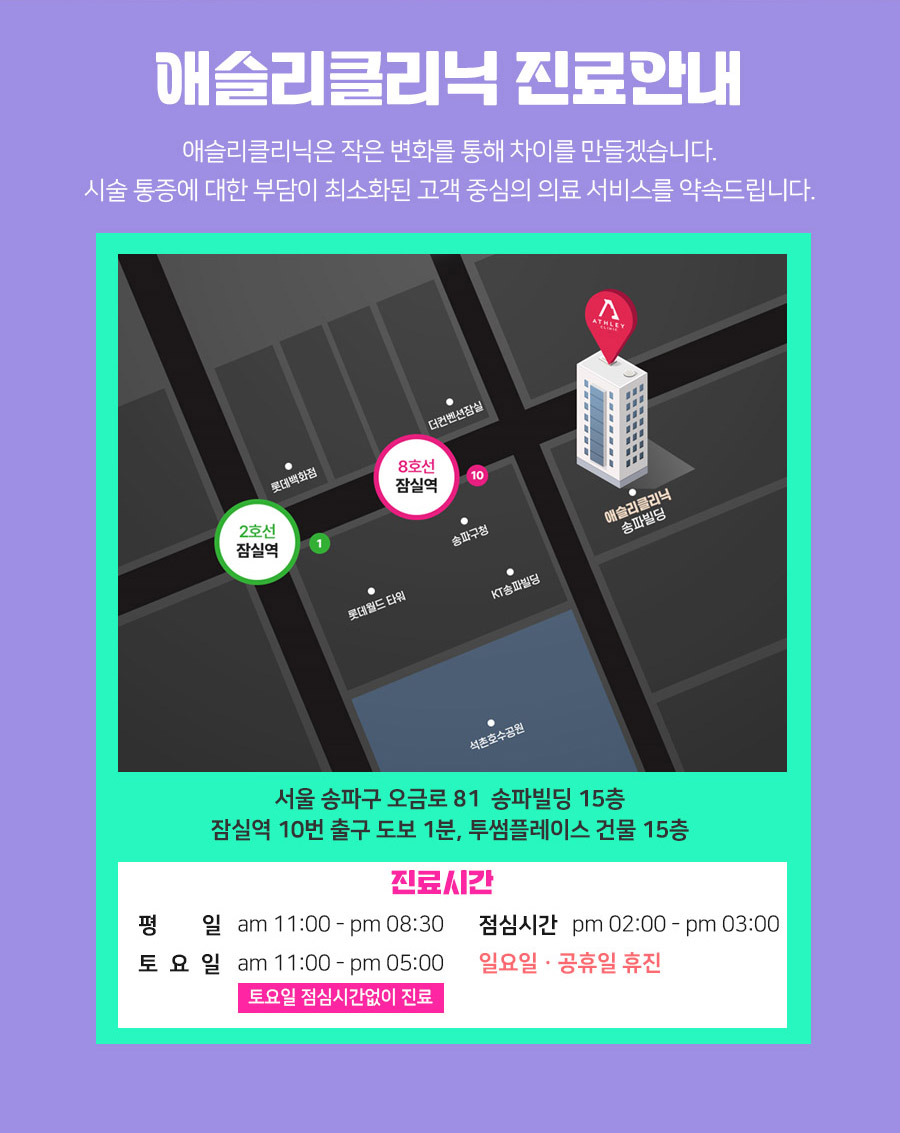
The Jamsil and Bangyi Station area is well connected by public transport. Some clinics offer extended weekday hours to accommodate office workers and visitors, but hours vary—confirm clinic schedules when booking or during an online consultation.
If you are staying in a nearby hotel or serviced residence, you can often reach the clinic on foot or with a short subway ride, which is convenient for multiple-session pore programs.
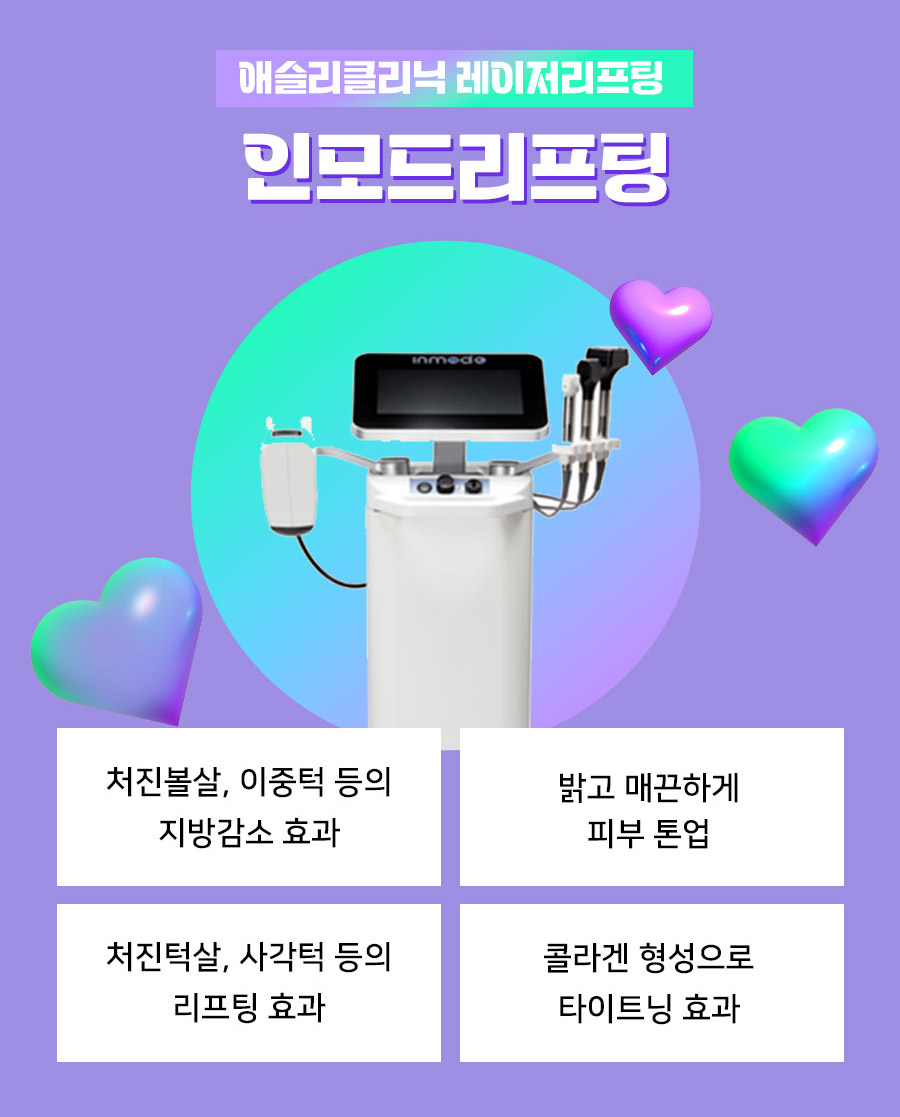
Typical process for a pore-focused visit in Korea
For overseas patients, the process usually includes an online stage and an in-person stage.
Initial online consultation
Before you travel, many clinics can review photos or short videos of your skin. You may be asked about your medical history, current medications, allergies, and previous treatments. Based on this, the clinic can suggest a rough plan and estimate the number of sessions and time needed.
In-person consultation and assessment
Once you arrive in Korea, your first visit includes a detailed skin assessment, sometimes with imaging devices that analyze pores, pigmentation, and texture. The doctor will confirm your main concerns: visible pores, scars, oiliness, or a combination.
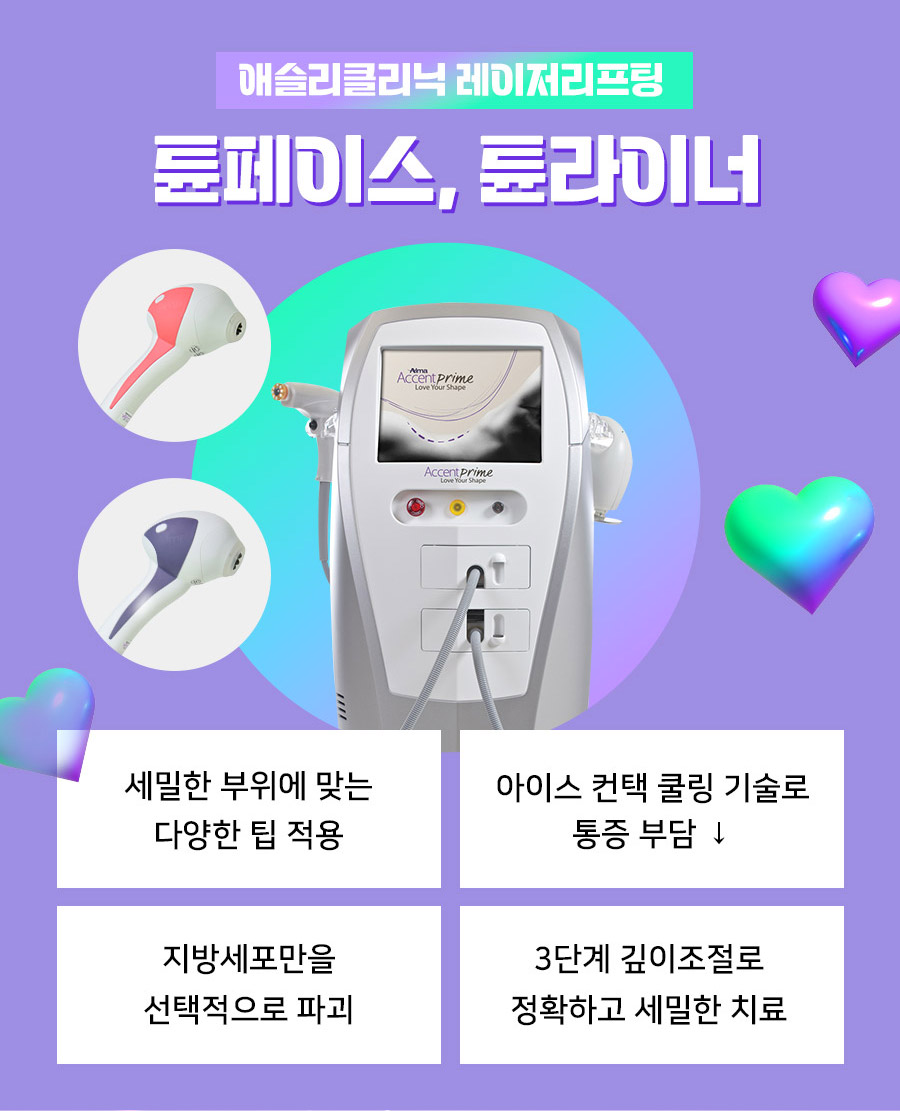
Treatment planning A stepwise plan is usually proposed. For example:
Session 1: Mild peel and low-energy laser toning to test skin response.
Sessions 2 to 4: Fractional device for pores and scars, combined with medical facial or sebum-control treatment.
Optional: One or more skin booster or collagen-stimulating sessions spaced several weeks apart.
Realistic expectations for pore treatment
It is important to understand what pore treatments can and cannot do.

Pores and treatment expectations
Pores are natural openings for hair follicles and oil glands. Treatments cannot remove the anatomical openings, but they can reduce their visible size and improve skin texture and clarity. Realistic outcomes depend on pore cause, skin type, and the chosen treatments, so results will vary by individual.
Multiple sessions for acne-scar-related pores
If your main concern is pitted, scar-like pores from old acne, improvement usually requires several sessions of fractional-type treatments and possibly collagen-stimulating injectables. Results appear gradually over months as new collagen forms.
Maintenance is often needed
Because genetics, hormones, and aging continue, maintenance treatments and consistent home care are usually needed to keep pores looking refined. Your clinic can suggest a long-term plan that fits your travel schedule.
Safety and aftercare considerations
Safety should always come first, especially when traveling for treatment.
Doctor evaluation
Make sure you are evaluated by a licensed doctor, particularly if you have active acne, very sensitive skin, a history of keloids, or systemic medical conditions. Share your full medical history and any medications or supplements you are taking.
Post-treatment instructions
After energy-based treatments or injectables, you will usually be advised to:
Avoid direct sun exposure and use broad-spectrum sunscreen.
Skip harsh scrubs, exfoliants, or strong acids for a few days.
Avoid saunas, hot baths, and intense exercise for a short period.
Keep the skin moisturized with gentle, fragrance-free products.
Following these instructions helps reduce the risk of irritation and supports better healing.
Who may consider pore treatment near Bangyi Station
International patients who may benefit include:
People with oily or combination skin and visible pores on the nose, cheeks, and T-zone who want a more refined look.
Adults noticing age-related changes such as stretched pores, mild sagging, and rough texture.
Individuals with shallow acne scars or pitted pores who are willing to commit to multiple sessions.
Busy professionals or travelers staying around Jamsil or Bangyi Station who need convenient access and evening appointments.
Patients who are sensitive to pain and prefer a clinic with experience in pain control and sedation options.
Pre-visit preparation and online consultation tips
To make the most of your time in Korea, preparation before you fly is important.
Prepare clear photos
Take high-resolution photos of your face in natural light from the front and both sides. Avoid heavy makeup. Close-up shots of the nose and cheeks can help the clinic see pore details.
List your current products and treatments
Write down all skincare products you use, including active ingredients like retinol, acids, or prescription creams. Also list any recent procedures such as peels, lasers, or injections.
Share medical history
Inform the clinic about allergies, chronic illnesses, medications, pregnancy or breastfeeding status, and any history of abnormal scarring. This helps them choose safe treatment options.
Prepare questions Before your online consultation, prepare questions such as:
- Which treatments are most suitable for my pore type?
- How many sessions do you recommend within my travel dates?
- What kind of downtime should I expect after each session?
- Are painless sedation options available for certain procedures?
- What home care should I follow between sessions?
Expected Korea visit timeline for pore treatment
The ideal timeline depends on how long you can stay.
Short stay of 3 to 5 days
You may be able to have a consultation and one or two light treatments, such as gentle laser toning, peels, or a mild skin booster. This can freshen the skin and start a program, but major changes in acne-scar-related pores are unlikely in such a short time.
Stay of 1 to 2 weeks
This allows a more complete plan, such as an initial test session followed by a stronger fractional-type treatment and possibly a skin booster. There is time for initial redness to settle before you return home.
Stay of several weeks or repeated visits
If you can stay longer or visit Korea several times a year, you can follow a structured multi-session program. This is more suitable for deeper concerns like acne-scar-related pores and significant texture issues.
Aftercare once you return home
When you leave Korea, continue the home care plan recommended by your clinic.

Use gentle, non-comedogenic products, and avoid introducing many new active ingredients at once.
Apply sunscreen daily and reapply when outdoors.
Do not schedule aggressive new procedures with another provider immediately after returning; allow your skin to stabilize.
If you notice unusual or persistent reactions, contact the clinic where you were treated and seek local medical advice if needed.
Frequently asked questions about Bangyi Station pore treatment
Are pore treatments around Bangyi Station suitable for sensitive skin?
Many clinics in the Jamsil and Bangyi Station area are experienced with different skin types, including sensitive skin. During consultation, the doctor can adjust device energy levels, choose gentler peels, and space sessions appropriately. If you have a history of strong reactions, make sure to mention this in your online consultation and first visit so the plan can be tailored.
How many sessions are usually needed before pores look less visible?
The number of sessions depends on pore type and skin condition. Some patients notice improvement after several sessions of combined treatments, while acne-scar-related pores often require more treatments spaced over months. Your doctor can provide a more specific estimate after examining your skin in person.
Is there a big difference between home care for pores and in-clinic treatments?
Home care is essential for daily control of oil, prevention of clogged pores, and protection from UV damage. However, home products cannot reach the same depth or intensity as professional devices and injectables. In-clinic treatments can remodel collagen, resurface the skin, and more effectively target acne-scar-related pores. The best results usually come from combining consistent home care with a structured in-clinic program.
Can pore treatments be done after work on weekdays, and how long does a session usually take?
Many clinics near Bangyi and Jamsil Stations offer weekday evening hours, so after-work appointments are common. Your clinic can advise you on the exact time required for your chosen combination.
What should I avoid before and after a pore laser or skin booster session?
Before treatment, you are usually advised to avoid strong exfoliants, retinoids, and tanning for several days. After treatment, you should protect your skin from the sun, avoid hot saunas and intense exercise for a short time, and skip harsh scrubs or active ingredients until your doctor says it is safe. Following the specific instructions from your clinic helps reduce irritation and supports smoother recovery.

Soft call to action
If you are planning a trip to Korea and are interested in pore treatment near Bangyi Station, consider arranging an online consultation before you book your flights. Sharing photos and your medical history in advance allows the clinic to suggest a realistic plan that fits your schedule, skin type, and comfort level. With careful preparation and a tailored approach, your visit to the Jamsil and Bangyi area can be both convenient and productive for improving pores and skin texture.

- 공유 링크 만들기
- X
- 이메일
- 기타 앱


댓글
댓글 쓰기