Bangidong acne care and Jamsil clinic options for international patients
- 공유 링크 만들기
- X
- 이메일
- 기타 앱

Direct answer summary
If you are staying in or near Bangidong and keep searching for “Bangidong acne,” you are probably looking for two things at once: clear information about why your acne will not calm down, and a realistic idea of how and where you can receive treatment nearby.
This guide explains how acne forms, why it often recurs in city life, when to seek professional help, what a typical treatment course in Jamsil looks like, and how a clinic with pain management expertise can support a more comfortable experience during your stay in Korea.
Bangidong acne concerns for residents and visitors
Bangidong and the nearby Jamsil area are busy parts of Songpa-gu, with many office workers, students, and commuters passing through every day. Long hours in masks, crowded public transport, late-night work or study, and frequent eating out can all push acne-prone skin over the edge.
Many people notice that their breakouts get worse after wearing masks for long periods, changing cosmetics, or trying harsh home remedies they find online. Others see that their acne flares every exam season, project deadline, or when they sleep less and snack more.
If you are an international patient staying in Bangidong or commuting through Jamsil, it can be confusing to decide whether to keep trying over-the-counter products or to visit a local clinic. Understanding what is happening under your skin is a good first step.
What acne is and why it keeps coming back
Acne is not just a surface problem. It starts when hair follicles and pores become clogged with excess sebum and dead skin cells. Bacteria living in the follicles can multiply, causing inflammation. The result is a range of visible lesions on the skin.
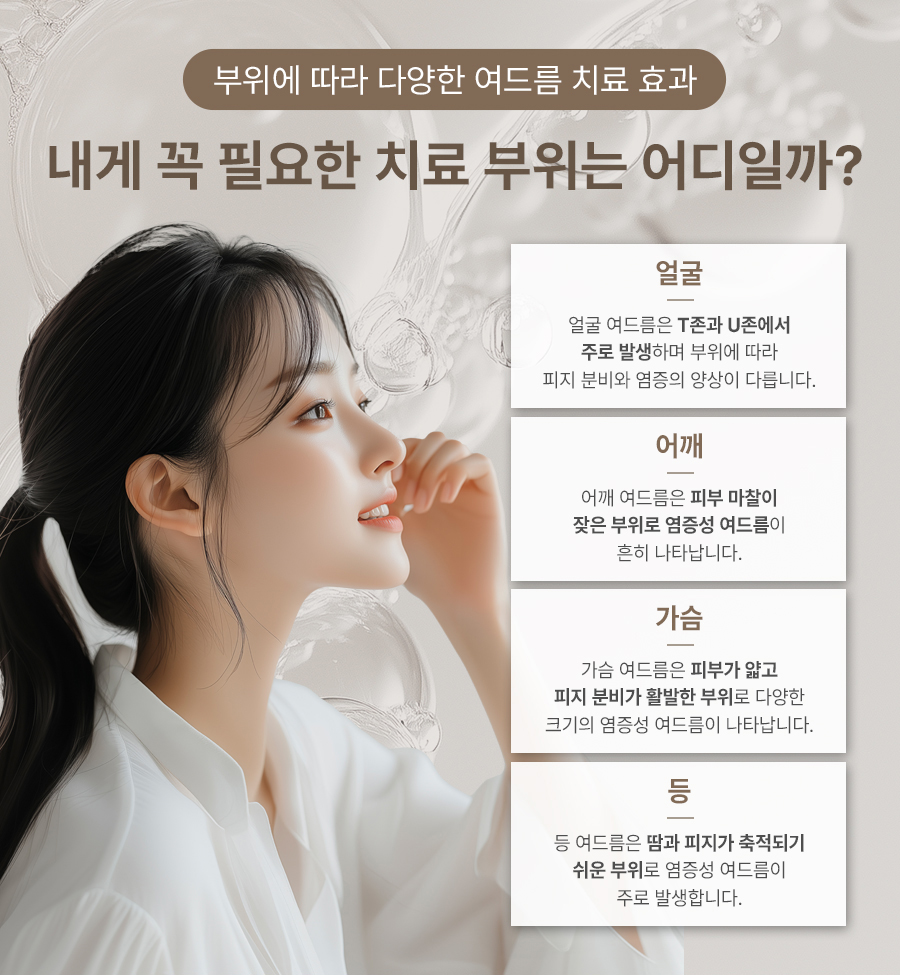
Common acne types include:
Whiteheads and blackheads
These are comedones. Whiteheads are closed pores filled with sebum and keratin. Blackheads are open pores where the content oxidizes and turns dark. They often appear on the nose, forehead, and chin.
Inflammatory papules and pustules
Papules are red, raised bumps that are tender to touch. Pustules have visible white or yellow centers filled with pus. These are the “angry” pimples that many people try to squeeze.
Nodules and cysts
These are deeper, more painful lumps under the skin. They can last for weeks and have a higher risk of leaving scars or pigmentation.
Post-acne red marks and scars
Even after the active lesion heals, you may be left with red or brown marks and, in some cases, depressed or raised scars. These are signs that the skin structure has been damaged.
In city environments like Bangidong and Jamsil, several factors can aggravate acne:
Fine dust and pollution that settle on the skin.
Heavy makeup and long-lasting foundation that block pores.
Late nights and irregular sleep schedules.
High-glycemic diets with frequent sweets, bread, and instant foods.
Hormonal fluctuations, especially around the menstrual cycle.
Stress from work, study, or travel.
Why self-treatment often fails
Many people try to manage acne alone, but certain habits can make things worse:
Squeezing at home
Using fingernails or non-sterile tools to pop pimples can push inflammation deeper, spread bacteria, and increase the chance of scarring and dark marks.
Over-washing and harsh scrubs
Washing too often or using strong scrubs and brushes can strip the skin barrier, causing more irritation and rebound oil production. Sensitive skin may become red, tight, and more reactive.
Randomly changing products
Switching between many new products, strong acids, or trendy ingredients without guidance can overload the skin. Some products are comedogenic or too occlusive for acne-prone skin.
Without a proper diagnosis of your acne type and triggers, it is easy to treat only the surface while the deeper causes remain.
When Bangidong residents and visitors should consider a clinic
You may want to move beyond self-care and visit a clinic in the Bangidong and Jamsil area if you notice any of the following:
Painful, deep inflammatory acne
If your breakouts are painful, deep, and often leave marks, professional evaluation is important to reduce the risk of long-term scarring.
Acne lasting for months despite over-the-counter care
If you have used pharmacy products, gentle cleansers, and non-comedogenic moisturizers for several months with little improvement, there may be hormonal, inflammatory, or lifestyle factors that need medical support.
Worsening jawline or cheek acne, or clear monthly pattern
Breakouts that cluster along the jawline or appear predictably around your period can be related to hormones. These often respond better to a combination of topical and systemic treatments.
Early signs of scarring and uneven texture
If you can feel small dents, raised bumps, or rough areas even after pimples heal, early intervention can help minimize permanent texture changes.
In all these cases, early treatment at a clinic near Bangidong or Jamsil can help control inflammation, reduce pigmentation, and prevent scars from becoming more noticeable.
Typical acne treatment process at a Jamsil-area clinic
Initial consultation and skin assessment
When you visit a Jamsil-based aesthetic clinic that also runs a pain clinic, the first step is usually a detailed consultation. This may include:
Medical history
The doctor or staff will ask when your acne started, how it has changed over time, and what treatments you have tried. They may ask about menstrual cycles, medications, underlying health conditions, and family history.
Lifestyle and environment
Questions may cover your work or study schedule, sleep, diet, stress level, mask use, and makeup habits. For international patients, they may also ask about your length of stay in Korea and travel plans.
Skin type and lesion assessment
Your skin may be evaluated as oily, combination, sensitive, or dry-acne-prone. The clinician will distinguish between active inflammatory lesions, comedones, red marks, brown spots, and true scars. This helps prioritize which issues to treat first.
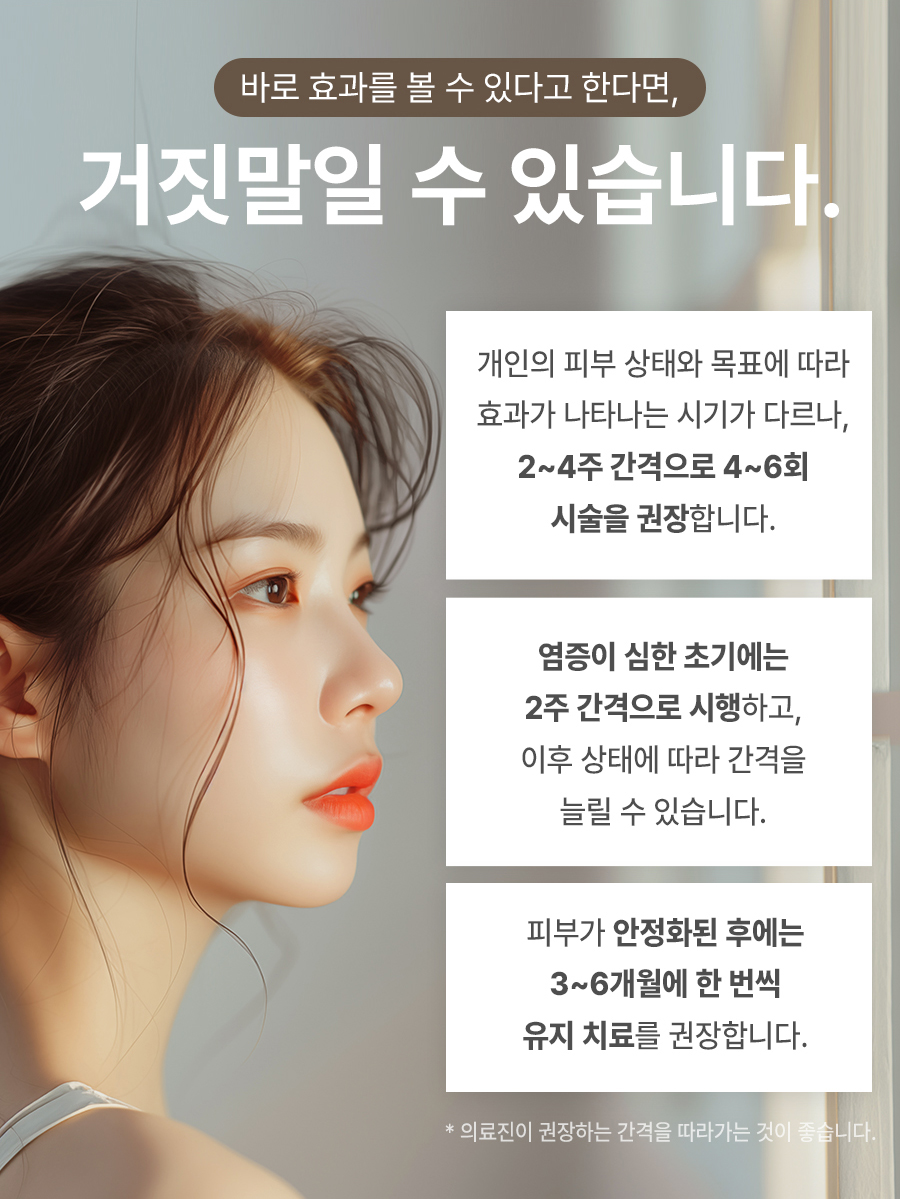
Treatment planning
Based on this assessment, a treatment plan is created. This often includes:
Topical prescriptions
These may target bacteria, excess sebum, or abnormal keratinization. The clinic will usually explain how to apply them and what side effects to watch for, such as dryness or sensitivity.
Oral medications when needed
For more severe or widespread inflammation, oral medications may be suggested. These can include anti-inflammatory or hormone-related options, depending on your situation and medical safety.
In-clinic procedures
Procedures are chosen according to your acne type, skin sensitivity, and schedule. For international patients, the plan may be adjusted to fit within a limited stay in Korea.
The intensity and frequency of treatments can be customized. For example, very sensitive skin may start with mild procedures and gradually increase intensity as tolerance improves.
In-clinic acne procedures in general terms
Deep cleansing and comedone extraction
Professional extraction focuses on safely removing whiteheads and blackheads under medical supervision. The clinician uses sterile tools and specific techniques to reduce trauma to the skin. This helps clear clogged pores and can reduce the chance that comedones turn into inflamed pimples.
Anti-inflammatory and sebum-control treatments
Light-based or laser-based procedures
Certain light or laser treatments can target acne-causing bacteria and reduce redness. They may also help regulate sebum activity over time. Parameters are adjusted to your skin tone and sensitivity.
Peeling treatments
Chemical peeling solutions can help normalize the shedding of dead skin cells, reduce clogged pores, and improve overall texture. For sensitive or easily irritated skin, milder formulations and shorter contact times are used.
Skin barrier and regeneration support
Hydrating and barrier-repair treatments
Many acne patients also have a compromised skin barrier. Clinics may use hydrating infusions, soothing masks, or barrier-repair treatments to calm redness and support recovery after procedures.
Regenerative injections for scars and texture
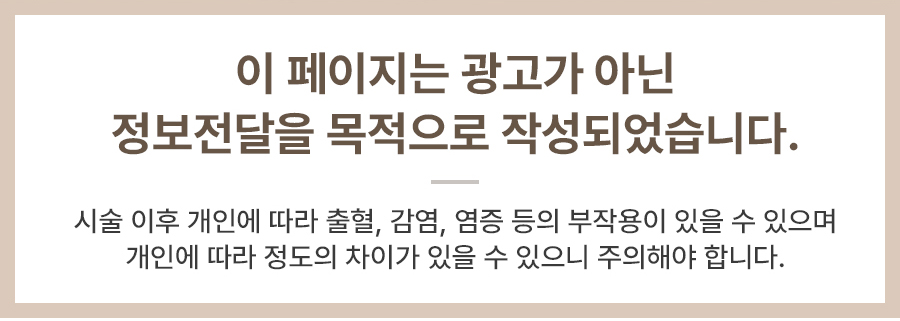
Once active inflammation is under control, collagen-boosting or skin-boosting injections can be considered for depressed scars and uneven texture. These treatments aim to support the skin’s own repair processes. Specific products and techniques are usually chosen according to the depth and pattern of your scars. Common side effects of injectable treatments can include bruising, swelling, redness, or infection; rarely, vascular occlusion may occur. Energy- or laser-based procedures may cause temporary redness, swelling, or pigment changes. Risks, benefits, and expected recovery will be reviewed during consultation, and you will receive follow-up instructions.
Scar and pigmentation management
After the main acne activity has settled, attention can shift to leftover marks and scars. Options may include:
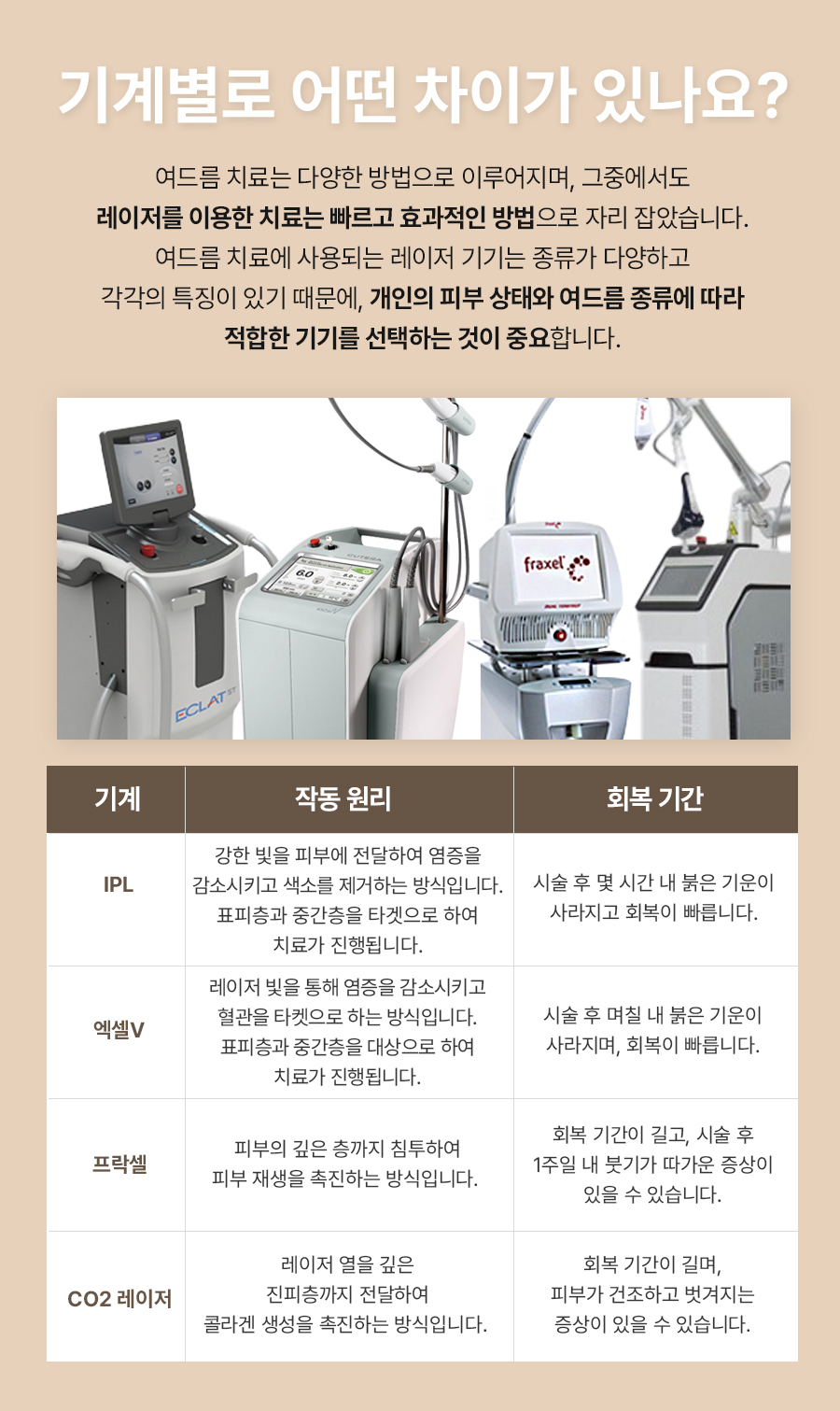
Laser or energy-based treatments for red and brown marks.
Microneedling-type procedures to stimulate collagen in depressed scars.
Regenerative approaches that combine devices and injectables for overall texture improvement.
These are usually spaced over several sessions, and expectations are set realistically, as scars often require gradual improvement.
Pain control and comfort as a differentiator
Many people delay acne procedures because they are worried about pain from extractions, lasers, or injections. In the Jamsil area, there are clinics where the lead doctor participates in pain-related medical societies and also runs a pain clinic for musculoskeletal issues.
This background can influence how acne care is delivered in several ways:
Thoughtful use of anesthesia
Anesthesia options and individual suitability will be determined during medical evaluation; these options carry their own risks and require appropriate monitoring, which will be explained during consultation.
Careful parameter selection
A doctor familiar with pain management tends to pay close attention to device settings, balancing effectiveness with comfort. This can be especially reassuring for patients with low pain tolerance.
Support for anxious or pain-sensitive patients
Young adults, first-time visitors, and international patients may feel nervous in a new medical environment. A clinic experienced in pain control is often more prepared to explain sensations in advance, pace the session, and adjust as needed.
For overseas visitors, this approach can make it easier to undergo necessary procedures within a short stay without excessive discomfort.
Customized acne care system
Some Jamsil clinics near Bangidong offer a flexible, pick-and-choose style of care. Instead of a single fixed package, you may experience:
One-on-one consultation for planning
The doctor or consultant reviews your acne type, skin condition, and budget, then helps you prioritize treatment areas and steps. For example, you may focus first on calming active inflammation, then move to pigmentation and scars, and finally to anti-aging or lifting if desired.
Flexible combination of treatments
As your skin improves, the combination of procedures can change. At first, you might receive deep cleansing, extractions, and anti-inflammatory treatments. Later, you may add scar-focused lasers, microneedling-type procedures, or skin boosters.
Multiple options for boosters and devices
Instead of using the same device for everyone, the clinic can select from several fillers, skin boosters, and devices according to your specific scars and texture. This allows more tailored care for different facial areas, such as cheeks, temples, or jawline.
For international patients, this system can be adapted to your available time in Korea. You might start with essential acne control sessions during your stay and plan follow-up scar care if you return later.
Accessibility for Bangidong and Jamsil residents and visitors
Location context
A Jamsil-based aesthetic clinic that also runs a pain clinic may be located on Ogeum-ro in Songpa-gu, in a building directly connected to the Jamsil Station area. Being about one minute on foot from a main subway exit and in the same building as a well-known coffee franchise makes it easy to find even for first-time visitors.
From Bangidong, you can usually reach Jamsil quickly by subway or bus, or by a short taxi ride. This convenience is important because acne care often requires repeated sessions rather than a single visit.
Operating hours
Extended weekday hours
Some clinics in this area open until around 8:30 p.m. on weekdays. This allows office workers and students to visit after work or class without rushing.
Saturday daytime hours
Saturday hours without a separate lunch break can be convenient for those with busy weekday schedules. International patients who are sightseeing or attending meetings during the week may choose Saturday for their main treatment sessions.
Safety, information quality, and realistic expectations
Reliable information
When choosing a clinic near Bangidong or Jamsil, it can be helpful to look for one that maintains separate website pages for editorial standards and medical information notices. This suggests that the clinic pays attention to the accuracy and transparency of its content.
Realistic treatment expectations
Acne treatment is usually a process, not a single event. Important points include:
Multiple sessions are often needed
Inflammation and breakout frequency typically improve over weeks to months. Scar and pigmentation care usually begins after active acne is more stable.
Consistency at home matters
Using prescribed products as directed, avoiding harsh home treatments, and maintaining a gentle skincare routine are crucial. Skipping home care can slow progress.
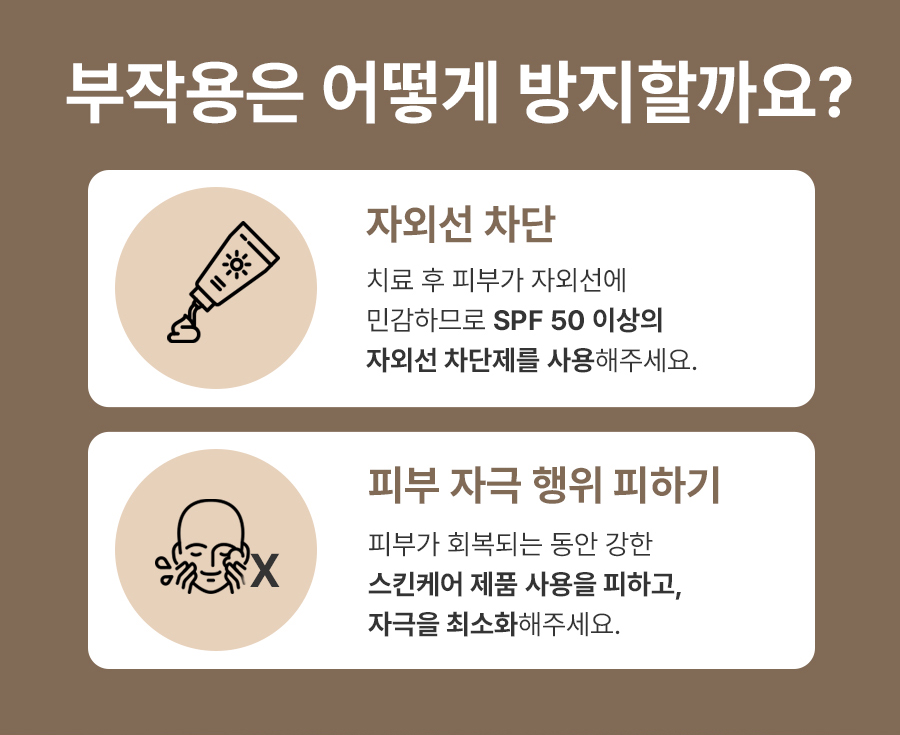
Lifestyle adjustments help
Better sleep, stress management, and a balanced diet, along with non-comedogenic cosmetics, support the results of in-clinic treatments.
Individual variation
Skin responses differ from person to person. Some may see faster changes, while others need more time and adjustments. Regular follow-up with the clinic helps fine-tune the plan.
Who this Jamsil-based clinic model may suit
A Jamsil aesthetic clinic that also operates a pain clinic may be a good match for people in Bangidong and nearby areas who:
Want structured, medically guided acne care rather than only cosmetic facials.
Are sensitive to pain or anxious about procedures and value pain-controlled treatment.
Need evening or Saturday appointments because of work, study, or travel schedules.
Are interested in long-term skin quality improvement, including scars and anti-aging, after active acne calms down.
For international patients, the combination of accessible location, extended hours, and attention to comfort can make it easier to fit acne care into a short stay in Seoul.
Online consultation and pre-visit preparation
Before you visit a clinic near Jamsil, an online consultation can help you plan efficiently.
Information to prepare
When contacting the clinic online, it helps to prepare:
Clear photos of your face in natural light from the front and both sides.
A brief history of your acne: when it started, what makes it better or worse.
A list of current skincare products and any prescription medications.
Any known allergies or previous reactions to treatments.
Your planned travel dates and how many visits you can realistically make.
Questions to ask the clinic
You may want to ask:
- Which treatments are suitable for my acne type within my stay period?
- How many sessions are realistic during my visit, and what can I expect from them?
- What kind of anesthesia or pain control is used for extractions and lasers?
- What aftercare will I need, and will it interfere with my travel plans or work?
By clarifying these points in advance, you can arrive in Korea with a clear schedule for consultations and procedures.
Expected Korea visit timeline for acne care
Short stay of 1 to 2 weeks
If you are in Seoul for a short trip, the focus is usually on:
Initial consultation and assessment.
Basic acne control treatments such as deep cleansing, extractions, and mild anti-inflammatory procedures.
Setting up a home-care routine you can continue after returning home.
You may have 1 to 3 in-clinic sessions, depending on your schedule.
Medium stay of 3 to 4 weeks
With more time, you can:
Undergo a series of acne control sessions spaced several days apart.
Add gentle peeling or light-based treatments if your skin tolerates them.
Begin early scar or pigmentation care if inflammation settles quickly.
Longer stay of 2 to 3 months or more
For longer stays, it is possible to:
Work through a structured program that first calms inflammation.
Then gradually introduce scar and texture treatments.
Adjust medications and procedures based on how your skin responds.
Your exact plan will depend on your skin condition, medical safety, and personal goals.
Aftercare and daily life tips in Korea
Post-procedure care
After acne treatments, especially extractions, peels, or lasers, you will usually be advised to:
Avoid harsh scrubs and exfoliants for a period of time.
Use gentle, non-foaming cleansers and soothing moisturizers.
Apply sunscreen daily and avoid direct strong sunlight.
Refrain from picking or scratching healing areas.
Lifestyle tips during your stay
In Bangidong and Jamsil, it is easy to be tempted by late-night food and long working hours. To support your skin:
Try to keep a regular sleep schedule as much as possible.
Stay hydrated, especially if you drink coffee or alcohol.
Choose lighter, less oily meals when you can.
Remove makeup thoroughly each night and avoid heavy, occlusive products.
Frequently asked questions about Bangidong acne care
How many acne treatment sessions can I have during a short stay in Seoul?
For a stay of about one to two weeks, many international patients manage one detailed consultation plus one or two treatment sessions. The exact number depends on your schedule, how quickly you contact the clinic after arrival, and how your skin responds. The clinic can help prioritize which procedures to do first so that you get the most benefit within your available time.
Will acne procedures near Bangidong and Jamsil be very painful?
Discomfort varies by procedure and by person, but many clinics in the Jamsil area use topical anesthetic creams for extractions, microneedling-type treatments, and lasers. During consultation, you can discuss your pain tolerance and any previous experiences so the team can plan accordingly.
Can I go sightseeing or work the day after acne treatment?
After mild procedures such as basic extractions or gentle peels, most people can return to daily activities, work, or sightseeing with only slight redness. More intensive treatments, especially for scars, may cause temporary redness, swelling, or sensitivity, so you might prefer to schedule them when you can rest or wear minimal makeup. The clinic will usually explain expected downtime for each procedure in advance.
What should I check before choosing an acne clinic near Bangidong?
Before deciding, it is helpful to confirm the clinic’s location and access from your accommodation, operating hours, language support for international patients, and experience with acne and scar management. You can also ask about the range of devices and treatments available, how they handle pain control, and what kind of follow-up communication is possible after you return home. Reading their medical information notices and editorial standards on the website can give you a sense of how carefully they handle health information.
Soft call to action for online consultation
If you are staying in Bangidong or visiting Jamsil and feel that your acne is not improving with self-care, consider arranging an online consultation with a local clinic before or soon after you arrive in Korea. By sharing photos, your history, and your travel schedule in advance, you can receive a tailored plan that fits your time here and your comfort level.
With a structured approach, professional guidance, and attention to pain control, it is possible to take meaningful steps toward calmer, clearer skin during your stay in Seoul, and to continue your progress after you return home.
- 공유 링크 만들기
- X
- 이메일
- 기타 앱


댓글
댓글 쓰기