Songpa Lifting Clinics: How to Find a Jamsil Non‑Surgical Lifting Clinic with Less Pain After Work

What matters most is not a flashy name, but whether the clinic has suitable devices, careful doctors, good pain control, realistic explanations, and easy access for follow‑up. Athley Clinic in Jamsil is one example of a clinic that combines lifting treatments with structured pain management and evening hours, which can be practical for local office workers and overseas visitors.
What non‑surgical lifting means in Songpa
In the Songpa and Jamsil area, the word lifting usually refers to non‑surgical procedures that tighten and contour the face without cutting the skin. These treatments aim to improve early jowls, sagging cheeks, nasolabial folds, marionette lines, and neck lines, and to give a firmer overall impression.
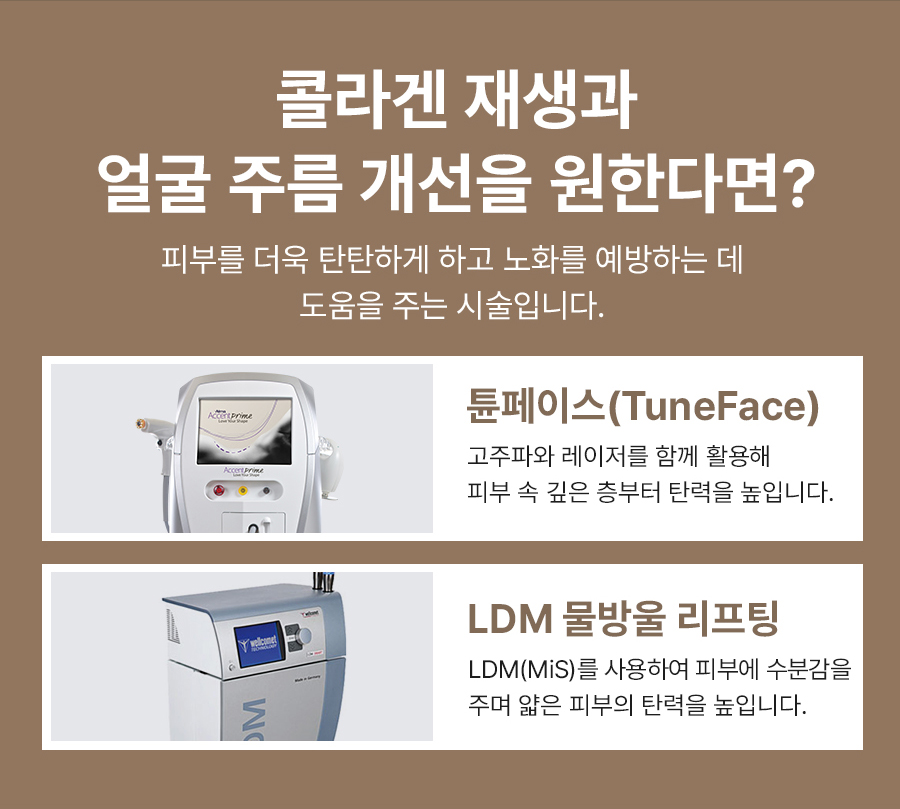
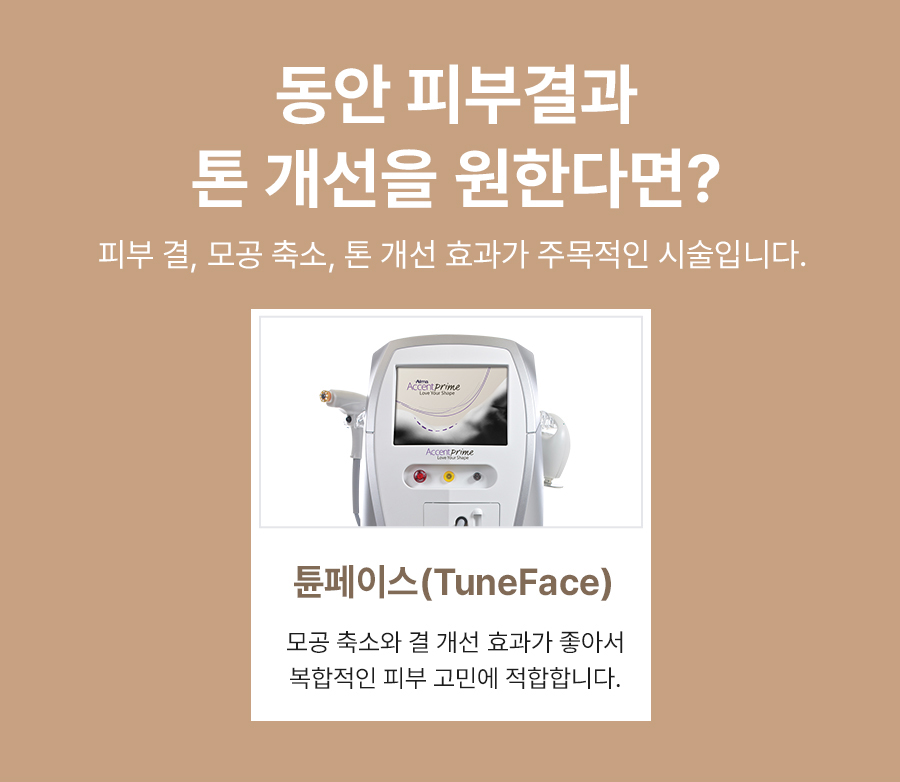
Energy‑based lifting includes HIFU devices such as Shurink, which deliver focused ultrasound energy to deeper layers of the skin to stimulate collagen and tighten the SMAS layer. RF devices, including Thermage‑type monopolar RF and platforms such as Accent Prime, use radiofrequency energy to heat the dermis and subcutaneous tissue for gradual tightening.
Thread lifting uses fine threads placed under the skin through small entry points. These threads can mechanically lift sagging tissue and also stimulate collagen over time. It can be especially useful for the jawline, lower face, and certain mid‑face areas when there is mild to moderate sagging.

Collagen and skin boosters such as Rejuran, Juvelook, Radiesse, and Belotero Revive are injectable treatments that focus on skin quality, fine lines, and dermal regeneration rather than mechanical lifting. They can make the skin look smoother, healthier, and more elastic, and are often combined with lifting devices.
In practice, many Songpa patients receive a combination: for example, HIFU or RF for tightening, threads for contour definition, and boosters or fillers for volume and texture. A good clinic will explain how each option works and suggest a mix suited to your age, skin condition, and downtime tolerance.
How to choose a good lifting clinic in Songpa
Device diversity and suitability
A reliable lifting clinic usually has several types of devices rather than relying on a single platform for every patient. Ideally, there should be HIFU options such as Shurink, RF tightening systems such as Accent Prime, and Thermage‑type monopolar RF for deeper, more diffuse tightening.
Athley Clinic in Jamsil, for example, uses multiple energy‑based devices and combines them with thread lifting and collagen boosters. The aim is to choose tools according to the treatment area, skin thickness, and degree of laxity, rather than forcing everyone into the same protocol.
Custom planning instead of fixed packages
Many patients search for the best lifting clinic in Songpa because they want a plan that fits their own face, not a generic package. During consultation, the doctor should listen carefully to your main concerns, such as jawline blurring, sagging cheeks, nasolabial folds, neck bands, or fine wrinkles around the eyes and mouth.
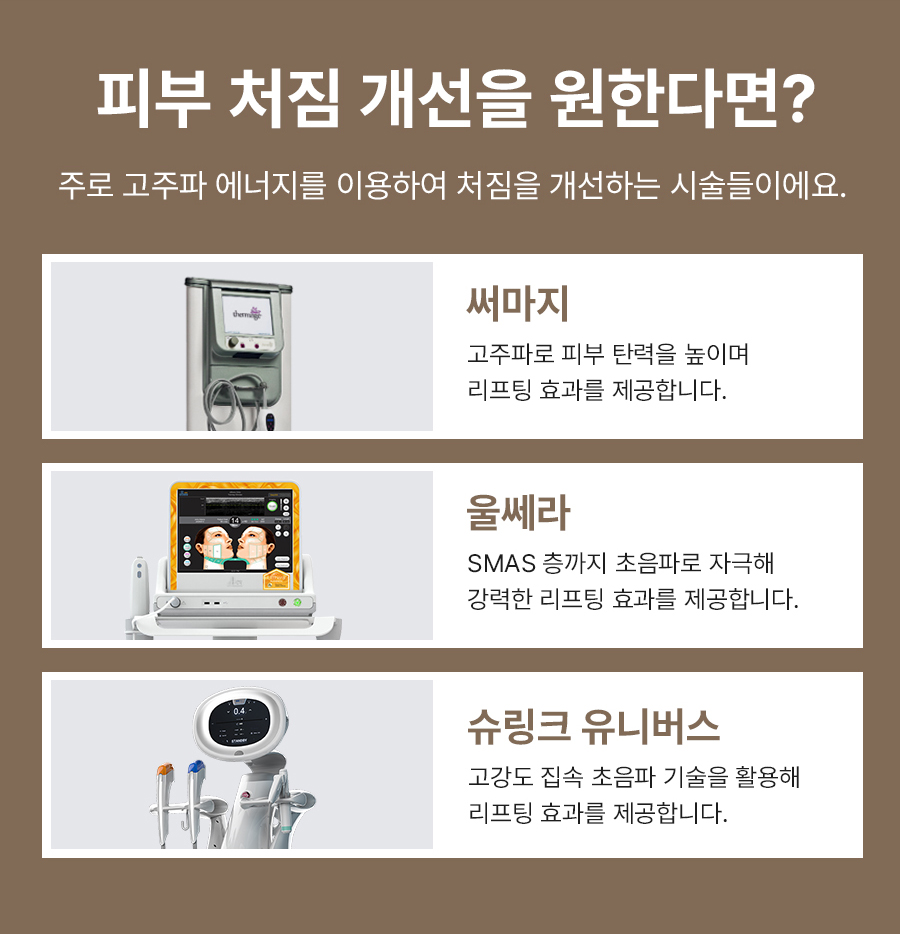
A helpful system is a guided customization or DIY‑style plan, where you can prioritize focus areas and the clinic recommends a combination of lifting devices, threads, fillers, and boosters. At Athley, this DIY concept means you do not have to accept a rigid package; instead, you and the doctor build a tailored plan within your budget and time frame.
Pain management system
Pain control is therefore a key factor when choosing a clinic.
A clinic that also operates a pain unit and offers painless sedation anesthesia can provide more structured protocols for numbing, monitoring, and managing discomfort. At Athley, the lead doctor plans anesthesia before the procedure, monitors the patient during treatment, and adjusts medication as needed. Options can include strong topical anesthesia, local injections, oral medication, or monitored sedation when appropriate.
This type of system is particularly valuable for patients who had a bad experience with painful lifting in the past or who are naturally anxious. It allows them to receive treatments while keeping discomfort and fear under better control.
Before any lifting procedure, the doctor should assess your medical history, medications, previous treatments, and skin condition. They should explain realistic expectations and also the limitations of non‑surgical methods.
Energy settings must be adjusted carefully to reduce the risk of burns, nerve irritation, or excessive swelling. Thread lifting requires knowledge of facial anatomy to avoid vessels and nerves. A clinic that has experience in both aesthetic and pain‑care fields may be better prepared to recognize and manage issues such as persistent pain, swelling, or nerve‑related symptoms.
Product and brand transparency
Non‑surgical lifting often includes injectables such as fillers, botulinum toxin, and collagen boosters.
The doctor should explain why a certain product is chosen for a specific area, such as a firmer filler for the chin, a softer one for under‑eye hollows, or a skin booster for fine lines. Transparency about brands and batch information helps patients feel secure and makes it easier to understand the treatment plan.
Accessibility and follow‑up
Lifting and collagen regeneration are usually not one‑time events. You may need staged sessions, follow‑up checks, and maintenance treatments. For this reason, location and hours are practical but important factors.
A clinic near Jamsil Station, such as Athley Clinic which is about one minute on foot from exit 10, is convenient for Songpa residents and office workers. Weekday evening hours until around 8:30 pm mean you can visit after work. Saturday daytime hours without a lunch break also make scheduling easier for busy patients and for overseas visitors with tight itineraries.
How Athley Clinic in Jamsil fits these criteria
The lead doctor is active in pain medicine societies and applies pain‑management principles to lifting treatments, thread procedures, and injections.
Painless sedation anesthesia is available as a separate service when appropriate, in addition to topical and local anesthesia. Monitoring during procedures and structured protocols help to reduce both physical pain and psychological anxiety. This can be reassuring for patients who are sensitive to pain or who have postponed lifting because they are afraid it will hurt too much.
Custom DIY planning
The clinic uses a DIY‑style planning system, which does not mean patients design treatments alone, but that they participate actively in choosing focus areas and treatment types. During consultation, you can point out specific concerns such as sagging cheeks, loss of jawline, neck bands, or fine lines around the mouth and eyes.
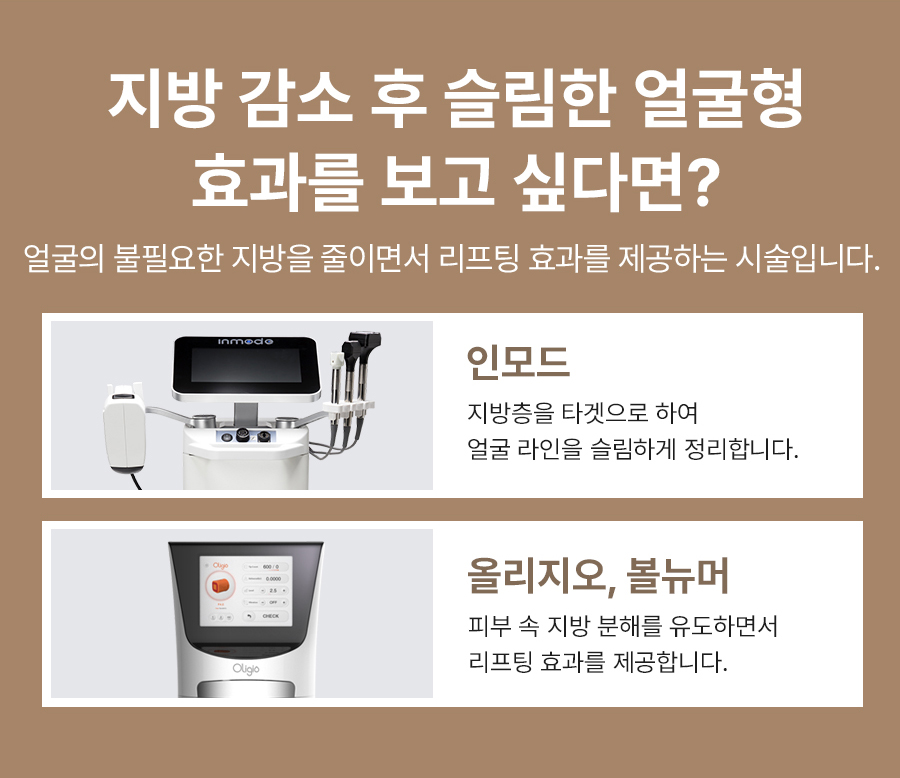
Based on this, the doctor suggests a combination of HIFU, RF, Thermage‑type RF, thread lifting, fillers, botulinum toxin, and collagen boosters. The clinic does not limit itself to a single device or brand. Instead, it selects among multiple options after checking whether your skin is on the thinner or thicker side, which areas have started to sag first, and how much visible change you want. This approach can help create a more balanced, natural‑looking result.
Strong collagen and skin booster lineup
Another feature is an emphasis on regenerative treatments. The clinic offers collagen and skin boosters such as Rejuran, Juvelook, Radiesse, and Belotero Revive, which focus on dermal repair, elasticity, and fine wrinkles.
Combining lifting devices, which mainly tighten and reposition tissue, with boosters that improve the skin itself can often give a softer, more natural improvement than lifting alone. For example, a patient may receive HIFU for jawline tightening, threads for contour, and Juvelook or Belotero Revive for fine wrinkles and texture around the cheeks or under the eyes.
Convenience for Songpa and Jamsil residents and workers
The clinic is located in a mixed‑use building with cafes, about one minute on foot from Jamsil Station exit 10. This makes it easy to visit between errands or after work. Weekday hours extend to around 8:30 pm, which is particularly useful for office workers who cannot take time off during the day.
On Saturdays, the clinic operates without a lunch break, so patients can schedule morning or afternoon appointments without worrying about a midday closure. For overseas visitors staying near Jamsil, this schedule allows for flexible planning of consultations, procedures, and follow‑up within a short trip.
Trust and information transparency
At Athley, explanations include not only the expected effects but also possible side effects, recovery time, and the limits of what non‑surgical lifting can achieve. Treatment plans are discussed in simple terms so that patients can see why a certain device or method is recommended and what to expect afterwards.
The clinic maintains internal standards for editing its online content and medical information notices. This helps patients receive clearer, more accurate explanations instead of only promotional phrases.
For patients, this can translate into clearer descriptions of procedures, realistic timelines, and open discussion of possible side effects and limitations. When a clinic values transparent information, it is usually more comfortable answering detailed questions about devices, protocols, and safety.
They might book an evening consultation after work. During the visit, the doctor assesses skin laxity, volume loss, and lifestyle. A possible plan could be a session of HIFU or RF lifting for the lower face and jawline, combined with a small amount of filler or a collagen booster around the nasolabial folds.
Because the clinic is open late, the patient can return for follow‑up on another weekday evening to check progress and decide whether to add further boosters or maintenance lifting.
Mid‑40s patient with sagging and neck lines who is sensitive to pain
A patient in their mid‑40s may have more noticeable sagging in the lower face and clear neck lines. They may have tried HIFU elsewhere and found it too painful, so they are hesitant to repeat lifting treatments.
In this case, a detailed consultation is important. The doctor can discuss pain experiences, anxiety level, and medical history. Based on this, the clinic might suggest strong topical anesthesia, local anesthesia, or painless sedation anesthesia if appropriate.
A combined plan could include Thermage‑type RF for overall tightening, thread lifting to define the jawline, and collagen boosters such as Rejuran or Juvelook for fine neck lines. With pain management and monitoring, the patient may be able to receive a more comprehensive lifting program while keeping discomfort under better control.
Patient with facial aging and chronic shoulder or neck pain
Some patients have both aesthetic concerns and chronic musculoskeletal pain, such as shoulder or neck discomfort from long hours at a desk. For them, it can be convenient to address both issues in one place.
Because this Jamsil clinic also runs a pain unit, scheduling can be coordinated so that a patient receives a lifting procedure and, on another visit, evaluation and treatment for chronic pain. This integrated approach can be especially appealing to busy professionals or overseas visitors who want to use their time in Korea efficiently.
Who may consider non‑surgical lifting in Korea
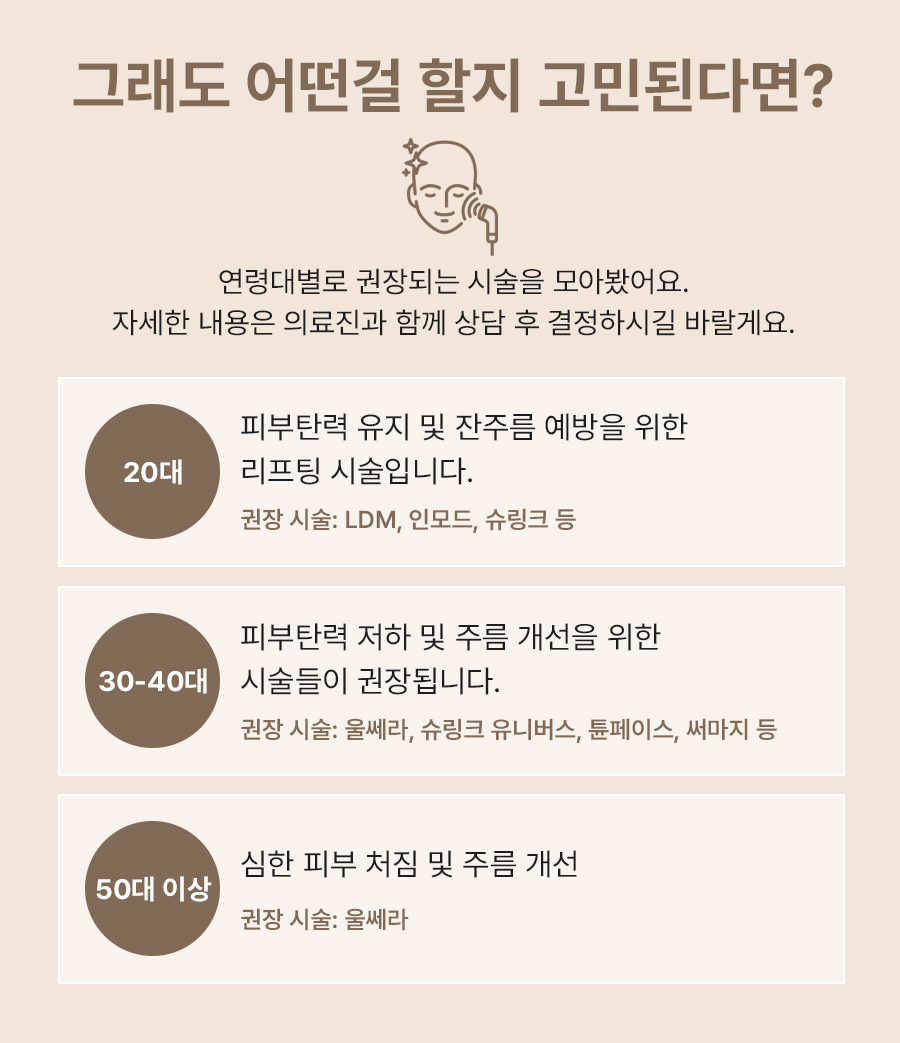
Non‑surgical lifting is generally considered for people with mild to moderate skin laxity who want to improve early signs of aging without surgery. Typical candidates include those with early jowls, sagging in the mid‑face, deepening nasolabial folds, marionette lines, and fine to moderate wrinkles.
It can also be an option for people who want to delay or avoid surgical lifting, or who wish to maintain results after previous surgery. Overseas patients who plan a short stay in Korea often choose non‑surgical options because downtime is usually shorter and stitches are not required.
However, non‑surgical lifting has limits. In cases of very severe sagging or heavy skin, surgical options may be more appropriate. A thorough consultation is necessary to determine whether your expectations match what non‑surgical methods can realistically provide.
If you are visiting Korea from abroad and considering lifting in the Songpa–Jamsil area, the overall process usually follows a few steps. First, you start online consultation by email or messenger, sending current photos and describing the kind of result you want. At this stage, you and the clinic discuss a general treatment direction, timing of visits, and expected recovery period. After you arrive in Korea, you visit the clinic on your reserved date for an in‑person assessment, adjust the plan if needed, and then proceed with treatment. Pre‑ and post‑treatment instructions and home care are usually explained in one go at this point. After you return home, you can continue to ask follow‑up questions through the same online channels if anything comes up.
For international patients visiting Songpa or staying near Jamsil, non‑surgical lifting can usually be planned within a short trip. Most energy‑based procedures such as HIFU, RF, and Thermage‑type treatments are completed in one session lasting from about 30 minutes to 1.5 hours, depending on the areas treated.
Thread lifting may take a similar amount of time but can involve more swelling and bruising. Collagen and skin boosters are typically injected in sessions that last 20 to 40 minutes, and may be repeated at intervals of several weeks.
Results from energy‑based lifting and boosters are usually gradual, developing over several weeks to months as collagen forms. Threads and fillers can give more immediate contour changes, though final settling also takes time.
Online consultation and pre‑visit preparation
Before traveling to Korea, many patients prefer to have an online consultation. This can be done by sending clear photos of the face and neck from the front and both sides, under good lighting, without filters. Some clinics may also request short video clips showing facial expressions.
When contacting a clinic such as Athley, it is helpful to prepare the following information in advance:
- Your main concerns and priority areas, for example jawline, cheeks, nasolabial folds, under‑eye area, or neck.
- Your age, general health status, and any chronic illnesses.
- Medications and supplements you are taking, including blood thinners.
- Previous procedures, such as fillers, botulinum toxin, laser treatments, or surgery.
- Your schedule in Korea, including arrival and departure dates.
You can also prepare questions about pain control options, expected downtime, recommended combinations of devices and boosters, and how many sessions may be needed. A clinic that values transparency will answer these clearly and may suggest a preliminary plan that can be adjusted once you are examined in person.
For international visitors or others staying only a few days in Korea and focusing on non‑surgical lifting in Jamsil or Songpa, a possible timeline could look like this:
Day 1: In‑person consultation and skin assessment. If you and the doctor agree, some treatments such as HIFU, RF, or certain boosters may be performed on the same day.
Day 2 to 3: Light swelling, redness, or soreness may be present, but many patients can continue sightseeing or business activities. If thread lifting was done, there may be more noticeable swelling and tightness during this period.
Day 3 to 7: Follow‑up visit if needed, especially after threads or multiple injectables, to check healing and adjust aftercare. Many overseas patients schedule this before departure.
Weeks to months after: Gradual improvement continues as collagen forms. You can stay in touch with the clinic by email or messaging for questions, and share photos if you want remote follow‑up.
This schedule can be adjusted depending on the complexity of the plan. If you are considering multiple sessions of boosters, you may prefer a longer stay or plan additional visits to Korea.
Aftercare and recovery
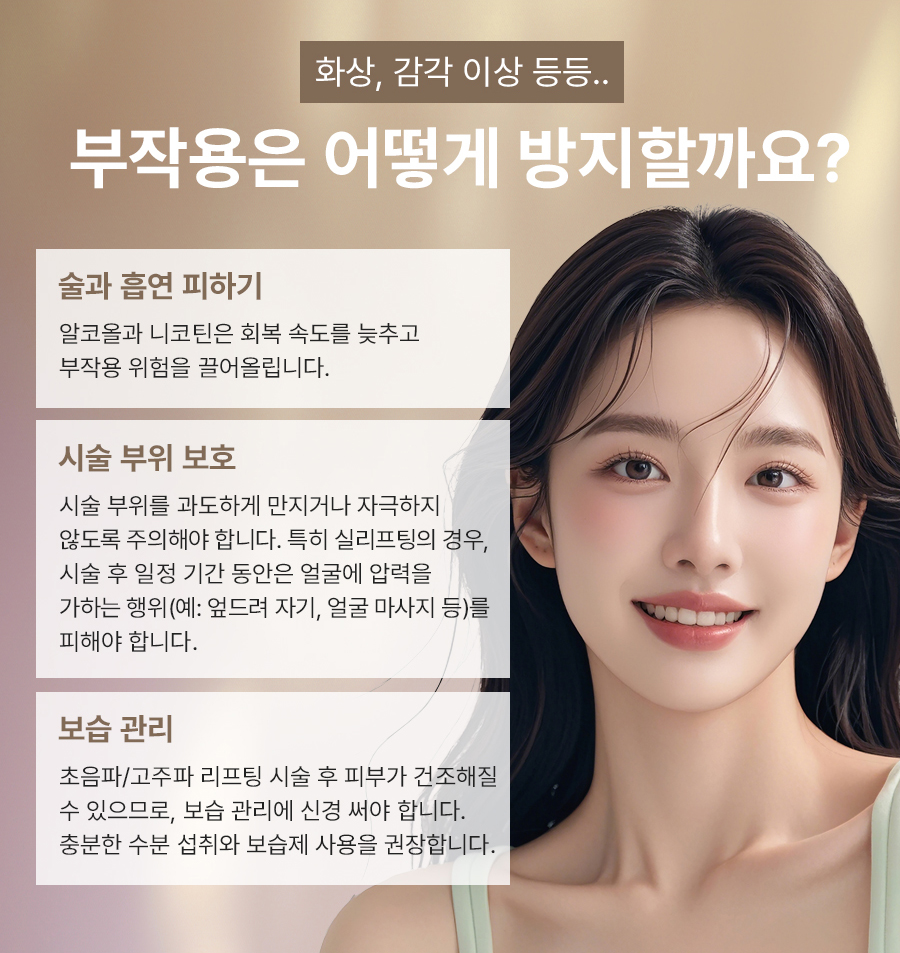
After non‑surgical lifting, common temporary effects include redness, mild swelling, tenderness, or bruising. These usually improve within a few days. The clinic will provide specific aftercare instructions based on the procedures you receive.
General recommendations often include avoiding very hot baths, saunas, and intense exercise for a few days, protecting the skin from strong sun, and using gentle skincare. After thread lifting, you may be advised to avoid strong facial massage, wide mouth opening, or sleeping face‑down for a period.
If collagen or skin boosters are injected, small bumps or unevenness can appear temporarily at injection sites, especially around thin skin. These usually settle as the product spreads and integrates. The clinic should explain what is normal and when to contact them.

Safety, side effects, and realistic expectations
Possible side effects include redness, swelling, bruising, temporary numbness or tingling, and in rare cases, burns or nerve‑related symptoms.
To help reduce risks, it is important to share your full medical history, allergies, and previous treatments during consultation. Ask the clinic about emergency protocols, how they handle unexpected pain or swelling, and what follow‑up support is available.
In terms of results, energy‑based lifting and boosters work gradually and within the limits of your skin and anatomy. Threads and fillers can create more visible changes, but a responsible clinic will aim for natural balance rather than extreme lifting. Multiple sessions or combination treatments are often used, especially for more advanced aging.
HIFU uses focused ultrasound energy to target deeper layers such as the SMAS, leading to tightening and lifting over time. RF devices heat the dermis and subcutaneous tissue more broadly, improving firmness and texture. Thermage‑type monopolar RF is a specific form of RF that delivers energy deeply and uniformly, often in a single session, to stimulate collagen. A clinic that explains these differences can help you understand which option or combination may suit your skin type, laxity, and pain tolerance.
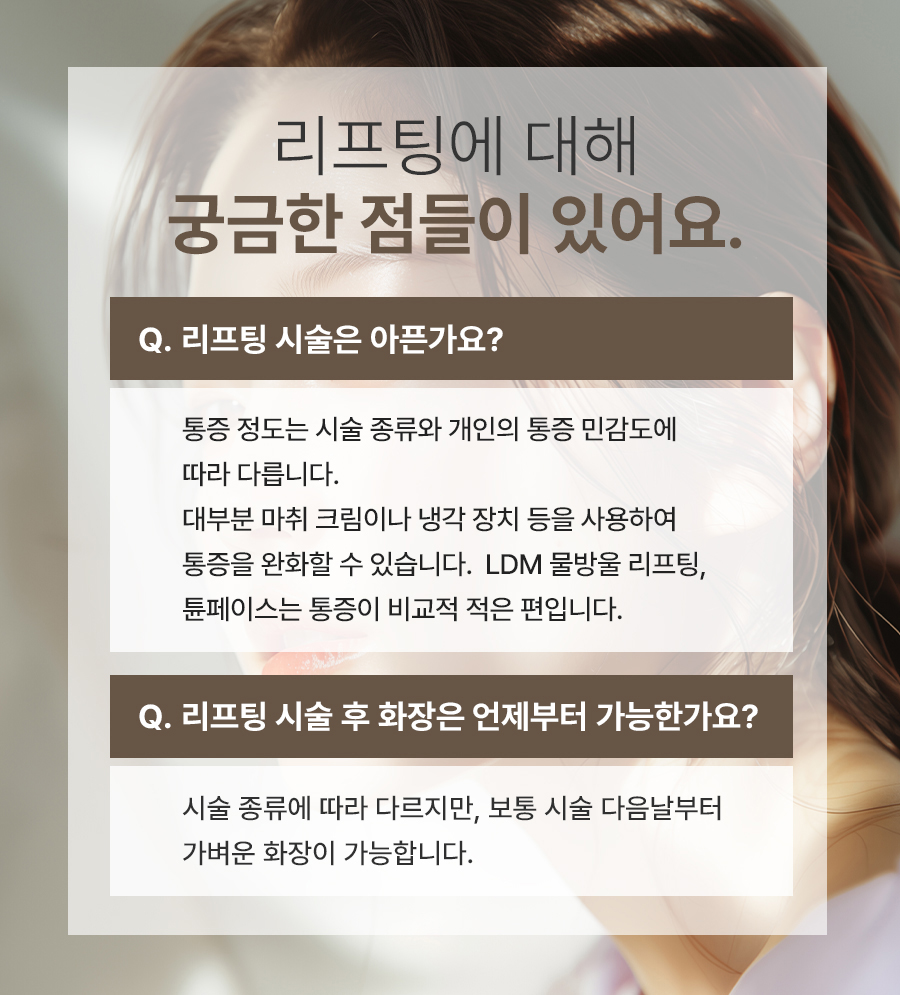
How painful are lifting and thread procedures, and how is pain managed?
How long do non‑surgical lifting results last?
The duration of results depends on the treatment type, your age, skin condition, and lifestyle. HIFU and RF effects typically build over several months and may last around one year or more, with maintenance sessions often recommended. Thread lifting results can be noticeable for about one to two years as threads gradually dissolve and collagen remains. Collagen and skin boosters often require a series of sessions followed by maintenance. Your doctor can suggest a realistic maintenance schedule based on your goals.

Is non‑surgical lifting suitable for overseas patients with a short stay in Korea?
Many overseas patients choose non‑surgical lifting because most procedures can be done in a single session with relatively short downtime. For example, a visitor staying in Jamsil could have consultation and treatment on one day and a brief follow‑up a few days later. It is important to arrange an online consultation beforehand, share photos and medical information, and plan your itinerary so there is time for at least one follow‑up before leaving Korea.
If you are considering non‑surgical lifting in the Songpa or Jamsil area and want a balance of devices, structured pain management, and convenient access, it may be helpful to start with an online consultation. By sharing your concerns, photos, and schedule in advance, you can receive a preliminary plan and decide whether a clinic such as Athley Clinic in Jamsil matches your needs. Before your consultation, it can be useful to prepare a few key questions, such as which devices are likely to be used for your case and what the typical pain control and recovery steps look like.


댓글
댓글 쓰기